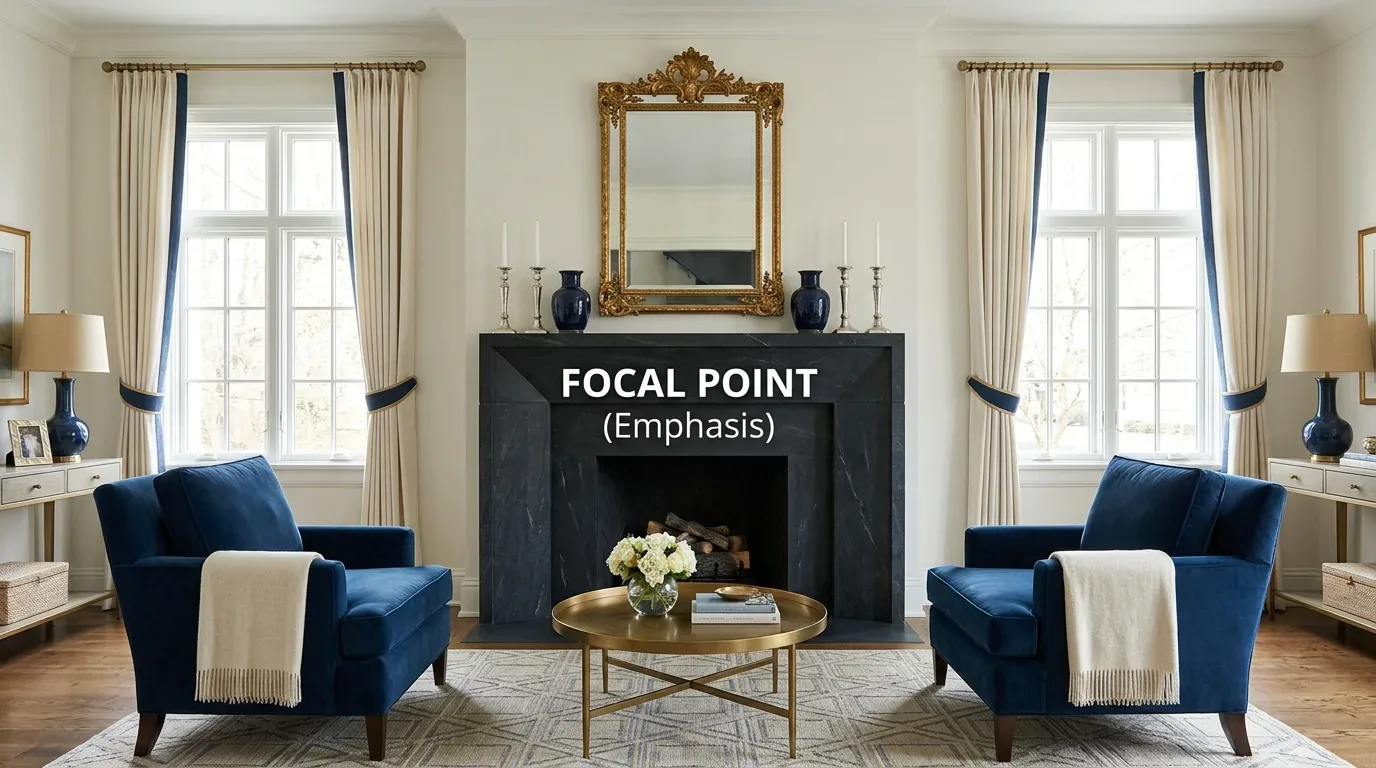
Understanding the principles of interior design is about grasping how to create spaces that feel balanced, cohesive, and aesthetically compelling. The core idea is to use foundational concepts like harmony, proportion, and emphasis to guide every decision, whether you're applying these ideas yourself or evaluating a professional's work. Effective interior design hinges on these timeless principles, tailored to each space’s unique context.
Built from our active project files, this guide will explore how these principles shape successful interiors in Sacramento with a secondary nod to Mill Valley. We will cover key concepts such as balance, harmony, proportion, focal points, rhythm, contrast, and how to achieve unity and variety. Practical examples and visual insights will help you understand how these concepts translate into real-world design decisions, ensuring your space feels intentional and refined in 2026.
Direct Answers (Principles Of Interior Design)
| What are the core principles of interior design? | The core principles include balance, harmony, proportion, focal points, rhythm, contrast, and unity, which guide creating cohesive and aesthetically pleasing spaces. |
| How does balance influence interior design? | Balance refers to the distribution of visual weight within a room, achieved through symmetrical, asymmetrical, or radial arrangements to create stability. |
| Why is harmony important in interior design? | Harmony ensures all elements work together seamlessly, often through consistent color palettes, materials, or styles, creating a space that feels intentional and comfortable. |
| When should I consider proportion and scale in my interior project? | Proportion and scale are crucial when selecting furniture and fixtures, especially in rooms with varied ceiling heights or layouts, to ensure comfort and visual harmony. |
Principles Of Interior Design 2026 at a Glance
| Element | In | Out |
|---|---|---|
| Balance | Emphasis on balance and harmony | Overly busy or cluttered spaces |
| Proportion | Use of proportion and scale | Ignoring proportion and scale |
| Focal Points | Focal points and visual interest | Lack of focal points |
| Rhythm | Rhythm and repetition | Repetition without variation |
| Contrast | Contrast for depth | Contrast that creates chaos |
| Unity & Variety | Unity and variety | Disjointed design schemes |
Mastering Balance and Harmony in Interior Design
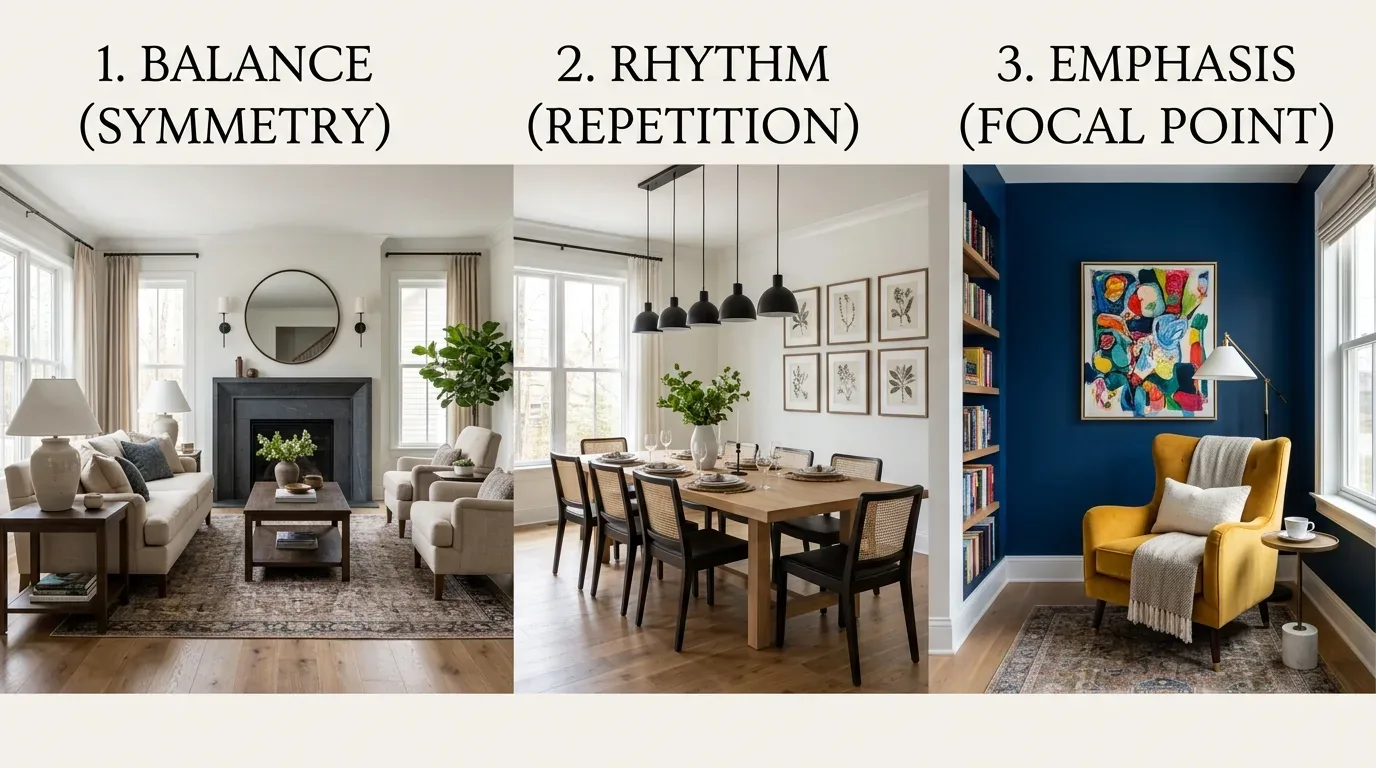
In our ongoing Sacramento projects, achieving balance and harmony is the first step toward a cohesive space. Balance refers to the distribution of visual weight within a room, whether symmetrical, asymmetrical, or radial. For example, a large sofa on one side can be balanced by a grouping of chairs or an art piece on the opposite wall. Harmony, meanwhile, ensures that all elements work together seamlessly, often through consistent color palettes, materials, or styles.
Across our active project specifications, we focus on how these principles create a sense of calm and order. For instance, in a recent living room update, we used a warm, neutral palette with natural textures like linen and oak to evoke tranquility. The American Society of Interior Designers emphasizes that harmony is about creating spaces that feel intentional and comfortable, which is especially important in the varied architectural stock found in Sacramento homes. Thoughtful balance and harmony set the foundation for all other design principles to work effectively.
Material Specificity for Authentic Interior Design
Authenticity-grade materials
- White oak (rift-sawn), for floors and slat detail; calmer grain than plain-sawn
- Linen fabric, for upholstery and window treatments; natural, breathable, and timeless
- Bronze hardware, for fixtures and accents; warm tone that ages gracefully
- Matte porcelain tile, for backsplashes and floors; durable and modern
- Reclaimed wood, for accent walls or furniture; sustainable with rich character
- Natural wool rugs, for warmth and texture; high-quality and long-lasting
- Limestone, for countertops and flooring; authentic, soft, and elegant
- Cement plaster, for wall finishes; matte, subtle texture, and authentic
Generic-grade tells we refuse to spec
- Synthetic laminate, as a low-cost alternative to wood
- Polyester fabric, for upholstery, less durable than natural fibers
- Chrome hardware, less warm than brass or bronze
- Glazed ceramic tile, common but less textured
- Veneer wood, less sustainable and lower quality than reclaimed
- Polypropylene rugs, inexpensive but less durable
- Engineered quartz, more uniform but less authentic than natural stone
- Painted drywall, generic finish with no texture or material character
How to Achieve the Right Proportion and Scale for Your Space
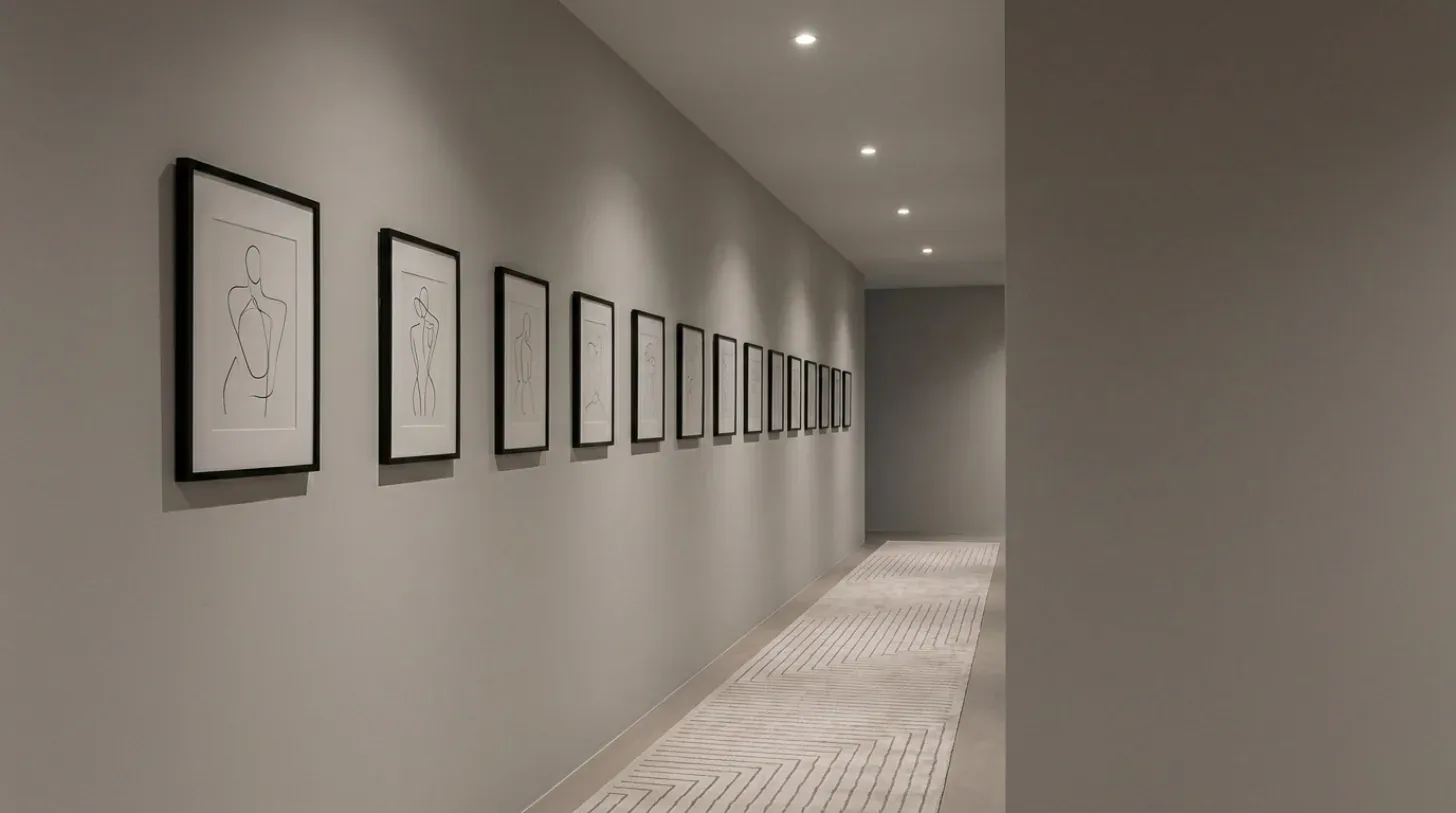
Deciding on furniture size and decor scale is often the most critical choice in interior design. The first question we ask homeowners is: what is the primary function of this space and how do you want it to feel? For example, a 36-inch range fits comfortably in most standard kitchens, but a 48-inch professional-grade range demands a larger footprint and more robust ventilation. When selecting fixtures and furniture, consider ceiling height, room dimensions, and how the pieces will interact visually.
In our Sacramento projects, many older homes have varied ceiling heights and room proportions, so precise sizing is essential. We often use a tape measure and 3D mockups to test scale before committing. For instance, in a recent kitchen renovation, a client wanted a large island, but measuring the space revealed that a standard 36-inch width would feel cramped. We recommended a 48-inch wide island with custom seating, which balanced comfort with function. The key is to match the size of fixtures and furniture to the room’s scale, avoiding the trap of over- or under-sizing that can make a space feel awkward or cramped.
Custom vs Stock Fixtures and How to Choose the Best Fit
Homeowners often face the dilemma of choosing between custom and stock fixtures for key elements like range hoods, vanities, or lighting. The first question we ask is: what is your budget and desired timeline? Custom pieces offer tailored proportions, unique materials, and a high-end look, but they come with longer lead times and higher costs. Stock options, available from brands like Wayfair or local fabricators, can be faster and more budget-friendly but may lack the refined fit or material quality of custom work.
In several recent projects, we’ve balanced these options by mixing custom cabinetry with stock fixtures, ensuring the overall aesthetic remains cohesive. For example, a client in Sacramento wanted a statement range hood but had a tight schedule. We sourced a stock hood with a custom finish that matched their cabinetry and lighting fixtures, creating a seamless look without delaying the project. The American Society of Interior Designers emphasizes that thoughtful material selection and proportion are key to high-end results, whether custom or stock. This approach ensures you get the best value without sacrificing style or quality.
Designing for Timelessness Versus Trends in 2026
One of the most common questions is whether to follow current trends or opt for a timeless design. The first decision we help clients make is: what is your long-term vision for this space? Trends can date quickly, but principles like balance, proportion, and contrast remain relevant. For example, choosing classic materials like natural stone or warm woods creates a foundation that can adapt to changing styles over the years.
In Sacramento, where homes often have historic character, blending timeless principles with subtle trend updates, such as modern lighting fixtures or statement art, can create a space that feels current but enduring. The key is to avoid overly trendy finishes or colors that may lose appeal quickly. Instead, focus on enduring forms and textures that age gracefully, supported by the core principles we’ve discussed. This balanced approach ensures your home remains stylish and valuable over time.
Common Mistakes That Make Interiors Feel Cheap or Outdated
We often see design missteps that undermine the quality of a space. Biggest Waste: Overusing trendy finishes that quickly look dated. Biggest Regret: Choosing scale-inappropriate furniture that feels awkward or diminishes the space. Hidden Cost: Failing to consider proportion and balance, leading to costly rework or decor that doesn’t fit the room’s architecture. Ensuring each element aligns with foundational principles helps avoid these pitfalls and creates interiors that feel authentic and timeless.
What's Going Out for 2026
- Overly busy or cluttered arrangements
- Ignoring proportion and scale
- Lack of focal points or emphasis
- Repetition without variation
- Contrasts that clash or overwhelm
- Disjointed or mismatched styles
- Using trendy finishes without longevity
- Neglecting harmony between materials and colors
What Principles Of Interior Design Costs in 2026
| Scope | Typical range |
|---|---|
| Refresh scope, new paint, minor decor updates | $15K-$35K |
| Mid-tier renovation, new fixtures, some materials | $50K-$125K |
| Estate-scale overhaul, full redesign, structural changes | $250K-$1.2M |
Working Notes
What We Have Learned Doing This: Principles of Interior Design: A Designer's Complete Guide
“A decision made late costs three times the same decision made early.”
The cheapest tool on any project is a sample board and an afternoon. We have watched five-figure mistakes get caught by a fifteen-dollar paint sample lived with for a week in the actual light of the actual room. Decisions made under showroom lighting do not survive contact with a real house.
Old houses lie, and so do new ones. Even a ten-year-old house lies the moment you assume the framing sits where the plans say. We stopped trusting old drawings, prior contractor work, and the phrase it should be fine a long time ago. The budget needs a real line for what demolition will uncover, usually 15 to 20 percent once walls start opening.
After enough projects you stop fearing bad taste and start fearing the boring things: delays, sequencing mistakes, moisture behind a wall, an electrician improvising, framing that is not where the drawings swear it is. The aesthetic part still matters, it is why anyone hires anyone, but execution decides whether the room ever gets built the way it was drawn.
These notes come from our own principles of interior design: a designer's complete guide project debriefs. Most were learned the expensive way the first time.
Sources & Professional References
This guide's positions on materials are grounded in published building-code, standards, and recognized design-authority sources, alongside Designed | Curated Interiors' verified credentials and active project files:
- American Society of Interior Designers (ASID): interior-design practice standards
- International Code Council (ICC): Chapter 8 Interior Finish Decorative Materials And Furnishings
- NKBA, Amy Kunst Member Profile (verified credential, NKBA Committee Member)
- Featured in: Homes & Gardens (design expert quote, May 2026) · Sacramento Love (guest author, 2024)
Frequently Asked
What are the core principles of interior design?
How does balance influence interior design?
Why is harmony important in interior design?
When should I consider proportion and scale in my interior project?
Who can help me apply interior design principles in Sacramento?
What regional factors influence interior design principles in Sacramento?
From Principles Of Interior Design to a Real Room
A trend piece is the briefing document, not the deliverable. The pages below show how we translate these principles into finished rooms across Sacramento and the rest of Northern California.
- Sacramento & Bay Area Interior Design Services How we scope, source, and deliver work end to end.
- Interior Designer Hub, Sacramento Where most of our Sacramento work lives, the regional fit explained.
- Modern Tudor Homes: Authentic, Revival, and Neo-Tudor (A Designer Reference) Heritage-architecture renovation patterns from our project files.
- Japandi Living Room: A Designer's Guide to the 2026 Look The 2026 warm-neutral playbook applied to the living room.
Explore each principle in depth: Balance, Rhythm, Emphasis, Harmony, Proportion, Scale, Contrast.