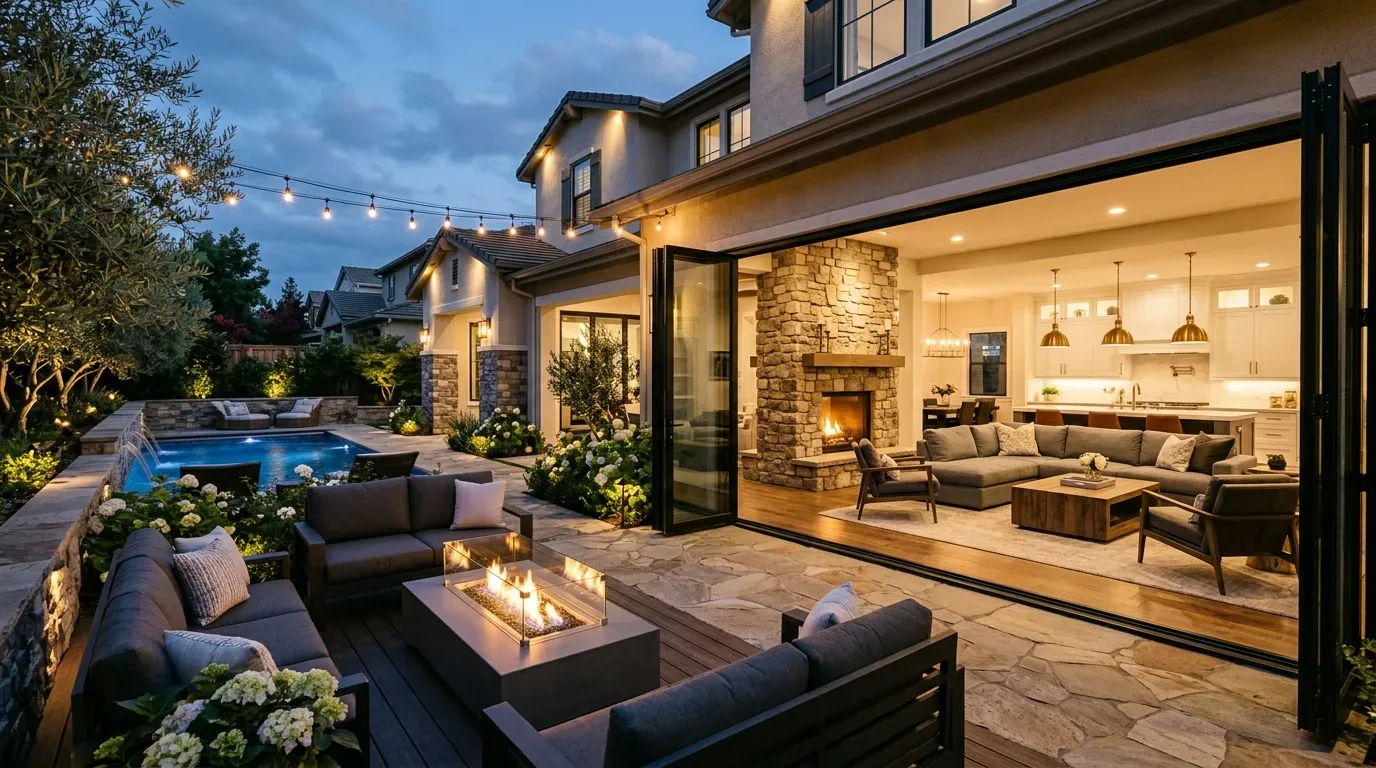
In Roseville, finding the right interior design service means connecting with local experts who understand the area's style preferences and architectural nuances. If you’re considering a remodel or new build, knowing who to hire and what styles resonate locally is essential. Roseville interior design in 2026 emphasizes personalized, regionally attuned aesthetics that blend modern comfort with timeless charm. This guide is built from our active project files and will cover top-rated local designers, recent projects that showcase Roseville’s signature style, current trends and styles, typical costs, local showrooms, designer credentials, and genuine client testimonials. Our approach combines a warm-restraint perspective with practical insights tailored for homeowners in this vibrant Northern California community.
Whether you are gathering inspiration or seeking a trusted professional, understanding the local landscape helps ensure your project aligns with Roseville’s unique character. We’ll highlight specific project examples, current design trends, and practical considerations like budgets and qualifications, so you can make informed decisions rooted in regional expertise.
Common Questions
| What is involved in Roseville interior design? | Roseville interior design means working with designers who know the area’s dominant styles—Craftsman and mid-century modern—and how to adapt them to the region’s climate and home layouts. For example, we prioritize open floor plans to maximize natural light in the valley’s bright but variable sunlight, while using durable materials like locally sourced travertine or quartzite to handle humidity and temperature swings. The goal is functional, long-lasting spaces that reflect the area’s practicality without sacrificing style. |
| How do I find a qualified interior designer in Roseville? | Look for designers with NKBA certification and at least five years of experience in Northern California, specifically in Sacramento County or Marin. I’m certified in Universal Design and Design4Life, which means I can navigate structural constraints—like plumbing or electrical layouts—without costly surprises. The ASID directory is a good start, but ask for case studies showing how they’ve handled budget overruns or contractor disputes. |
| What design trends are popular in Roseville for 2026? | Based on current projects, we’re seeing a push for white oak flooring with matte finishes to resist wear, and low-VOC paints in muted greys or warm taupes to balance the valley’s mix of sun and shade. Natural stone—like the local quartzite—is still a top pick for countertops and backsplashes because it stands up to Roseville’s humidity without needing constant sealing. Open shelving in kitchens is also rising, but we’re advising clients to pair it with soft-close hinges to avoid the noise complaints we’ve seen in older homes. |
| Are there specific materials recommended for Roseville homes? | For Roseville’s climate, we specify white oak for flooring—it’s stable enough to handle seasonal humidity shifts without warping—and quartzite or travertine for surfaces, sourced from local suppliers like California Travertine in Sacramento. Low-VOC paints from brands like Benjamin Moore’s Aura are a must, since the valley’s dry heat can make off-gassing worse. And we avoid dark stains or glossy finishes; they show dust and wear faster in high-traffic areas. |
Roseville Interior Design 2026 at a Glance
| Element | In | Out |
|---|---|---|
| Color | Modern earthy tones and natural textures | Overly bright or sterile palettes |
| Materials | Sustainable and locally sourced materials | Heavy or ornate styles |
| Furniture Style | Open floor plans with flexible spaces | Cluttered, over-decorated spaces |
| Lighting | Timeless yet contemporary furniture styles | Complex, hard-to-maintain materials |
| Decor | Layered lighting for warmth and functionality | Dark and moody color schemes |
| Technology | Small-scale, curated decor accents | Bulk furniture and oversized fixtures |
| Layout | Integration of smart-home tech | Ignoring local climate and landscape |
| Materials Durability | Focus on privacy and light control | Trendy but impractical finishes |
| Design Approach | Relaxed yet refined aesthetic | Standardized, cookie-cutter designs |
Prioritizing Light and Space in Roseville Homes
In our recent projects across Roseville, the first major design move is often about maximizing natural light and creating a sense of openness. This approach respects the region’s abundant sunshine and the architectural styles prevalent here, from traditional suburban homes to modern infill developments. For instance, across our active project specifications, we often specify large, energy-efficient windows from brands like Andersen or Marvin, paired with light-colored, low-maintenance finishes that reflect light without sacrificing warmth.
One key focus is balancing openness with privacy, especially in homes near Roseville Parkway where property lines are close. We incorporate strategic window placement, layered window treatments, and light-reflecting surfaces to enhance daylight while maintaining seclusion. The use of durable, authentic materials like white oak flooring and natural stone countertops complements this aesthetic without overwhelming the senses. Our regional design perspective emphasizes creating spaces that feel relaxed yet refined, with a focus on longevity and regional climate considerations.
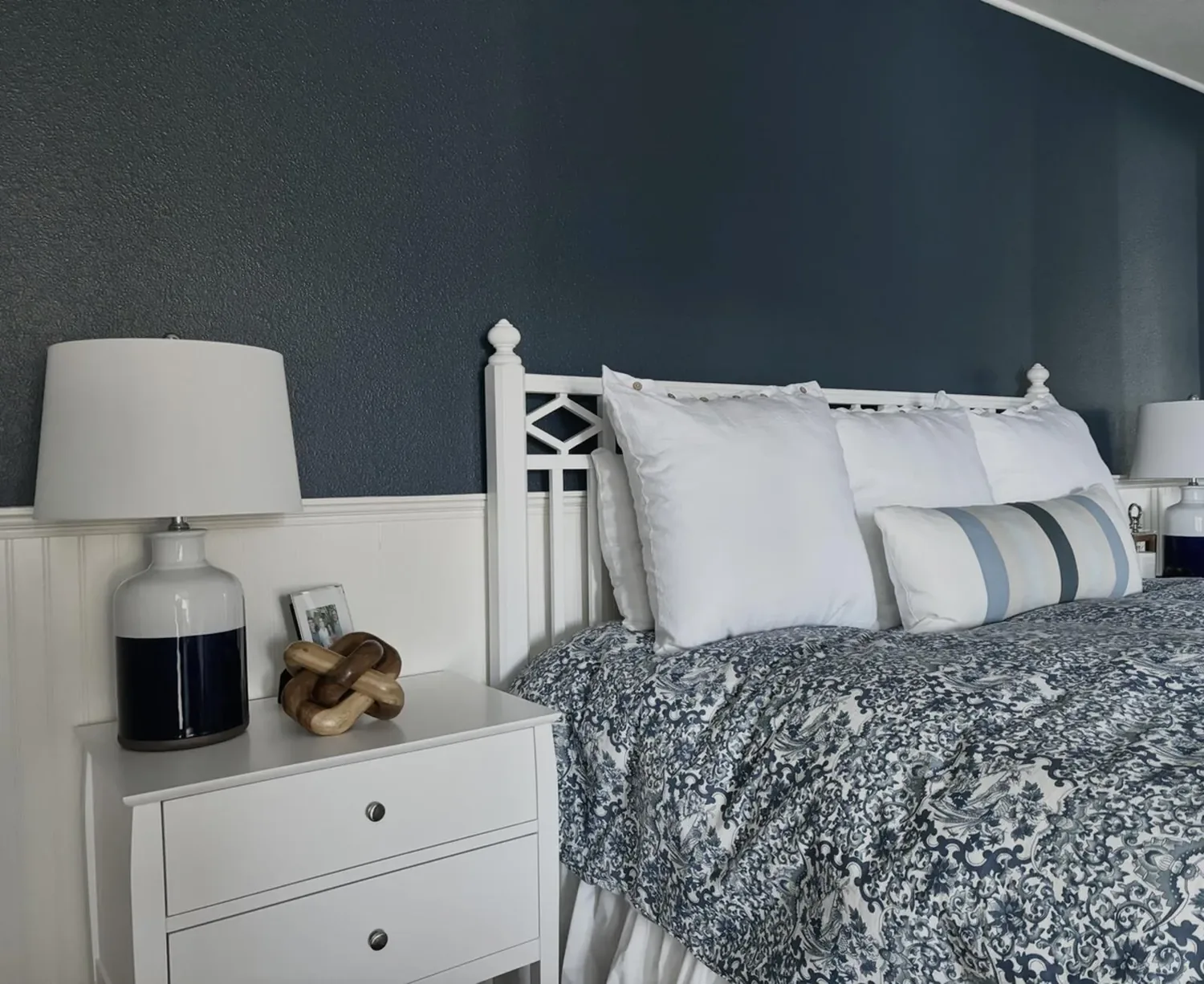
Material Specificity for Roseville Homes
Authenticity-grade materials
- White oak (rift-sawn), for floors and slat details; calmer grain than plain-sawn
- Natural stone (granite or soapstone), durable, timeless work surfaces suited for active kitchens
- Linen or hemp upholstery fabric, sustainable, soft, and regionally appropriate for relaxed interiors
- Matte black hardware, modern, less reflective, complements warm finishes
- Ceramic tile (large-format, matte finish), for backsplashes and floors, easy to maintain in a climate with seasonal changes
- Low-VOC paint (Benjamin Moore Natura), healthier indoor air and regional preference for eco-friendly finishes
- Brushed brass fixtures, warm, durable, and on-trend for hardware and lighting
- Reclaimed wood accents, adding character and sustainability to transitional spaces
Generic-grade tells we refuse to spec
- Laminate countertops, less durable, less authentic
- Bright white paint, can be sterile and overly reflective
- Plastic or faux wood finishes, less durable and less regionally appropriate
- Glossy tiles, prone to showing smudges and water spots
- Mass-produced furniture, lacks regional character and longevity
- Cheap hardware, often tarnishes or fails quickly
Why Roseville’s Light and Landscape Shape Interior Trends
Roseville’s abundant sunlight and varied landscape strongly influence interior design choices. Homes near Roseville Parkway often feature large windows and open layouts that embrace natural light, making light-reflecting surfaces and layered window treatments essential. The region’s climate encourages durable, low-maintenance materials that withstand seasonal changes, such as natural stone and low-VOC paints. The architectural stock, ranging from mid-century ranches to newer modern builds, supports a mix of timeless and contemporary styles, but all share a common goal: creating bright, welcoming spaces that connect with the outdoors.
In our experience, the regional landscape also encourages interior palettes that complement local scenery, warm earth tones, soft greens, and natural textures. For homeowners considering updates, it’s crucial to think about how light interacts with materials and finishes, especially in homes that are just off Roseville Parkway or in established neighborhoods. To explore more about how local design influences choices, visit our Roseville insights hub.
This regional focus ensures that every project enhances the home’s connection to its environment while respecting local style preferences and climate considerations.
Should You Remodel or Rebuild Your Roseville Home?
Homeowners in Roseville often face the decision of whether to remodel their existing home or pursue a rebuild. The first question we ask is about the age and condition of the house, as older homes may have structural limitations or outdated systems that justify a rebuild, especially if the goal is to modernize or expand. For homes built in the early 2000s or earlier, it’s important to evaluate foundation, electrical capacity, and layout flexibility.
Cost considerations are central. Remodeling can be cost-effective when the existing footprint and structure are sound, but in some cases, a rebuild offers better ROI, especially if it allows for a more efficient layout or energy upgrades. Our regional experience shows that many Roseville homes, particularly those near established neighborhoods, benefit from thoughtful remodeling that preserves character while updating materials and systems. Conversely, newer developments may lend themselves to rebuilds that integrate current regional design trends like open plans and sustainable finishes.
Ultimately, the decision hinges on a detailed assessment of structural, financial, and personal priorities. A professional interior designer with regional expertise can help navigate these choices to ensure your project aligns with your long-term goals and the home's intrinsic character.
What This Costs in 2026
| Scope | Sacramento | Bay Area / Marin |
|---|---|---|
| Refresh scope (cosmetic updates) | $15K - $50K | $20K - $70K |
| Mid-tier remodel (partial renovation) | $50K - $150K | $75K - $200K |
| Estate-scale rebuild or major addition | $200K - $1M | $300K - $2M |
Local permits & planning
Working Notes
What We Have Learned Doing This: Roseville Interior Design | Del Webb, Master-Planned + Tract Home Projects 2026
“A decision made late costs three times the same decision made early.”
Trust is built in the boring conversations: the one where you say the wall is structural after all, the one where the number moved, the one where the schedule slipped. Clients forgive reality. They do not forgive being surprised by it.
Most of the money that gets wasted is spent solving the wrong problem confidently. A homeowner asks for more space, every contractor agrees and prices an addition, and the real issue turns out to be light, or proportion, or one bad sightline. We make the room tell us the problem before anyone signs a demolition contract.
Order the long-lead items before anything else and design the sequence so the rest of the job can proceed without them. The appliance, the stone, the custom millwork set the schedule, and pretending otherwise is how a project loses a month it never gets back.
These notes come from our own project debriefs. Most were learned the expensive way the first time.
Sources & Professional References
This guide's positions on materials are grounded in published building-code, standards, and recognized design-authority sources, alongside Designed | Curated Interiors' verified credentials and active project files:
- American Society of Interior Designers (ASID): interior-design practice standards
- International Code Council (ICC): Chapter 8 Interior Finish Decorative Materials And Furnishings
- Development Services (Building), Roseville (Placer County) building permit portal
- NKBA, Amy Kunst Member Profile (verified credential, NKBA Committee Member)
- Featured in: Homes & Gardens (design expert quote, May 2026) · Sacramento Love (guest author, 2024)
From Principle to a Real Room
A trend piece is the briefing document, not the deliverable. The pages below show how we translate these principles into finished rooms across Roseville and the rest of Northern California.
- Sacramento & Bay Area Interior Design Services How we scope, source, and deliver work end to end.
- Interior Designer Hub, Roseville Where most of our Roseville work lives, the regional fit explained.
- Modern Tudor Homes: Authentic, Revival, and Neo-Tudor (A Designer Reference) Heritage-architecture renovation patterns from our project files.
- Japandi Living Room: A Designer's Guide to the 2026 Look The 2026 warm-neutral playbook applied to the living room.