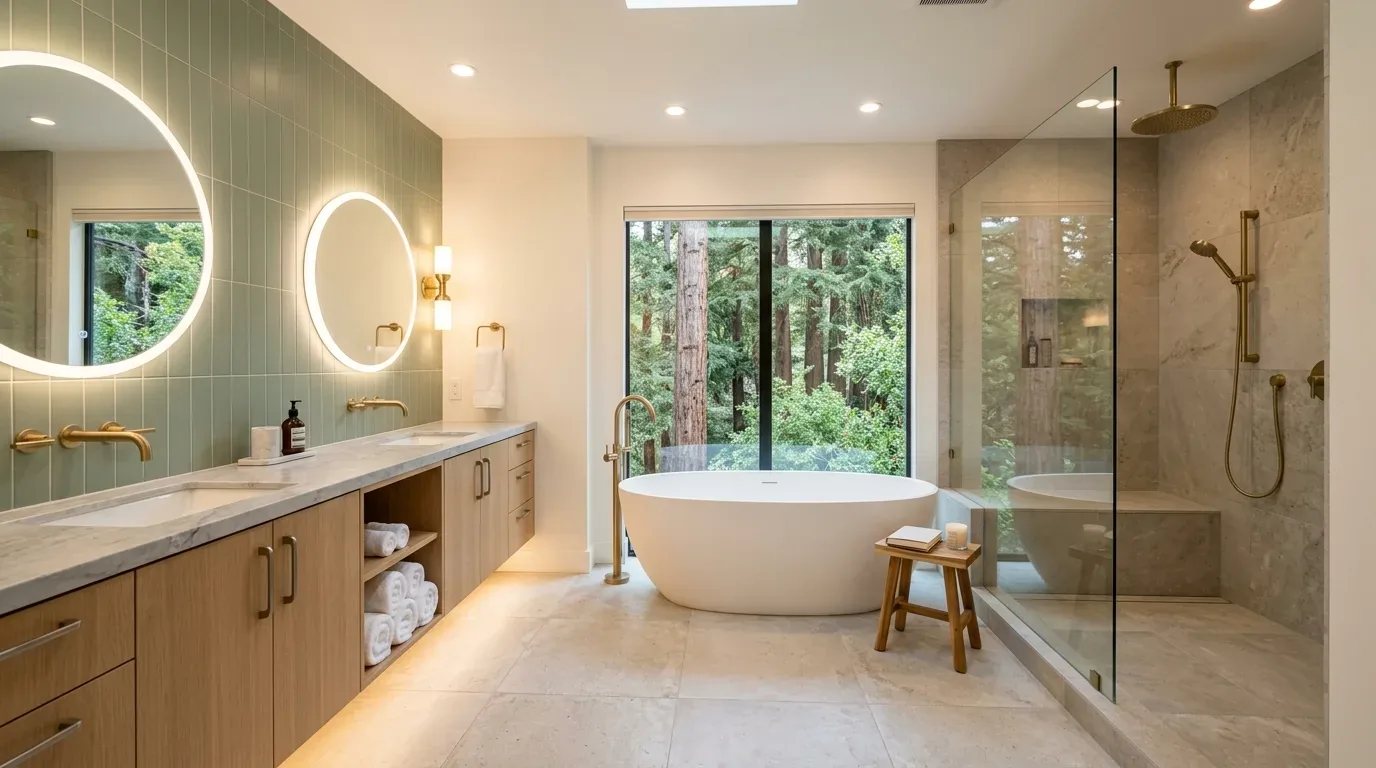
Achieving visual harmony and equilibrium in interior design means creating a space where all elements feel balanced and cohesive, making the room both inviting and functional. Balance is the cornerstone of timeless interior design, ensuring that no single element overwhelms the space while fostering a sense of calm and order. Built from our active project files, this guide explores how to use various types of balance, color, texture, scale, and lighting to craft interiors that feel both restful and vibrant. As a Sacramento-based studio, we emphasize a warm-restraint approach that respects regional architecture and landscape, helping clients achieve sophisticated harmony without sacrificing comfort or practicality.
Direct Answers (Balance In Interior Design)
| What does balance mean in interior design? | Balance in interior design refers to creating a harmonious arrangement of elements so that no single part overwhelms the space, fostering a sense of calm and order. |
| How can I achieve visual balance in my Sacramento home? | Use placement, scale, and proportion to distribute visual weight evenly, such as pairing a large sofa with smaller accent pieces. |
| Why is balance important in interior design? | Balance ensures that a space feels cohesive, inviting, and functional by preventing elements from overwhelming or underwhelming the room. |
| What regional factors influence balance in Sacramento interiors? | Sacramento's natural light, landscape, and architectural stock, such as low-pitched roofs and warm materials, influence how balance is approached to enhance regional authenticity. |
Balance In Interior Design 2026 at a Glance
| Element | In | Out |
|---|---|---|
| Harmony | Current focus on harmony and visual flow | Overly busy spaces |
| Symmetry | Emphasis on natural materials and textures | Excessive symmetry |
| Decor Clutter | Use of scale and proportion for calm | Cluttered decor |
| Contrast | Layered lighting for balance | Heavy contrasts |
| Scale | Integration of organic shapes | Poor scale choices |
| Lighting | Minimal clutter with curated decor | Ignoring lighting effects |
| Texture | Sustainable and authentic materials | Uneven texture distribution |
| Regional Context | Flexible layouts for adaptability | Ignoring regional architectural context |
| Proportion | Balanced color palettes | Ignoring the importance of proportion |
First Major Design Move: Mastering Visual Balance
In our active projects across Sacramento, a common challenge is achieving visual harmony without falling into rigid symmetry or chaotic asymmetry. The first step is understanding how to balance elements through placement, scale, and proportion. For example, pairing a large, textured sofa with smaller accent pieces creates a sense of equilibrium that feels natural. We often specify finishes like matte brass fixtures and soft linen upholstery because their textures add subtle weight and visual interest without overwhelming the senses.
One of our key moves is employing the principle of visual weight, balancing heavier, darker, or more textured items with lighter, softer, or more transparent elements. This is where the American Society of Interior Designers’ guidance on layering textures and materials proves invaluable. Achieving harmony in a room involves not just distributing objects evenly but also considering their visual impact, scale, and relationship to the overall space. When executed thoughtfully, this creates a room that feels calm, inviting, and effortlessly well-composed.
Material Specificity for Achieving Balance
Authenticity-grade materials
- White oak (rift-sawn), for floors and slat detail; calmer grain than plain-sawn
- Linen fabric, for upholstery and window treatments; soft, natural, and versatile
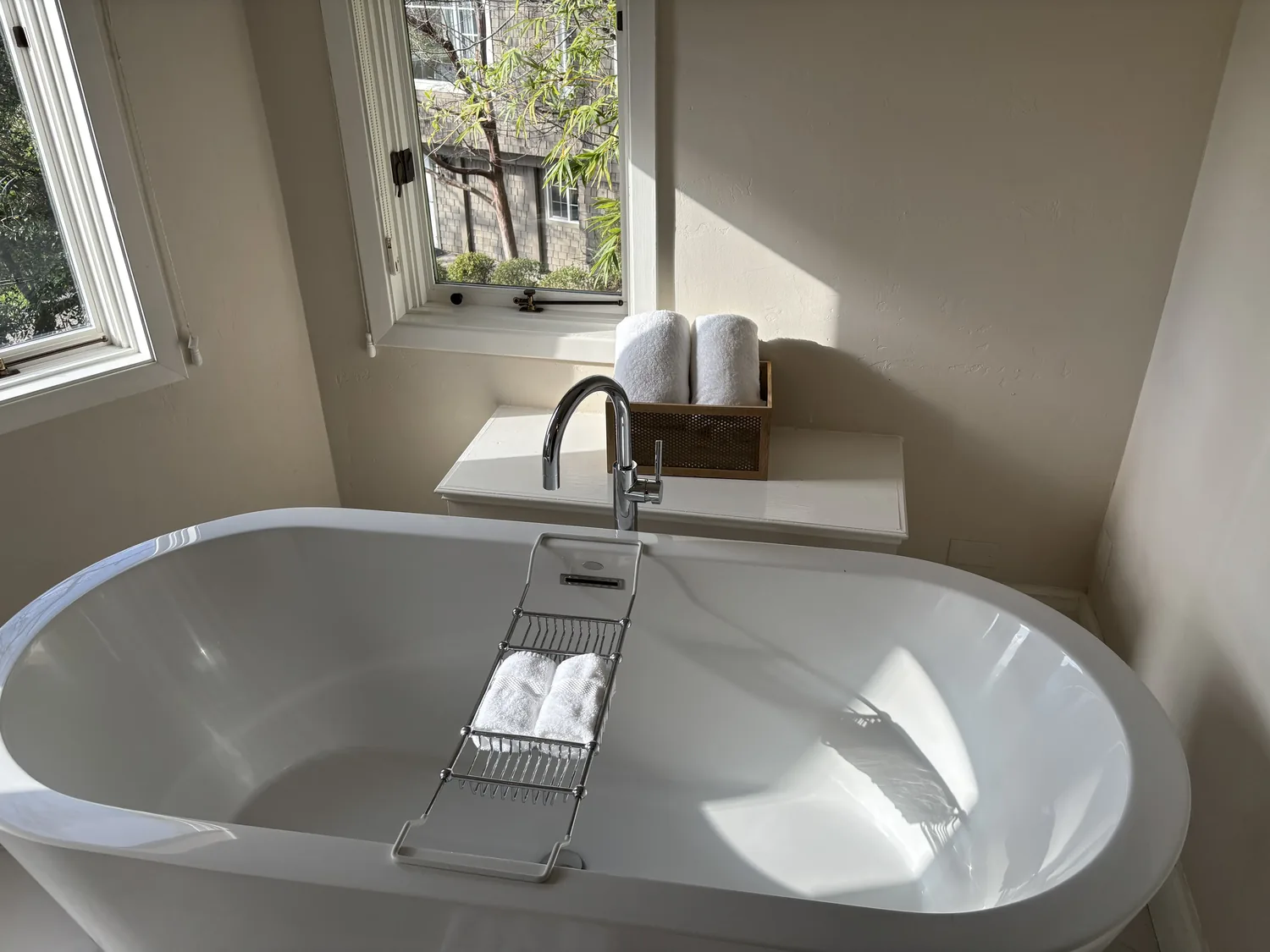
- Matte brass fixtures, for hardware and lighting; warm tone adds subtle weight
- Calacatta marble, for countertops and accents; elegant and timeless
- Textured plaster, for walls; adds depth without visual clutter
- Wool rugs, for grounding spaces; natural fiber with soft visual weight
- Reclaimed wood, for furniture and accents; authentic and sustainable
- Soft matte paint, for walls; reduces glare and creates a cohesive backdrop
Generic-grade tells we refuse to spec
- Plastic or synthetic finishes, often look cheap and lack authenticity
- Glossy paint, can create harsh contrasts and disrupt balance
- Overly busy patterns, distract from harmony and create visual chaos
- Too many shiny surfaces, can cause reflections that unbalance a room
- Mass-produced furniture, lacks character and can feel impersonal
- Bright neon colors, disrupt the calm and natural flow
How to Achieve Perfect Balance with Furniture and Decor
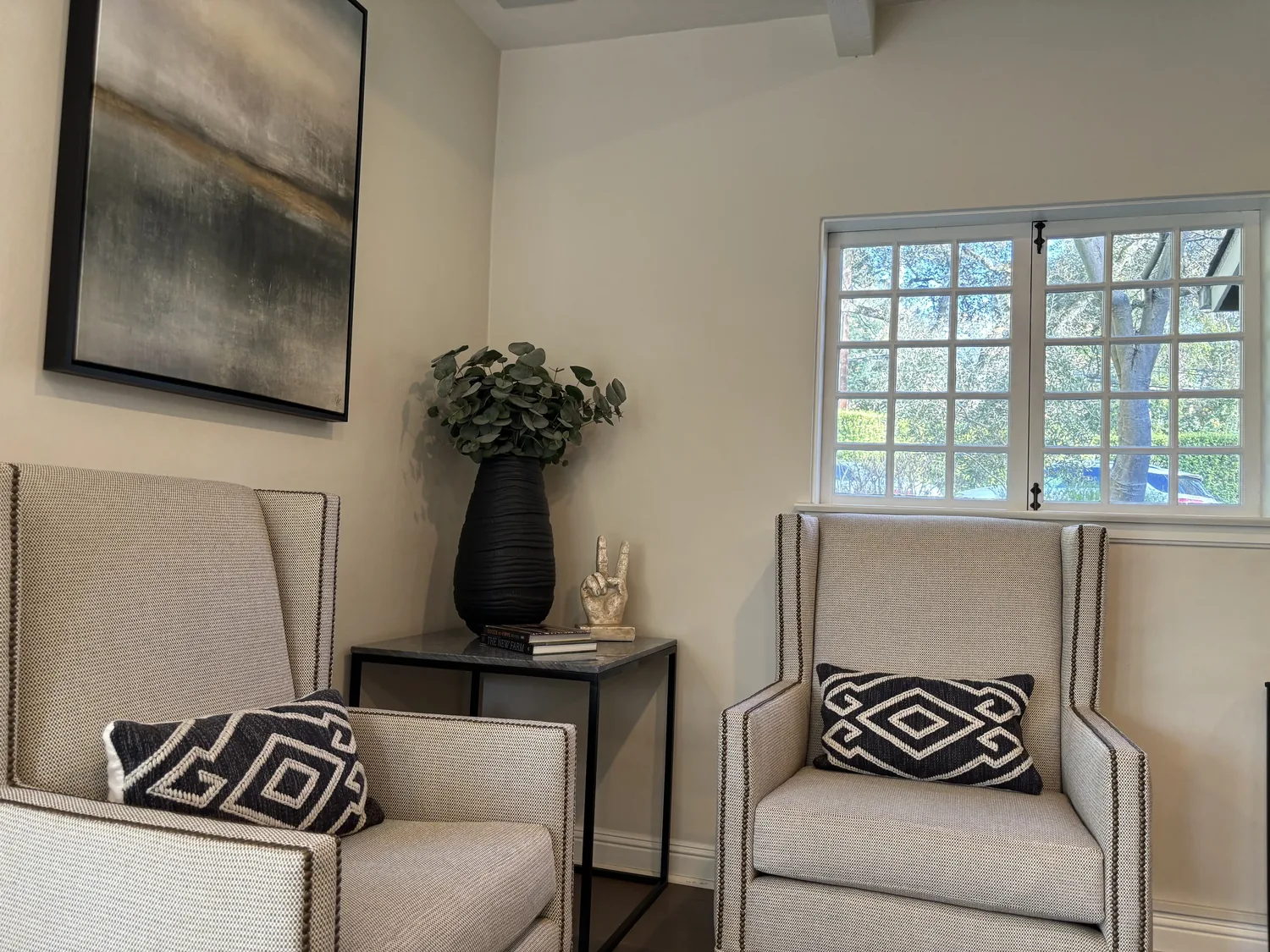
Homeowners often wonder how to balance furniture and decor to create a cohesive interior that feels harmonious. The first question we ask is: what is the main focal point, and how do other elements support it? Across our active project specifications, we emphasize establishing visual weight through scale and placement. For example, a large sectional sofa paired with smaller side tables and art creates equilibrium. The key is to avoid overloading one side of the room while leaving the other sparse.
In Sacramento's homes, balanced furniture arrangements often incorporate layered textures and natural finishes, think linen upholstery, matte metals, and reclaimed wood. We advise clients to consider how color, texture, and scale interact, ensuring that each piece contributes to the room’s overall rhythm. Using a simple grid or rule of thirds can help in planning layouts that feel natural and well-proportioned. When done correctly, balanced furniture and decor guide the eye smoothly through the space, making it both functional and restful.
Choosing the Right Lighting for Visual Equilibrium
Lighting plays a crucial role in creating balance by highlighting focal points and softening shadows that can disrupt harmony. The first decision homeowners face is whether to prioritize ambient, task, or accent lighting, depending on the room’s use. We recommend layering lighting with fixtures such as recessed cans, table lamps, and sculptural pendants to achieve a balanced glow. In Sacramento homes, incorporating natural light through well-placed windows and skylights enhances the sense of harmony and openness.
The American Society of Interior Designers emphasizes that lighting should be proportional to the space’s size and function. For example, a large living room benefits from statement chandeliers balanced with subtle wall sconces or floor lamps. Proper lighting accentuates textures and colors, bringing a room's design elements into harmony. When executed thoughtfully, lighting can elevate the room’s mood and reinforce the overall balance.
Common Mistakes to Avoid When Creating Balance
Many clients fall into the trap of overusing symmetry, which can make a space feel stiff and predictable. The biggest waste is relying solely on mirror-image arrangements, which often lack visual interest. The biggest regret is ignoring scale, placing oversized furniture in a small room or vice versa, which throws off the sense of harmony. A hidden cost is using mismatched textures that clash rather than complement each other, disrupting the room's flow.
To avoid these pitfalls, focus on layering different textures, balancing light and dark, and paying attention to proportions. Remember that balance does not mean uniformity but a thoughtful distribution of visual weight and rhythm. When you master these principles, your interiors will feel timeless and inviting, perfectly suited to Sacramento’s regional style and landscape.
What's Going Out for 2026
- Rigid symmetry that feels unnatural
- Cluttered surfaces disrupting flow
- Overly contrasting colors causing discord
- Heavy, dark furniture in small rooms
- Ignoring scale and proportion
- Flat lighting that flattens textures
- Ignoring regional architectural cues
- Too much shiny or reflective surfaces
What Balance In Interior Design Costs in 2026
| Scope | Typical range |
|---|---|
| Basic refresh with curated decor | $8K-$20K |
| Mid-tier renovation with new furniture and lighting | $20K-$70K |
| Full redesign with custom furniture and integrated lighting | $70K-$250K |
Working Notes
What We Have Learned Doing This: The 7 Principles of Interior Design: Balance
“A finish you cannot maintain is a finish you cannot afford.”
Specify for the next ten years, not the next photo shoot. The work that holds its value is quiet, well made, and a little bit boring on the day it is installed.
A renovation is a dependency chain, not a list of tasks. A two-day cabinet delay quietly becomes a two-week slip by week sixteen because every trade downstream is holding a calendar. The least glamorous part of this work, and the most valuable, is keeping that chain from cascading.
The cheapest tool on any project is a sample board and an afternoon. We have watched five-figure mistakes get caught by a fifteen-dollar paint sample lived with for a week in the actual light of the actual room. Decisions made under showroom lighting do not survive contact with a real house.
These notes come from our own the 7 principles of interior design: balance project debriefs. Most were learned the expensive way the first time.
Sources & Professional References
This guide's positions on structure are grounded in published building-code, standards, and recognized design-authority sources, alongside Designed | Curated Interiors' verified credentials and active project files:
- International Code Council (ICC): Chapter 23 Wood
- International Code Council (ICC): Chapter 93 Mandatory Earthquake Hazard Reduction In Existing Woo
- NKBA, Amy Kunst Member Profile (verified credential, NKBA Committee Member)
- Featured in: Homes & Gardens (design expert quote, May 2026) · Sacramento Love (guest author, 2024)
Frequently Asked
What does balance mean in interior design?
How can I achieve visual balance in my Sacramento home?
Why is balance important in interior design?
What regional factors influence balance in Sacramento interiors?
Are there specific materials that help create balance in Sacramento interiors?
When should I consider hiring an interior designer for balance?
What common mistakes should I avoid when trying to balance a room?
From Balance In Interior Design to a Real Room
A trend piece is the briefing document, not the deliverable. The pages below show how we translate these principles into finished rooms across Sacramento and the rest of Northern California.
- Sacramento & Bay Area Interior Design Services How we scope, source, and deliver work end to end.
- Interior Designer Hub, Sacramento Where most of our Sacramento work lives, the regional fit explained.
- Modern Tudor Homes: Authentic, Revival, and Neo-Tudor (A Designer Reference) Heritage-architecture renovation patterns from our project files.
- Japandi Living Room: A Designer's Guide to the 2026 Look The 2026 warm-neutral playbook applied to the living room.
Part of our design fundamentals series. Balance is one of the core principles of interior design. See the complete guide to the principles of interior design, and how the elements of interior design put them to work together.