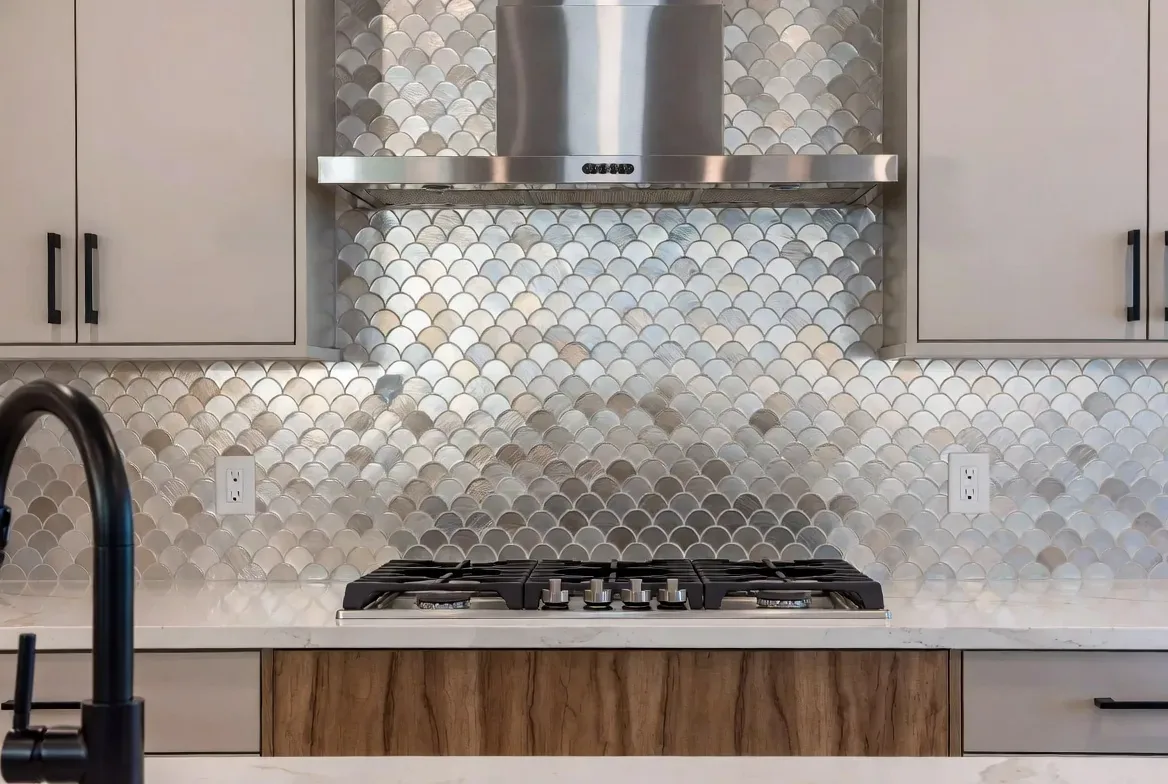
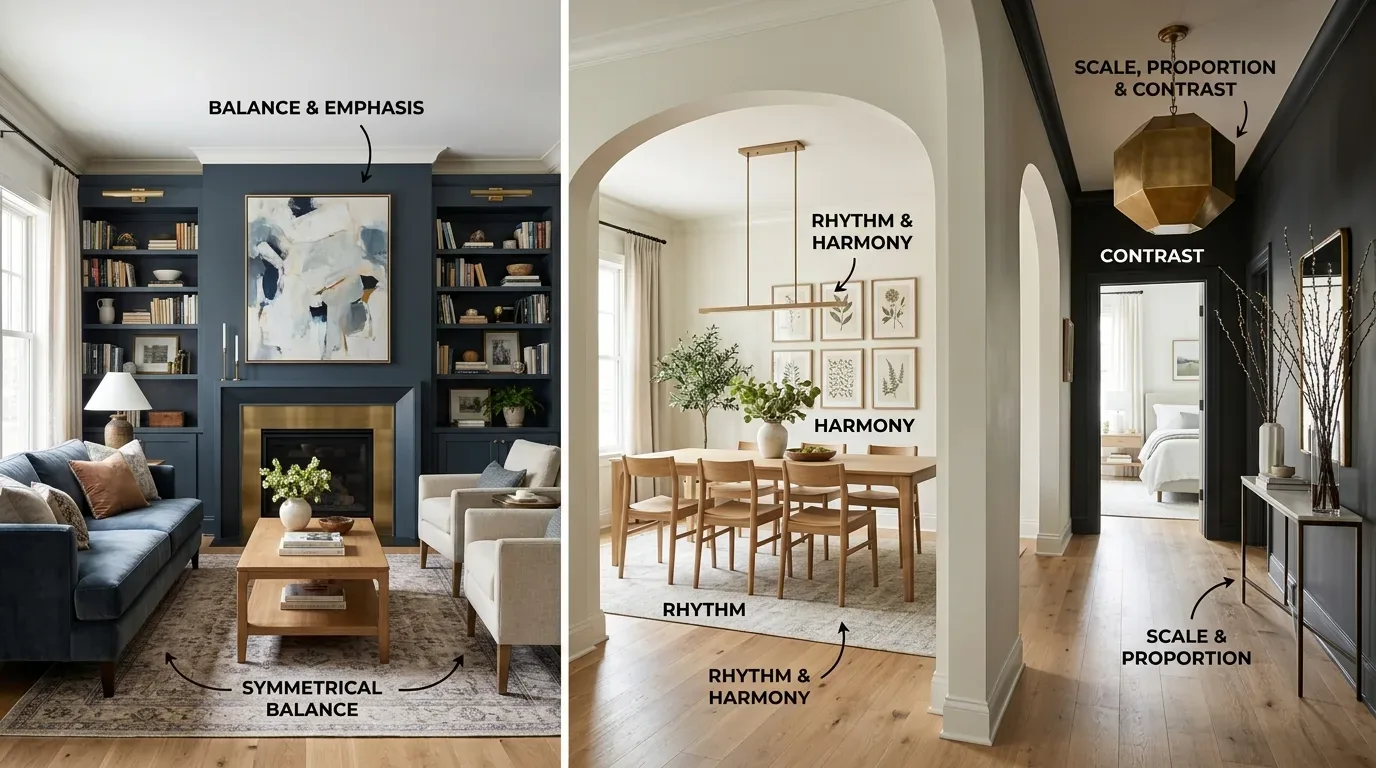
Figuring out scale in design makes or breaks a room. It's the secret to spaces that work and look good. A room just works when furniture fits its size. It feels balanced and usable. Scale determines the weight, presence, and proportion of each element relative to the overall space. Size mismatch makes a space awkward. Too big or too small? It wrecks balance.
Let's explore scale in local homes. Expect real tips and local tricks. We’ll cover defining scale versus proportion, choosing the right-sized furniture and decor, common pitfalls, and strategies for mixing different scales to achieve timeless yet contemporary results. Our perspective emphasizes warm restraint and thoughtful design, ensuring your interiors feel curated yet effortless in their balance.
Direct Answers (Scale In Interior Design)
| What does scale mean in interior design? | Scale deals with how elements fit space. Good scale means harmony. |
| How does scale affect the overall look of a room? | Scale done right, furniture fits the room. Get it wrong, and the space feels off. |
| What are some tips for choosing appropriately scaled furniture in Sacramento homes? | A laser level helps you get the room right. Think about ceiling height too. |
| Why is understanding scale important for older Sacramento homes? | Old houses with high ceilings need thoughtful furniture choices. Bigger pieces work better here. |
Achieving Balanced Scale in Your Northern California Home
When you're looking at 'scale in interior design,' what you really want is a clear, actionable way to make your space feel both comfortable and stylish. Balancing furniture size with room size can be tricky. You don’t want stuff to feel stuffed, or lost.
Start by measuring the longest wall in feet. This sets the scale. Take that number, divide by 12. That's the biggest item size. 24-foot room? Your sofa should hit around 6 feet in length. Side tables, lamps, fill gaps. But don’t clutter.
- You need pieces that match the room. Keep it cohesive.
- Big furniture in small rooms is bad news. It’s going to feel tight.
- Add tall elements if furniture hugs the ground. Imagine tall bookcases or those high-back chairs.
- Pair a large sofa with a few small decorative pieces. It adds interest, without chaos.
- Look at how light lands on furniture. It changes a room's feel and flow.
From Amy Kunst's NorCal projects. In Davis (95618), I've seen lots of living rooms cramped by oversized sofas. Consider a sectional sofa at 7 feet. Side tables might be $300 each. Budget $120 to $240 for lamp install. This approach not only improved the room's aesthetics but also aligned with NKBA guidelines on creating functional living spaces.
Measure your rooms precisely. Start thinking about how to fit larger furniture with smaller pieces. Proportion matters. Nail this, and rooms feel just right.
Mastering the First Move: Defining and Applying Scale
In interior design, the concept of scale refers to the size of individual elements in relation to the space they occupy. Got a small room? Pick furniture that fits. A 10-foot sofa in a small Sacramento dining room? It would overwhelm the space completely. A smaller sofa works much better, keeping everything balanced. We choose pieces that fit not just the room's size but also details like ceiling height.
Proportion's about how parts relate to each other. Scale deals with the whole object size. An oversized chandelier in a small room? It overwhelms. A pendant at the right height? Perfect balance. Furniture with clean lines works well in Sacramento’s older homes. Traditional layouts need balance. The aim is harmony. This means visual and functional balance, for a primary bedroom or an open kitchen.
Material Specificity in Scale: Authenticity and Choice
Authenticity-grade materials
- White oak (rift-sawn), for floors and slat detail; calmer grain than plain-sawn
- Calacatta marble, for countertops, adds elegance without heaviness
- Brass fixtures, warm, reflective finish that balances scale visually
- Textured linen, for upholstery, adds tactile softness at a human scale
- Matte black hardware, provides contrast and visual weight where needed
- Reclaimed wood, sustainable and aged, adds authenticity
- Soft wool rugs, grounding large open spaces with warmth
- Glass accents, light, transparent, and visually lightening larger pieces
Generic-grade tells we refuse to spec
- Veneer over MDF, often used for budget cabinetry, less authentic
- Synthetic marble, less durable and less authentic than natural stone
- Chrome fixtures, cold, less warm than brass or matte finishes
- Polyester upholstery, prone to wear and less authentic
- Laminates, often cheaper and less textured than natural materials
- Mass-produced decorative accessories, lack of authenticity and uniqueness
Should You Choose Custom or Stock Furniture for Your Sacramento Home?
People always wonder: custom pieces or the convenience of ready-made? The first question we ask is: what is your budget, and how flexible is your timeline? Custom fits older Sacramento homes. Rooms here have quirky dimensions. Custom costs more. Also, it takes longer.
From local showrooms, stock furniture often works. Just choose wisely. Measure with care. Size matters! Use a tape, not hope, and pick furniture that adjusts to the room. A modular sofa reconfigures to fit. It balances cost and precision. Ceiling height and light alter how furniture fits. Scale isn't just size.
Pinpoint what truly matters for you. A custom piece can match historic charm. It's an investment worth considering. Smart stock choices save money while looking good. The American Society of Interior Designers emphasizes that thoughtful selection and measurement are the foundational steps to successful scale in any Sacramento interior.
What Are Common Mistakes That Make a Room Feel Off-Balance?
Furniture size often goes wrong. Awkward room or cramped? That's a size mismatch for sure. Tiny tables in big rooms vanish. Big sofas in small dens block flow and crush proportion. Ignoring ceiling and window details? That misguides your choices.
Chasing trends? They don't fit the room's real size. A big pendant light can overwhelm a low ceiling. This throws off the whole room feel. Measure first. Natural light matters too. Use lighter accents with big pieces. Scale in Sacramento's older homes affects comfort and value, especially with common mistakes.
Notice details to avoid heavy or flimsy rooms. You want the scale spot on.
How Do I Mix Different Scales to Keep a Room Visually Engaging?
Balance different sizes. Large pieces shouldn’t fight with smaller ones. The first question homeowners often ask is: how can I combine a statement piece with more subtle decor? Start big. A large sofa or expansive table sets the tone. Put smaller things, like side tables or lamps, around it for interest.
We like using both old and new elements of various sizes in Sacramento homes. Pair a big rug with small accents. It adds richness without mess. Stick to one style. Let pieces show their uniqueness. The American Society of Interior Designers highlights that thoughtful layering and proportional variation are essential to avoiding monotony and creating dynamic interiors.
Matching colors and materials help unify. Every piece works together. Vibe is key, not just size.
Observed Failure Modes, How Scale In Interior Design Goes Wrong
From our project debriefs and post-occupancy reviews, 2023-2026.
Overwhelming or Underwhelming Furniture
Choosing furniture that is too large or too small for the space is a common mistake that disrupts harmony. Big furniture blocks flow. Small pieces? They might leave the room feeling empty. Measure everything. Photos help too. Both keep scale in check. In the Harbor View Project, a misjudged kitchen island nearly doubled the budget because everyone assumed a larger fixture was better. A simple mockup and careful measurement revealed that a slightly smaller island, paired with a layout tweak, would work perfectly. Demolition in old Sacramento homes? Surprises pop up. Plans miss lots. Get scale right. Don’t let furniture dictate your space.
Ignoring Architectural Context
Failing to consider ceiling heights, window sizes, or existing architectural details can lead to scale mismatches. A low pendant with 10-foot ceilings? Feels awkward. Huge chandelier in a small room? Overwhelms. The American Society of Interior Designers emphasizes tailoring scale to architectural features for balanced interiors. Measure room proportions first. Always check before buying furniture. In older Sacramento homes, keep charm by making smart choices upfront. Understanding a building’s architecture helps create a timeless look.
Overusing Trends Without Context
Following trends blindly, such as oversized art or tiny accent tables, can create visual discord. Trends should fit the room, not take over. The first question we ask clients is how the piece relates to the overall space and function. A giant mirror in a tiny entryway? Overwhelming. Smaller works better. Harvard says interiors feel valuable when they fit the building's real structure. Measure. Check how pieces fit. Avoid cramming.
Poor Layering and Mixing of Scales
Failing to layer different scales thoughtfully can lead to monotony or chaos. Big pieces everywhere make a room feel too heavy. Too many small items just clutter things up. Mix different sizes and textures. It helps the flow. Vintage and modern together work well in Sacramento spaces. Balance the proportions. Stick to one color scheme, use matching materials.
What's Going Out for 2026
- Overly large or small furniture pieces
- Ignoring ceiling heights and architectural details
- Relying solely on trends without context
- Cluttering with too many small accessories
- Using mismatched or incompatible styles at different scales
- Neglecting lighting that complements scale
- Overloading a room with heavy fixtures
- Forgetting to measure and plan before purchasing
- Avoiding the regional architectural context
- Mixing too many different styles without cohesion
What Scale In Interior Design Costs in 2026
| Scope | Typical range |
|---|---|
| Refresh scope with standard furniture and decor | $20K-$50K |
| Mid-tier renovation with custom furniture and finishes | $70K-$200K |
| Estate-scale project with extensive custom millwork | $200K-$750K |
Working Notes
What We Have Learned Doing This: The 7 Principles of Interior Design: Scale
“Site conditions vote last, and they always vote.”
Old houses lie, and so do new ones. Even a ten-year-old house lies the moment you assume the framing sits where the plans say. Old plans, previous work, and 'it should be fine' don't cut it for us. Add 15-20% to your budget for wall surprises.
Trust grows in dull talks: walls that hold weight, changing numbers, shifting deadlines. Clients forgive reality. They do not forgive being surprised by it.
A renovation is a dependency chain, not a list of tasks. A two-day cabinet delay quietly becomes a two-week slip by week sixteen because every trade downstream is holding a calendar. The least glamorous part of this work, and the most valuable, is keeping that chain from cascading.
These notes come from our own the 7 principles of interior design: scale project debriefs. Most were learned the expensive way the first time.
Sources & Professional References
This guide's positions on materials are grounded in published building-code, standards, and recognized design-authority sources, alongside Designed | Curated Interiors' verified credentials and active project files:
- American Society of Interior Designers (ASID): interior-design practice standards
- International Code Council (ICC): Chapter 8 Interior Finish Decorative Materials And Furnishings
- NKBA, Amy Kunst Member Profile (verified credential, NKBA Committee Member)
- Featured in: Homes & Gardens (design expert quote, May 2026) · Sacramento Love (guest author, 2024)
Frequently Asked
What does scale mean in interior design?
How does scale affect the overall look of a room?
What are some tips for choosing appropriately scaled furniture in Sacramento homes?
Why is understanding scale important for older Sacramento homes?
Can custom furniture help with scale issues in interior design?
From Scale In Interior Design to a Real Room
A trend piece is the briefing document, not the deliverable. The pages below show how we translate these principles into finished rooms across Sacramento and the rest of Northern California.
- Sacramento & Bay Area Interior Design Services How we scope, source, and deliver work end to end.
- Interior Designer Hub, Sacramento Where most of our Sacramento work lives, the regional fit explained.
- Modern Tudor Homes: Authentic, Revival, and Neo-Tudor (A Designer Reference) Heritage-architecture renovation patterns from our project files.
- Japandi Living Room: A Designer's Guide to the 2026 Look The 2026 warm-neutral playbook applied to the living room.
Part of our design fundamentals series. Scale is one of the core principles of interior design. See the complete guide to the principles of interior design, and how the elements of interior design put them to work together.