Proportion in design means making sure everything in a room fits well together. It's about balance.
Never ignore proportion. Without it, a room can't look right.
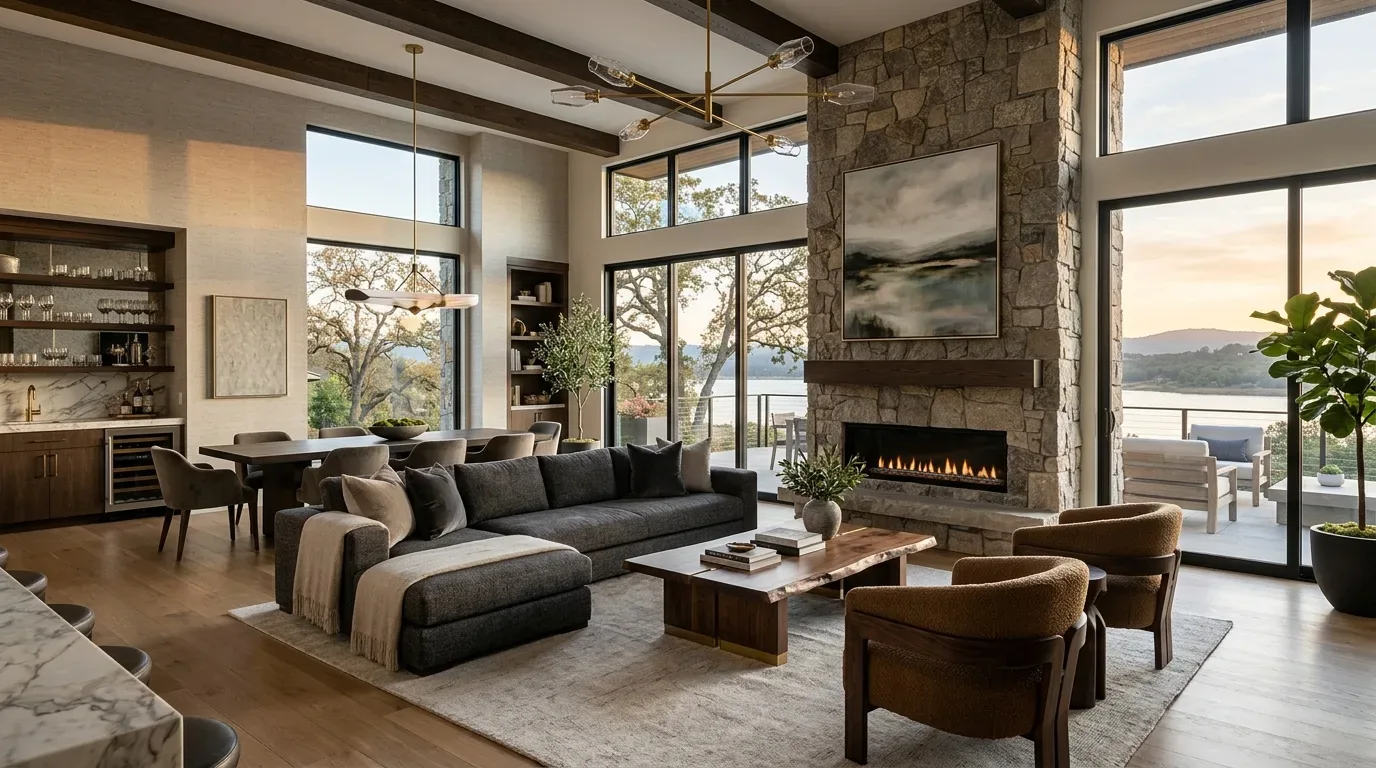
I'm looking at our projects, discussing how proportion makes a room feel good. We will cover foundational definitions, practical application strategies, common pitfalls, and how regional Sacramento design influences these choices, all from a warm-restraint, designer perspective that emphasizes thoughtful restraint and subtle elegance.
Common Questions
| What is the importance of proportion in interior design? | Proportion ensures furniture and decor work together to create a balanced, intentional space—critical for both aesthetics and function. In Sacramento’s homes, where ceiling heights and room layouts vary widely (from 8-foot ceilings in Craftsman bungalows to 10-foot vaulted spaces in modern builds), getting proportions wrong can make a room feel cramped or disjointed. The NKBA’s guidelines on furniture-to-space ratios emphasize that even small miscalculations—like a 36-inch sofa in a 10x12-foot living room—disrupt flow and visual harmony. |
| How can I determine the right proportion for furniture in your Sacramento home? | Measure every wall, doorway, and fixed element first—note ceiling heights (common here: 8’, 9’, or vaulted), window widths, and structural columns in historic homes. For seating, aim for a 24-inch clearance between furniture edges and walls (standard for walkways) and leave 30% of the floor area open to avoid visual clutter; in a 12x14-foot room, that’s roughly 50 square feet of negative space. Use a laser measure for accuracy, especially in older homes where drywall may not align with studs, and sketch a scaled floor plan before buying anything. |
| What regional factors in Sacramento influence proportion choices? | Sacramento’s historic core features 1920s–50s homes with 8-foot ceilings and narrow floor plans (e.g., 10x12-foot living rooms), while newer developments in North Sacramento or Elk Grove often have 10-foot ceilings and open layouts. Mid-century modern homes here prioritize low-profile furniture (e.g., Eames-style chairs) to avoid overwhelming the space, while Victorian homes demand taller case goods to match 9-foot ceilings. Natural light also skews proportions: south-facing rooms with large windows (like those in East Sacramento’s bungalows) can handle darker, larger-scale pieces, while north-facing rooms need lighter, more modular furniture to prevent visual heaviness. |
| Why is understanding the difference between proportion and scale important? | Proportion is the relationship between parts of a room—like how a 42-inch-wide console table should sit 18–24 inches from a 60-inch sofa to create visual rhythm. Scale, however, is about absolute size: a 36-inch bar cart in a 10x10-foot kitchen feels right, but the same cart in a 14x16-foot great room looks lost. In a recent Marin County project, we replaced a 7-foot-long island (chosen by the contractor) with a 5-foot version to match the 9-foot ceiling and 12-foot wall length, which resolved the ‘overwhelming’ look the clients described. Ignore this distinction, and you’ll end up with furniture that either floats or dominates the space. |
Proportion In Interior Design 2026 at a Glance
| Element | In | Out |
|---|---|---|
| Balance | Current focus on balanced spaces | Overly cluttered rooms |
| Scale | Minimalist yet warm interiors | Ignoring scale and balance |
| Harmony | Use of classic proportion principles | Ignoring proportion principles |
| Simplicity | Avoiding cluttered designs | Excessive ornamentation |
| Light | Emphasis on natural light and scale | Ignoring natural light |
| Materials | Integration of timeless materials | Using mismatched materials |
| Flow | Focused on harmony and flow | Poor furniture arrangement |
| Symmetry | Smart use of space and furniture | Overly symmetrical or asymmetrical imbalance |
The Power of Proportion in Creating Harmonious Interiors
Proportion in interior design refers to the relationship between different elements in a space, how furniture, fixtures, and architectural features relate to each other in size and visual weight. Balance shouldn't seem forced. A big sofa shrinks a room. A tiny one disappears in it.
Across our active project specifications, we see that understanding the difference between proportion and scale is critical. The American Society of Interior Designers emphasizes that proportion involves the relationship between parts of a whole, while scale refers to the size of an object relative to the room or human figures. A 96-inch sofa works if it fits. Pair it with complementary tables and art. It's too big for a small bedroom. Avoid it there. Pick pieces that agree with the room's lines and features.
Material Specificity in Achieving Proportion
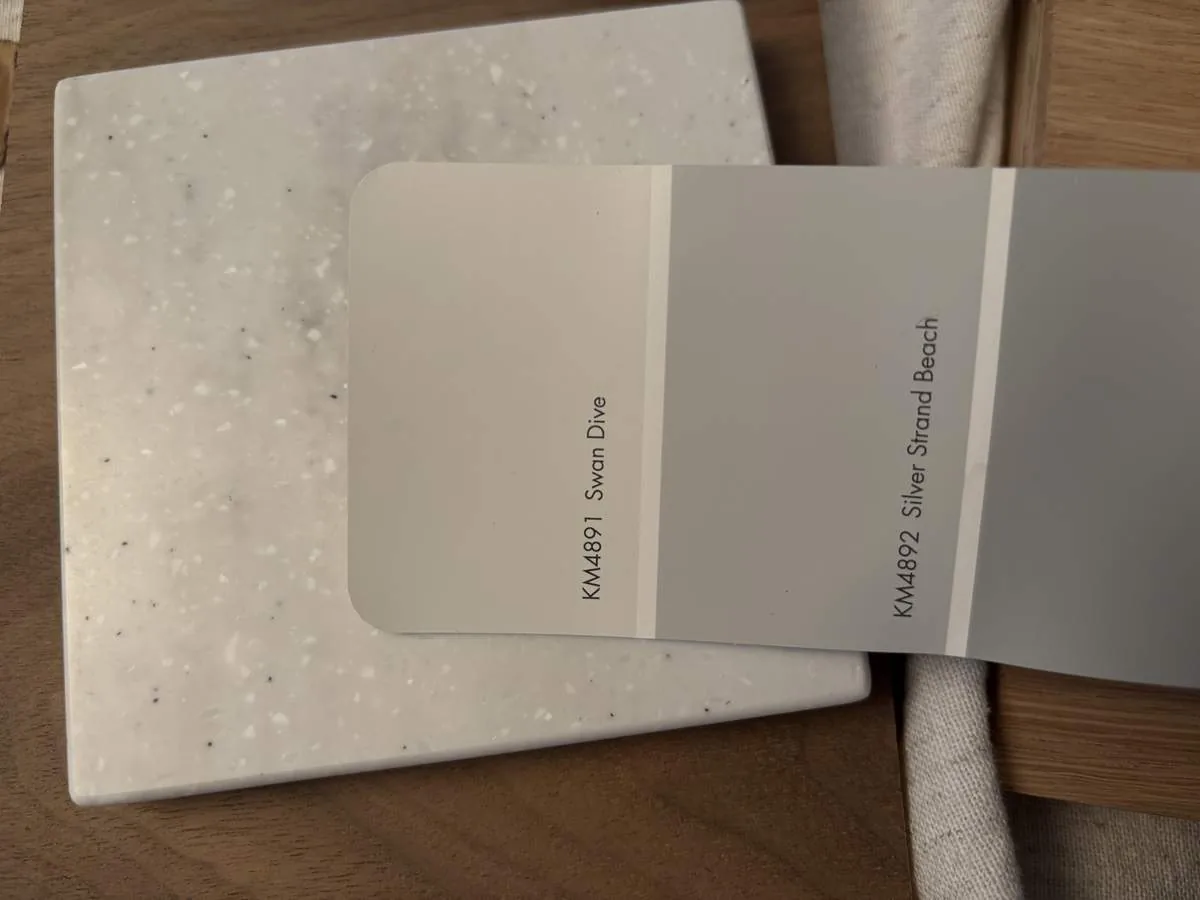
Authenticity-grade materials
- White oak (rift-sawn), for floors and slat detail; calmer grain than plain-sawn
- Limestone, for fireplace surrounds, offering subtle texture and timeless appeal
- Brushed brass, for fixtures and hardware, adding warmth without overpowering
- Matte porcelain, for tiles, creating a sleek, understated look
- Natural linen, for window treatments, providing soft, proportional softness
- Walnut veneer, for cabinetry, offering richness with understated grain
- Soft wool, for area rugs, grounding the space with understated texture
- Matte black metal, for accent details, creating visual contrast
Generic-grade tells we refuse to spec
- Standard laminate, often too uniform and cheap-looking
- Glossy porcelain, can feel cold and reflect too much light
- Bright chrome, may clash with warm interior tones
- Synthetic fabrics, lack authenticity and aging gracefully
- Veneer over particleboard, less durable and less authentic
- Mass-produced hardware, often lacks subtle detail
- Low-quality paint, can chip and look cheap over time
How to Use Proportion to Decide on Furniture and Decor Sizes
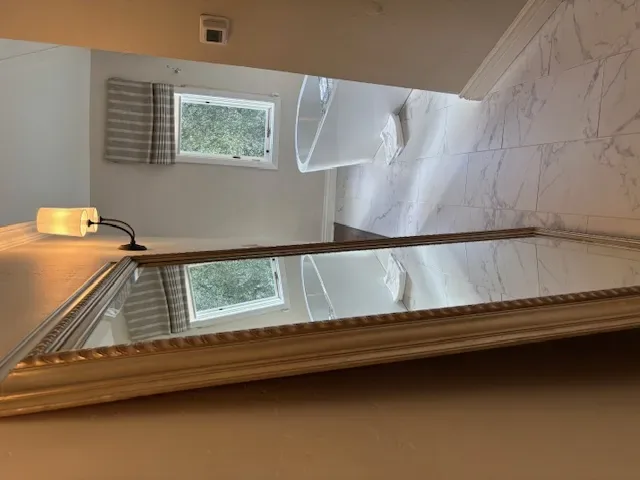
The homeowner’s real question is how to choose furniture that fits well without overwhelming the space. We start by asking what the room's for. How much space do we have? In a 15x20-foot Sacramento living room, an 84 to 96-inch sofa fits well. Make sure your sofa doesn't block walkways. Use a guide to find the right furniture size for your room. Furniture should cover less than 60% of the floor. It keeps the room airy.
Grab a tape measure first. Measure, then map it out with painter’s tape right on the floor. Seeing proportion changes the mood of a room. Try it. Sacramento job: a huge sectional was requested. In reality, it was too much. Trim it down a little, add matching side tables, and use art carefully. It gels. Avoid big mistakes. Right sizing means everything looks right together.
Choosing Between Custom and Stock Solutions for Proportion Control
Many clients ask whether to go custom or choose stock furniture to achieve ideal proportion. Money, how long it takes, and the final look all matter. We ask, what’s the space’s primary issue? Scale? Flow? Detail? Sacramento cabinets fit exactly when ordered locally. They suit your home’s lines. Custom isn’t cheap, but you control proportion. Great for old homes.
Wayfair and Etsy offer affordable, quick options. Check fit carefully. For instance, a recent project involved matching a vintage-inspired kitchen with stock cabinets that needed minor modifications. Comparing lead times and costs, we found that a mid-tier custom solution delivered a better proportioned result within a 10-week lead time and a moderate budget. This is all about balancing money, time, and quality for lasting design.
Will This Design Look Timeless or Trendy? Making the Right Choice
The homeowner’s underlying question is whether to prioritize a timeless proportion or follow current trends. First thing, what’s the long-term goal? Classic bungalow, or modern family house? A sofa with the right art will always look good. Big, quirky stuff doesn’t last.
In Sacramento, symmetry and natural materials just age well. Oak floors, simple fixtures? They outlast trends easily. Choose elements that fit your home and Sacramento’s feel. Keep it timeless.
Common Mistakes That Disrupt Proper Proportion
In our experience, the biggest waste in proportion planning is choosing furniture based solely on appearance without considering room size. Oversized fixtures make space feel cramped. They’re a common regret. Bad proportions mess with light and flow. Costs pile up when you rearrange.
Grab painter's tape. Measure your space exactly. Mockup furniture placements before buying anything. Look at scale and weight for each piece. Do they play nice together? In a Sacramento living room, a huge sectional needs side tables and artwork to match, or it just feels off. When every piece connects to its surroundings, the room looks good and works right.
What's Going Out for 2026
- Ignoring room proportions when choosing furniture
- Overly large or small fixtures that throw off balance
- Using only visual judgment without measurements
- Clutter disrupting proportional harmony
- Ignoring architectural features in proportion decisions
- Choosing decor that doesn’t relate to furniture size
- Overly symmetrical arrangements that feel stiff
- Neglecting regional architectural context
What This Costs in 2026
| Scope | Typical range |
|---|---|
| Refresh scope description | $15K-$35K |
| Mid-tier scope | $40K-$100K |
| Estate-scale | $100K-$300K |
Working Notes
What We Have Learned Doing This: The 7 Principles of Interior Design: Proportion
“A decision made late costs three times the same decision made early.”
Old houses lie, and so do new ones. Plans lie, even for ten-year-old houses. Assume framing's off. We ditched trusting old drawings and 'it should be fine' long ago. The budget needs a real line for what demolition will uncover, usually 15 to 20 percent once walls start opening.
Plan for the decade, not just the perfect shot. The pieces you barely notice last and hold value. They're not flashy on day one.
Money gets lost on fixes that tackle the wrong issue. Homeowners want more room, contractors jump to adding square footage, but maybe it's just the lighting or bad views causing trouble. We make the room tell us the problem before anyone signs a demolition contract.
These notes come from our own project debriefs. Most were learned the expensive way the first time.
Sources & Professional References
This guide's positions on materials are grounded in published building-code, standards, and recognized design-authority sources, alongside Designed | Curated Interiors' verified credentials and active project files:
- American Society of Interior Designers (ASID): interior-design practice standards
- International Code Council (ICC): Chapter 8 Interior Finish Decorative Materials And Furnishings
- NKBA, Amy Kunst Member Profile (verified credential, NKBA Committee Member)
- Featured in: Homes & Gardens (design expert quote, May 2026) · Sacramento Love (guest author, 2024)
From Principle to a Real Room
A trend piece is the briefing document, not the deliverable. The pages below show how we translate these principles into finished rooms across Sacramento and the rest of Northern California.
- Sacramento & Bay Area Interior Design Services How we scope, source, and deliver work end to end.
- Interior Designer Hub, Sacramento Where most of our Sacramento work lives, the regional fit explained.
- Modern Tudor Homes: Authentic, Revival, and Neo-Tudor (A Designer Reference) Heritage-architecture renovation patterns from our project files.
- Japandi Living Room: A Designer's Guide to the 2026 Look The 2026 warm-neutral playbook applied to the living room.
Part of our design fundamentals series. Proportion is one of the core principles of interior design. See the complete guide to the principles of interior design, and how the elements of interior design put them to work together.