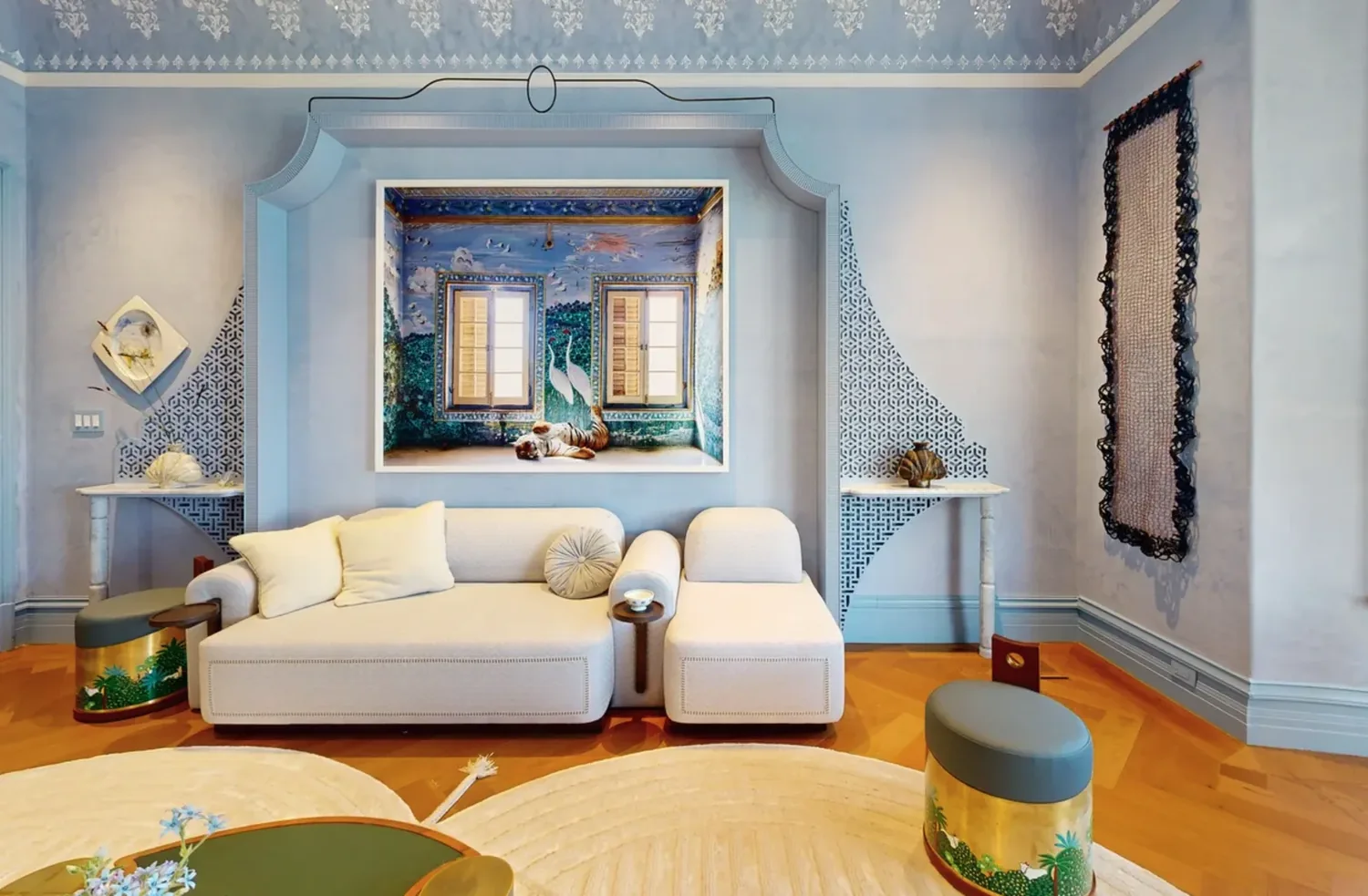
Patterns in interior design are a powerful tool to elevate both the beauty and function of a space. When used thoughtfully, they can create visual interest, define zones, and influence the mood of a room. Effective pattern use balances aesthetic appeal with spatial harmony, enhancing overall design coherence.
Built from our active project files, this guide explores the most current pattern trends in 2026, offering insights on types, mixing techniques, and strategic application. We’ll also discuss how patterns can highlight architectural features, interact with textures, and adapt to regional California homes, especially in Sacramento. Our goal is to provide a nuanced, designer perspective that helps homeowners and fellow designers make smarter, more confident choices, avoiding costly mistakes and staying on trend while respecting timeless principles.
Direct Answers (Pattern In Interior Design)
| What are the key considerations for using patterns in interior design? | Effective pattern use balances aesthetic appeal with spatial harmony, emphasizing placement, scale, and color coordination. |
| How can I successfully mix different patterns in my Sacramento home? | Use a common color palette, vary the scale of patterns, and incorporate textures that complement each other to create cohesion. |
| Are there regional trends in pattern choices for Sacramento homes? | Yes, Sacramento favors layered, subtle patterns that reflect regional architecture, craftsmanship, and natural landscapes, often balancing boldness with restraint. |
| Should I opt for custom or stock patterns for my interior design project? | Custom patterns offer unique designs and seamless integration but are more expensive and time-consuming, while stock options are more economical and faster to install. |
Strategic Pattern Placement as the First Major Design Move
In 2026, the most impactful pattern strategy begins with thoughtful placement. Instead of random application, patterns are used deliberately to define areas, emphasize features, or create a layered visual experience. For example, a geometric tile backsplash in the kitchen can anchor the space, while floral upholstery on a statement chair adds softness without overwhelming. Across our active project specifications, we favor using bold patterns sparingly and balancing them with neutral backgrounds to prevent visual fatigue.
One of the biggest design challenges is achieving harmony when mixing patterns. To avoid chaos, we rely on principles like matching the color palette, varying scale thoughtfully, and integrating textures that complement the patterns. Brands like Schumacher and Kravet offer curated collections that help maintain this balance. We also consider the room’s purpose and mood, more subdued patterns for relaxing spaces, more energetic ones for social zones, ensuring each pattern supports the overall ambiance.
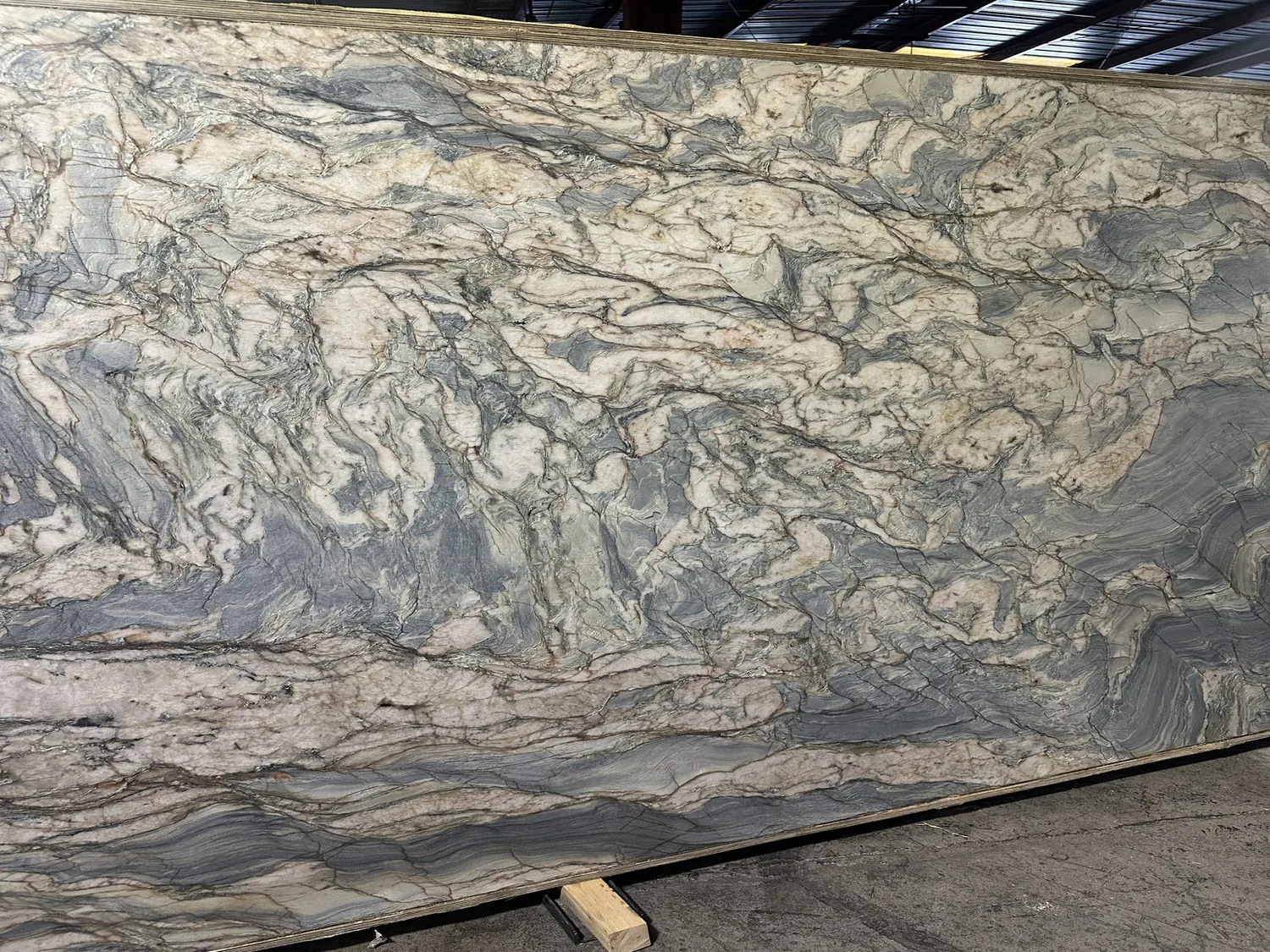
Material Specificity in Pattern Selection
Authenticity-grade materials
- White oak (rift-sawn), for floors and slat details; calmer grain than plain-sawn
- Porcelain tile, durable, water-resistant, ideal for patterned backsplashes or floors
- Linen fabric, natural texture, softens bold patterns in upholstery
- Velvet, adds richness and depth when used with patterned accents
- Glass mosaics, reflect light and add shimmer to feature walls
- Woven rattan, brings warmth and texture for accent furniture
- Lacquered wood, provides sleek, polished surfaces for pattern framing
- Textured plaster, subtle patterning on walls for understated elegance
Generic-grade tells we refuse to spec
- Stock vinyl wallpaper with generic prints
- Mass-produced ceramic tiles without custom sizing
- Standard polyester upholstery fabrics
- Pre-finished laminate surfaces
- Inexpensive MDF furniture with printed veneers
- Basic painted drywall without texture
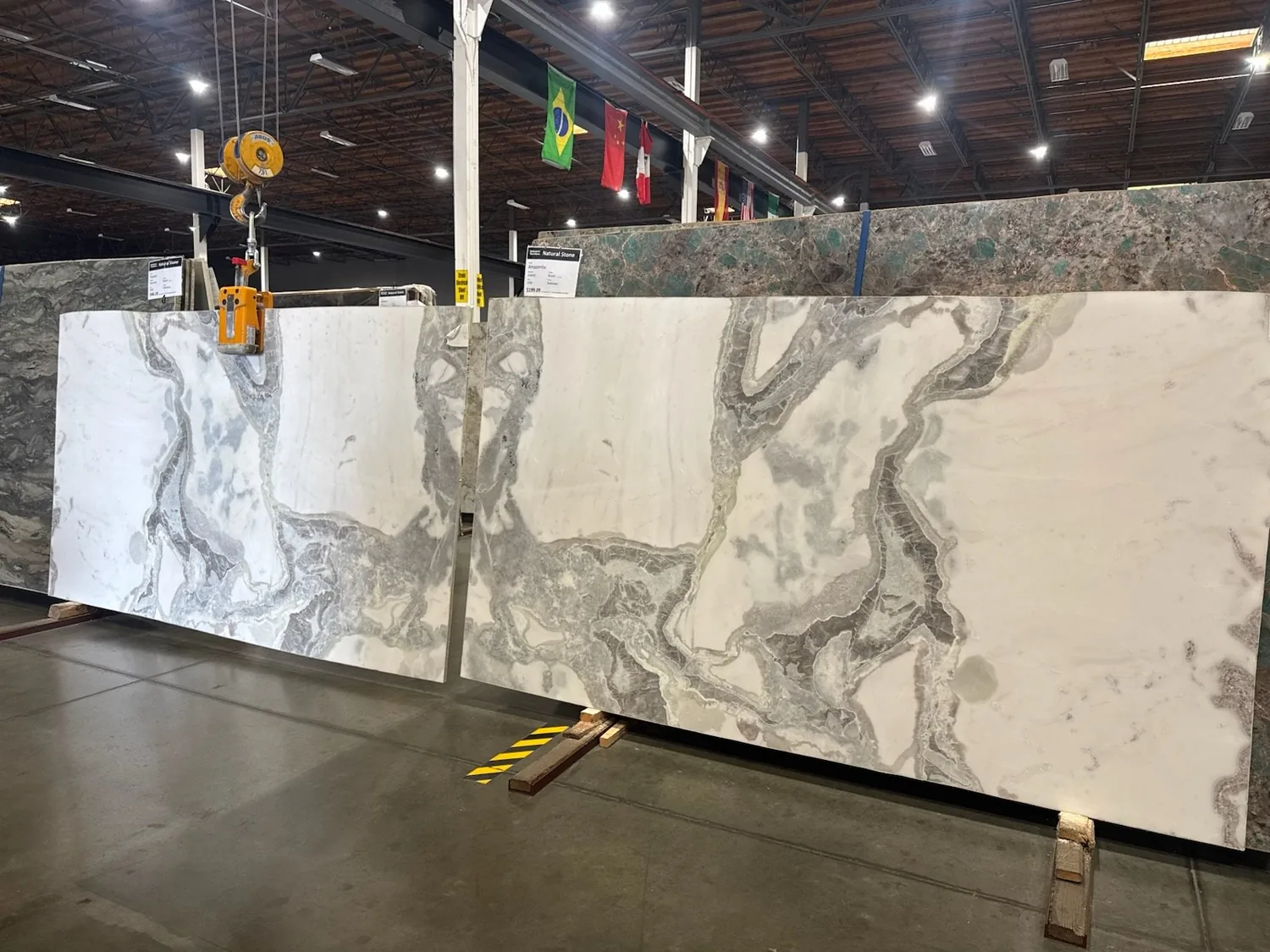
Should I Choose Custom or Stock Patterns for My Sacramento Home?
Homeowners often struggle with whether to invest in custom patterns or opt for readily available stock options. The first question we ask is: what is your budget and desired timeline? Custom patterns, from local fabricators or specialty brands like Kravet, offer unique designs tailored to your space but come with longer lead times and higher costs, typically starting in the $5,000 range for a mid-sized project in Sacramento. Stock options from brands like Schumacher or Wayfair can be installed quickly and economically, often under $1,000, but may lack the uniqueness you desire.
Consider the visual impact you want to achieve. Custom patterns can integrate seamlessly with architectural details, such as framing a feature wall to match window trim, while stock options work well for layered textiles or smaller accents. The key is balancing your aesthetic aspirations with practical constraints. Our experience suggests that thoughtful pattern choices, whether custom or stock, can significantly elevate your interiors without overextending your budget or timeline, especially in Sacramento’s diverse housing stock.
How Do I Mix Patterns Successfully Without Clashing?
The most common question is how to combine different patterns without creating visual chaos. The first step is understanding scale and color. For example, pairing a small-scale floral with a large geometric pattern in similar tones can create harmony. We advise sticking to a cohesive color palette and varying texture to add depth. Using a neutral background with accent patterns helps maintain balance. The NKBA emphasizes that restraint is key, limit yourself to two or three patterns per space, and use solids or textures to break them up.
In Sacramento, where homes often feature smaller rooms, this approach prevents overwhelming the space. For instance, a subtle patterned area rug paired with a textured wallcovering can create interest without clutter. When in doubt, create mockups with fabric swatches or painter's tape to visualize the result before committing. Successful pattern mixing is about creating layered interest that feels intentional, not accidental.
What Are the Common Mistakes That Make Patterned Interiors Look Cheap or Dated?
Understanding what to avoid can save you money and frustration. The first mistake is overusing large, bold patterns in small spaces, which can make a room feel busy and cramped. The second is ignoring scale, pairing tiny patterns with large furniture can create imbalance. Lastly, choosing mismatched or poorly coordinated patterns without a unifying color palette results in a chaotic look. Regional homes often suffer from copying trends without considering space proportions or architectural style, leading to a dated feel.
Our advice is to be deliberate with pattern size, color, and placement. Use mockups and consider the room’s function and character. Remember, subtlety and restraint often yield timeless elegance, especially in Sacramento’s historic neighborhoods. Avoid the temptation to fill every surface with pattern; instead, select key areas for impact and balance with plain or textured elements.
What's Going Out for 2026
- Overly busy, large-scale patterns in small rooms
- Matching multiple patterns without variation
- Using bold floral motifs everywhere
- Ignoring scale and proportion for patterns
- Combining incompatible colors or textures
- Applying patterns without considering natural light
- Overloading walls with wallpaper or murals
- Choosing trendy patterns that lack longevity
What Pattern In Interior Design Costs in 2026
| Scope | Typical range |
|---|---|
| Basic refresh with stock textiles and wallpapers | $3,000-$7,000 |
| Mid-tier custom fabric and wallpaper selections | $10,000-$20,000 |
| Estate-scale, fully custom pattern integration with designer finishes | $30,000-$75,000 |
Working Notes
What We Have Learned Doing This: The 7 Elements of Interior Design: Pattern
“Sequence beats speed. Every time.”
Most of the money that gets wasted is spent solving the wrong problem confidently. A homeowner asks for more space, every contractor agrees and prices an addition, and the real issue turns out to be light, or proportion, or one bad sightline. We make the room tell us the problem before anyone signs a demolition contract.
Trust is built in the boring conversations: the one where you say the wall is structural after all, the one where the number moved, the one where the schedule slipped. Clients forgive reality. They do not forgive being surprised by it.
Old houses lie, and so do new ones. Even a ten-year-old house lies the moment you assume the framing sits where the plans say. We stopped trusting old drawings, prior contractor work, and the phrase it should be fine a long time ago. The budget needs a real line for what demolition will uncover, usually 15 to 20 percent once walls start opening.
These notes come from our own the 7 elements of interior design: pattern project debriefs. Most were learned the expensive way the first time.
Sources & Professional References
This guide's positions on materials are grounded in published building-code, standards, and recognized design-authority sources, alongside Designed | Curated Interiors' verified credentials and active project files:
- American Society of Interior Designers (ASID): interior-design practice standards
- International Code Council (ICC): Chapter 8 Interior Finishes
- NKBA, Amy Kunst Member Profile (verified credential, NKBA Committee Member)
- Featured in: Homes & Gardens (design expert quote, May 2026) · Sacramento Love (guest author, 2024)
Frequently Asked
What are the key considerations for using patterns in interior design?
How can I successfully mix different patterns in my Sacramento home?
Are there regional trends in pattern choices for Sacramento homes?
Should I opt for custom or stock patterns for my interior design project?
What are common mistakes to avoid when choosing patterns for interior design?
From Pattern In Interior Design to a Real Room
A trend piece is the briefing document, not the deliverable. The pages below show how we translate these principles into finished rooms across Sacramento and the rest of Northern California.
- Sacramento & Bay Area Interior Design Services How we scope, source, and deliver work end to end.
- Interior Designer Hub, Sacramento Where most of our Sacramento work lives, the regional fit explained.
- Modern Tudor Homes: Authentic, Revival, and Neo-Tudor (A Designer Reference) Heritage-architecture renovation patterns from our project files.
- Japandi Living Room: A Designer's Guide to the 2026 Look The 2026 warm-neutral playbook applied to the living room.
Part of our design fundamentals series. Pattern is one of the seven elements of interior design. See the complete guide to the elements of interior design, and how the principles of interior design put them to work together.