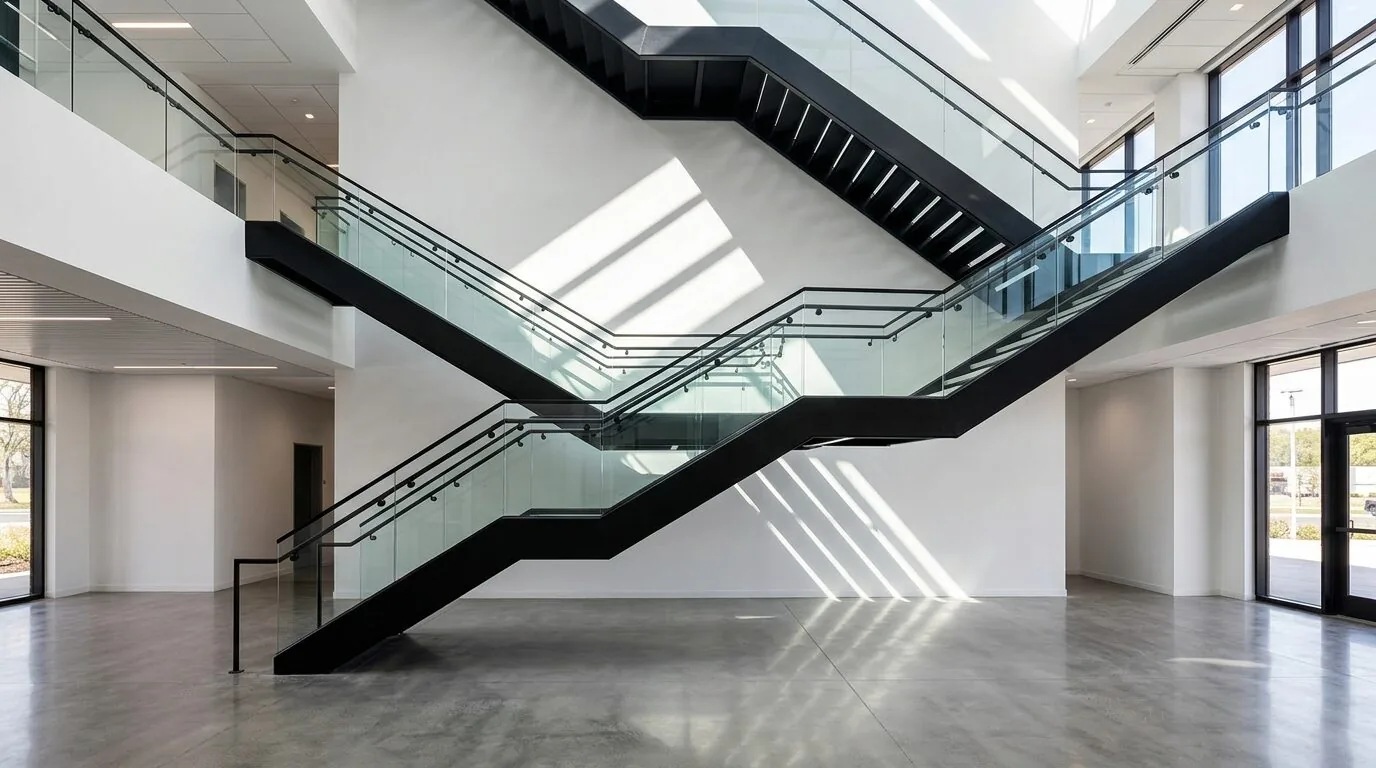
In interior design, the concept of "line" is a fundamental tool used to shape the perception of space, style, and mood. Understanding how different types of lines influence aesthetics and functionality helps create rooms that feel cohesive, balanced, and visually engaging. Lines direct the eye, define space, and contribute to the overall character of a room.
Built from our active project files, this post explores how vertical, horizontal, diagonal, and curved lines are applied in interior design, their psychological effects, and techniques for incorporating them through furniture, architectural details, and decor. We’ll also look at how lines work within specific styles and how to balance them with other design elements for a thoughtful, restrained approach that reflects Sacramento’s unique architectural stock and landscape.
Direct Answers (Line In Interior Design)
| What does the term 'line' refer to in interior design? | In interior design, 'line' is a fundamental tool used to shape perception of space, style, and mood, guiding the eye and defining areas. |
| How do different types of lines influence interior aesthetics? | Vertical lines create height, horizontal lines expand space, diagonal lines add movement, and curved lines introduce softness and flow. |
| What are some techniques for incorporating lines into Sacramento interior projects? | Using furniture, architectural details like crown molding, wall paneling, and artwork strategically helps introduce various lines to shape the space. |
| Can the strategic use of lines help avoid costly structural changes? | Yes, repositioning furniture and adding vertical lines through shelving or artwork can create a sense of space without expensive structural modifications. |
Harnessing Lines to Define Space and Style
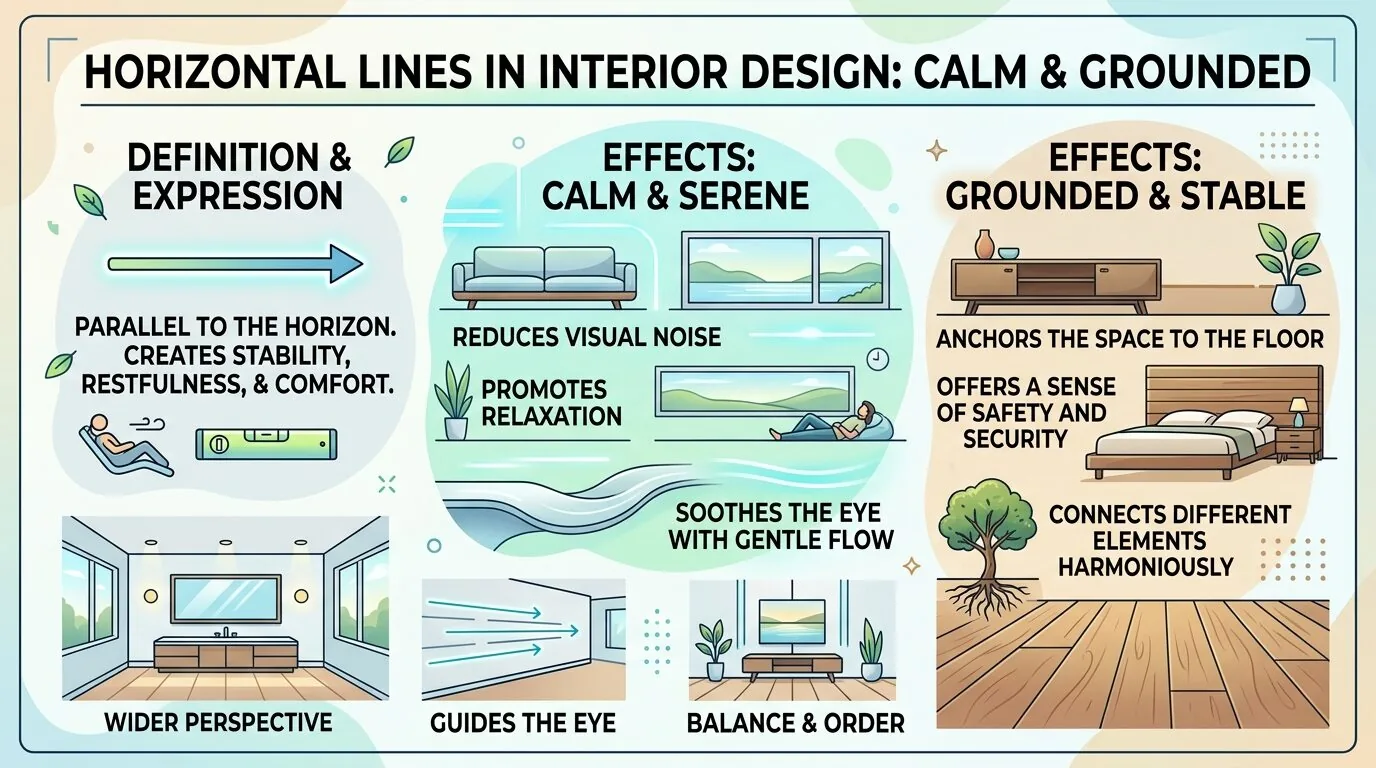
In our Sacramento projects, using lines effectively is a key move that shapes both the look and feel of a space. For example, vertical lines in furniture legs or tall cabinetry create a sense of height and grandeur, while horizontal lines in wide plank flooring or floating vanities expand the perceived width of a room. Diagonal lines in wall treatments or artwork inject a subtle sense of movement and energy, especially in modern or eclectic styles.
From selecting sleek, linear hardware to incorporating architectural details like crown molding or wall paneling, the strategic use of lines can subtly guide the eye and reinforce a space’s intended mood. The American Society of Interior Designers emphasizes that understanding how lines contribute to the overall narrative of a room allows designers to craft environments that feel both purposeful and serene. Across our active project specifications, balanced line work ensures the space resonates with the desired style, be it minimalist, traditional, or transitional, while maintaining visual harmony and functionality.
Material Specificity in Line Application
Authenticity-grade materials
- White oak (rift-sawn), for flooring and slat details; calmer grain than plain-sawn, adds understated elegance
- Brushed nickel, for hardware and fixtures; matte finish minimizes visual noise
- Powder-coated steel, for architectural accents; sleek, durable, and sharp in appearance
- Glass, for partitions and decorative features; creates clean, uninterrupted lines
- Plaster, for wall treatments; smooth, refined surfaces that highlight line work
- Marble, for countertops and accents; veined patterns add subtle movement
- Textured linen fabric, for upholstery; softens the appearance of linear forms
- Matte black finishes, for lighting and hardware; emphasizes crisp, defined lines
Generic-grade tells we refuse to spec
- Standard painted drywall, over-embellished or overly smooth finishes can flatten lines
- Glossy plastic trim, can feel cheap and disrupt line clarity
- Rigid vinyl flooring, lacks warmth and subtlety in line expression
- Low-quality hardware, cheap metal can diminish the perceived quality of lines
- Overly patterned wallpaper, competes with and distracts from linear details
- Bright chromes and shiny finishes, reflect too much, creating visual noise
Should You Remodel or Rebuild in Sacramento to Achieve a Line-Driven Look?
Homeowners often ask whether to remodel or rebuild when they want to incorporate more linear design elements. The first question we ask is about the scope of change: Are you seeking a simple refresh that emphasizes existing architectural lines, or do you want to fundamentally alter the structure? For example, replacing cabinetry with sleek, handleless units or installing linear lighting can modernize a space without major structural work.
In Sacramento, where many homes feature traditional or Craftsman details, preserving character while introducing contemporary lines often involves subtle modifications. Rebuilding might be necessary if the existing layout hampers visual flow or if structural elements limit line application. For instance, a second-story addition could provide new opportunities for horizontal or vertical emphasis, but often a careful remodel that respects the original proportions and details yields the best ROI.
Balancing these choices depends on the project’s budget, the age of the home, and how much character you want to retain. The key is to focus on how lines can enhance spatial perception and style without sacrificing the home's integrity.
How to Use Lines to Create Focal Points and Visual Interest
Creating focal points with lines involves strategic placement of architectural and decor elements. For example, a linear fireplace surround or a wall-mounted bookcase with vertical and horizontal dividers draws attention and anchors a room. Similarly, large-scale artwork with sweeping curves or bold lines can serve as a visual centerpiece.
In our Sacramento projects, we often incorporate linear lighting fixtures or sleek hardware to guide the eye along a specific path, emphasizing key features. The American Society of Interior Designers emphasizes that deliberate line placement enhances flow and visual hierarchy, which is especially important in open-plan layouts. When balanced with texture and color, lines become a subtle yet powerful tool for crafting a room’s narrative.
Designing with lines also involves considering scale: thin, delicate lines create a refined look, while broader, bolder lines establish a strong statement. The goal is to achieve a balanced composition that feels intentional and cohesive.
What Are Common Mistakes to Avoid When Using Lines in Interior Design?
One common mistake is overusing lines, which can make a space feel chaotic rather than cohesive. For example, too many contrasting directions or conflicting textures can distract the eye and diminish the room’s harmony. Another pitfall is neglecting the psychological impact of lines; overly sharp, angular lines can create tension, while flowing curves foster calm. Lastly, ignoring the scale of lines relative to the room size can lead to visual imbalance. Thin lines in a large space may seem insignificant, whereas bold lines in a small room can feel overwhelming. Being thoughtful about line placement, scale, and style ensures a restrained, sophisticated result that aligns with Sacramento’s architectural rhythms.
How Much Do Line-Driven Design Elements Cost in Sacramento?
| Scope | Sacramento | Bay Area |
|---|---|---|
| Refresh (hardware, small architectural details) | $5K-$15K | $7K-$20K |
| Mid-tier (custom millwork, integrated lighting) | $20K-$50K | $30K-$70K |
| Estate-scale (whole-home redesign, structural modifications) | $100K-$300K | $150K-$500K |
Observed Failure Modes, How Line In Interior Design Goes Wrong
From our project debriefs and post-occupancy reviews, 2023-2026.
Overloading with Contrasting Lines
When homeowners or designers add too many contrasting lines without considering overall harmony, the space can feel chaotic and disjointed. For example, mixing bold horizontal, vertical, and diagonal lines in an uncoordinated way distracts the eye and undermines the room’s calm. The cure is to establish a primary line direction and use accents sparingly, ensuring each element complements the overall style. In Sacramento’s traditional neighborhoods, overdoing line contrast can clash with historic details. The solution lies in restraint and careful planning, which maintains visual interest without overwhelming the senses.
Ignoring the Psychological Impact of Lines
Using sharp, angular lines in small or low-ceilinged rooms can create a sense of tension or confinement. Conversely, soft, flowing curves promote relaxation and openness. The mistake is to disregard these effects, leading to environments that feel uncomfortable or unbalanced. To avoid this, consider the mood you want to evoke and choose line styles accordingly. For example, in Sacramento’s family homes, incorporating curved wall moldings or rounded furniture edges can soften sharp architectural features. Thoughtful line selection supports both aesthetic and emotional goals, creating spaces that feel both beautiful and welcoming.
Misjudging Line Scale Relative to Space
Applying lines that are too fine or too broad for the room’s size results in visual imbalance. Thin lines in large, open spaces can seem insignificant, while broad, heavy lines in small rooms can dominate and feel oppressive. The key is to match line weight and scale with the room’s proportions. For Sacramento homes with ample space, broader, more assertive lines can create a strong statement, whereas in more intimate settings, subtle lines maintain elegance. Proper scaling ensures the design feels natural and well-proportioned, avoiding a look that feels either sparse or cluttered.
Neglecting Material and Finish Choices
The material and finish of line elements greatly influence perception. Glossy or reflective surfaces can add shine but may create visual noise, while matte finishes tend to recede and soften the look. Choosing inappropriate materials can undermine the intended line effect. For example, using shiny chrome hardware in a rustic setting may clash with the overall aesthetic. In Sacramento’s blend of historic and modern homes, selecting finishes that match the style and mood is essential. Thoughtful material choices support the clean, restrained line work that defines contemporary interiors while respecting traditional craftsmanship.
Failing to Integrate Lines with Other Design Elements
Lines should work in harmony with color, texture, and form. Ignoring this integration can result in a disjointed environment where lines seem disconnected from other visual cues. For instance, stark black lines paired with busy patterns or clashing colors can feel jarring. Conversely, well-coordinated lines that echo the room’s palette and textures reinforce a cohesive look. In Sacramento, balancing the natural landscape with interior linear details enhances the overall harmony. The key is to see lines as part of a larger visual language, ensuring they complement rather than compete with other design elements.
Overlooking the Impact of Architectural Details
Architectural elements like crown moldings, built-in shelving, or window trims are prime opportunities to use lines intentionally. Neglecting these details or treating them as afterthoughts can weaken the room’s visual hierarchy. Thoughtfully designed, linear architectural details can frame views, emphasize proportions, and create a sense of rhythm. In Sacramento’s historic districts, respecting original moldings while updating with clean, linear profiles can modernize the space without sacrificing character. Proper integration of architectural lines elevates the design and enhances the spatial experience.
What's Going Out for 2026
- Overly ornate or complex line patterns
- Ignoring the psychological effects of line directions
- Using conflicting line styles without purpose
- Neglecting scale and proportion of lines
- Failing to coordinate lines with other materials
- Overusing contrasting lines in small spaces
- Disregarding the style context of lines
- Choosing finishes that clash with the overall design
What Line In Interior Design Costs in 2026
| Scope | Typical range |
|---|---|
| Refresh scope description | $7K-$20K |
| Mid-tier scope | $30K-$70K |
| Estate-scale | $150K-$500K |
Working Notes
What We Have Learned Doing This: The 7 Elements of Interior Design: Line
“The schedule is a design decision. Treat it like one.”
Specify for the next ten years, not the next photo shoot. The work that holds its value is quiet, well made, and a little bit boring on the day it is installed.
After enough projects you stop fearing bad taste and start fearing the boring things: delays, sequencing mistakes, moisture behind a wall, an electrician improvising, framing that is not where the drawings swear it is. The aesthetic part still matters, it is why anyone hires anyone, but execution decides whether the room ever gets built the way it was drawn.
Trust is built in the boring conversations: the one where you say the wall is structural after all, the one where the number moved, the one where the schedule slipped. Clients forgive reality. They do not forgive being surprised by it.
These notes come from our own the 7 elements of interior design: line project debriefs. Most were learned the expensive way the first time.
Sources & Professional References
This guide's positions on materials are grounded in published building-code, standards, and recognized design-authority sources, alongside Designed | Curated Interiors' verified credentials and active project files:
- American Society of Interior Designers (ASID): interior-design practice standards
- International Code Council (ICC): Chapter 8 Interior Finish Decorative Materials And Furnishings
- NKBA, Amy Kunst Member Profile (verified credential, NKBA Committee Member)
- Featured in: Homes & Gardens (design expert quote, May 2026) · Sacramento Love (guest author, 2024)
Frequently Asked
What does the term 'line' refer to in interior design?
How do different types of lines influence interior aesthetics?
What are some techniques for incorporating lines into Sacramento interior projects?
Can the strategic use of lines help avoid costly structural changes?
How does Sacramento's architectural style influence line application in interior design?
When should homeowners consider remodeling versus rebuilding to emphasize lines?
What role do lines play in creating focal points in interior design?
From Line In Interior Design to a Real Room
A trend piece is the briefing document, not the deliverable. The pages below show how we translate these principles into finished rooms across Sacramento and the rest of Northern California.
- Sacramento & Bay Area Interior Design Services How we scope, source, and deliver work end to end.
- Interior Designer Hub, Sacramento Where most of our Sacramento work lives, the regional fit explained.
- Modern Tudor Homes: Authentic, Revival, and Neo-Tudor (A Designer Reference) Heritage-architecture renovation patterns from our project files.
- Japandi Living Room: A Designer's Guide to the 2026 Look The 2026 warm-neutral playbook applied to the living room.
Part of our design fundamentals series. Line is one of the seven elements of interior design. See the complete guide to the elements of interior design, and how the principles of interior design put them to work together.