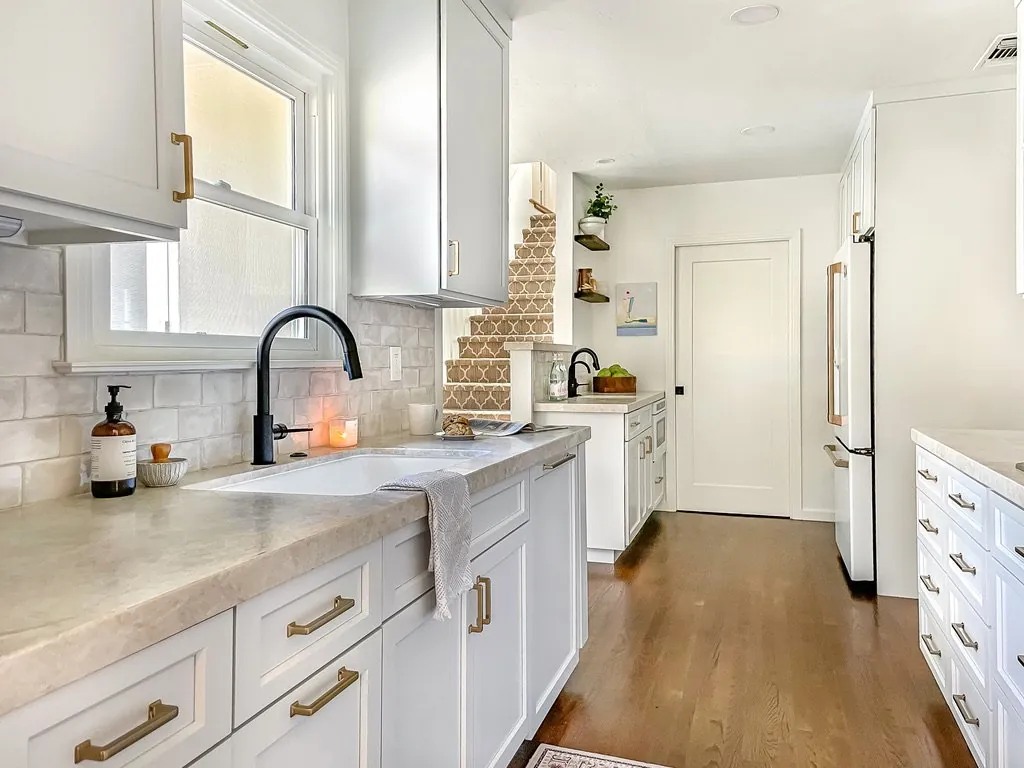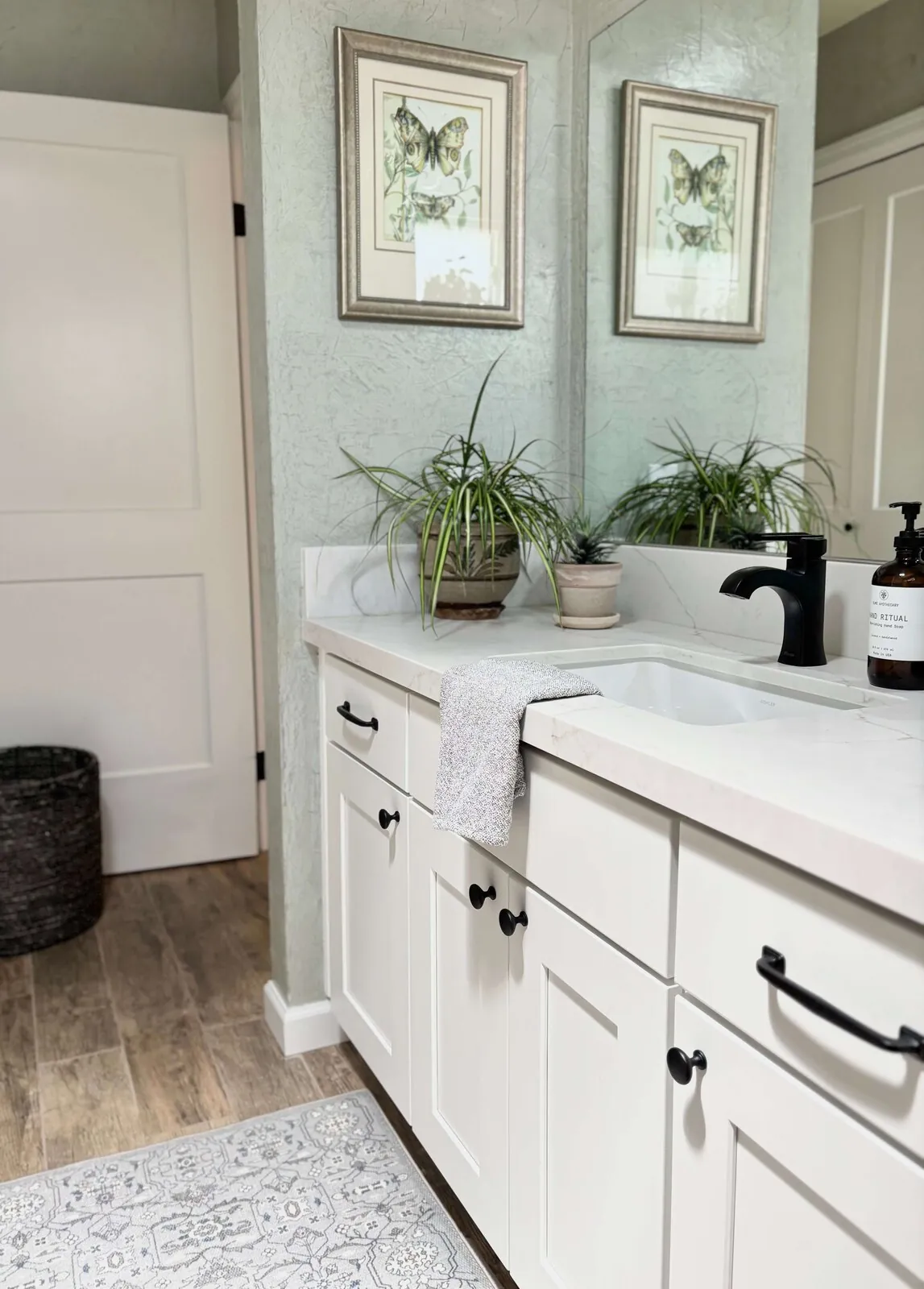
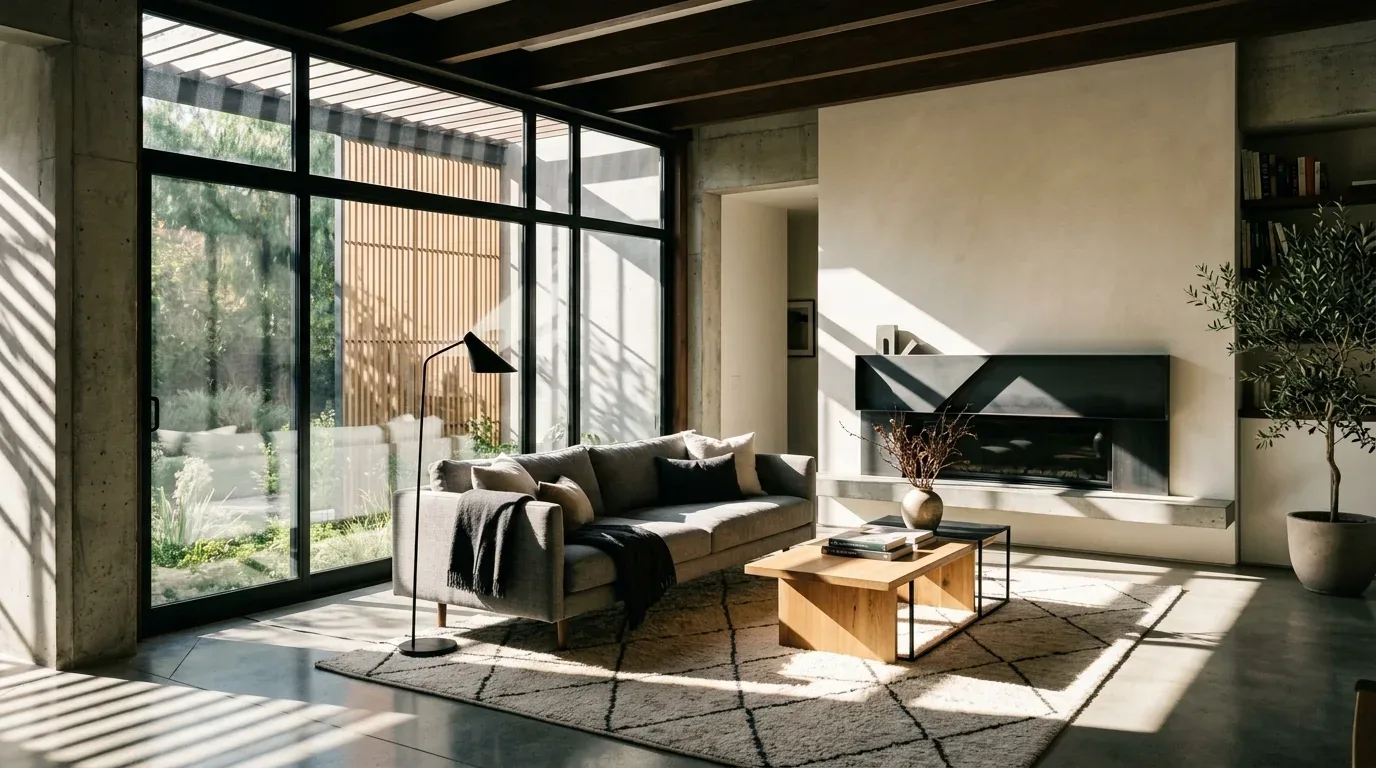
Well-placed lighting makes it cozy and useful. Plan it right. Understanding light layers helps a room look good and work well. Get the light right: mood, tasks, accents. Make it work together. Check out what’s new in light design and how to use layers for effect. All from current work. Sacramento and Bay Area tips from a designer who values warmth and smart choices.
Updating your space? Here’s some advice on picking fixtures and using natural light. We want you to dodge mistakes and light your home beautifully.
Common Questions
| What role does lighting play in interior design in Sacramento? | Lighting in Sacramento homes isn’t just about illumination—it’s about controlling glare from the region’s intense sun exposure while directing focus to architectural details or art. For example, a well-placed track light can isolate a textured wall or a gallery wall without washing out colors, which is critical in homes with south-facing windows that amplify heat and light. The key is balancing ambient light with task-specific fixtures to avoid harsh contrasts. |
| How can layering different types of lighting improve interior spaces? | Layering isn’t about aesthetics—it’s about function. In a Sacramento living room, you’d pair recessed cans (for general light) with dimmable sconces (to soften glare near windows) and a floor lamp (to fill shadowed corners). The goal is to eliminate dead zones where shadows pool, especially in rooms with vaulted ceilings or large windows. Without this, you end up with uneven brightness, which is a common mistake in Northern California homes where natural light fluctuates wildly. |
| What are some regional considerations for lighting in Sacramento? | Sacramento’s climate demands fixtures that reject heat and UV damage—warm LEDs (2700K–3000K) are standard because they counteract the blue cast from overhead sun while reducing energy costs. But the bigger issue is fixture placement: in a home with skylights or floor-to-ceiling windows, you’ll need adjustable arms or track heads to redirect light away from glass surfaces, which otherwise create blinding reflections. Ignore this, and you’ll end up with a space that feels sterile, not inviting. |
| How do I choose the right fixtures for your Sacramento kitchen? | Kitchen lighting is all about task efficiency and glare control. For an island, pendants should be sized so the bottom of the fixture sits 30–36 inches above the counter—any lower, and you’ll cast shadows on prep surfaces. In a Sacramento kitchen with a south-facing window, avoid placing under-cabinet LEDs directly opposite the glass; instead, angle them toward the backsplash to prevent glare on countertops. And for range hoods, use high-lumen LEDs (5000K) to cut through grease buildup, which yellow-toned bulbs won’t. |
Prioritizing Layered Lighting for Depth and Function
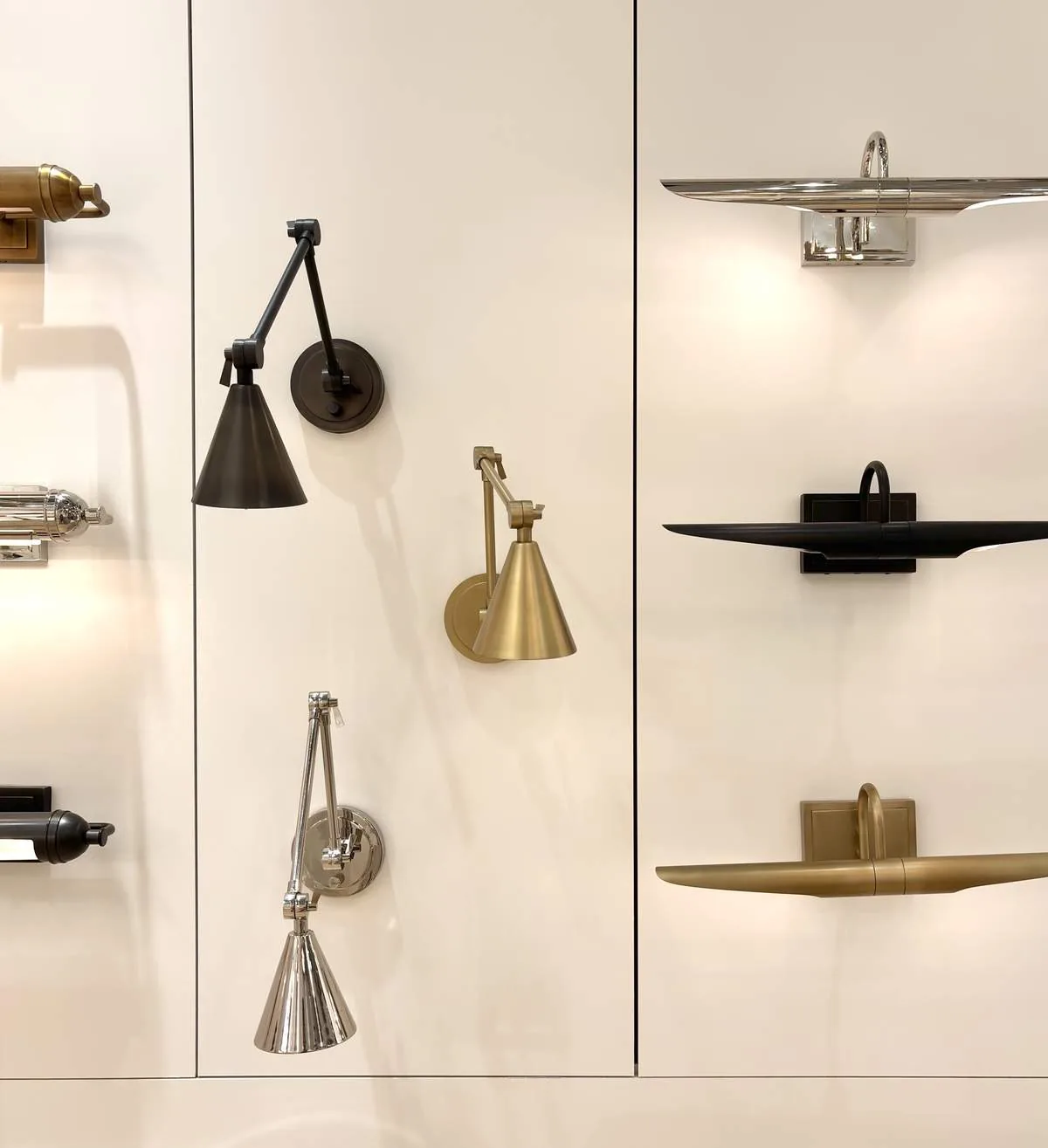
Across our active project specifications, one of the most impactful design moves is layering different types of lighting, ambient, task, and accent, to create a sense of depth and visual interest. Layered lighting suits craftsman and modern homes. In one suite, we used recessed lights, sconces, and picture lights for a layered look. Avoid flat looks by using more than just ceiling lights.
First get good fixtures. Place them smart. Tech Lighting offers practical, sleek designs. Mix different light layers for depth. The American Society of Interior Designers emphasizes the importance of balance in lighting design, ensuring each layer complements the others without overwhelming the space.
Material Specificity in Lighting Fixtures
Authenticity-grade materials
- Brass (brushed or polished), adds warmth and timeless elegance
- Matte black finishes, modern, sleek, and versatile
- Frosted glass, diffuses light softly and reduces glare
- LED modules, energy-efficient with long lifespan
- Copper accents, warm metallic touch that ages gracefully
- Wood accents, for fixtures in transitional or rustic interiors
- Porcelain or ceramic, for artisanal or vintage-inspired fixtures
- Nickel (satin), neutral, durable, and subtle
Generic-grade tells we refuse to spec
- Plastic, cheap and prone to discoloration
- Chrome, cold, reflective, and often overly shiny
- Unfinished metal, prone to corrosion and wear
- Standard incandescent bulbs, outdated and inefficient
- Low-quality glass, easily scratched or cloudy
- Generic finishes without patina or texture
How to Choose the Right Lighting for Your Room
The first question homeowners ask is often about fixture size and placement. For example, in a kitchen, should you opt for a large pendant over the island or recessed lighting? Keep room size and ceiling in mind. A 36-inch range needs good task lighting. Avoid glare from too much ambient light. In Sacramento, ceiling height varies. Choose fixtures that fit. Using a
| Fixture Type | Optimal Size | Best Application |
|---|---|---|
| Pendant | 18-24 inches diameter | Kitchen islands, dining areas |
| Recessed | 6-8 inches diameter | General ambient light |
Custom vs Stock Lighting Options
When deciding between custom and stock lighting fixtures, cost and timeline are key considerations. Fixtures from Wayfair or Home Depot save on costs, though charm might be lacking. Local fabricators offer custom options with better proportions and finishes. Custom brass sconces blend well in a Sacramento bungalow. Stock fixtures might look plain. Custom lighting costs more and takes time but adds a unique touch. NKBA says fixtures should balance style, durability, and Sacramento's climate.
Are Trendy or Timeless Lighting Choices Better?
Do you go trendy or classic with fixtures? First question: is it a good long-term investment? Trendy lighting doesn't last long in older Sacramento homes. Brass sconces and minimalist pendants age well and fit many styles. A barn light fits farmhouse style. Black steel suits modern looks. Go for fixtures that are lasting and attractive. Trends fade fast. Classic designs and quality work well in Sacramento.
Observed Failure Modes We See in the Field
From our project debriefs and post-occupancy reviews, 2023-2026.
Overlighting and Glare
One common failure we see is overlighting a space with too many fixtures or overly bright bulbs, leading to glare and discomfort. People often overlook the importance of fixture placement. Flat, harsh spaces result. Uninviting. Just look around. Add dimmers and task lights. Use diffusers on fixtures. In Sacramento, swap recessed lighting for sconces or pendants in living rooms.
Ignoring Natural Light
Another mistake is neglecting the potential of natural daylight. Relying just on artificial light? It's often cold and flat. Looks dull during the day? Needs lots of lights on? That's the issue. Let more sun in. Mirrors and open window treatments help. Sunny Sacramento boasts enough light to cut energy use. Boost your mood too. Good window treatments and skylights make daylight reach deeper inside. They soften other lighting.
Poor Color Temperature Choices
Choosing the wrong color temperature can dramatically affect a room’s ambiance. Cool LEDs feel clinical. Those don't suit Sacramento's warm lighting, causing imbalance. The American Society of Interior Designers emphasizes selecting warm white (2700K-3000K) LEDs for living and bedrooms to foster comfort and harmony. A space can feel cold even if lights are placed well. Pick adjustable color fixtures or warm bulbs. Match them to your home.
Lack of Layering
Many spaces suffer from a lack of layering, relying solely on ceiling-mounted fixtures. Flat lighting? It makes shadows deep and textures disappear. Looks flat and uninteresting? That’s the symptom. Use layers. Light surfaces, accent details, and set the mood with ambient lights. Think Sacramento kitchen. Consider under-cabinet lights, pendants, or dimmable cans.
What's Going Out for 2026
- Overly bright, unlayered lighting schemes
- Ignoring natural daylight potential
- Choosing cold or bluish light temperatures
- Cluttering spaces with mismatched fixtures
- Relying only on ceiling-mounted lights
- Ignoring regional warm light qualities
- Using cheap, low-quality fixtures
- Skipping dimming controls
- Neglecting fixture placement for function
- Following trends without purpose
What This Costs in 2026
| Scope | Typical range |
|---|---|
| Refresh scope | $3K-$7K |
| Mid-tier scope | $10K-$25K |
| Estate-scale | $40K-$100K+ |
Working Notes
What We Have Learned Doing This: The 7 Elements of Interior Design: Light
“A decision made late costs three times the same decision made early.”
Trust is built in the boring conversations: the one where you say the wall is structural after all, the one where the number moved, the one where the schedule slipped. Clients forgive reality. They do not forgive being surprised by it.
The cheapest tool on any project is a sample board and an afternoon. We have watched five-figure mistakes get caught by a fifteen-dollar paint sample lived with for a week in the actual light of the actual room. Decisions made under showroom lighting do not survive contact with a real house.
Most of the money that gets wasted is spent solving the wrong problem confidently. A homeowner asks for more space, every contractor agrees and prices an addition, and the real issue turns out to be light, or proportion, or one bad sightline. We make the room tell us the problem before anyone signs a demolition contract.
These notes come from our own project debriefs. Most were learned the expensive way the first time.
Sources & Professional References
This guide's positions on lighting are grounded in published building-code, standards, and recognized design-authority sources, alongside Designed | Curated Interiors' verified credentials and active project files:
- American Society of Interior Designers (ASID): interior-design practice standards
- International Code Council (ICC): Chapter 39 Power And Lighting Distribution
- NKBA, Amy Kunst Member Profile (verified credential, NKBA Committee Member)
- Featured in: Homes & Gardens (design expert quote, May 2026) · Sacramento Love (guest author, 2024)
From Principle to a Real Room
A trend piece is the briefing document, not the deliverable. The pages below show how we translate these principles into finished rooms across Sacramento and the rest of Northern California.
- Sacramento & Bay Area Interior Design Services How we scope, source, and deliver work end to end.
- Interior Designer Hub, Sacramento Where most of our Sacramento work lives, the regional fit explained.
- Modern Tudor Homes: Authentic, Revival, and Neo-Tudor (A Designer Reference) Heritage-architecture renovation patterns from our project files.
- Japandi Living Room: A Designer's Guide to the 2026 Look The 2026 warm-neutral playbook applied to the living room.
Part of our design fundamentals series. Light is one of the seven elements of interior design. See the complete guide to the elements of interior design, and how the principles of interior design put them to work together.