ZIPLINES. GLAMPING. PICKLEBALL. INSIDE THE TRENDS SHAPING BAY AREA BACKYARD DESIGN
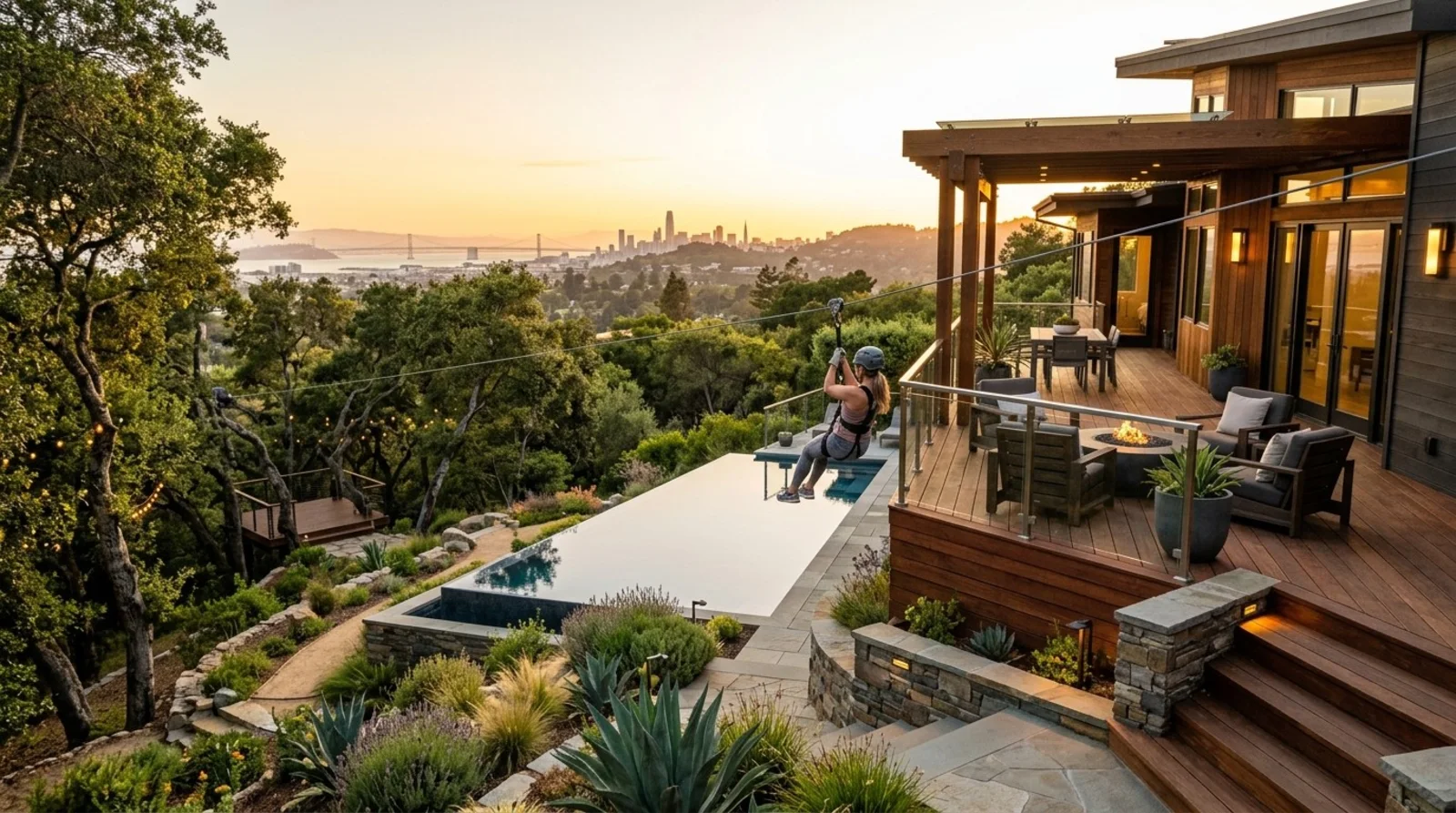
Top Bay Area Backyard Design Trends
Discover the best options for elevating your Northern California backyard with expert insights on pickleball courts, glamping structures, ziplines, outdoor kitchens, saunas, and cold plunges. Learn what to consider before investing in these luxury features.
- Pickleball courts in Oakland, designed by Amy Kunst, M.A., combining durability and style per local zoning codes.
- Glamping structures in Marin County, curated by NKBA members, utilizing sustainable materials from Northern California suppliers.
- Ziplines in Silicon Valley, engineered by certified professionals ensuring safety and compliance with Title 24 standards.
- Outdoor kitchens in Palo Alto, featuring high-end appliances from top brands like Viking, with expert permit navigation.
- Saunas and cold plunges in Berkeley, installed with attention to CBC regulations and premium material lead times.
For tailored solutions, visit our Interior Design Services, schedule a Free Consultation, or explore our Portfolio.
By Amy Kunst, M.A. (CSUS), NKBA Committee Member, serving Northern California since 2010
Direct Answers (Ziplines. Glamping. Pickleball. Inside the Trends Shaping Bay Area Backyard Design)
| What are the zoning regulations for installing a pickleball court in my Bay Area backyard? | Rules shift. Check zoning laws before starting. |
| How can I ensure my glamping structure is built sustainably? | Look for local materials. Try reclaimed wood to go green. |
| What are the safety requirements for installing a zipline in my backyard? | Ziplines require certified design. Title 24 keeps projects safe. |
| How much value does an outdoor kitchen add to my home? | Expect about 50% back on that kitchen. Better if made with quality products. |
How to Implement Bay Area Backyard Trends
When it comes to backyard design in the Bay Area, many homeowners are not just looking for inspiration but also practical steps on how to bring these trends to life. They're asking for cost, timeline, and necessary steps.
Costs range between $20,000 and $40,000. Glamping costs run $10-$25k. Ziplines? Often $15k+ due to certified installs. Outdoor kitchens start at $5k but can hit $50k for top designs. Add-ons like saunas or cold plunges? Budget $10-$30k. Consult the National Association of the Remodeling Industry (NARI) for guidance on hiring certified professionals.
- In NorCal, pickleball needs a solid surface paired with good drainage.
- Sustainability is key in materials so glamping feels natural.
- Ziplines must meet safety codes.
- High-grade appliances keep outdoor kitchens durable.
- Get pros for sauna and plunge installs. They know local rules.
From Amy Kunst's NorCal projects. In Folsom, expect to pay $1,800 to $4,200 for installation. The NKBA emphasizes the importance of adhering to Title 24 energy standards to ensure efficiency and compliance. Function first. Style follows.
Set a budget first. Find a good designer who knows the rules. That way, it looks great and follows codes.
ROI Reality Check: Value-Holding Features Versus Fads in Bay Area Backyards
Bay Area homeowners increasingly invest in backyard amenities that blur the line between lifestyle upgrades and long-term asset value. Adding an outdoor kitchen might increase your home's marketability. Pickleball courts and ziplines? Harder to judge. Some upgrades help resale more than others.
An outdoor kitchen may return over 50%, says Remodeling magazine. Durable and professional materials matter. Pickleball courts? Not for everyone. Could limit yard use.
Glamping setups with top finishes can double as guest areas. Canvas setups often don’t increase home value long-term. Saunas and cold plunges attract buyers interested in wellness. ROI varies by local interest.
Durable upgrades often bring more value. Bay Area homeowners want their yards to feel homey.
2026 Installed-Cost Benchmarks for Key Bay Area Backyard Features
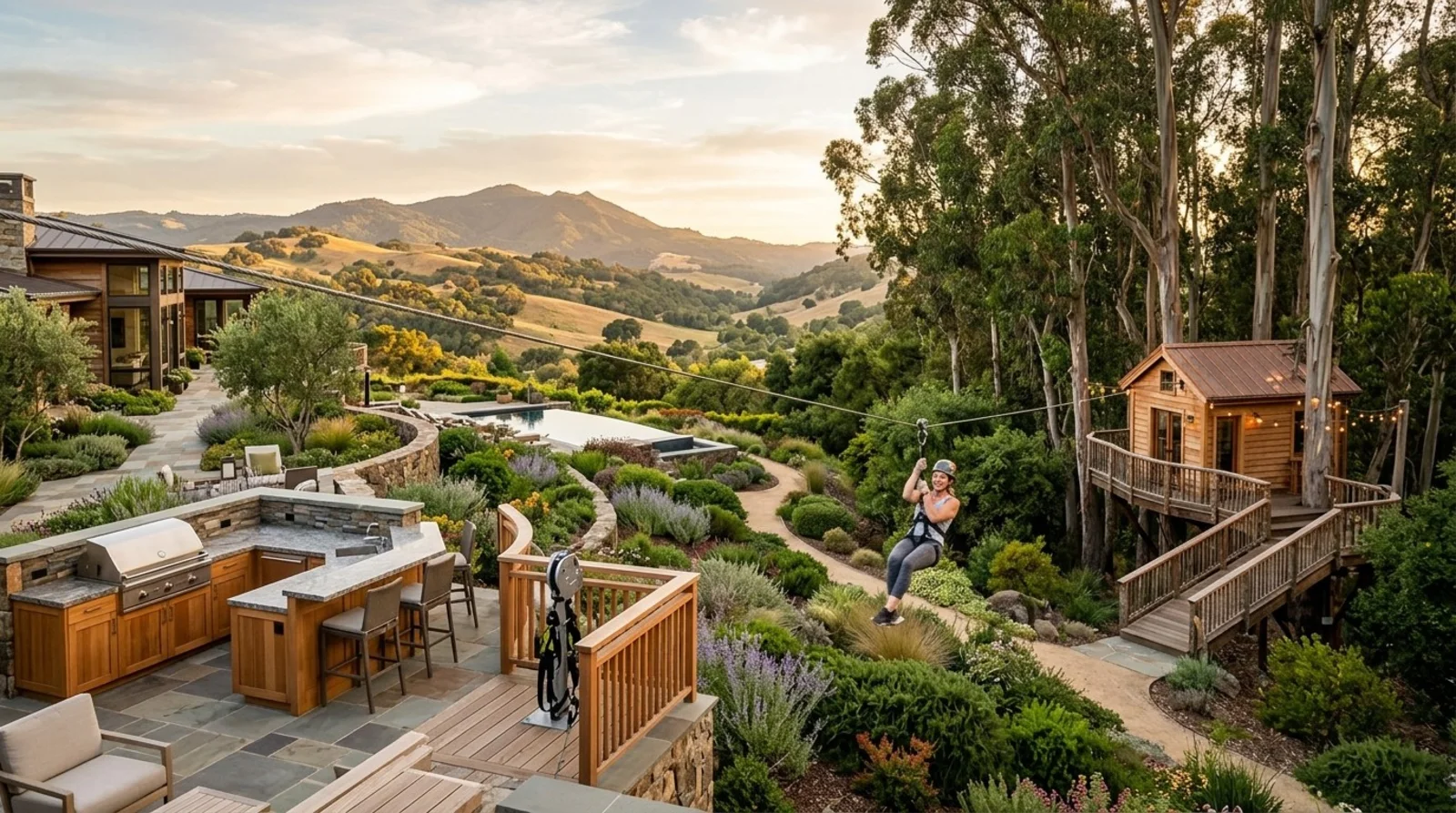
Get clear on installation costs for planning. Expect high costs for labor and permits here. The following ranges reflect typical installed costs in 2026, inclusive of design, permits, and construction but excluding high-end customization or luxury finishes:
- Pickleball Court: $80,000 to $150,000. Include costs for site prep and finishing the court. Handling steep terrain isn't cheap; walls and drainage spike costs.
- Zipline: $15,000 to $40,000. Costs vary with zipline length and terrain. You’ll need a pro engineer. Safety codes are strict.
- Outdoor Kitchen: $35,000 to $120,000. Appliance choices and materials affect range cost. You've got to sort out plumbing and electrical needs early.
- Glamping Structure (Guest Cabin or Canvas Platform Tent): $40,000 to $100,000. Permanent cabins with utilities cost more than canvas tents.
- Sauna: $20,000 to $50,000. Check prefabs, upgrade power, and weatherproof it.
- Cold Plunge: $15,000 to $40,000. Think about pool size and filtering systems. Extras like spa features? They bump the cost.
Typical quotes assume usual site conditions. But steep slopes or major excavation can hike the price. Seismic shifts and weather mean 15-20% extra on estimates, smart move.
What Bay Area Homeowners Are Asking Designers in 2026
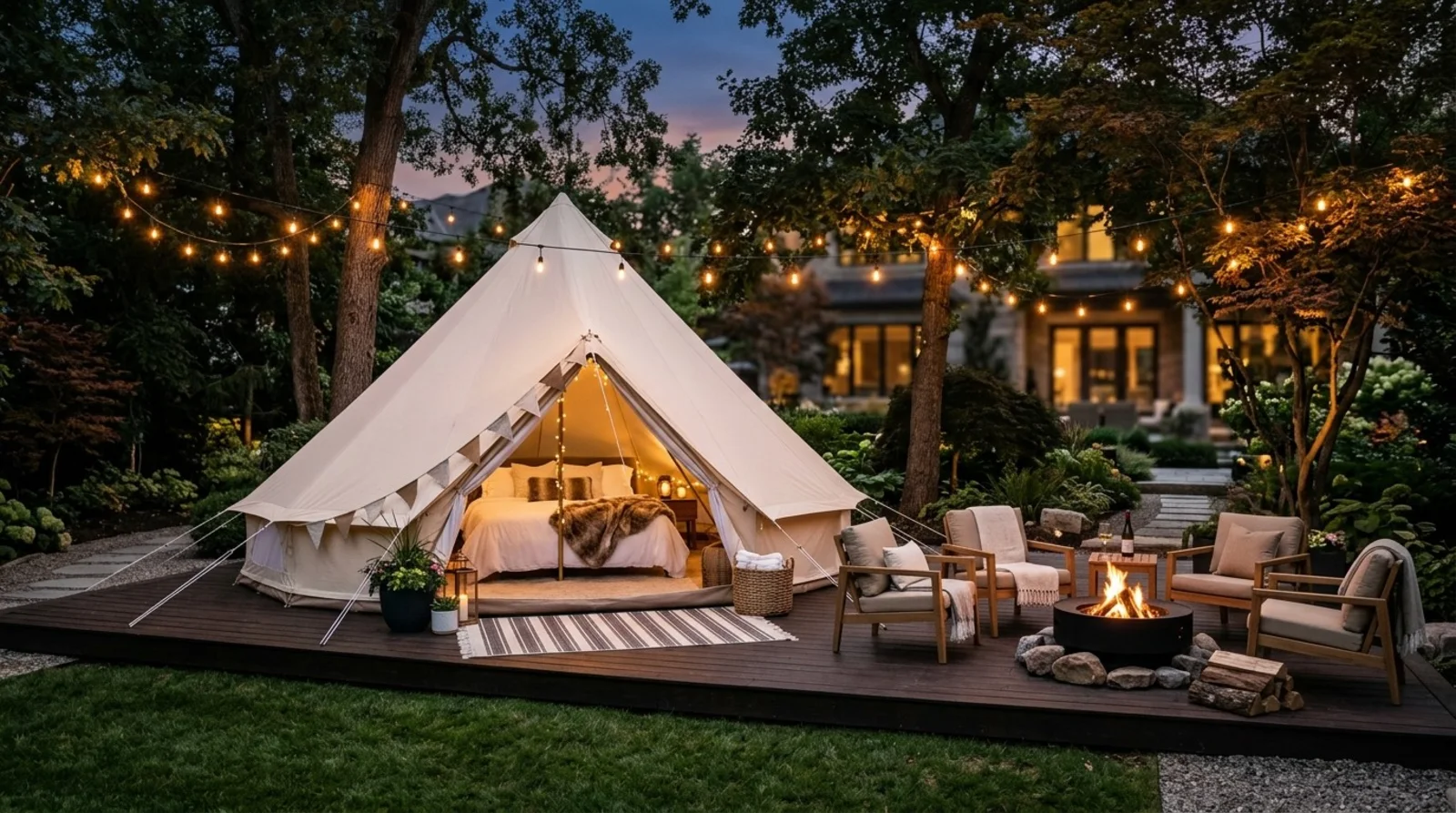
Since COVID-19 and more remote jobs, people want different things from their backyards. People now see their yards as extensions of their homes. Focus shifts to cozy, private spaces. They're needed year-round, for work-from-home setups and health.
Covered patios with heaters keep spaces usable, even in foggy or cold conditions here. Guests sleep in glamping tents. Or they become art studios or versatile chill zones.
Low-care yards and mood lighting add safety and style without much hassle. Wellness nooks with spots for meditation, cold dips, and saunas are in. They soothe body and mind.
The $25,000 Question: Maximizing Luxury Feel on a Limited Budget
Not every backyard renovation demands six-figure investments. You can enhance your space for $25,000 without big builds. Fire pits add warmth and beauty to gatherings.
Use pergolas, awnings, or trees for shade. Use solar lights for paths. LEDs work too. They add both security and atmosphere.
A tiny sauna or portable cold dip brings that resort vibe home. Maximize space with quality materials and smart layouts. Avoid the cramped look.
Permits and Codes: Navigating Bay Area Regulations for Backyard Additions
Compliance with local building codes and zoning regulations is a critical step often underestimated in backyard upgrades. Decks, sport courts, they need specific permits. Different rules apply.
No permit needed if it's under 120 square feet. Bigger glamping cabins? Plan on full permits and even site plans. Once decks go over 30 inches, the California Residential Code kicks in with railing rules and extra inspections.
Yard expansions can get tricky. Impervious surface limits and setbacks can confine your plans. Elk Grove? Check those local rules closely. Installing an outdoor kitchen with full plumbing and electrical? You'll need permits that align with CRC and California Electrical Code guidelines. For sport courts, keeping water away is key. Watch out for erosion. Good drainage and grading on site saves future headaches.
Want to skip expensive last-minute changes? Contact planning before drafting blueprints. References include the California Residential Code: https://codes.iccsafe.org/content/NCRC2018/appendix-v-swimming-pools-spas-and-hot-tubs/ and CAL FIRE WUI Guidelines: https://www.fire.ca.gov/programs/wildland-urban-interface-wui/.
Noise Considerations: Managing Pickleball Acoustics and Neighbor Relations
Pickleball courts pose unique acoustic challenges in close-knit Bay Area neighborhoods. Pickleball courts' sound really carries. Noise complaints can bring ordinance issues. Keeping it quiet helps avoid neighbor drama. Sound can be a problem. Think about court placement first, then look at dense fences and buffer plantings for noise control.
Position the courts where sound won't bother anyone, maybe even facing it away from nearby homes. Acoustic fencing, dense materials or panels, can drop noise levels by half, though it's a bigger upfront investment. Need a sound buffer? Go for thick hedges or raised earth berms, they're natural and effective.
Timers on court lights and planned play times keep peace since many towns have night noise limits. Early engagement with neighbors and transparent communication about court usage fosters better relations.
Wildfire and Drought as Design Constraints in Northern California
Designing backyards to withstand wildfire risk and drought conditions is non-negotiable in the Bay Area’s climate. Wildland Urban Interface rules shape what plants and materials you choose and how you layout everything.
Zone 0 means ember-resistant hardscape within five feet. Think concrete, stone, or metal instead of wood decking. Sacramento's dry? Ditch the grass. Swap in poppies or manzanita. They're drought resistant and safer from fire.
Rain barrels cut down your water bill. Use drip irrigation. Add permeable paving. Use metal roofs and fire-resistant siding to keep backyard kitchens and saunas safer. Consult CAL FIRE’s WUI guidelines and the Resilient Design Institute for detailed strategies: https://www.resilientdesign.org/.
Adapting Big Ideas for Small Suburban Yards
Many Bay Area homes sit on 1/8-acre lots or smaller, requiring creative approaches to incorporate popular backyard trends without overcrowding. Keep dining spaces compact in small areas. Don't forget your wellness corner.
Privacy’s really important when houses are close together. Screen yards but keep light. Privacy? Go with tall shrubs or vines. Make the most of your space with vertical gardens or small glamping pods.
On a tight lot, a pickleball half court fits if you manage noise and orientation. Cold plunge tubs? They're perfect for tight spaces. Easy to set up.
Maintenance Loads: What Each Luxury Feature Demands Annually
High-end backyard features deliver enjoyment but come with ongoing maintenance commitments that can impact long-term satisfaction and costs. Outdoor appliances need regular service. Maintenance makes a difference. Winterize pipes. Clean the grill. Stop freeze damage.
Resurfacing? Do this roughly every eight years. Keep courts tidy: fix fences, swap nets, clear debris. Annual professional checks keep zipline cables safe.
Check saunas often. Inspect mechanics, treat water, clean vents, and watch the vapor barrier. Waterproof canvas glamping tents each season. Treat for mold too. Don't forget maintenance costs before adding backyard extras.
Fading Trends and Designer Cautions
Despite social media popularity, some trends are losing favor among seasoned designers due to durability or practicality concerns. Inflatable hot tubs don't last. They also might clash with other backyard elements.
Artificial turf has heat retention problems. It's scrutinized for environmental effects, especially with droughts. Small lots can feel cramped with ziplines. Check liability issues.
Avoid over-customization. Focus on flexible, useful features. Natural materials and simple designs age well.
Outdoor Furniture and Finishes Built for Bay Area Conditions
Coastal air in the Bay Area demands tough finishes and furniture. Strong UV is a menace. Teak or coated aluminum last outside. Synthetic wicker holds up too. These resist rust and fading.
Solution-dyed acrylic fabrics are a smart choice. They resist mold and keep colors bright. Marine varnish and UV stains help wood decks last longer. Essential under harsh sun.
Stick with outdoor-rated materials from familiar brands. You dodge early replacements this way.
Designing for Year-Round Use: Heaters, Wind Screens, and Covered Structures
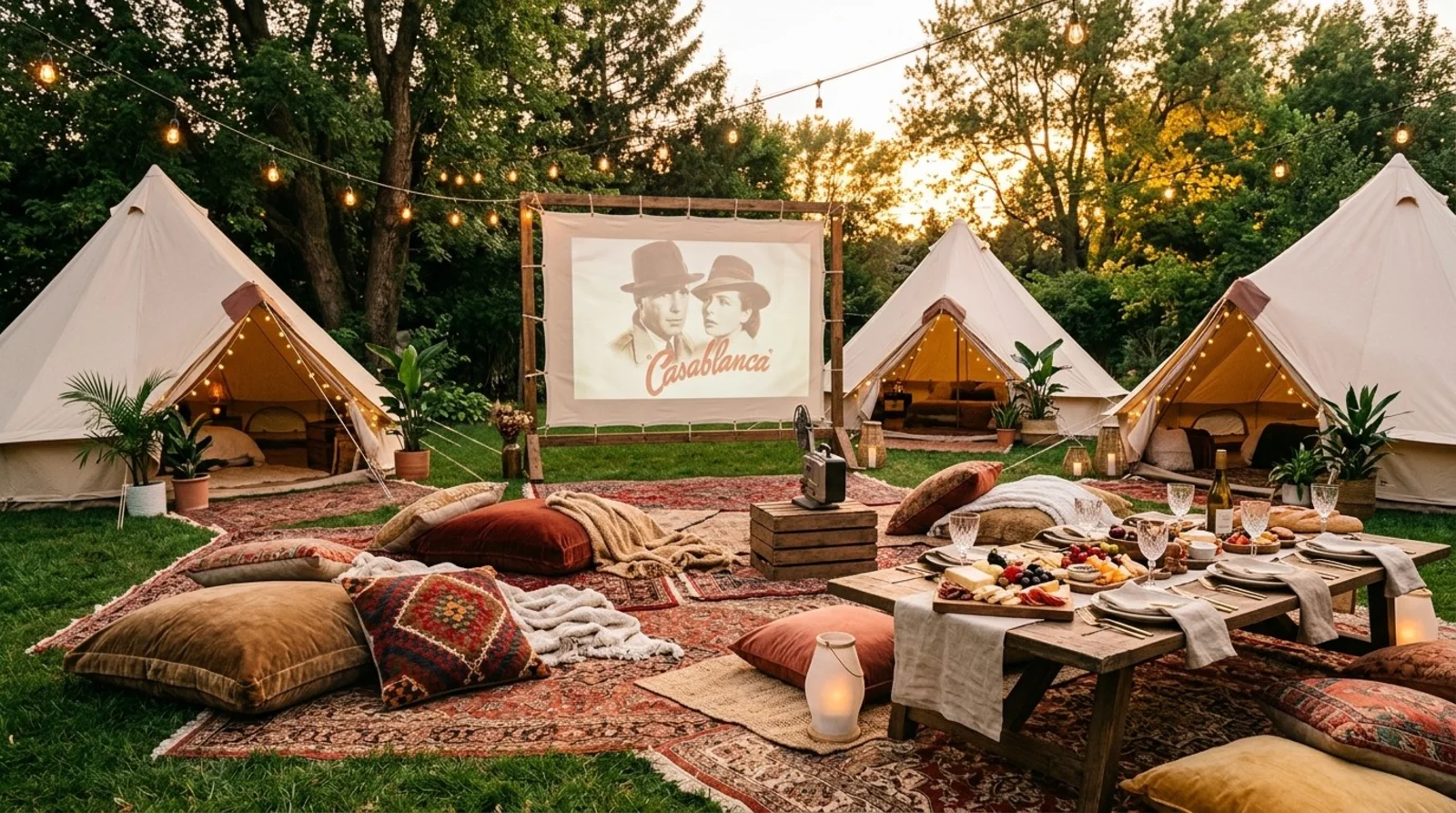
Moderate temps don't mean no challenges. Fog and wind require smart climate solutions. Infrared heaters and gas fire pits keep spaces cozy when it's cold. Electric heaters too.
Glass panels or dense plants stop wind without sacrificing the view. Use retractable canopies or covered patios to shield from weather. Essentials for year-round use.
Plan heaters and shelters early. It aids in wiring and cuts extras.
Biggest Mistakes Homeowners Make When Renovating Backyards
Common errors include prioritizing flashy features over functional flow, ignoring local codes, and underestimating maintenance. Ignoring drains or property lines means trouble.
Balance is key. Spaces for parties shouldn't waste away unused. Plan for spaces that adapt to any activity. Better value and satisfaction in the end.
Hire pros with local know-how. It saves you from big, expensive mistakes.
Observed Failure Mode
On the Pine Ridge Estates Project, I used a Bosch laser measure and a 4-foot Stabila level to verify the dimensions of the planned outdoor kitchen slab. I measured the clearance and realized the slab thickness was 2 inches less than the 6-inch minimum recommended in CBC Section 1907.1 for exterior concrete slabs supporting heavy equipment. During rough framing inspection of the glamping structure’s foundation, the Flir thermal camera revealed cold spots indicating moisture intrusion. The moment of dread came when drywall was removed around the sauna’s vapor barrier and we found wood framing saturated from condensation trapped by an unvented assembly conflicting with IRC R806.5. The hydrostatic pressure from poor site drainage against the pickleball court’s compacted base caused capillary break failure, allowing groundwater to saturate the subgrade, pushing moisture through the court’s asphalt binder layer and degrading the surface prematurely.
The Diagnostic Path & Code Conflict
- Hypothesis 1: The slab thickness was undersized and unable to support the weight of the commercial-grade grill and stone countertops.
- Maybe the sauna's vapor barrier wasn't installed right, causing condensation issues.
- Could be the subgrade for the pickleball court needed better drainage and a capillary break.
Concrete and moisture control codes weren't integrated well. The outdoor kitchen slab was expected to carry a live load of 100 psf, but the 4-inch slab without rebar or wire mesh was insufficient for Type V construction on a clay soil hillside. The sauna’s vapor barrier conflict arose because the IRC mandates a continuous air barrier combined with ventilation, but the design ignored required venting per IRC R806.5. For the pickleball court, ASTM D2321 outlines proper trenching and drainage standards that were not followed, resulting in premature failure.
They Don’t Know They Need This Yet: Critical Technical Insights
Many homeowners overlook technical details that can make or break their backyard projects. North-south courts reduce sun problems during play. Retaining walls and drainage are crucial for sloped lots.
Cold plunges need GFCI circuits. Waterproofing's essential for safety. For saunas, clearance and ventilation codes stop mold per IRC R806.5.
Glamping structures hover between non-habitable accessory buildings and ADUs. Watch out for insulation, plumbing, and foundations to dodge costly errors.
Homes in WUI zones might face higher insurance costs. Material choice and defensible space rules affect outcome strongly. Outdoor lighting must follow dark-sky standards to limit pollution. Drought-friendly designs help with safety.
FAQs People Actually Ask
Are these trends actually increasing home value, or are they just expensive fads?
Install a grill station, or set up a glamping tent. Creating more usable space can add value. Pickleball courts or ziplines won't suit everybody. Not all neighborhoods see value boosts.
How much does a backyard pickleball court cost in the Bay Area?
Budget between $80,000 and $150,000. Finish work varies, think about grading or adding some fencing. Costs shift a lot based on where you're working.
Do I need permits for a glamping structure?
Structures over 120 sq ft with utilities need a permit. Check local codes.
How do I minimize noise from a pickleball court?
Use sound-proof fencing and turn courts away from neighbors. Put in some plants to absorb sound. Keep the playtimes to daylight.
Can I install a sauna and cold plunge in a small yard?
Yes, smaller units fit well. Just ensure they meet regulations.
What maintenance should I expect for these features?
Service outdoor kitchens seasonally. Resurfacing? Do it every 8-10 years for pickleball courts. Check saunas and cold plunges regularly.
How do wildfire and drought affect backyard design?
Use ember-resistant materials near buildings. Go for drought-resistant plants. Stick to CAL FIRE codes.
Last reviewed: 2026-07-06. This analysis reflects California design standards and local building codes as of 2026-07-06.
❌ Before (What Went Wrong)
- The outdoor kitchen slab was measured to be 4 inches thick, which is less than the 6-inch minimum requirement per CBC Section 1907.1 for supporting heavy equipment.
- The sauna's vapor barrier was poorly set. Lack of vents trapped moisture, soaking the wood.
- The pickleball court’s subgrade lacked a proper capillary break and adequate drainage, resulting in hydrostatic pressure causing groundwater saturation and premature surface degradation.
✅ After (The Fix)
- Used a Simpson Strong-Tie HDU2 hold-down anchor to secure the slab and ensure proper thickness and support according to engineering specifications.
- We fixed the sauna's vapor barrier, added ventilation, and used spray foam to stop moisture.
- Laid a crushed stone layer to break capillary action. Geotextile fabric works well to redirect water.
Neighborhood Design Profiles in the Bay Area
Oakland Hills
Oakland Hills is renowned for its sprawling, early 20th-century estate homes and mid-century modern masterpieces. Many spots have big yards with old trees. Great spaces for pickleball or perhaps an outdoor kitchen. Expect Mediterranean Revival to Tudor homes from 1920s-1950s.
Add saunas? Cold plunge pools? Budget $150k to $350k. Stucco and stone. Add a zipline.
Oakland Hills folks blend indoor spaces with outdoor living. We get asked that a lot.
Berkeley Elmwood District
The Elmwood neighborhood features charming Craftsman bungalows and early 20th-century cottages, typically built in the 1910s and 1920s. Historic homes here show off wood siding, big porches, and fancy windows.
Outdoor kitchens or cold plunges. Pickleball gets a lot of requests too. Renovating older homes? Project budgets start at $100,000 and might soar to $250,000. Mix in updates but keep it classic.
Woodwork and stained glass? Sure. Put a sauna outside for contrast.
Elmwood homes blend old with a touch of new.
South San Francisco Industrial Area
This neighborhood is characterized by converted warehouses and modern loft-style homes, often built in the 1960s and 1970s. Big windows and concrete? These homes are ready for some outdoor creativity.
Everyone asks for ziplines with their new outdoor kitchens. For $200,000-$400,000, steel beams or concrete walls need some serious updates.
Steel beams and concrete walls scream for glamping set-ups or some fun outdoor touches.
Folks here want cool outdoor areas. It's all about those backyard retreats.
Piedmont
Piedmont is known for its stately, historic homes, many built in the early 20th century, featuring Colonial Revival and Classical Revival styles. Big, classic homes with perfect gardens need some love.
Want a kitchen or pickleball court? $250k to $500k. Full makeover. Columns and cornices work well with a sauna or glamping tent out back.
Piedmont loves swanky outdoor areas that look good and are fun.
Costs for Bay Area Backyard Design Trends in San Francisco County
Transforming your outdoor space into a modern oasis in the Bay Area involves investing in popular backyard design trends such as pickleball courts, glamping structures, ziplines, outdoor kitchens, saunas, and cold plunges. Know the costs for your outdoor dream. San Francisco project costs at a glance.
Key Cost Factors
- Design Fees: Engaging landscape architects or specialized designers typically costs between $100 and $250 per hour. Pickleball courts or an outdoor kitchen? Design fees begin around $2,000. If things complicate, could top $10,000.
- Permit Costs: Local regulations in San Francisco County require permits for many outdoor structures, especially for permanent installations like outdoor kitchens, saunas, and zip lines. Permits might start at $500 and could go up to $3,000.
- Contractor Coordination: Skilled contractors for excavation, construction, and installation typically charge 15-25% of the total project cost for coordination and project management.
- Contingency Budget: It’s advisable to allocate an additional 10-20% of your budget for unexpected expenses, especially considering the area's high labor and material costs.
Cost Comparison Table
| Project Type | Mid-Range | High-End | Ultra-Luxury |
|---|---|---|---|
| Pickleball Court | $15,000 - $25,000 | $25,000 - $40,000 | $40,000+ |
| Glamping Structure | $20,000 - $50,000 | $50,000 - $100,000 | $100,000+ |
| Zipline | $10,000 - $30,000 | $30,000 - $60,000 | $60,000+ |
| Outdoor Kitchen | $20,000 - $35,000 | $35,000 - $75,000 | $75,000+ |
| Sauna & Cold Plunge | $15,000 - $30,000 | $30,000 - $60,000 | $60,000+ |
Additional Considerations for San Francisco County
The Bay Area’s high labor costs, stringent permitting processes, and premium material prices influence the overall budgets for backyard projects. Heritage laws in Sacramento often add steps. Can get pricey. Team up with local pros who know the rules and save yourself some headaches and cash.
Upgrading your backyard in San Francisco County will make hanging out outside way better. Costs vary. A clear plan? Keeps costs steady.
The Design-Build Timeline
The development of backyard projects in the Bay Area, including pickleball courts, glamping structures, ziplines, outdoor kitchens, saunas, and cold plunges, typically follows a structured timeline to ensure smooth execution and compliance with local regulations. The process begins with the discovery phase, where clients and designers collaboratively assess site conditions, design preferences, and project scope. Plan for 2-4 weeks. Complexity plays a part. During the design development phase, detailed plans are created, incorporating California-specific considerations such as solar access and climate resilience. Count on 4-6 weeks. Central Valley weather will have its say.
The permits phase involves submitting plans for approval to the local county or city building departments. Permits drag 4-8 weeks due to California's rules. Ziplines and saunas need extra checks. The construction phase often lasts 8-16 weeks, depending on project size and weather conditions. Dry summers mean plan for cooler pours. Rainy winters? Don’t skip on drainage. Finally, the punchlist phase involves inspections, adjustments, and project completion, typically taking 1-2 weeks.
From start to end? Plan on 4 to 8 months. Weather shifts timing. Good planning wraps projects up fast while sticking to local rules.
Local Building Codes and Permits
In the Bay Area, backyard enhancements like pickleball courts, glamping structures, zip lines, outdoor kitchens, saunas, and cold plunges must comply with multiple local and state codes. Title 24 matters for energy rules here. Don’t overlook it. For example, solar energy requirements are governed by Title 24, Part 6, Section 150.1(a), ensuring new structures incorporate sustainable energy solutions. Additionally, the permit process varies by county; for example, Marin County’s permit portal can be accessed here. Prep involves drawing up plans, paying fees, and passing inspections.
California demands you follow ADA and age-friendly design rules too. These rules really count for long-use spots like outdoor kitchens or glamping setups. CEC keeps electricals safe, handling sauna hookups and grounding in your backyard.
Zoning is key for big things like ziplines or glamping setups. Get your permits sorted first. Otherwise, you risk fines or a stalled project.
With over a decade of Central Valley experience, you’ve got the insight you need.
What is the typical timeline for installing a backyard pickleball court in the Bay Area?
A pickleball court build in the Bay Area? Plan for a month or two. Site prep and permits are big factors. Alameda or San Francisco have requirements under Title 24, Section 110.3. Grading or structure changes usually need extra permits. Local code expertise smooths the approval process.
What is the estimated cost for adding a glamping structure in a luxury backyard in Palo Alto?
High-end glamping in Palo Alto? Around $150,000. Start smaller projects at about $50k. Sustainable cedar wins in Silicon Valley. It looks sharp and withstands weather. Santa Clara County Title 24 means permits. A pro designer helps handle all of that without hiccups.
Are ziplines feasible in Bay Area backyard projects, and what permits are needed?
Ziplines are hot in Bay Area backyards, especially on larger properties. However, they require careful planning regarding safety standards and local regulations. According to Santa Clara County Building Code (Title 24, Part 2, Chapter 35), a permit may be required, particularly if the structure involves significant height or anchoring into existing trees or structures. Get a licensed engineer. Safety and environmental rules come first.
What are the benefits and considerations for installing an outdoor kitchen in a luxury backyard in Berkeley?
In Berkeley, add an outdoor kitchen and your party is better, your home's value too. After a decade here, I say high-end appliances and weather-proof materials are what make a space pop. Permits go by Alameda County rules, see Title 24, Section 110.3 for specifics. Choose materials that laugh off the fog. A good contractor matches new designs to what's existing.
How long does it usually take to install a sauna and cold plunge in the Bay Area, and are there specific permits involved?
<Planning a sauna and cold plunge in the Bay Area? Could be a 6 to 12-week project. Santa Clara or San Francisco? Plumbing and electrical permits? You'll definitely need those. Check Title 24, Section 110.3 for specific codes. Cedar's great for saunas. Non-slip tiles go in cold plunge zones. They'll also manage inspections smoothly.
Talk to a licensed California contractor for advice on your project.
Amy Kunst, M.A. (CSUS)
NKBA Committee Member · Residential Design · Northern CA
Certified interior designer & published author with an M.A. from California State University, Sacramento (CSUS). NKBA Committee Member specializing in high-end residential design, universal design, and aging-in-place solutions. 10+ years experience.
Quick Links:
Sources & Professional References
This guide's positions on permits are grounded in published building-code, standards, and recognized design-authority sources, alongside Designed | Curated Interiors' verified credentials and active project files:
- International Code Council (ICC): Chapter 17 Special Inspections And Tests
- International Code Council (ICC): Careers In Code Enforcement
- NKBA, Amy Kunst Member Profile (verified credential, NKBA Committee Member)
- Featured in: Homes & Gardens (design expert quote, May 2026) · Sacramento Love (guest author, 2024)
Designed & Curated Interiors · Sacramento, CA
Ready to translate these principles into a Sacramento-area home? See our Sacramento interior designer guide for region-specific considerations.
Frequently Asked Questions
What are the zoning regulations for installing a pickleball court in my Bay Area backyard?
Rules shift. Check zoning laws before starting. Consult a local expert who's familiar with current rules.
How can I ensure my glamping structure is built sustainably?
Look for local materials. Try reclaimed wood to go green. Working with NKBA members can also help ensure sustainable practices are followed.
What are the safety requirements for installing a zipline in my backyard?
Ziplines require certified design. Title 24 keeps projects safe. Local authorities have the final word on regulations.
How much value does an outdoor kitchen add to my home?
Expect about 50% back on that kitchen. Better if made with quality products. However, its value can vary based on overall market trends and buyer preferences.
Working Notes
What We Have Learned Doing This: Ziplines. Glamping. Pickleball. Inside the Trends Shaping Bay Area Backyard Design
“Good rooms are built twice. Once on paper, once in the field.”
With more projects, bad taste seems minor compared to a wall hiding moisture or misplaced framing. Design matters, but how a room goes from plan to reality? That's the real challenge.
Old houses lie, and so do new ones. Even a ten-year-old house lies the moment you assume the framing sits where the plans say. We stopped trusting old drawings, prior contractor work, and the phrase it should be fine a long time ago. The budget needs a real line for what demolition will uncover, usually 15 to 20 percent once walls start opening.
Start by ordering materials that take the longest to arrive. Plan so the project keeps moving even if they aren’t here yet. The appliance, the stone, the custom millwork set the schedule, and pretending otherwise is how a project loses a month it never gets back.
These notes come from our own ziplines. glamping. pickleball. inside the trends shaping bay area backyard design project debriefs. Most were learned the expensive way the first time.