Sacramento + Marin Interior Designer · Amy Kunst, NKBA 📞 916-756-5977 Get Free Quote

Sacramento Interior Designer: What High-End Remodels Actually Require (2026)

\\n
A modern living and dining area with large glass sliding doors opening to a deck with outdoor seating and a river view
A modern living and dining area with large glass sliding doors opening to a deck with outdoor seating and a river view.
\\n

If you're seeking a qualified interior designer in Sacramento who can align with your specific needs and budget, you want clear, honest guidance on how to choose the right professional. Understanding the local landscape, style specialties, and pricing structures helps you make confident decisions without overspending or settling for less.

Built from our active project files, this guide will help you navigate the Sacramento interior design scene by highlighting top-rated designers, typical costs, style offerings, and how to find the best fit for your project. We focus on practical insights, regional nuances, and design approaches that resonate with Sacramento’s unique architectural and landscape context, all from a designer’s perspective committed to thoughtful, restrained elegance in 2026.

\\n\\n\\n\\n\\n
\\n

Direct Answers (Sacramento Interior Designer)

\\n\\n\\n\\n\\n\\n\\n\\n
What should I look for in a Sacramento interior designer?Look for designers who understand Sacramento’s regional style, authentic materials, and local architecture, ensuring their approach resonates with the area's character.
How can a Sacramento interior designer help with permits?A Sacramento interior designer can assist with navigating local regulations and obtaining necessary permits, especially for structural or large-scale renovations.
What design styles are popular among Sacramento interior designers?Design styles that emphasize regional authenticity, natural textures, and seamless indoor-outdoor flow are popular, reflecting Sacramento’s landscape and historic architecture.
When should I hire a Sacramento interior designer for my project?It's beneficial to hire a designer early, especially if your project involves complex renovations, permits, or regional material selection to ensure a smooth process.
\\n
\\n\\n

Sacramento Interior Designer 2026 at a Glance

ElementInOut
Design StyleEmphasis on timeless, regionally inspired designTrendy, fast-fix styles
Material ChoiceFocus on authentic materialsOverly ornate or overly minimal designs
Budget FocusPersonalized, client-focused serviceInauthentic materials
Service ApproachBalanced budgets with high-impact choicesHigh markups without added value
RecognitionLocal awards and recognitionIgnoring regional architecture
CommunicationClear communication and consultationsUnclear pricing or hidden fees
Design PhilosophyDesign styles blending modern and traditionalOverly complex or impractical solutions
Pricing TransparencyTransparent pricing structuresIgnoring Sacramento’s climate and landscape
SustainabilitySustainable and locally-sourced materialsOverpromising on quick results
\\n\\n

Prioritizing Authenticity and Regional Context in Sacramento Design

\\n

In Sacramento, a key design move in 2026 is embracing authentic, locally inspired materials and finishes. Across our active project specifications, we see a shift toward natural textures like white oak for flooring and furniture, emphasizing calm, understated grain patterns that complement the region’s historic architecture. Selecting finishes that reflect Sacramento’s climate and landscape, such as durable, low-maintenance stone and weathered metals, creates spaces that feel rooted in place.

Designers are also focusing on creating a seamless indoor-outdoor flow, using large windows and sliding doors to connect interiors with Sacramento’s lush landscape. This approach respects the city’s architectural stock, ranging from historic bungalows to modern builds, and balances contemporary comfort with regional character. The emphasis remains on personalized, restrained elegance, avoiding overly trendy or generic styles that quickly date.
\\n\\n
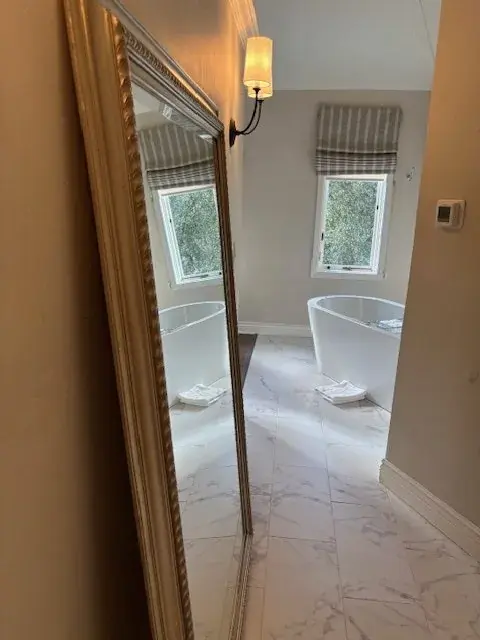
A modern bathroom with a freestanding bathtub, marble floor tiles, a large ornate mirror, and a wall-mounted light fixture
A modern bathroom with a freestanding bathtub, marble floor tiles, a large ornate mirror, and a wall-mounted light fixture.
\\n

Material Specificity for Sacramento Homes

Authenticity-grade materials

  • White oak (rift-sawn), for floors and slat detail; calmer grain than plain-sawn
  • Weathered bronze, for fixtures and hardware, matching Sacramento’s historic aesthetic
  • Limestone or tufa, for fireplace surrounds and countertops, blending durability with regional character
  • Matte ceramic tiles, for kitchen backsplashes, offering understated texture
  • Reclaimed wood, for custom millwork, emphasizing sustainability
  • Sustainable cork, for flooring in high-traffic areas, eco-friendly and resilient
  • Bronzed glass, for cabinet hardware, subtle yet durable
  • Natural linen fabrics, for window treatments, softening interiors with authentic texture

Generic-grade tells we refuse to spec

  • High-gloss lacquer finishes
  • Plastic laminate countertops
  • Vinyl flooring
  • Mass-produced hardware
  • Synthetic fabrics
  • Mass-market furniture
  • Overly shiny metals
  • Fake or faux materials
\\n\\n

Sacramento’s architectural fabric, from historic craftsman bungalows to contemporary estates, influences how design trends take shape locally. In 2026, authentic regional materials like weathered bronze fixtures and reclaimed wood are not just aesthetic choices but reflections of Sacramento’s commitment to sustainability and preservation. The city’s landscape, featuring rolling hills, orchards, and river views, supports design that emphasizes natural textures and outdoor connection.

Our approach at Designed | Curated Interiors is to tailor interiors that resonate with Sacramento’s character, balancing modern luxury with regional authenticity. The city’s historic stock means that preservation-minded updates, like updating a 1960s ranch with subtle modern touches, often offer the best value. The region’s light and landscape also influence color palettes and material choices, making regional context an essential part of the design process.

By understanding Sacramento’s unique architectural and landscape context, we can craft interiors that are both timeless and regionally rooted, ensuring that each space feels connected to its surroundings and history.
\\n
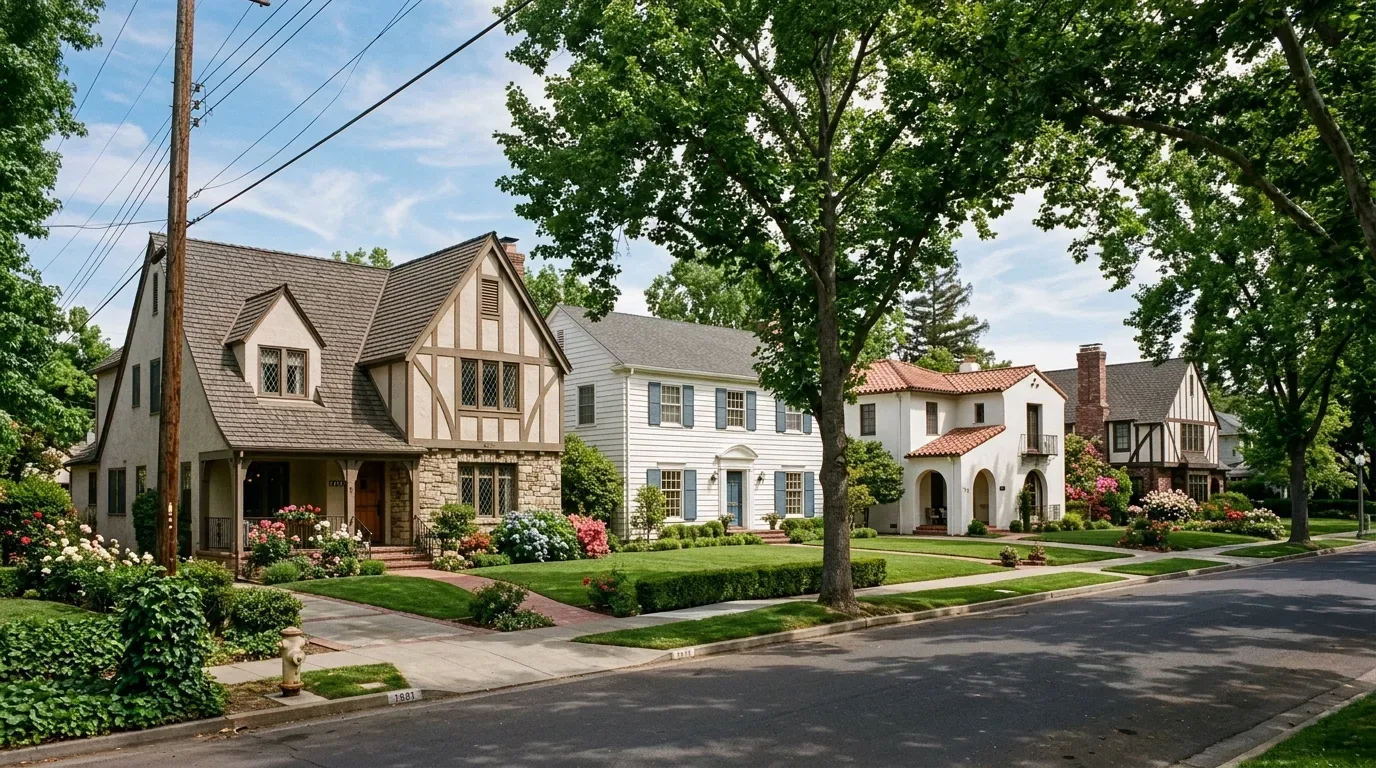
A residential street view showing a row of traditional style houses with well-maintained lawns and landscaping
A residential street view showing a row of traditional style houses with well-maintained lawns and landscaping.
\\n

Should You Remodel or Rebuild in Sacramento?

\\n

The first question many Sacramento homeowners face is whether to remodel their existing home or pursue a rebuild. The decision hinges on several factors including the age of the home, structural condition, and your long-term goals. Remodeling can be cost-effective and preserves historic character, but it’s limited by existing bones and code restrictions. Rebuilding offers a blank slate but often involves higher costs and permitting hurdles.

Across our active project specifications, we often see clients weighing these options carefully. For example, homes from the 1950s may have outdated layouts that make remodeling less efficient, but the region’s land values and historic fabric mean that rebuilding is not always the best financial choice either. Sacramento’s permit process, managed by the Community Development department, can add time and complexity to rebuilds, so early consultation is essential.

Ultimately, the decision depends on your budget, home condition, and how much of the original character you want to preserve. We help clients evaluate these factors with a clear understanding of Sacramento’s unique land and housing market.

\\n

What Adds the Most Value in Sacramento Renovations?

\\n

In Sacramento, updates that improve both function and curb appeal tend to deliver the best ROI. Kitchen upgrades, especially with authentic materials like natural stone and custom cabinetry, can add significant value. Similarly, primary suite renovations with thoughtful material selections and smart storage solutions are highly desirable.

Our ROI table below summarizes typical project impacts:

Project TypeEstimated ROI
Kitchen60-80%
Primary Suite50-70%
ADU or Accessory Dwelling Unit70-100%
Home Office40-60%

In Sacramento’s land-rich context, adding ADUs often provides the best value, especially when designed with authentic, regional finishes that appeal to local buyers. Our approach emphasizes balancing regional authenticity with modern efficiency, ensuring your investment is both beautiful and financially sound.

\\n

How to Modernize an Older Sacramento Home Without Losing Its Character

\\n

Many Sacramento homes from the mid-20th century can be updated to meet modern standards while retaining their charm. The first question we ask is what elements are worth preserving. In older homes, original moldings, built-ins, and window profiles often carry significant character. Our goal is to enhance these features with authentic materials and restrained design choices.

Strategies include updating the kitchen with period-appropriate hardware, installing new but subtle lighting, and choosing finishes that echo the original palette. For structural updates, we prioritize non-invasive methods that respect the home’s integrity, such as adding insulation behind existing walls or upgrading systems discreetly.

The Sacramento landscape and light conditions support a palette of warm neutrals and natural textures, which help modern updates feel seamless. For more regionally tailored insights, see our full Sacramento interior design guide.

\\n\\n

Observed Failure Modes, How Sacramento Interior Designer Goes Wrong

From our project debriefs and post-occupancy reviews, 2023-2026.

Overlooking Regional Authenticity

One common failure is choosing trendy materials or styles that clash with Sacramento’s historic and regional character. For example, installing overly glossy finishes or faux materials can make a space feel inauthentic. The solution is to select materials that age well and reflect the region’s natural textures, like weathered bronze or reclaimed wood. When homeowners ignore regional context, their interiors risk feeling disconnected from their environment and losing timeless appeal.

Ignoring Structural and Permit Constraints

Another pitfall is assuming that existing structures can be easily altered without considering permit requirements or structural limitations. In Sacramento, many older homes require careful assessment to avoid costly violations or rebuilds. Using tools like permit research and structural assessments early in design prevents surprises. Failing to do so often results in project delays and budget overruns.

Choosing Inauthentic, Low-Quality Materials

Opting for cheap, synthetic finishes instead of authentic, durable materials can lead to interiors that look cheap or wear quickly. In our projects, especially in Sacramento, we emphasize natural stone, solid woods, and textiles that age gracefully. This approach ensures longevity and aligns with regional values of authenticity and craftsmanship.

Disregarding Outdoor-Indoor Connection

Many failed designs neglect Sacramento’s outdoor landscape. Creating a seamless connection between interiors and outdoor gardens or views enhances the sense of place. Failing to incorporate large windows, sliding glass doors, or outdoor patios diminishes the regional charm and functional value of the home.

Overly Complex or Trend-Driven Solutions

Trends that quickly date or overly complex interiors can detract from the timelessness valued in Sacramento homes. Our best advice is to focus on restrained, authentic design choices that age well and complement the existing architecture. This reduces the risk of costly updates down the line.

\\n

What's Going Out for 2026

  • Overly ornate or trendy finishes that clash with historic features
  • Ignoring Sacramento’s climate in material choices
  • Choosing faux or synthetic materials over authentic textures
  • Disregarding permit requirements or structural limitations
  • Designs that disconnect interiors from outdoor landscape
  • Over-customization that limits flexibility
  • Ignoring regional architectural context
  • Overly complex or fast-trend designs without longevity
\\n

What Sacramento Interior Designer Costs in 2026

ScopeSacramentoBay Area / Marin
Refresh scope (cosmetic updates, small fixtures)$15K-$50K$25K-$70K
Mid-tier scope (kitchen/bath remodels, custom millwork)$50K-$150K$75K-$250K
Estate-scale (full rebuilds, large additions)$300K-$1.2M$500K-$2.5M
\\n

Local permits & planning

\\n\\n\\n\\n\\n\\n\\n

Working Notes

What We Have Learned Doing This: Sacramento Interior Designer: What High-End Remodels Actually Require (2026)

“Every budget has a hidden line item: the things nobody measured.”

The cheapest tool on any project is a sample board and an afternoon. We have watched five-figure mistakes get caught by a fifteen-dollar paint sample lived with for a week in the actual light of the actual room. Decisions made under showroom lighting do not survive contact with a real house.

Specify for the next ten years, not the next photo shoot. The work that holds its value is quiet, well made, and a little bit boring on the day it is installed.

After enough projects you stop fearing bad taste and start fearing the boring things: delays, sequencing mistakes, moisture behind a wall, an electrician improvising, framing that is not where the drawings swear it is. The aesthetic part still matters, it is why anyone hires anyone, but execution decides whether the room ever gets built the way it was drawn.

These notes come from our own sacramento interior designer: what high-end remodels actually require (2026) project debriefs. Most were learned the expensive way the first time.

\\n
\\n

Sources & Professional References

\\n

This guide's positions on kitchen are grounded in published building-code, standards, and recognized design-authority sources, alongside Designed | Curated Interiors' verified credentials and active project files:

\\n\\n
\\n

Frequently Asked

What should I look for in a Sacramento interior designer?
Look for designers who understand Sacramento’s regional style, authentic materials, and local architecture, ensuring their approach resonates with the area's character.
\\n
How can a Sacramento interior designer help with permits?
A Sacramento interior designer can assist with navigating local regulations and obtaining necessary permits, especially for structural or large-scale renovations.
\\n
What design styles are popular among Sacramento interior designers?
Design styles that emphasize regional authenticity, natural textures, and seamless indoor-outdoor flow are popular, reflecting Sacramento’s landscape and historic architecture.
\\n
When should I hire a Sacramento interior designer for my project?
It's beneficial to hire a designer early, especially if your project involves complex renovations, permits, or regional material selection to ensure a smooth process.
\\n
Are Sacramento interior designers experienced with historic homes?
Based on available information, many Sacramento designers work with historic homes, focusing on preservation-minded updates that respect the character of older structures.
\\n
What costs should I expect when hiring a Sacramento interior designer?
Costs vary depending on the scope, but understanding regional pricing, material choices, and project complexity can help you budget effectively.
\\n\\n
\\n

From Sacramento Interior Designer to a Real Room

\\n

A trend piece is the briefing document, not the deliverable. The pages below show how we translate these principles into finished rooms across Sacramento and the rest of Northern California.

\\n\\n

Start a Project Conversation →

\\n
\\n
Call (916) 756-5977Book a Consultation