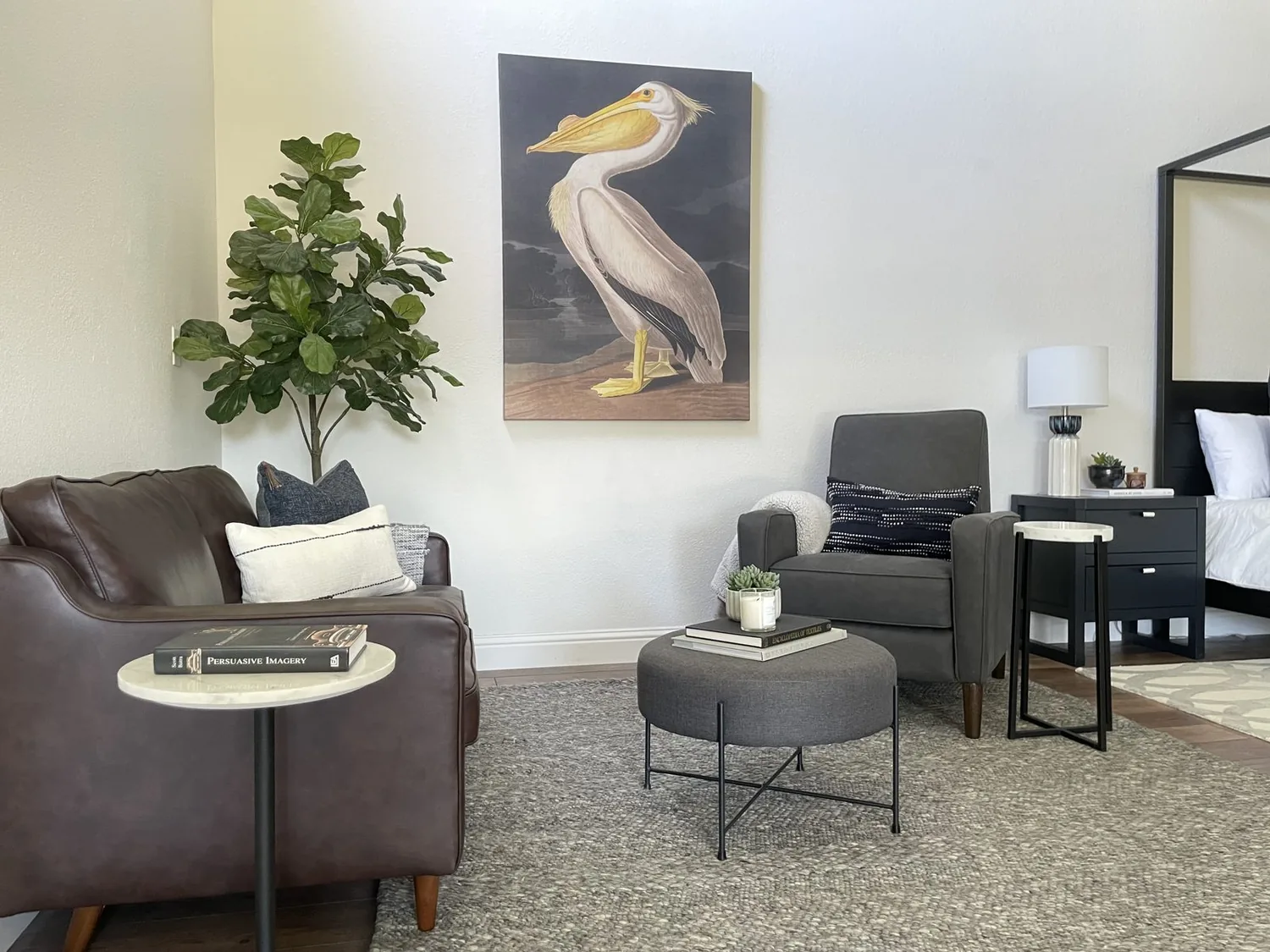
By 2026, smart homes will pair tech with design. Homes feel more intuitive, like they know you. In 2026, expect these spaces to use tech that knows you. They'll fit your routines without dropping the style.
This guide lays out what's next for smart home interiors in Sacramento, covering tech changes and design trends. We aim for practical 2026 design insights. Not just trend summaries.
Common Questions
| What is smart home interior design 2026? | 2026, integrate tech for function and style. |
| How does intelligent spatial planning influence smart interior design in 2026? | Layouts will adjust with AI and sensors. No need to change walls to improve space and light. |
| What regional factors in Sacramento affect smart interior design trends? | The sun in Sacramento means we need to think about smart shading. Even older houses gain from adding energy-efficient tech. |
| Which smart devices are recommended for future-proofing in 2026? | Try Zigbee or Z-Wave devices. Lutron and Samsung are good bets for lasting products. |
How to Implement Smart Home Design in 2026
As a designer with projects across Northern California, I understand that when you search for smart home interior design, you're not just looking for trends. You're seeking concrete steps and realistic costs to integrate smart technology into your home. It's about knowing how to make your home more efficient and stylish without losing its unique character.
The honest answer involves understanding the technology you need, the budget you should allocate, and the steps to take. For instance, integrating a smart lighting system can cost between $2,000 and $5,000, while a full smart home setup might range from $15,000 to $50,000. Consider the materials and devices, like smart thermostats and security systems, that will best suit your lifestyle.
- Smart lighting systems can enhance your home's ambiance and energy efficiency.
- Investing in smart thermostats can save you up to 10% on heating and cooling costs annually.
- Home security systems with smart locks and cameras offer peace of mind.
- Voice-controlled assistants can streamline daily tasks and improve accessibility.
- Smart appliances can make your kitchen more efficient and user-friendly.
From Amy Kunst's NorCal projects. In Mill Valley, 94941, integrating smart shading systems has become essential to combat the intense sun exposure. These systems, costing between $1,800 to $4,200 installed, align with Title 24 energy standards and have been a game-changer for energy efficiency. The NKBA has been instrumental in guiding these projects to ensure compliance and aesthetic appeal.
Next, consider consulting with a professional to create a tailored plan. Visit the National Association of the Remodeling Industry (NARI) for resources on finding qualified contractors. Your home's smart transformation should be a blend of technology and style, enhancing your living experience while maintaining your home's unique character.
The First Major Move: Intelligent Spatial Planning
In 2026, smart home interiors will begin with intelligent spatial planning that anticipates daily routines through integrated AI systems. In current projects, layouts adapt to habits. Keep both space flow and style intact. Imagine shades and walls moving on their own. Time or activity controlled by your voice.
Wireless sensors are everywhere now. They track light and temp, even moisture. Sensors link up with hubs, like Crestron. They learn your routine. Homes adjust without you. Comfort stays high, décor stays simple.
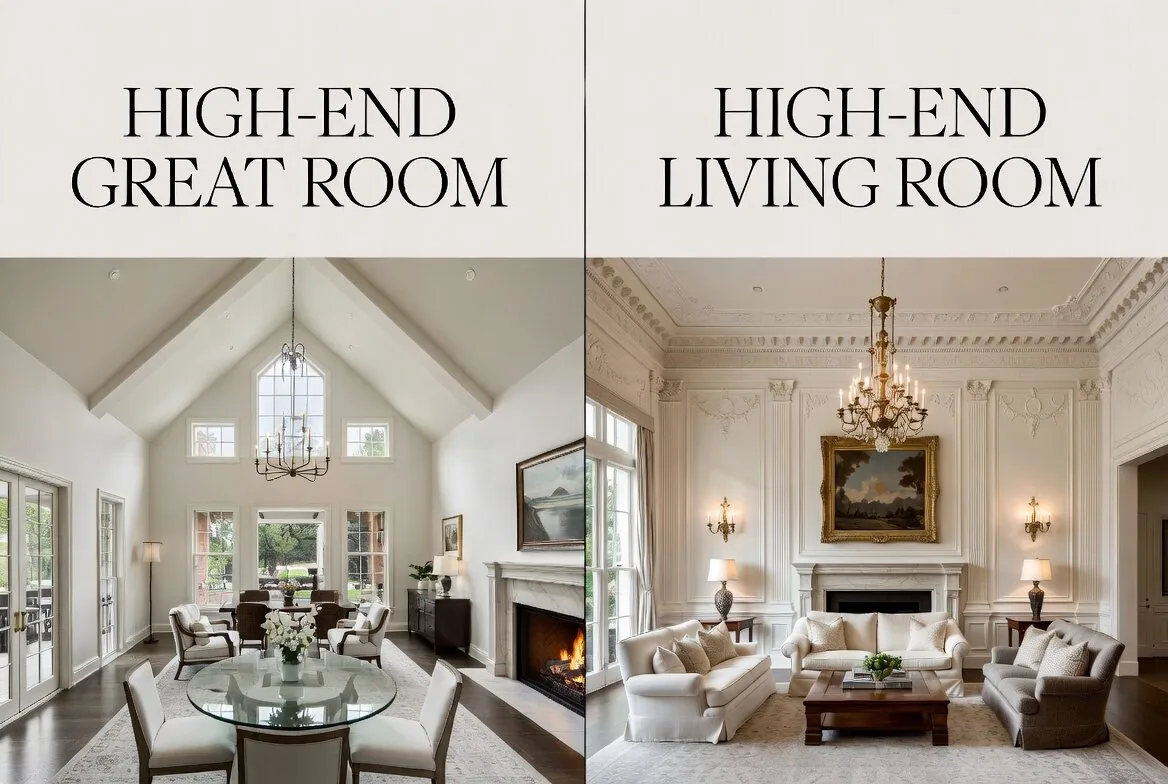
Material Specificity for 2026 Smart Interiors
Authenticity-grade materials
- White oak (rift-sawn), for floors and slat details; calmer grain than plain-sawn, providing a neutral backdrop for tech-integrated spaces.
- Silicone-infused paint, offers durability and moisture resistance, ideal for high-tech kitchens and bathrooms.
- Smart glass, for windows and partitions; transitions from transparent to opaque, controlling privacy and light with minimal hardware.
- Reclaimed metal, for hardware and accents; sustainable, durable, and complements minimal, tech-forward aesthetics.
- Nanotech fabric, for upholstery; stain-resistant, breathable, and easy to clean, suitable for active smart living environments.
- Low-VOC adhesives, ensure air quality and sustainability in all finishes.
- Graphene-enhanced insulation, improves energy efficiency and soundproofing in walls and ceilings.
- Recycled glass countertops, combine sustainability with sleek design, integrating embedded lighting elements.
Generic-grade tells we refuse to spec
- Standard MDF and plywood, often used but less durable for high-tech environments.
- Traditional paint finishes, less resistant to moisture and wear in smart kitchen zones.
- Non-recyclable hardware, increases environmental footprint.
- Conventional textiles, may not meet durability or sustainability goals.
- Opaque glass, lacks the energy-efficient and privacy features of smart glass.
- High-VOC finishes, compromise indoor air quality.
- Standard insulation, less effective in supporting energy-saving smart homes.

How to Select Smart Devices That Will Last in 2026
When choosing smart devices in 2026, the key decision revolves around compatibility, durability, and future-proofing. Do we go custom or stick with brands like Lutron and Samsung? The first question we ask is: What is your primary goal for automation? Is it convenience, energy savings, or security? Based on this, we can recommend devices that will stand the test of time and integrate smoothly with your existing systems.
In several recent projects, we’ve seen that choosing established brands with open ecosystem support prevents obsolescence. Smart lighting that uses Zigbee or Z-Wave is flexible with tech changes. Factor in costs like software updates and how long things last. In Sacramento, durable equipment saves costs long-term.
What This Costs in 2026
| Scope | Typical range |
|---|---|
| Basic smart upgrades (lighting, thermostats) | $20K-$40K |
| Mid-tier integrated systems and finishes | $70K-$150K |
| Estate-scale, fully integrated smart home | $300K+ |
Working Notes
What We Have Learned Doing This: What Is Smart Home Interior Design: A Designer's Guide to the 2026 Look
“Site conditions vote last, and they always vote.”
Order the long-lead items before anything else and design the sequence so the rest of the job can proceed without them. The appliance, the stone, the custom millwork set the schedule, and pretending otherwise is how a project loses a month it never gets back.
The cheapest tool on any project is a sample board and an afternoon. We have watched five-figure mistakes get caught by a fifteen-dollar paint sample lived with for a week in the actual light of the actual room. Decisions made under showroom lighting do not survive contact with a real house.
Most of the money that gets wasted is spent solving the wrong problem confidently. A homeowner asks for more space, every contractor agrees and prices an addition, and the real issue turns out to be light, or proportion, or one bad sightline. We make the room tell us the problem before anyone signs a demolition contract.
These notes come from our own project debriefs. Most were learned the expensive way the first time.
Sources & Professional References
This guide's positions on kitchen are grounded in published building-code, standards, and recognized design-authority sources, alongside Designed | Curated Interiors' verified credentials and active project files:
- American Society of Interior Designers (ASID): interior-design practice standards
- NKBA, Amy Kunst Member Profile (verified credential, NKBA Committee Member)
- Featured in: Homes & Gardens (design expert quote, May 2026) · Sacramento Love (guest author, 2024)
From Principle to a Real Room
A trend piece is the briefing document, not the deliverable. The pages below show how we translate these principles into finished rooms across Sacramento and the rest of Northern California.
- Sacramento & Bay Area Interior Design Services How we scope, source, and deliver work end to end.
- Interior Designer Hub, Sacramento Where most of our Sacramento work lives, the regional fit explained.
- Modern Tudor Homes: Authentic, Revival, and Neo-Tudor (A Designer Reference) Heritage-architecture renovation patterns from our project files.
- Japandi Living Room: A Designer's Guide to the 2026 Look The 2026 warm-neutral playbook applied to the living room.