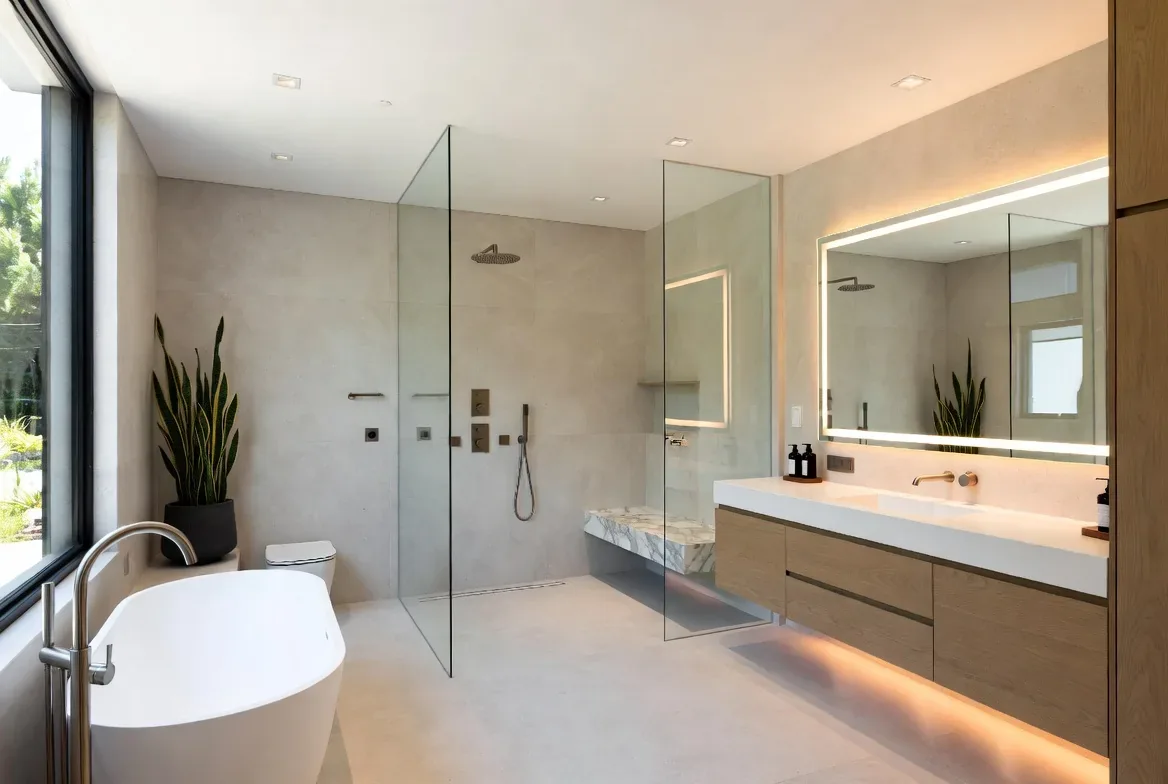
Figure out your style. Your home ends up feeling complete. Your style guides every choice, from sofas to paint, for a home that feels real. This style quiz zeroes in on what clicks with your vibe, making home curation in Sacramento or Marin a breeze.
Built from our active project files, this guide will walk you through how to determine your unique decor style, the key elements that define different styles, and how to incorporate your findings into your existing layout. We’ll also share visual examples and practical tips for blending your style with architectural features, making sure your home feels personalized and timeless in 2026.
Common Questions
| What is your home decor style quiz? | It’s a 10-question multiple-choice quiz that takes about five minutes to complete. The questions focus on color palettes, material textures, and functional priorities—like whether you prefer open shelving or built-ins—to narrow down your core aesthetic. |
| How does the home decor style quiz work? | You answer questions about your favorite textures (e.g., matte vs. glossy), color schemes (e.g., warm neutrals vs. jewel tones), and how you use spaces (e.g., entertaining vs. quiet reading nooks). The results generate a ranked list of styles—like Modern Farmhouse or Mid-Century—paired with material recommendations (e.g., reclaimed oak vs. whitewashed shaker) based on your responses. |
| Why should I take a home decor style quiz? | It cuts through the guesswork by giving you a clear starting point for materials, layouts, and even regional adaptations—like choosing durable finishes for Sacramento’s heat or moisture-resistant options for coastal Marin homes. Without it, you risk overspending on trends that don’t fit your daily habits. |
| Can the quiz reflect regional influences like Sacramento’s architecture? | Yes. The quiz includes questions about your home’s architectural style (e.g., Craftsman details, mid-century sloped roofs) and climate needs (e.g., ‘Do you deal with high humidity?’). For example, it’ll flag low-VOC paints for indoor air quality in Davis or suggest stone countertops for heat resistance in Sacramento’s summers—no fluff, just practical matches. |
What Is My Home Decor Style Quiz 2026 at a Glance
| Element | In | Out |
|---|---|---|
| Authenticity | Current focus on authentic materials | Ignoring personal preferences |
| Trendiness | Emphasis on personalized style discovery | Overly trendy choices |
| Context | Blending modern with traditional elements | Ignoring architectural context |
| Uniqueness | Use of natural textures and tones | Using generic decor themes |
| Mixing | Sustainable and timeless palettes | Overcomplicating the style mix |
| Materials | Increased interest in regional influences | Neglecting material authenticity |
| Regionally Inspired | Interactive, digital style quizzes | Ignoring regional influences |
| Practicality | Focus on comfort and practicality | Choosing styles without self-reflection |
The First Major Design Move: Identifying Your True Style
Determining your home decor style begins with a process of self-discovery and observation. People usually stick with what feels natural for them. The first step is to analyze what appeals to you visually, do you prefer clean lines and minimalism, or are you drawn to layered textures and eclectic details?
Look at Pinterest or flip through a design mag. Visit a showroom. Notice patterns in colors or shapes. The American Society of Interior Designers emphasizes the importance of authenticity and regional relevance, so consider how your Sacramento surroundings, light, landscape, architectural styles, influence your choices. Try an online style quiz for clarity, though hands-on is where quirks shine. Once your style's locked, furniture picks get easier, standing strong over time.
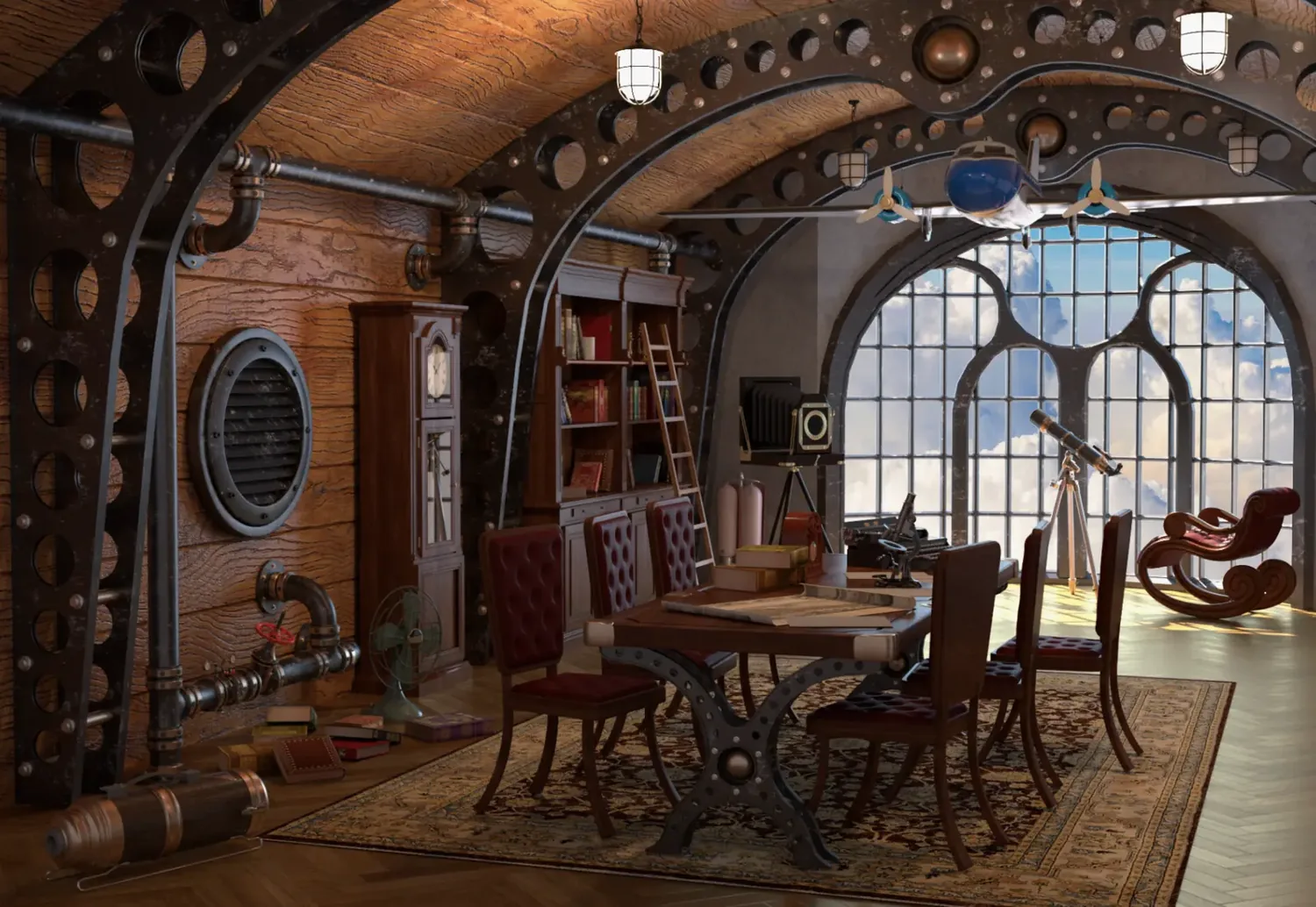
Material Specificity in 2026: Authentic Choices That Last
Authenticity-grade materials
- White oak (rift-sawn), for floors and slat detail; calmer grain than plain-sawn
- Limestone, for countertops and accents; durable and naturally textured
- Brass, for hardware and fixtures; warm, aging gracefully over time
- Matte ceramic tiles, for backsplashes; understated and easy to maintain
- Reclaimed wood, for furniture and accents; sustainable and adds history
- Natural linen, for curtains and upholstery; soft texture and breathability
- Concrete, for modern vanities and floors; versatile and raw yet refined
- Glass, for cabinet fronts and partitions; light-enhancing and sleek
Generic-grade tells we refuse to spec
- Polymer composites that mimic natural stone
- Mass-produced laminate countertops
- Veneer wood that looks real but isn't sustainable
- Synthetic textiles that imitate natural fibers
- Painted MDF instead of solid wood
- Mass-market ceramic tiles with printed patterns
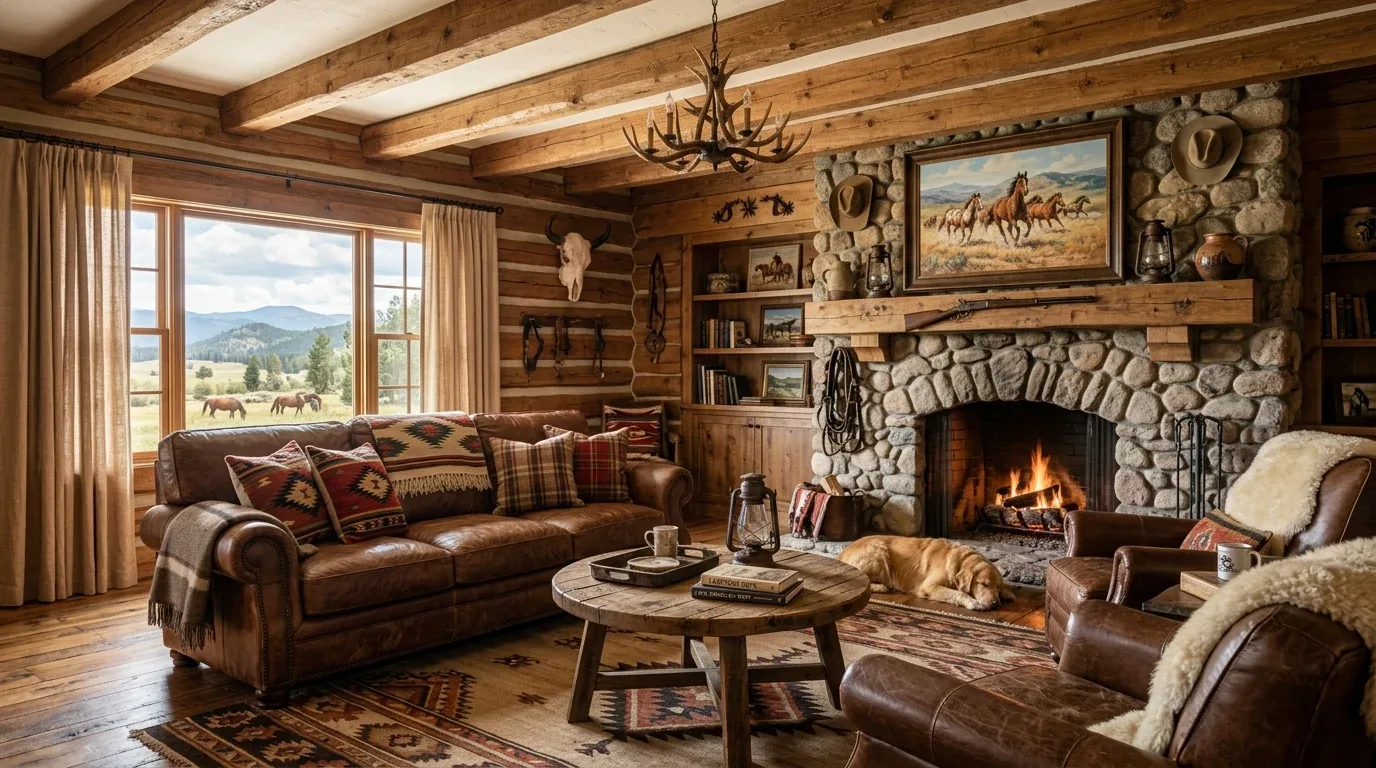
How to Choose a Decor Style That Truly Reflects You
The core question many homeowners face is whether their style choice will stand the test of time and truly reflect their personality. The first question we ask is: what emotions or themes do you want your home to evoke? Do you prefer a calm, subdued environment or a vibrant, energetic one? Think about what your home feels like. What colors make you happy? What's your daily flow? Analyzing these preferences helps narrow down your style options.
Look at your home's architecture. In Sacramento, a Craftsman pairs nicely with rustic touches. Pinterest and mood boards show common themes. Do you like warm textures or sleek finishes? Knowing your style simplifies furniture choices.
Sizing and Material Specifications for Your Style
Knowing the right sizes and materials is crucial to achieving your style without overspending or compromising functionality. Most kitchens suit a 36-inch range. Go for a 48-inch range in bigger kitchens. High ceilings? Think statement lighting. Standard height? Go for smaller pieces.
When selecting materials, authenticity counts. Across our active projects, we prefer natural finishes like white oak for flooring and limestone for countertops because they age gracefully and add warmth. For custom cabinetry, we often specify solid wood over veneered alternatives to ensure longevity. For fixtures, brass or matte black finishes add character and blend well with traditional or contemporary styles. The National Kitchen and Bath Association’s guidance on sizing and material authenticity helps ensure your choices support both your style and daily use.
Remodel or Rebuild: Making the Right Choice
Many Sacramento homeowners ask whether they should remodel their existing home or consider rebuilding to achieve their ideal style. The first question we ask is: what is the core issue, layout, structural integrity, or aesthetic? People often think a full rebuild is needed. A smart remodel can work. One homeowner wanted a more open space. We initially thought a large addition was needed, but by using a measuring tape and site photos, we discovered that reconfiguring existing walls and improving natural light could deliver the same effect without the six-figure expense.
In Sacramento’s land-rich neighborhoods, preserving character and reducing costs can be wise. The permit process is often unpredictable, so verifying requirements early with Sacramento’s permit services is essential. Picking the right materials and adjusting the layout can lower expenses.
Common Mistakes to Avoid When Defining Your Style
We often see homeowners making avoidable errors that compromise their style or budget. Trendy hardware can drain your budget. Regrets come from choosing a style that doesn't fit the house. Sacramento sun’s tough. Wrong materials mean faster replacements. Avoid these issues by using regional materials that match the home's style.
What's Going Out for 2026
- Overly trendy finishes that quickly date the space
- Ignoring regional influences and natural light
- Choosing materials that aren’t authentic or durable
- Disregarding the existing architectural style
- Mixing styles without a unifying theme
- Overcomplicating the decor with too many competing elements
- Neglecting scale and proportion in furniture and fixtures
- Skipping regional permit and building code checks
What This Costs in 2026
| Scope | Typical range |
|---|---|
| Basic styling consultation | $3K-$7K |
| Full material and furniture selection | $12K-$30K |
| Complete style overhaul with custom finishes | $40K-$100K |
Working Notes
What We Have Learned Doing This: What Is My Home Decor Style Quiz: A Designer's 5-Question Test
“Sequence beats speed. Every time.”
Most of the money that gets wasted is spent solving the wrong problem confidently. A homeowner asks for more space, every contractor agrees and prices an addition, and the real issue turns out to be light, or proportion, or one bad sightline. We make the room tell us the problem before anyone signs a demolition contract.
Order the long-lead items before anything else and design the sequence so the rest of the job can proceed without them. Don't ignore install times. Appliances, stone, and custom millwork dictate the timeline. Lose a month without them playing nice.
A renovation is a dependency chain, not a list of tasks. A two-day cabinet delay quietly becomes a two-week slip by week sixteen because every trade downstream is holding a calendar. The least glamorous part of this work, and the most valuable, is keeping that chain from cascading.
These notes come from our own project debriefs. Most were learned the expensive way the first time.
Sources & Professional References
This guide's positions on materials are grounded in published building-code, standards, and recognized design-authority sources, alongside Designed | Curated Interiors' verified credentials and active project files:
- American Society of Interior Designers (ASID): interior-design practice standards
- International Code Council (ICC): Chapter 8 Interior Finishes
- NKBA, Amy Kunst Member Profile (verified credential, NKBA Committee Member)
- Featured in: Homes & Gardens (design expert quote, May 2026) · Sacramento Love (guest author, 2024)
From Principle to a Real Room
A trend piece is the briefing document, not the deliverable. The pages below show how we translate these principles into finished rooms across Sacramento and the rest of Northern California.
- Sacramento & Bay Area Interior Design Services How we scope, source, and deliver work end to end.
- Interior Designer Hub, Sacramento Where most of our Sacramento work lives, the regional fit explained.
- What Backsplash Is Right For Me? Take The Cleaning + Cooking Quiz A 6-question quiz that matches your cooking and cleaning habits to one of six backsplash materials: marble, quartzite, porcelain slab, subwa