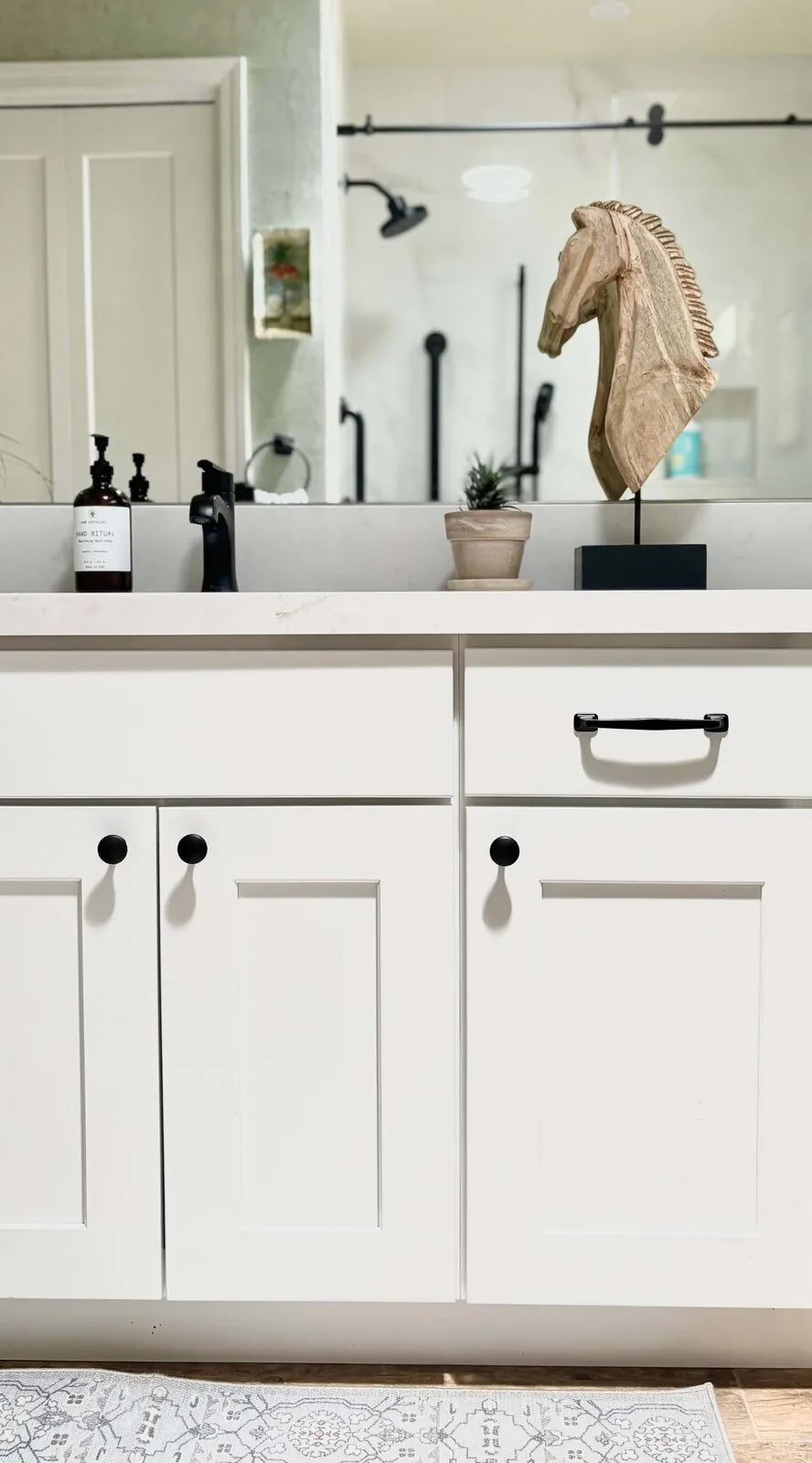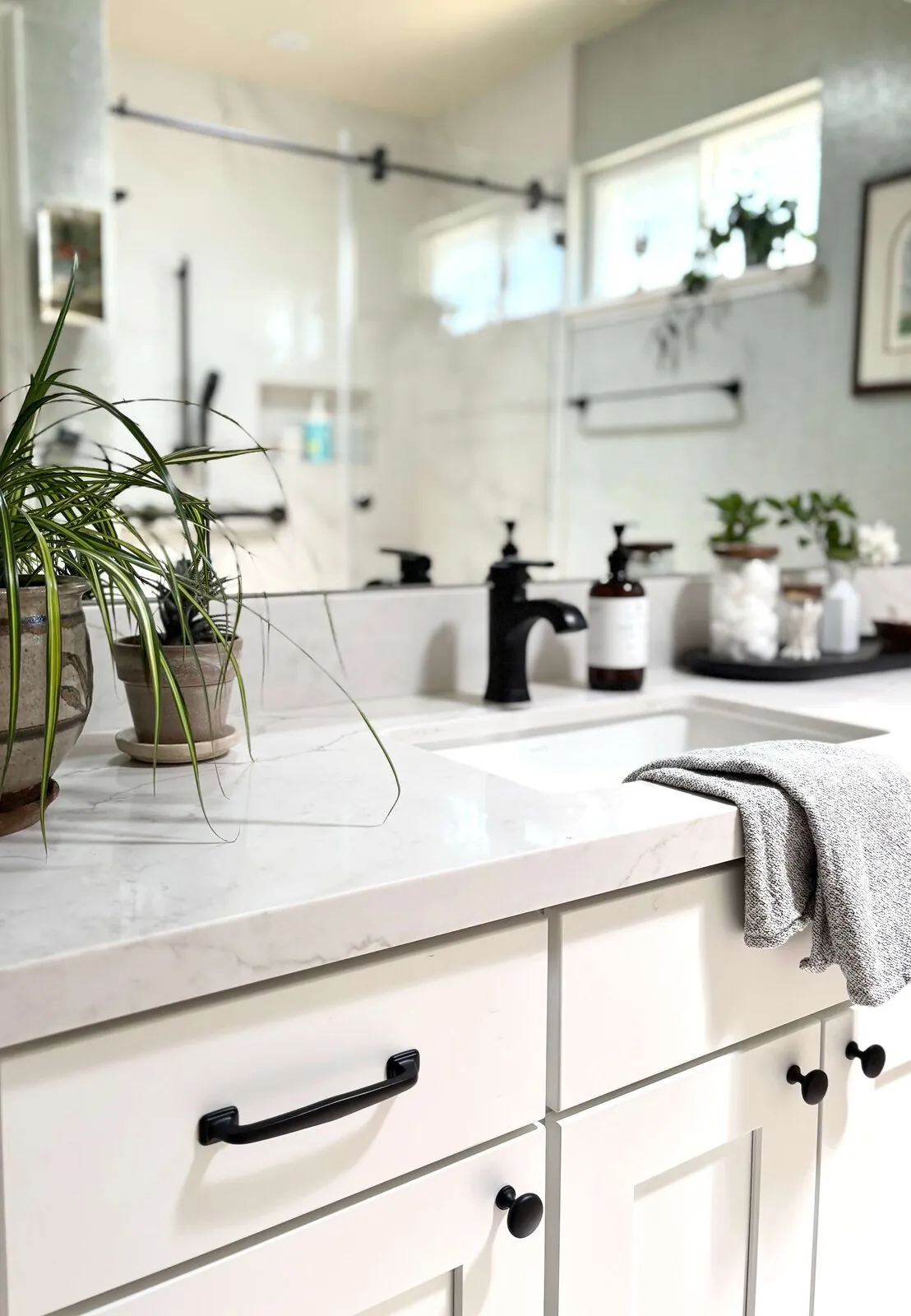
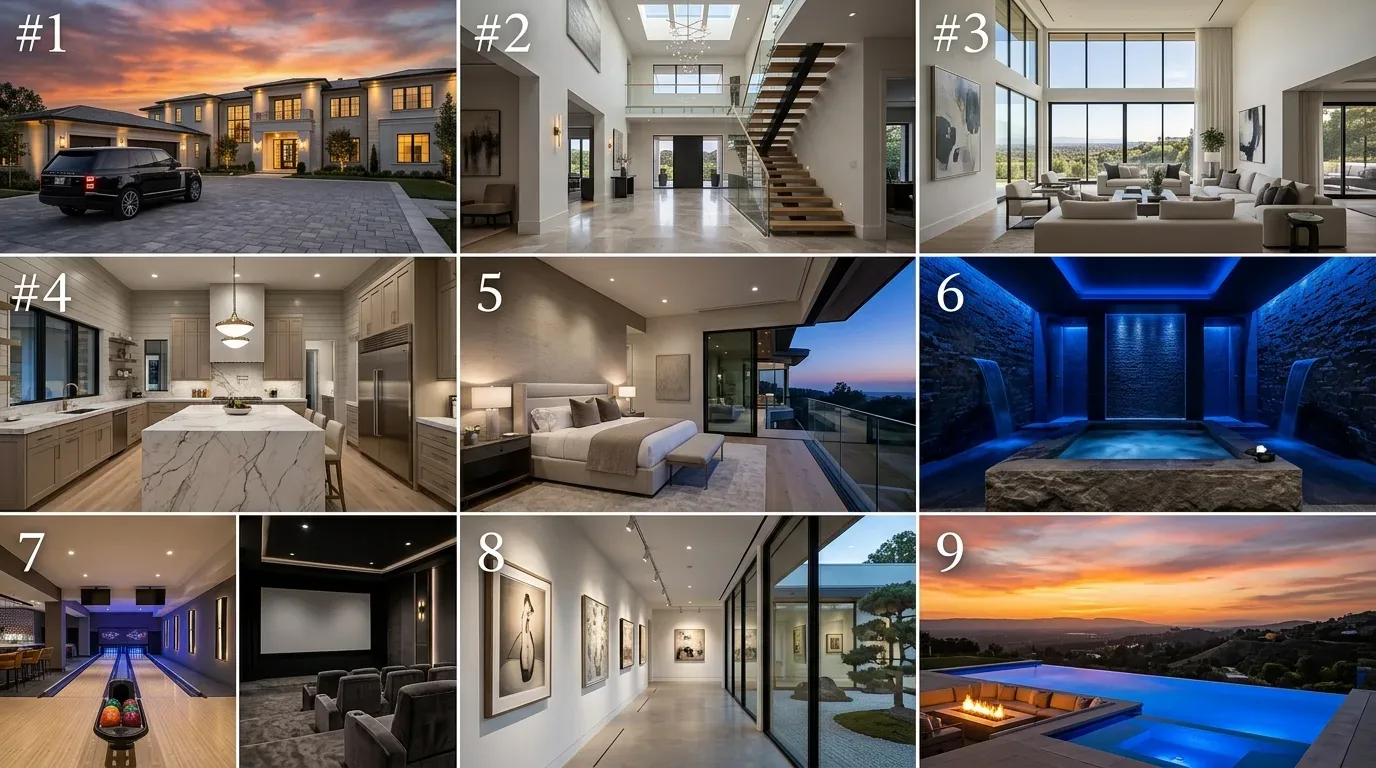
Luxury furniture stands out, think top materials and real craft. Touches like brass handles and linen covers change the room. I'll break down why some furniture is considered luxury. Materials, design detail. Brand names matter too. Expect real-world examples from Sacramento homes. Pictures help. We'll keep a local angle.
Looking at a single chair or the full remodel? Know what defines luxury furniture to choose wisely. We cut through the fuss of luxury hints to find timeless and trendy.
Common Questions
| What is luxury furniture? | Opposite of mass-market: luxury furniture's got special materials and top skills. |
| How does craftsmanship define luxury furniture? | The best brands care about things like joints and hardware holding up daily. |
| Which materials are typically used in luxury furniture? | Top stuff: hardwood, stone, and excellent fabrics. They last and look good. |
| Why is material authenticity important in luxury furniture? | Authentic materials age gracefully and contribute to a space’s luxurious feel, as emphasized by the American Society of Interior Designers. |
The Power of Craftsmanship and Material Selection
Across our active project specifications, one of the clearest markers of luxury furniture is the quality of craftsmanship paired with carefully curated materials. Big names like B&B Italia and Fendi Casa, plus local crafters, nail those perfect finishes. Expect solid wood and fine stone. They look good and stay strong.
White oak's great, we often choose it for floors and cabinets. Aging helps its look, too. The American Society of Interior Designers emphasizes the importance of authentic materials that age gracefully, contributing to a space’s luxurious feel. Good craftsmanship makes a piece special. Think stitch work and joinery. Details like these mark real luxury. They explain the cost.
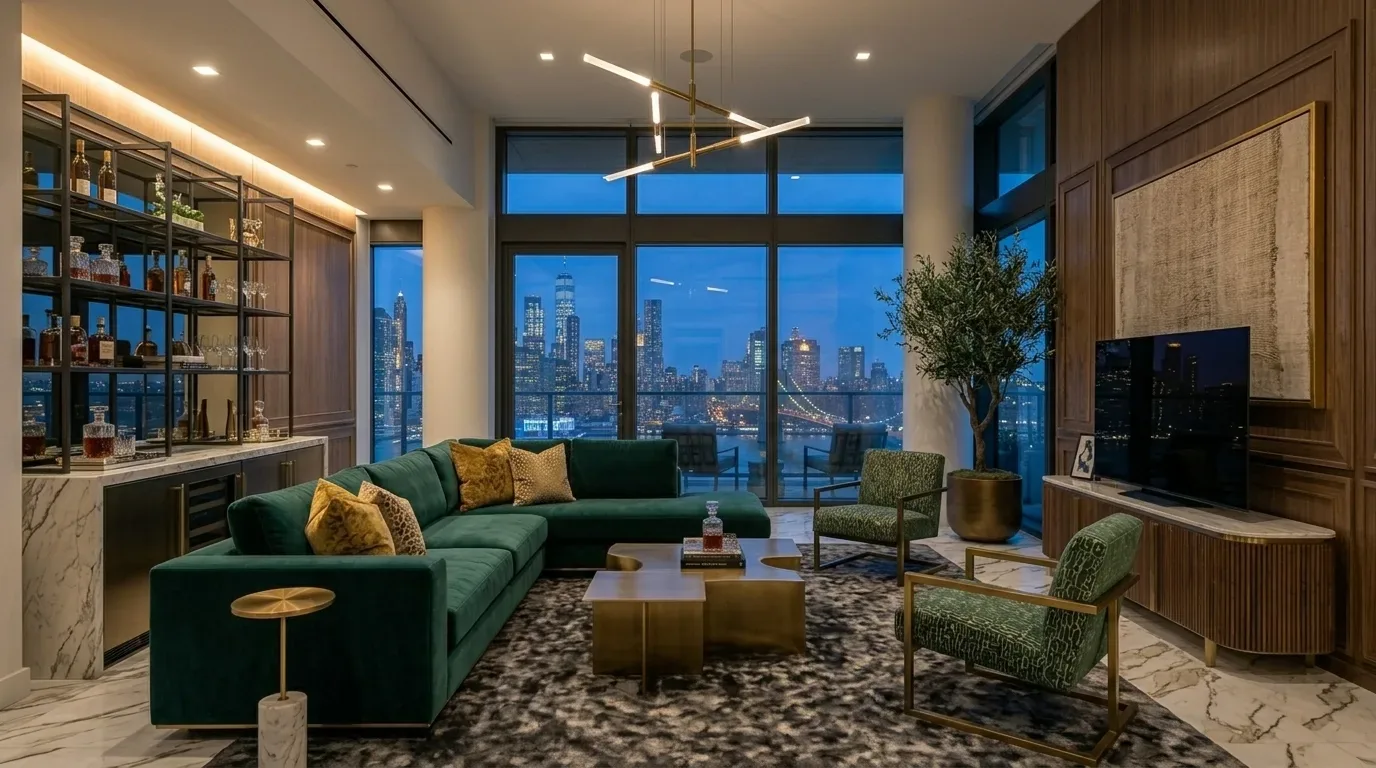
Material Specificity: Authentic vs. Generic
Authenticity-grade materials
- White oak (rift-sawn), for floors and slat detail; calmer grain than plain-sawn
- Natural Italian marble, for countertops and accents, offering durability and elegance
- Full-grain leather, for upholstery, aging beautifully with character
- Solid walnut, for custom cabinetry and furniture, valued for its rich color and strength
- Hand-blown glass, for lighting fixtures, adding artisanal craftsmanship
- Natural linen and silk, for upholstery and drapery, offering texture and softness
- Bronze or brass hardware, for a refined, durable finish
- Natural wool or alpaca, for rugs, with high resilience and understated luxury
Generic-grade tells we refuse to spec
- Veneer plywood, cheaper, less durable, prone to chipping
- Artificial stone or quartz, less unique, can look synthetic
- Synthetic leather, less authentic, less aging character
- Mass-produced textiles, inconsistent quality, less lifespan
- Chrome or painted hardware, less warm, more generic
- Polyester blends, lower-cost, less natural feel
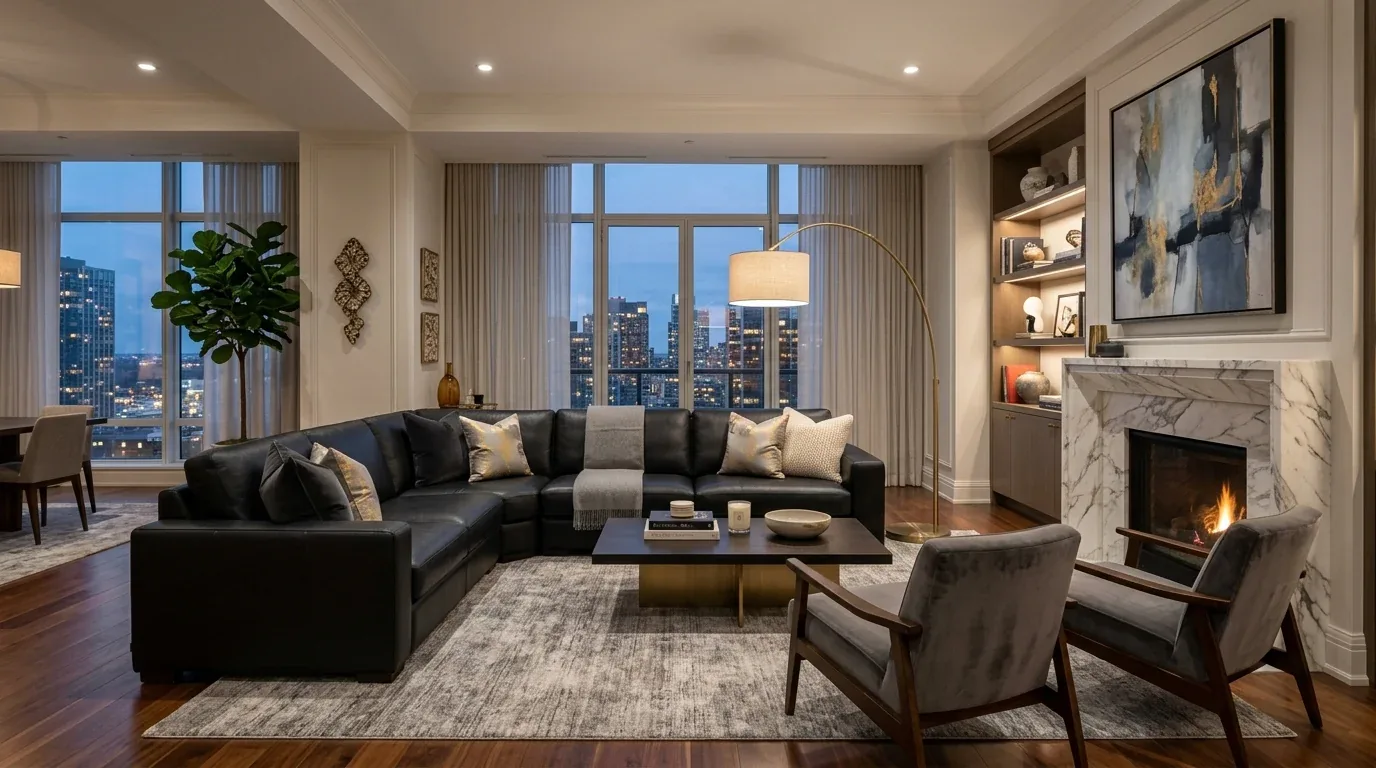
Should You Invest in Custom or Stock Luxury Furniture?
Go for custom or stock based on budget and timing. The first question we ask is: what decision are you struggling to make about this space? Some clients think quick fixes work. True luxury is tailoring pieces to fit and suit your taste. Locally crafted custom furniture gives unmatched quality and uniqueness. But you'll wait longer and pay more.
Think about custom's role and how long it'll last. For a custom couch in Sacramento, plan on $8,000 to $12,000. With care, it's built to last. A stock piece, though cheaper upfront, might not fit well or age like you want. Balance wanting something unique with practical factors like cost and time.
What This Costs in 2026
| Scope | Typical range |
|---|---|
| Refresh scope (standard materials) | $15K - $35K |
| Mid-tier scope (custom finishes) | $40K - $80K |
| Estate-scale (full custom millwork) | $80K - $300K |
Working Notes
What We Have Learned Doing This: What is luxury furniture: A Designer's Guide
“What survives the punch list is what was drawn clearly.”
The cheapest tool on any project is a sample board and an afternoon. We have watched five-figure mistakes get caught by a fifteen-dollar paint sample lived with for a week in the actual light of the actual room. Showroom lighting lies. It won't look identical at your place.
Bad taste? Not the real fear. It's delays, wrong sequencing, hidden moisture, or unexpected framing issues. Style matters, sure. But if you can't build it right, what’s the point of the design?
Order anything with a long lead time first. Plan around them so the project keeps moving. Appliances, stonework, custom millwork set your timeline. Ignore that, and you lose a month easily.
These notes come from our own project debriefs. Most were learned the expensive way the first time.
Sources & Professional References
This guide's positions on materials are grounded in published building-code, standards, and recognized design-authority sources, alongside Designed | Curated Interiors' verified credentials and active project files:
- American Society of Interior Designers (ASID): interior-design practice standards
- International Code Council (ICC): Chapter 8 Interior Finish Decorative Materials And Furnishings
- NKBA, Amy Kunst Member Profile (verified credential, NKBA Committee Member)
- Featured in: Homes & Gardens (design expert quote, May 2026) · Sacramento Love (guest author, 2024)
From Principle to a Real Room
A trend piece is the briefing document, not the deliverable. The pages below show how we translate these principles into finished rooms across Sacramento and the rest of Northern California.
- Sacramento & Bay Area Interior Design Services How we scope, source, and deliver work end to end.
- Interior Designer Hub, Sacramento Where most of our Sacramento work lives, the regional fit explained.
- Luxury Furniture Stores Sunnyvale - Interior Designer Related cluster piece referenced from the Luxury Furniture Stores Sunnyvale - Interior Designer build files.
- Luxury Furniture Stores Boca Raton Related cluster piece referenced from the Luxury Furniture Stores Boca Raton build files.