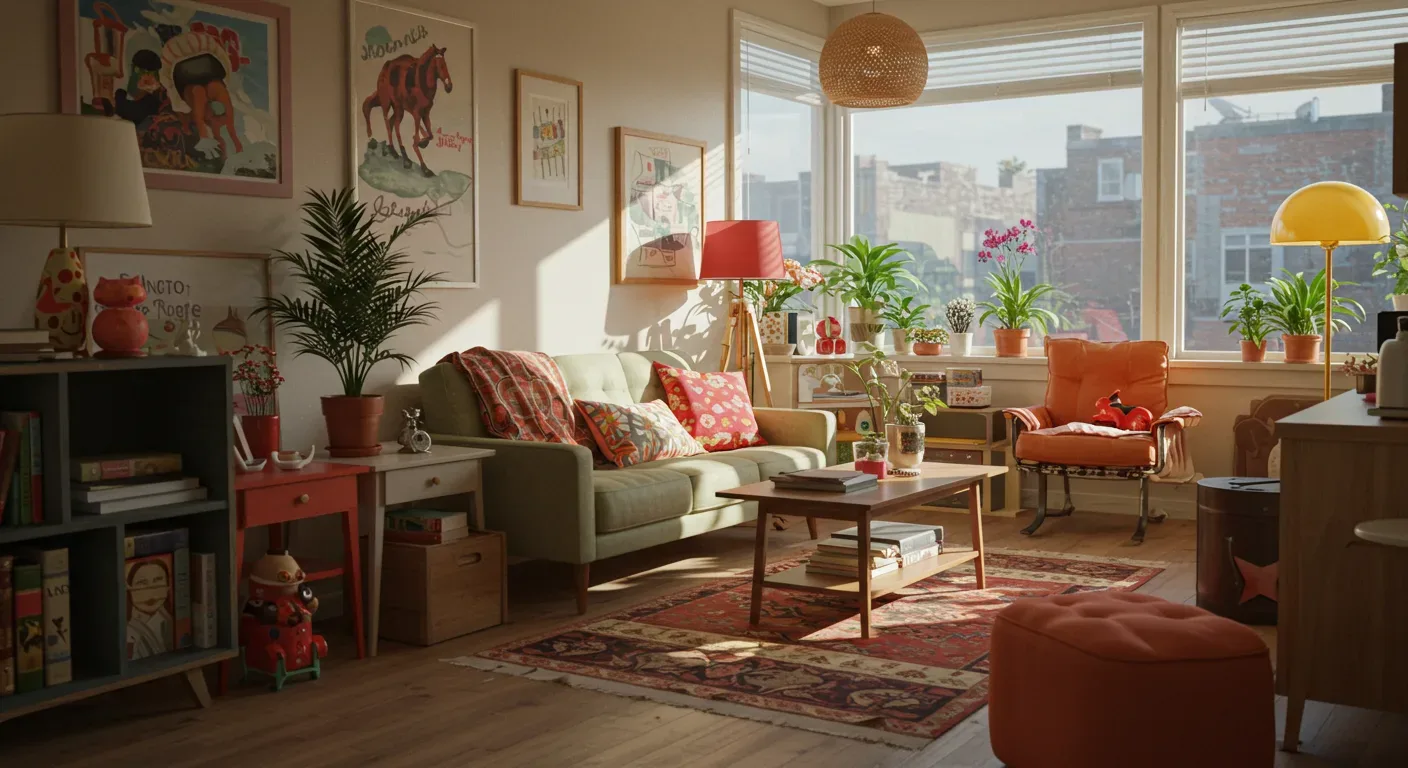
The right colors for a grey sofa make a space feel welcoming. Match accents to that exact shade of grey. Consider how the room feels under natural light. Bold, warm, or cool tones can all work depending on your desired mood and aesthetic.
This guide covers choosing colors that work, how color theory helps, and using fabrics and extras to tie it all together. We're eyeing 2026 design trends. Subtle style, region-ready. Think Sacramento, Marin. Mix classic and sleek to get balance.
Common Questions
| What colors go well with a grey sofa in Sacramento? | Beige, taupe, greige. Natural light in Sacramento does them justice. |
| How can I choose accent colors for my grey sofa? | Pick warm or cool tones. Then add colors like ochre or navy for harmony. |
| Are there regional preferences for colors with grey sofas in Sacramento? | Yes, Sacramento’s abundant daylight and landscape support neutral and cool color palettes, reflecting the region’s natural environment. |
| What tips help prevent overpowering a grey sofa with bold colors? | Try paint samples at various times. See how light changes them. |
First Major Design Move, Embracing a Versatile Color Foundation
Our first major move when working with grey sofas is to establish a versatile color foundation that allows flexibility in decorating and future updates. Try beige or taupe for grounding next to grey. Sherwin-Williams, Benjamin Moore. Their palettes offer a mellow base for adding accents.
A neutral paint can lift a space while keeping the sofa in focus. Consider the room's light and style. Sacramento's light works with warm neutrals. Cooler shades suit dimmer rooms. Sample boards, check lighting all day. Make sure the palette suits the room and sofa.
Material Specificity, Authentic and Quality Selections
Authenticity-grade materials
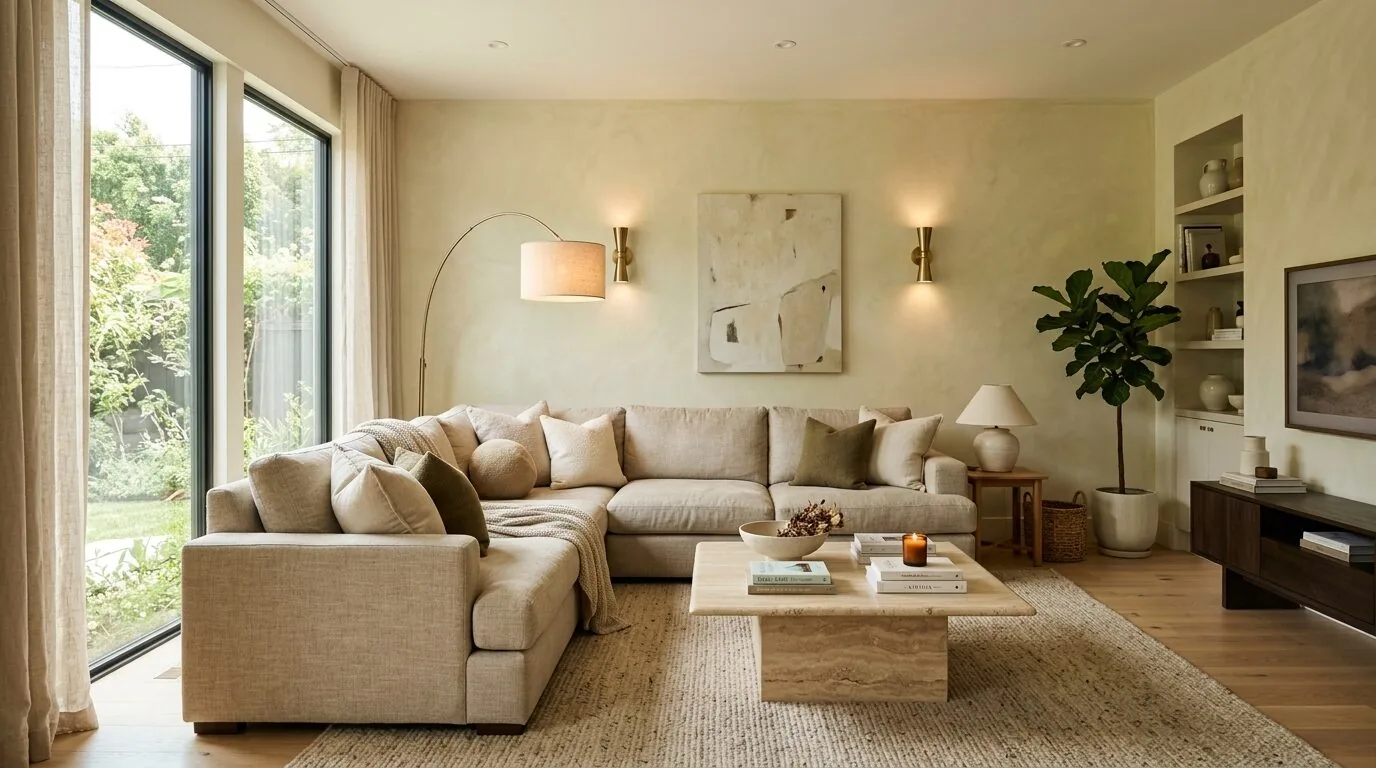
- White oak (rift-sawn), for floors and furniture; calmer grain than plain-sawn, adds warmth
- Linen fabric, for textiles; natural, breathable, and enhances layered textures
- Porcelain tile, for durability and sleek surfaces; mimics natural stone with low maintenance
- Bronze hardware, for fixtures; warm tone that complements neutral palettes
- Matte-finish paint, for walls; reduces glare and adds depth
- Natural wool rugs, for warmth and texture, grounding the space
- Silk or velvet throw pillows, for a luxe touch and color layering
- Soft cotton or linen drapes, for light filtering and texture
Generic-grade tells we refuse to spec
- Standard laminate flooring, less authentic and less durable
- Synthetic textiles, less breathable and can clash with natural materials
- High-gloss paint, can be too reflective and harsh
- Plastic hardware, less durable and aesthetically inferior
- Mass-produced rugs, lack authenticity and character
- Synthetic drapes, can diminish the room’s natural feel
How to Choose the Right Accent Colors for Your Grey Sofa
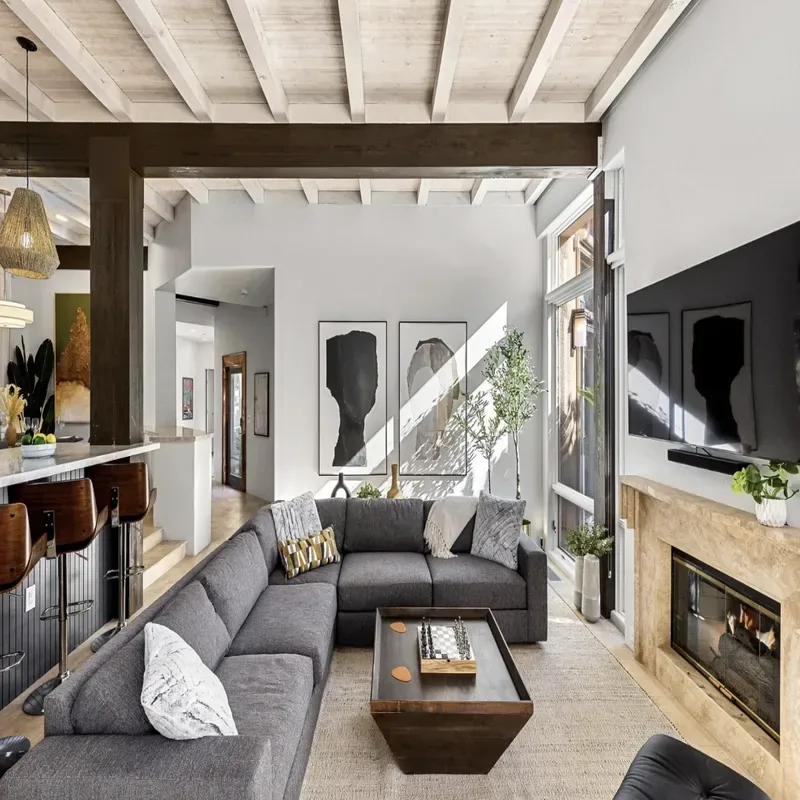
The homeowner’s real question is how to select accent colors that enhance their grey sofa without overwhelming the space. First off, ask about their tone preference. It depends on their lighting. Ochre and terracotta are great here, super cozy under Sacramento's sun. Grey matches well with navy or icy blues. Feels fresh.
Pick one main color to start. Then add in some complementary ones for depth. Soft blush with navy looks sophisticated together. Add linen throws or velvet pillows. Makes it feel richer. Make a mood board or a digital mockup. Helps see how the light plays with your choices.
You want a palette that fits together. Something you can change up later.
Using Color Theory to Enhance a Room with a Grey Sofa
The key to elevating a space with a grey sofa is understanding how warm and cool tones interact. Decide first. Do you want warm tones like rust or cooler shades like slate? Stick with similar hues to keep things calm.
Pair a grey sofa with terracotta for a nice contrast. Grey with beige and taupe feels subtle and classy. The American Society of Interior Designers emphasizes the importance of lighting in these choices, as natural Sacramento daylight will influence how colors appear in different parts of the room.
Use fabrics and art in the same colors. Makes it look intentional. Pictures help you pick. Make sure the room reflects how you live daily.
Incorporating Textiles and Accessories in Complementary Colors
Textiles and accessories are the finishing touches that bring a color scheme together. Add bold cushions or matching curtains, your choice. Emerald or mustard velvet pillows bring richness. Got natural-fiber rugs? They pull it all in.
Bold vases or a big framed print can bring unity without clutter. Sacramento homes get tons of sun. Neutrals change with time, warm or cool. Find a balance that’s both organized and easygoing.
Try mood boards or just snap some pics to see.
Tips for Balancing Warm and Cool Tones with a Grey Sofa
Balancing warm and cool tones is crucial to creating a room that feels both inviting and sophisticated. Check the style and lighting before you decide. With all that Sacramento sun, cool colors keep it from getting too warm. Not enough direct light? Warm colors cozy up the space.
A major neutral backdrop with some pops of color does the trick. Think cool grey sofa, mix in amber and blush for balance. If things feel warm, throw in some navy or icy blue.
Textured layers like plush rugs, linen curtains, they soften color shifts. Place tones thoughtfully so they work together.
Observed Failure Modes We See in the Field
From our project debriefs and post-occupancy reviews, 2023-2026.
Overwhelming the Space with Too Many Bright Colors
Many Sacramento homeowners make the mistake of introducing bright, saturated colors that compete with their grey sofa. Just adds to the clutter. Save bold colors for art, keep large textiles neutral. Test swatches under different lights to dodge mistakes.
Ignoring Light and Regional Climate Influences
Some design choices fail because they do not account for Sacramento’s abundant daylight and seasonal changes. Colors can shift from showroom to home lighting. Check colors throughout the day and think about the local light. This way, colors look good all year.
Choosing Textiles Without Considering Texture and Scale
Using textiles that are too thin or patterns that are too busy can make a room feel cluttered or unbalanced. Mix textures, wool, linen, velvet, to give depth. Match pattern sizes to the furniture. Layer softly to stay peaceful.
Failing to Consider Future Flexibility
Many homeowners pick a color scheme that is too specific or trendy, risking it feeling dated quickly. Stick with neutrals. Swap accents easily. Spaces should adapt without full reno, especially in Sacramento's shifting market.
Working Notes
What We Have Learned Doing This: What colors go with grey sofa: A Designer's Guide
“If a color is named in three magazines this year, it will date faster than its lifespan. Choose colors that have looked tasteful for twenty years.”
Undertone is the whole game. Color shifts in different light. Sample big before committing.
Get long-lead items first. Plan so they won't hold up the job. The appliance, the stone, the custom millwork set the schedule, and pretending otherwise is how a project loses a month it never gets back.
Money often vanishes solving the wrong issue. They think they need more space. Really, it’s often light, angles, or layout causing trouble. We make the room tell us the problem before anyone signs a demolition contract.
Experience teaches you to dread delays and bad framing over bad taste. Looks matter to clients. Execution determines if the room actually happens.
These notes come from our own project debriefs. Most were learned the expensive way the first time.
Sources & Professional References
This guide's positions on materials are grounded in published building-code, standards, and recognized design-authority sources, alongside Designed | Curated Interiors' verified credentials and active project files:
- American Society of Interior Designers (ASID): interior-design practice standards
- International Code Council (ICC): Chapter 8 Interior Finish Decorative Materials And Furnishings
- NKBA, Amy Kunst Member Profile (verified credential, NKBA Committee Member)
- Featured in: Homes & Gardens (design expert quote, May 2026) · Sacramento Love (guest author, 2024)
From Principle to a Real Room
A trend piece is the briefing document, not the deliverable. The pages below show how we translate these principles into finished rooms across Sacramento and the rest of Northern California.
- Sacramento & Bay Area Interior Design Services How we scope, source, and deliver work end to end.
- Interior Designer Hub, Sacramento Where most of our Sacramento work lives, the regional fit explained.
- What Colours Go with Grey Sofa: A Designer's Guide to the 2026 Look Discover the best colors to pair with grey sofas in 2026, focusing on warm tones and textures that enhance Sacramento's interior design.