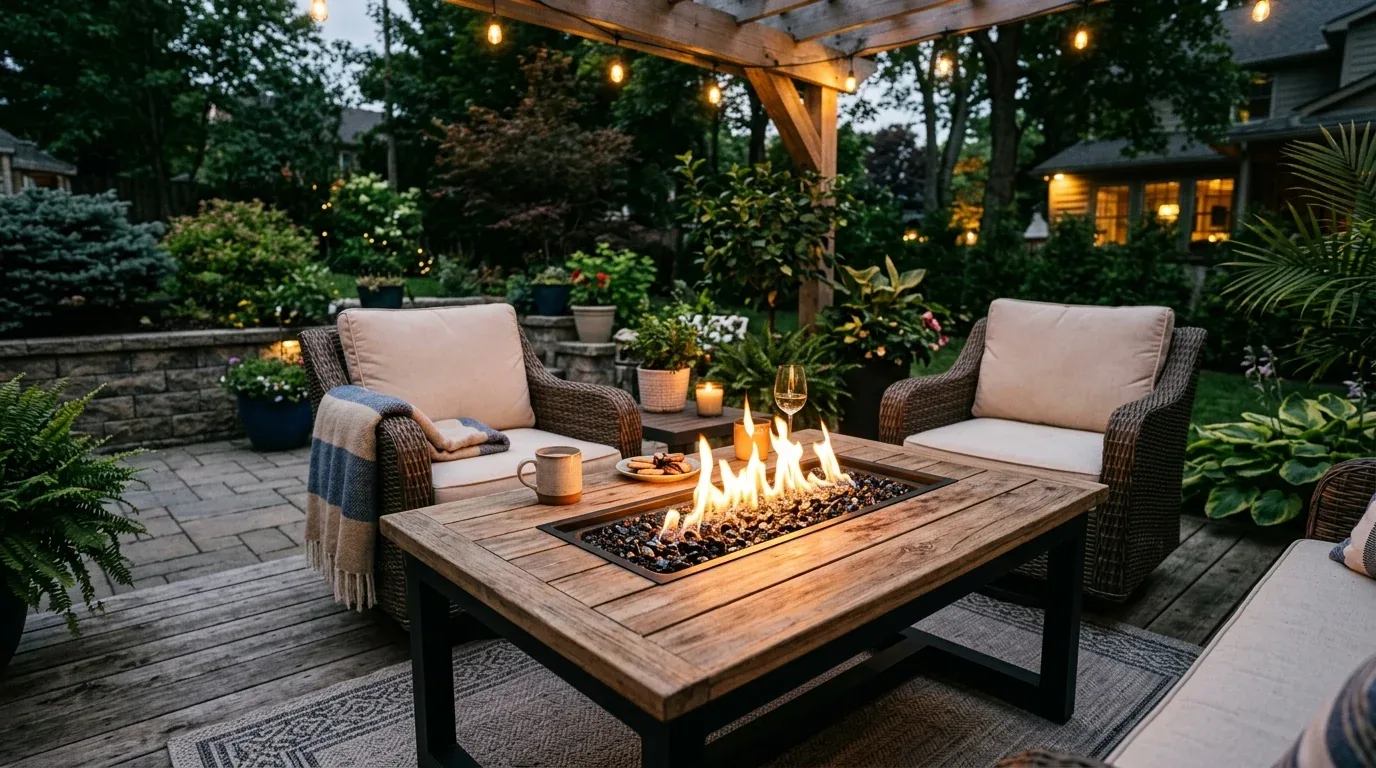
Good design maximizes comfort with smart layouts and materials. Design focused on health makes every space better. From our Sacramento projects, we pull key wellness design lessons. Experienced designers know wellness design's unique materials and features promote health. Updating a primary suite? Knowing wellness principles guides healthier choices.
Common Questions
| What is wellness interior design? | Select layouts and materials that boost comfort. |
| How does wellness interior design differ from traditional interior design? | Traditional focuses on looks. Wellness looks at air and light quality. |
| Why is natural light important in wellness interior design? | Natural light helps mental health; it also supports relaxation. |
| What materials are commonly used in wellness interior design? | Opt for low-VOC paints. Shellac reduces harmful fumes. |
The Core Principles of Wellness Interior Design
At its heart, wellness interior design revolves around creating environments that enhance physical and mental health. Natural light's a must in our active work; materials cut down toxins. Connecting with nature, biophilic design roots our approach. We often pick low-VOC paints from brands like Benjamin Moore.
Wellness doesn't stop at style. It adds lighting and acoustics. Crafting spaces that help you relax and focus is the aim. The American Society of Interior Designers emphasizes the importance of holistic environments, and in several recent projects, we’ve used calming palettes of muted greens and warm neutrals paired with sustainable finishes to foster tranquility. This thoughtful layering of elements creates homes and offices that genuinely promote health and resilience over time.
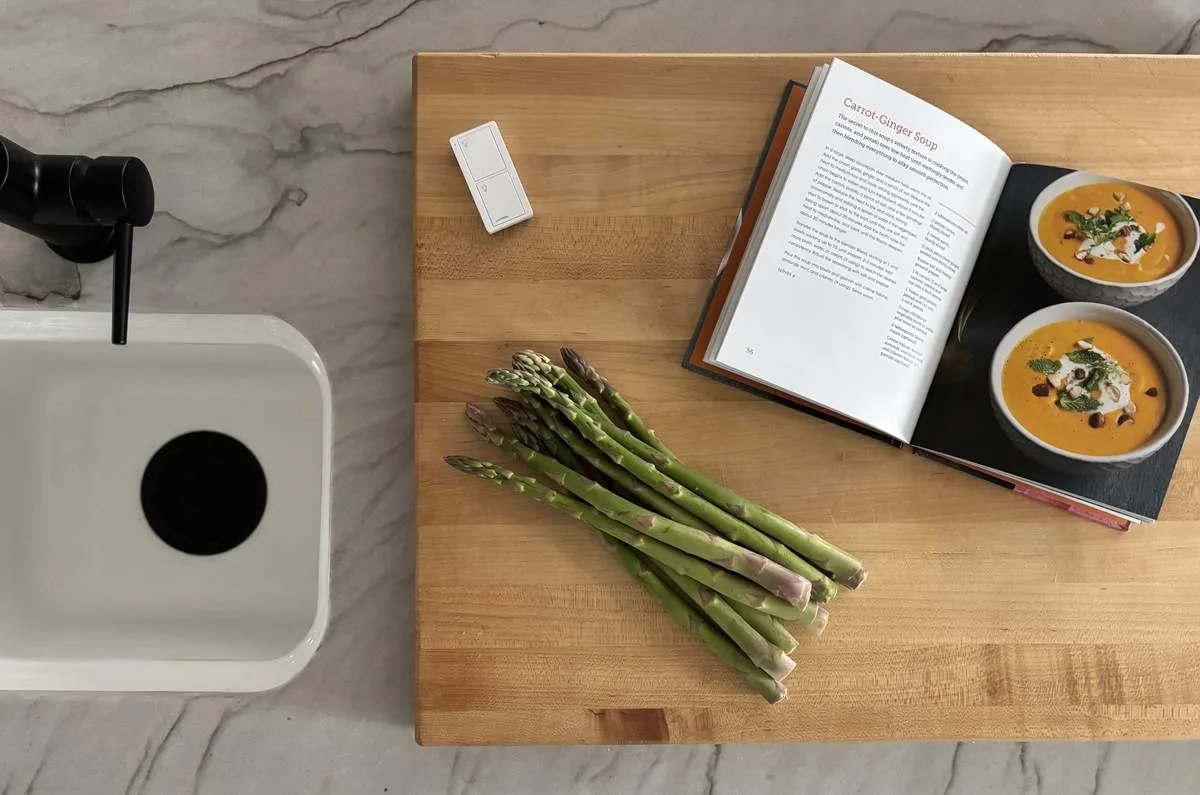
Material Specificity in Wellness Design
Authenticity-grade materials
- White oak (rift-sawn), for floors and slat detail; calmer grain than plain-sawn
- Bamboo (Laminated), sustainable, fast-growing, and durable for flooring
- Natural wool (Untreated), for rugs and upholstery, hypoallergenic and breathable
- Clay plasters, non-toxic, natural wall finish that regulates humidity
- Low-VOC paints (Benjamin Moore Natura), reduce indoor pollutants
- Cork (Recycled), for flooring and wall tiles, soft underfoot and eco-friendly
- Reclaimed wood, adds warmth and sustainability to furniture and accents
- Linen textiles, for drapes and upholstery, breathable and natural
- Natural stone (travertine, marble), durable, non-toxic surface options
- Cast concrete (sealed), for countertops and floors, durable and toxin-free
Generic-grade tells we refuse to spec
- Synthetic carpets, often contain VOCs and off-gas over time
- Plastic laminates, may emit formaldehyde and other toxins
- Paints with high VOC content, contribute to indoor air pollution
- Veneer finishes, may hide less sustainable core materials
- Engineered wood with adhesives, potential off-gassing issues
- Non-recycled materials, less sustainable and eco-friendly
- Heavy metal finishes, like certain hardware or fixtures
- Chemical-based sealants, can emit volatile organic compounds
- Glossier, plastic-based textiles, less breathable and more allergenic
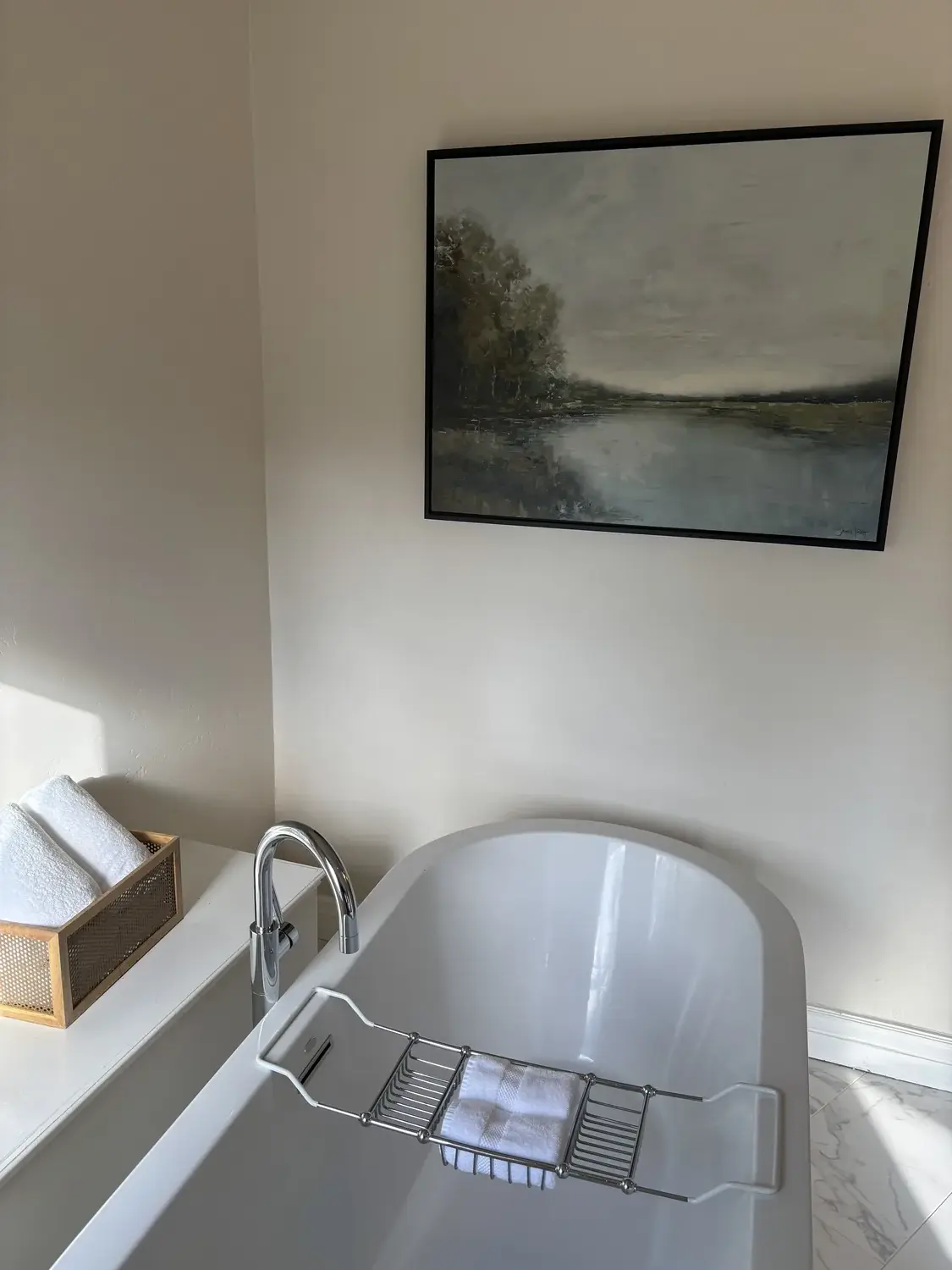
How to Implement Wellness Principles in Your Sacramento Home
The first question we ask is what your main health concerns are, air quality, relaxation, or perhaps energy efficiency. We figure out how you live. Then it gets personal. Toxin concerns? Try clay plaster or go for low-VOC paint. Daylight focus? Look at windows and light controls. Try adding plant walls or at least a view to a garden.
Start easy. Swap linen curtains, buy an air purifier, check humidity. Quick fixes, long impact. They also steer bigger changes. Think about space planning too, ergonomic furniture and flexible zones reduce stress and support movement. In Sacramento, these tweaks really enhance daily life.
Wellness design goes beyond finishes. It’s about how everything works together. Invest in materials and layout for real, lasting benefits.
Common Mistakes We See When Pursuing Wellness Interior Design
Biggest Waste: Over-investing in high-end synthetic finishes that off-gas quickly without improving air quality. Use natural, breathable stuff instead.
Biggest Regret: Focusing solely on aesthetics like lush greenery or spa-like features without addressing ventilation or toxin sources, which undermines the wellness goal.
Hidden Cost: Underestimating the expense of replacing outdated HVAC systems or upgrading insulation to support healthier indoor environments. These foundational improvements are essential for true wellness but often overlooked in initial budgets.
What's Going Out for 2026
- Using synthetic, VOC-heavy finishes without proper ventilation
- Ignoring natural light and air flow
- Cluttering spaces which hinder mental clarity
- Overlooking acoustics and noise control
- Relying on artificial lighting over daylight
- Choosing toxic materials for finishes or furniture
- Neglecting ergonomic design in workspaces
- Skipping air quality assessments and improvements
What This Costs in 2026
| Scope | Typical range |
|---|---|
| Refresh scope with natural finishes and air quality upgrades | $35K-$75K |
| Mid-tier renovation with sustainable materials and smart controls | $120K-$250K |
| Estate-scale wellness overhaul with advanced ventilation, custom finishes, and integrated smart systems | $400K-$1M |
Working Notes
What We Have Learned Doing This Work
“Nothing expensive announces itself. It shows up as a small delay.”
Trust grows in all those mundane chats. That time you point out the wall's bearing weight. When numbers shift slightly. Or when you admit the timeline stretched. Clients forgive reality. Surprises? Not a fan.
After enough jobs, bad taste isn't the curse, it's the overlooked delays and mishaps. Ideas are easy. Execution's harder. That's what makes blueprints reality.
The cheapest tool on any project is a sample board and an afternoon. We have watched five-figure mistakes get caught by a fifteen-dollar paint sample lived with for a week in the actual light of the actual room. Decisions made under showroom lighting do not survive contact with a real house.
These notes come from our own project debriefs. Most were learned the expensive way the first time.
Sources & Professional References
This guide's positions on materials are grounded in published building-code, standards, and recognized design-authority sources, alongside Designed | Curated Interiors' verified credentials and active project files:
- American Society of Interior Designers (ASID): interior-design practice standards
- International Code Council (ICC): Chapter 8 Interior Finish Decorative Materials And Furnishings
- NKBA, Amy Kunst Member Profile (verified credential, NKBA Committee Member)
- Featured in: Homes & Gardens (design expert quote, May 2026) · Sacramento Love (guest author, 2024)
From Principle to a Real Room
A trend piece is the briefing document, not the deliverable. The pages below show how we translate these principles into finished rooms across Sacramento and the rest of Northern California.
- Sacramento & Bay Area Interior Design Services How we scope, source, and deliver work end to end.
- Interior Designer Hub, Sacramento Where most of our Sacramento work lives, the regional fit explained.
- Modern Tudor Homes: Authentic, Revival, and Neo-Tudor (A Designer Reference) Heritage-architecture renovation patterns from our project files.
- Japandi Living Room: A Designer's Guide to the 2026 Look The 2026 warm-neutral playbook applied to the living room.