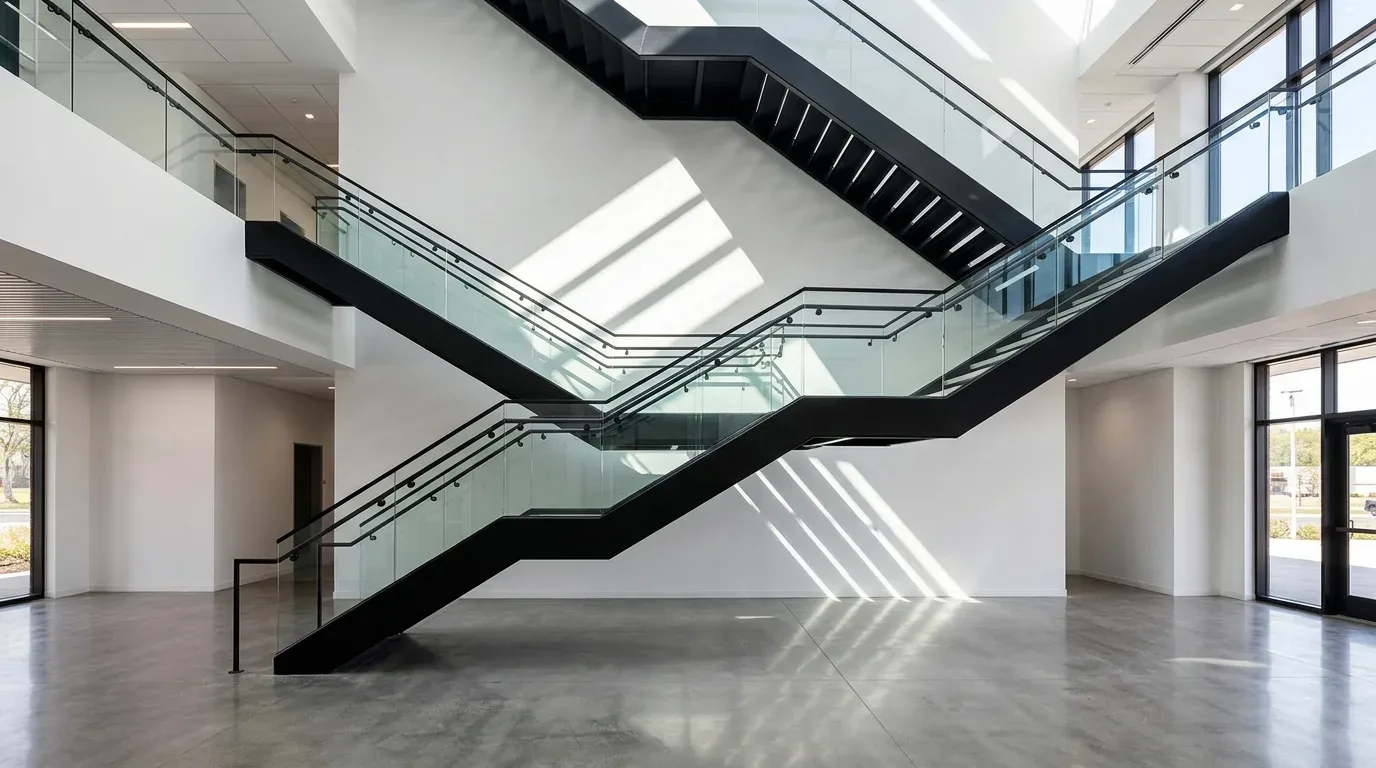
Want the room to feel taller? Try vertical lines. Vertical details trick your eye into thinking the ceiling's taller, even if the room's got limited space. We want vertical lines to intrigue, not overpower. Get the balance right.
This guide digs into using vertical lines in real design. Think wallpaper, tall architecture, and furniture. We discuss verticals: how they guide eyes, style flex, material choices, missteps, and focal uses. Let’s help Sacramento homes stand out with ageless style.
Common Questions
| What are vertical lines in interior design? | Vertical lines. They pull your gaze skyward. Rooms feel roomier. |
| How can vertical lines make a room feel larger? | Use striped walls or tall chairs to stretch a room's feel. It's simple. |
| What materials are best for creating vertical line effects? | Vertical stripes in wallpaper or paneling really play up height. |
| Are there common pitfalls when using vertical lines in interior design? | Too much pattern? It clutters. Keep it subtle and balanced. |
How to Use Vertical Lines in Northern California Homes
When people search for vertical lines in interior design, they often want to know how to apply these concepts in their own spaces, particularly in unique architectural styles found in Northern California. Make it feel like the walls disappear. It should be elegant too, without overwhelming everything. Different materials behave with light and space in unique ways. You should understand this for your home.
Check ceiling height. Look at the natural light. Existing architecture matters too. Use vertical lines carefully. Highlight big windows or a fireplace. Vertical paneling adds height. Narrow space? Picture a tall dresser or shelf; it makes the ceiling soar. Budget somewhere $1,500 to $5,000. Costs will hinge on size and material choice.
- Vertical lines make ceilings look higher. Great for older Sacramento homes.
- Line up vertical elements with big windows. It helps the view pull your gaze outside.
- Need extra storage? Vertical shelving. It keeps things modern and tidy.
- Wallpaper patterns add depth. Even a plain wall gains interest with vertical stripes.
- Match vertical lines to what's already there. Keep things from feeling cluttered.
From Amy Kunst's NorCal projects. In a Mill Valley home, we added vertical shiplap. It made the living room taller. Costs went from $1,800 to $4,200. This approach aligns with NKBA guidelines for maximizing small spaces. Think about Title 24 standards when picking materials. You want compliance and efficiency.
Find spots for vertical lines in your space. Which areas need a design boost? Try something simple first. One wall or a furniture piece. See how it changes. Not sure how to add these elements? Chat with an experienced designer. The trick? Get it warm and balanced.
The Impact of Vertical Lines on Space Perception
Vertical lines can dramatically influence how we perceive a room’s dimensions. Draw eyes upward. Ceilings feel higher, rooms feel bigger. In Sacramento, we love vertical stripes or tall pieces. Skip the big remodel. The American Society of Interior Designers emphasizes that vertical lines can also add a sense of elegance and stability, especially in traditional settings.
Keep it subtle. Bold patterns everywhere can clutter and shrink your space. Vertical stripes and neutral shades keep it airy. Tall, slim windows stretch a room skyward. Try wainscoting for the same effect. Done right, vertical lines open up any room. We've seen it.
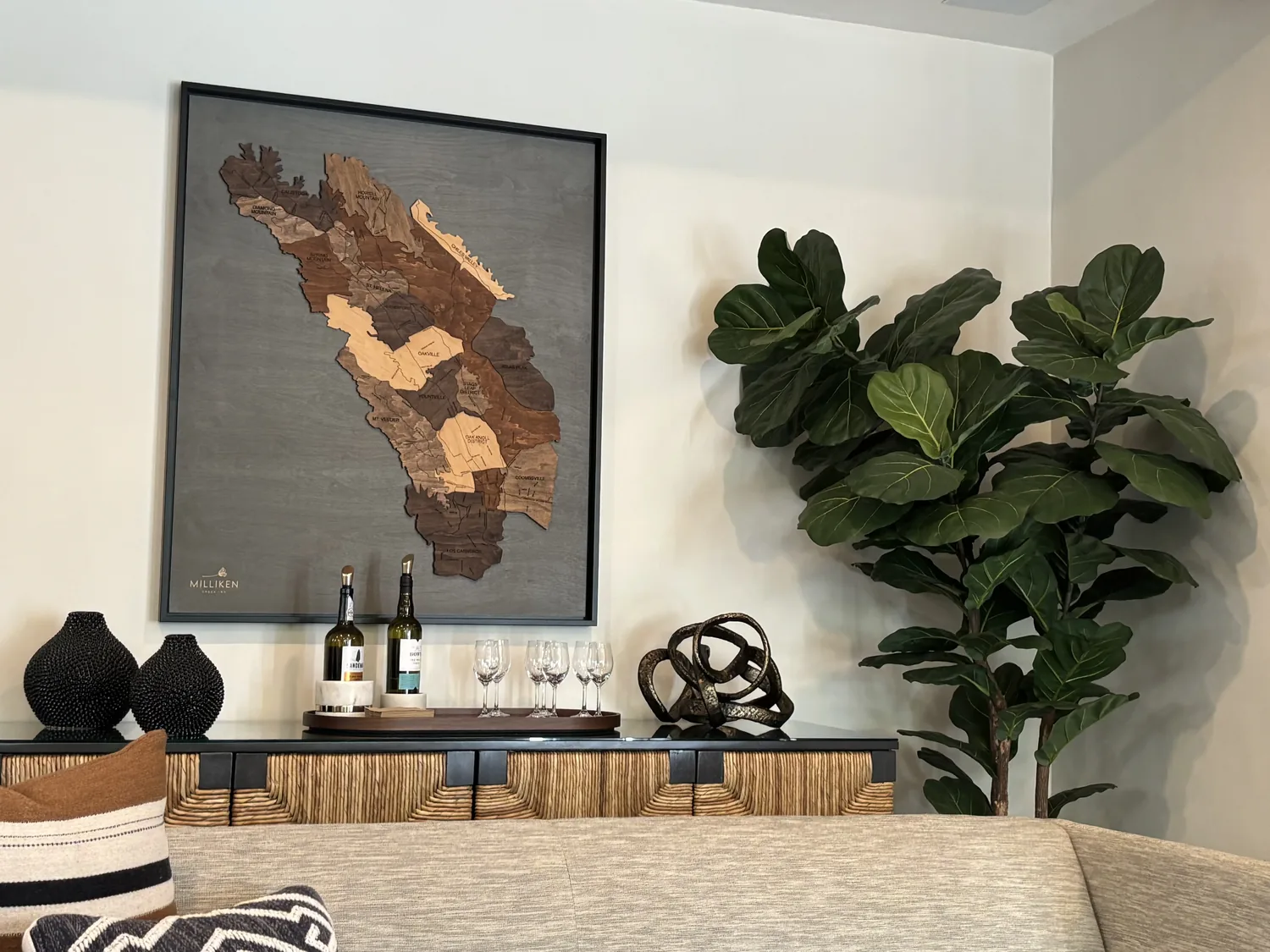
Materials and Finishes for Vertical Line Effects
Authenticity-grade materials
- White oak (rift-sawn), for floors and slat detail; calmer grain than plain-sawn
- Matte lacquer, for sleek vertical wall panels that reflect light subtly
- Textured wallpaper, with fine vertical stripes for depth and interest
- Metallic trim, in brass or matte black for framing vertical features
- Vertical-grain marble, for countertops or accents that add natural texture
- Natural linen fabric, with vertical weave patterns for upholstery and curtains
- Paint in high-gloss or matte finishes, emphasizing vertical lines with reflective or subdued textures
- Wood veneer, with vertical grain for cabinetry or wall treatments
Generic-grade tells we refuse to spec
- Standard painted drywall, lacks texture or pattern
- Vinyl wallpaper, cheap and often visually flat
- Plastic laminates, low-grade and non-resilient
- Mass-produced furniture, lacks unique vertical detailing
- Polymer-based finishes, do not age well in sunlight
- Low-quality veneer, prone to chipping and damage
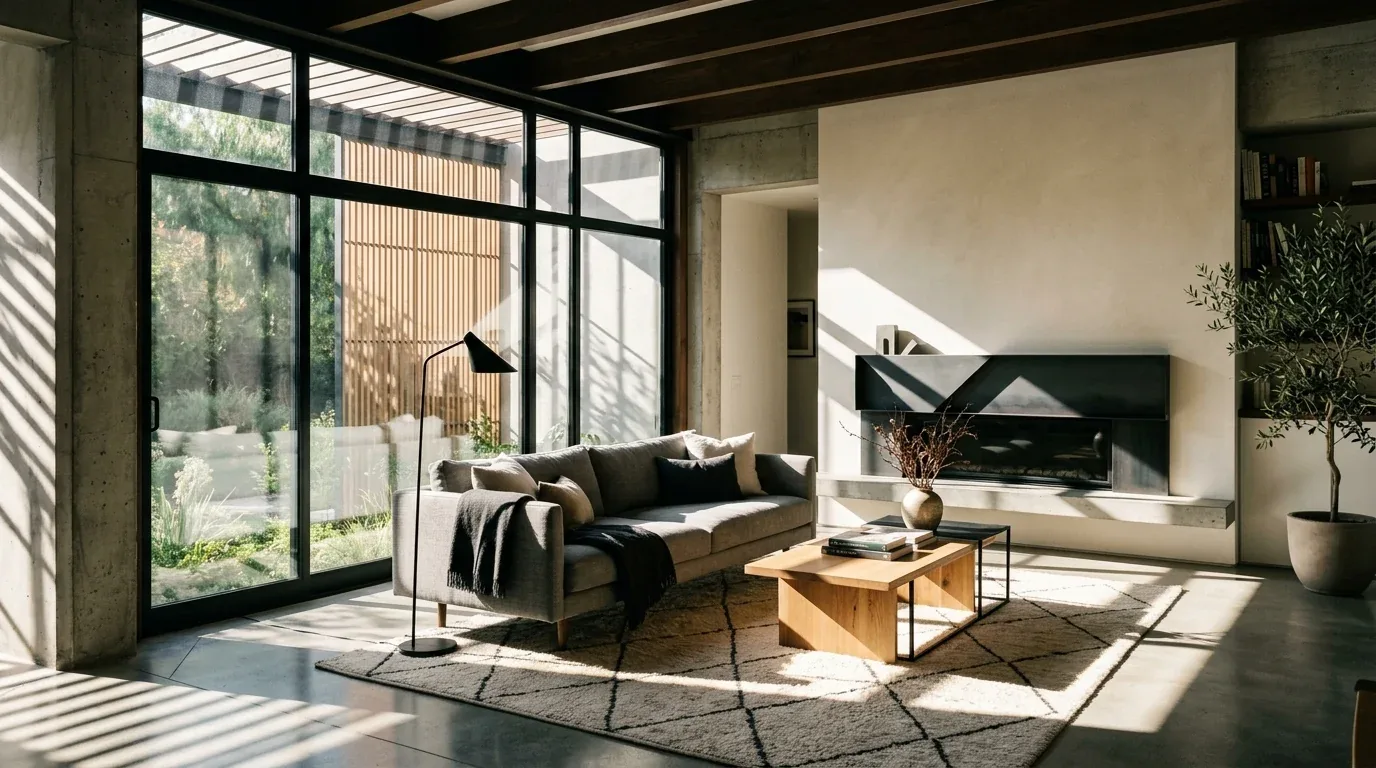
How to Incorporate Vertical Lines in Your Interior Design
The homeowner’s real question is how to incorporate vertical lines without making the space feel busy or cluttered. The first question we ask is: What is the primary goal, height, visual interest, or guiding the eye? Subtle choices matter in our project plans. Choose muted vertical stripes or narrow furniture. You’ll see the effect without crowding. Matte paint or textured wallpaper? They add depth, no glare. Balance vertical and horizontal elements. Keeps things feeling grounded.
In Sacramento, a client wanted their low-ceiling living room to feel taller. We suggested vertical stripes and some wood paneling on the fireplace. Room felt taller, more dynamic, not expensive. Think about proportions. Mixed textures break up the look. Use vertical lines wisely. They last, if planned right.
Choosing the Right Materials and Finishes for Vertical Lines
Selecting authentic materials for vertical lines enhances both the look and longevity of your design. In our projects, we prefer materials like rift-sawn white oak for paneling because of its consistent, calming grain, or textured wallpaper with fine vertical stripes to add visual interest without overwhelming the senses. Matte or satin? Go for these on walls. They add just the right bit of reflection and depth. Tall, skinny furniture works wonders. The American Society of Interior Designers emphasizes that material choice can dramatically influence perception; high-quality finishes ensure the vertical lines remain a refined feature rather than a fleeting trend.
Using contrasting materials affects design. Blend natural wood with some metallic trim or painted accents for that vertical flair. Homes here often use warm tones. In Sacramento, classic finishes never age.
Common Mistakes to Avoid When Using Vertical Lines
One common mistake is overdoing vertical patterns, which can make a room feel narrow or overwhelming. Avoid overdoing verticals. Striped wallpaper, vertical curtains, tall furniture, it's visual clutter. Scale errors mess things up. Small rooms? Go with subtle; large ones, bigger statements work. Don't skip lighting. Natural and layered lighting make verticals pop. Moderate and place things wisely. In our Lakeview Project, no vertical wallpaper in the small entryway. We used shiplap on one wall. It added height without chaos. Plan carefully to make vertical lines a plus, not a minus.
Observed Failure Modes We See in the Field
From our project debriefs and post-occupancy reviews, 2023-2026.
Overly Busy Vertical Patterns
Using too many bold vertical patterns or textures in a small space can lead to visual clutter and make the room feel cramped. Don't chase trends. Keep the balance. Pick one standout vertical feature. Say, textured wallpaper. Keep the rest plain. Restraint lets verticals shine in Sacramento.
Ignoring Scale and Proportion
Applying large-scale vertical stripes in a tiny room can shrink the perceived space and cause discomfort. Small patterns vanish in large spaces. Match the pattern size and where it goes with the room size. We adjusted stripe width to the ceiling height in a project. That made the space cohesive. Use good measuring tools and mockups to dodge this usual mistake.
Poor Material Selection
Choosing low-quality or inappropriate materials for vertical features can lead to quick wear or visual dullness. Flat vinyl has no depth and peels. Go for rift-sawn wood. It ages well. Quality means you avoid surprises later. Pay more upfront. Save more down the line.
Clashing Styles and Elements
Mixing too many conflicting design styles or patterns with vertical lines can result in a disjointed look. Mixing detailed old-world moldings with clean vertical stripes? Less is more. Pick your style first. Then add vertical touches. In Sacramento, think modern panels with clean finishes. Layer with intention. Keep it consistent.
What's Going Out for 2026
- Overly busy or large-scale vertical stripes
- Clashing bold patterns with vertical lines
- Ignoring scale and proportion
- Using low-quality or inappropriate materials
- Mixing incompatible styles without cohesion
- Overloading a space with multiple vertical features
- Neglecting lighting to accentuate vertical design
- Applying vertical elements without considering room size
- Choosing trendy vertical motifs that lack timelessness
- Failing to balance vertical with horizontal elements
What This Costs in 2026
| Scope | Typical range |
|---|---|
| Refresh scope: wall treatments or furniture accents | $4K-$12K |
| Mid-tier scope: custom paneling, wallpaper, or built-ins | $15K-$40K |
| Estate-scale: full architectural feature walls, high-end finishes | $40K-$120K |
Working Notes
What We Have Learned Doing This: Vertical Lines In Interior Design: A Designer's Guide to the 2026 Look
“Good rooms are built twice. Once on paper, once in the field.”
Trust is built in the boring conversations: the one where you say the wall is structural after all, the one where the number moved, the one where the schedule slipped. Clients forgive reality. Surprises aren’t welcome.
Over time, delays worry more than style. Design is key, but execution builds rooms.
Wasted funds often fix non-issues. A homeowner asks for more space, every contractor agrees and prices an addition, and the real issue turns out to be light, or proportion, or one bad sightline. We make the room tell us the problem before anyone signs a demolition contract.
These notes come from our own project debriefs. Most were learned the expensive way the first time.
Sources & Professional References
This guide's positions on kitchen are grounded in published building-code, standards, and recognized design-authority sources, alongside Designed | Curated Interiors' verified credentials and active project files:
- American Society of Interior Designers (ASID): interior-design practice standards
- NKBA, Amy Kunst Member Profile (verified credential, NKBA Committee Member)
- Featured in: Homes & Gardens (design expert quote, May 2026) · Sacramento Love (guest author, 2024)
From Principle to a Real Room
A trend piece is the briefing document, not the deliverable. The pages below show how we translate these principles into finished rooms across Sacramento and the rest of Northern California.
- Sacramento & Bay Area Interior Design Services How we scope, source, and deliver work end to end.
- Interior Designer Hub, Sacramento Where most of our Sacramento work lives, the regional fit explained.
- Modern Tudor Homes: Authentic, Revival, and Neo-Tudor (A Designer Reference) Heritage-architecture renovation patterns from our project files.
- Japandi Living Room: A Designer's Guide to the 2026 Look The 2026 warm-neutral playbook applied to the living room.