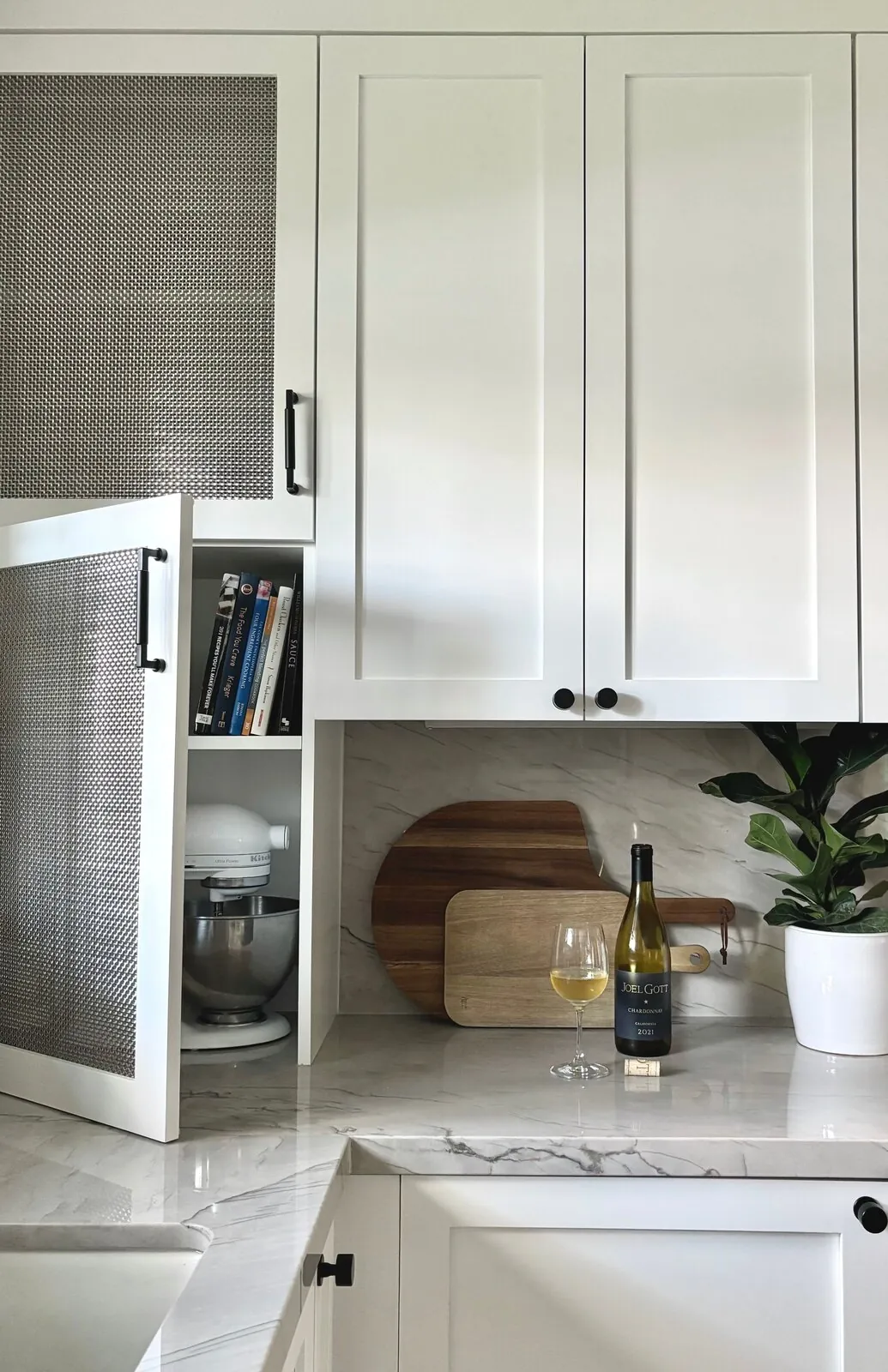

Finding a professional interior designer in Vallejo who understands your style and budget is the first step to a successful project. Vallejo in 2026 mixes historic charm with sleek design.
We put together details on top Vallejo designers, their services, specialties, and prices. We give real-world advice so you can steer clear of common design mistakes. Our approach emphasizes regional nuances, such as Vallejo’s unique housing stock and landscape, ensuring your design choices are both beautiful and functional in this specific context.
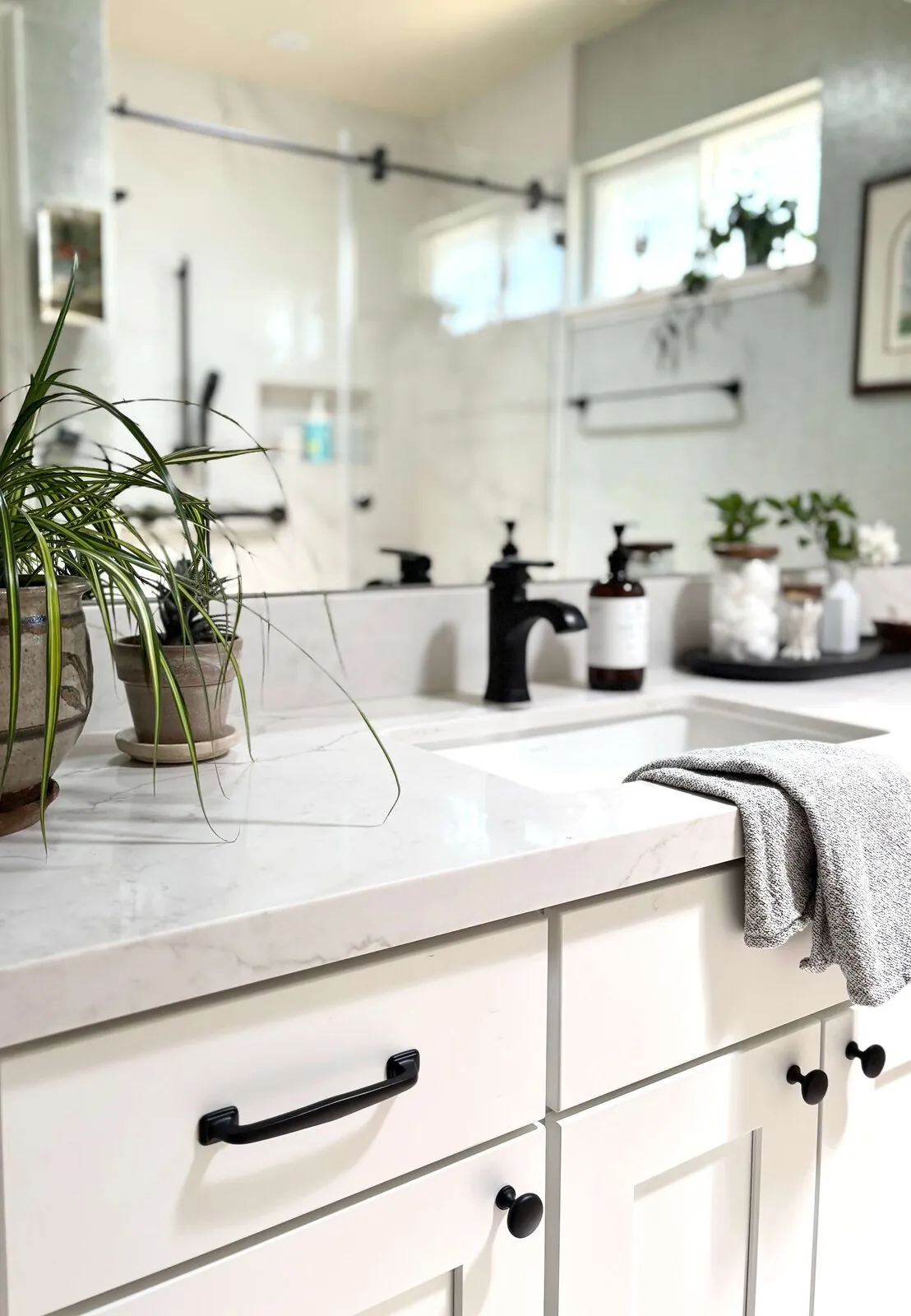
Common Questions
| What should I look for in a Vallejo interior designer? | Prioritize designers with hands-on experience in Vallejo’s mix of historic homes and modern coastal living—especially those who handle space planning and material selection directly. The city’s older housing stock often requires structural awareness, while waterfront properties demand durable, low-maintenance finishes. Skip anyone who can’t point to local projects or explain how they’d navigate Vallejo’s specific permit hurdles. |
| How can I find top-rated interior designers in Vallejo? | Start with the NKBA’s Northern California chapter directory or the California Interior Designers Association’s verified listings—both filter for licensed, code-savvy professionals. Review portfolios focused on Vallejo’s neighborhoods (like Hiddenbrooke or the downtown historic district) to spot consistency in execution. Avoid designers who can’t provide references from similar projects in the area. |
| Do I need to consider permits or codes for interior design projects in Vallejo? | Yes—Vallejo’s Planning & Development Services enforces strict permits for structural changes, electrical updates, or ADA-compliant modifications, even in remodels. For example, reconfiguring load-bearing walls or adding wet bars in historic homes triggers inspections; coastal properties may face additional flood-zone compliance. Always confirm with the city’s building department before committing to materials or contractors. |
| What regional design trends influence Vallejo interior design? | The city’s blend of pre-1940 Craftsman homes and waterfront estates drives demand for reclaimed redwood (a nod to Northern California’s forests) and matte, light-toned paints that brighten dark interiors. Coastal properties often use weather-resistant materials like sealed concrete or fiber cement siding, while historic renovations preserve original woodwork with modern finishes. These trends aren’t just aesthetic—they’re practical for Vallejo’s climate and housing types. |
Vallejo Interior Designer 2026 at a Glance
| Element | In | Out |
|---|---|---|
| Design Focus | Emphasis on sustainability and local materials | Ignoring regional climate considerations |
| Material Use | Integration of historic elements with modern updates | Overlooking local material availability |
| Project Scope | Flexible project scope options | Rigid scope without flexibility |
| Pricing Transparency | Affordable design packages available | High hourly rates with no value |
| Portfolio Access | Portfolio showcases diverse styles | Limited portfolio transparency |
| Client Feedback | Positive client testimonials | Negative client feedback |
| Communication | Collaborative design process | Poor communication channels |
| Regional Style | Focus on regional landscape and climate | Neglecting Vallejo’s historic character |
| Pricing Clarity | Transparent pricing and timelines | Unclear pricing structures |
Prioritizing Light and Space in Vallejo Homes
One of the first major design moves in Vallejo projects is to maximize natural light and create a sense of openness, especially in older homes near Mare Island. Designers love big windows. They keep rooms open yet still respect the house's past. Add some modern flair. Done. For instance, using frosted glass partitions or skylights from brands like Velux helps flood spaces with daylight without sacrificing privacy or insulation.
Amy has ongoing clients in Vallejo’s Glen Cove neighborhood, and the work there looks different from the rest of the city. Glen Cove sits on the Carquinez Strait, and that coastal microclimate drives material choices as much as style does -- moisture-resistant finishes and corrosion-proof hardware aren’t optional, and getting the water views without turning a room into a glare trap takes real planning around window placement and glazing, not just bigger windows. Most of the housing stock in Glen Cove's hillside subdivisions -- Marina Vista, Seascape, Harbour Towne -- is late-20th-century split-level layouts and two-story open floor plans, which need a different update approach than the older, more compact homes closer to downtown Vallejo.
In Timber Creek, owners thought a big extension was the fix for their space problem. The crew suggested an expensive addition, estimated over $100K. During a late afternoon visit, I used a laser level and a simple cardboard mockup in the room to reassess the layout. The issue wasn't about space. It was all light and proportion. We shifted windows and used light paint, making the space seem bigger without adding walls. This quiet shift saved the client thousands and avoided unnecessary disruption. The lesson in Vallejo is that smart light planning and proportion often trump costly expansions, especially given the region’s historic home stock where preserving architectural integrity is key.
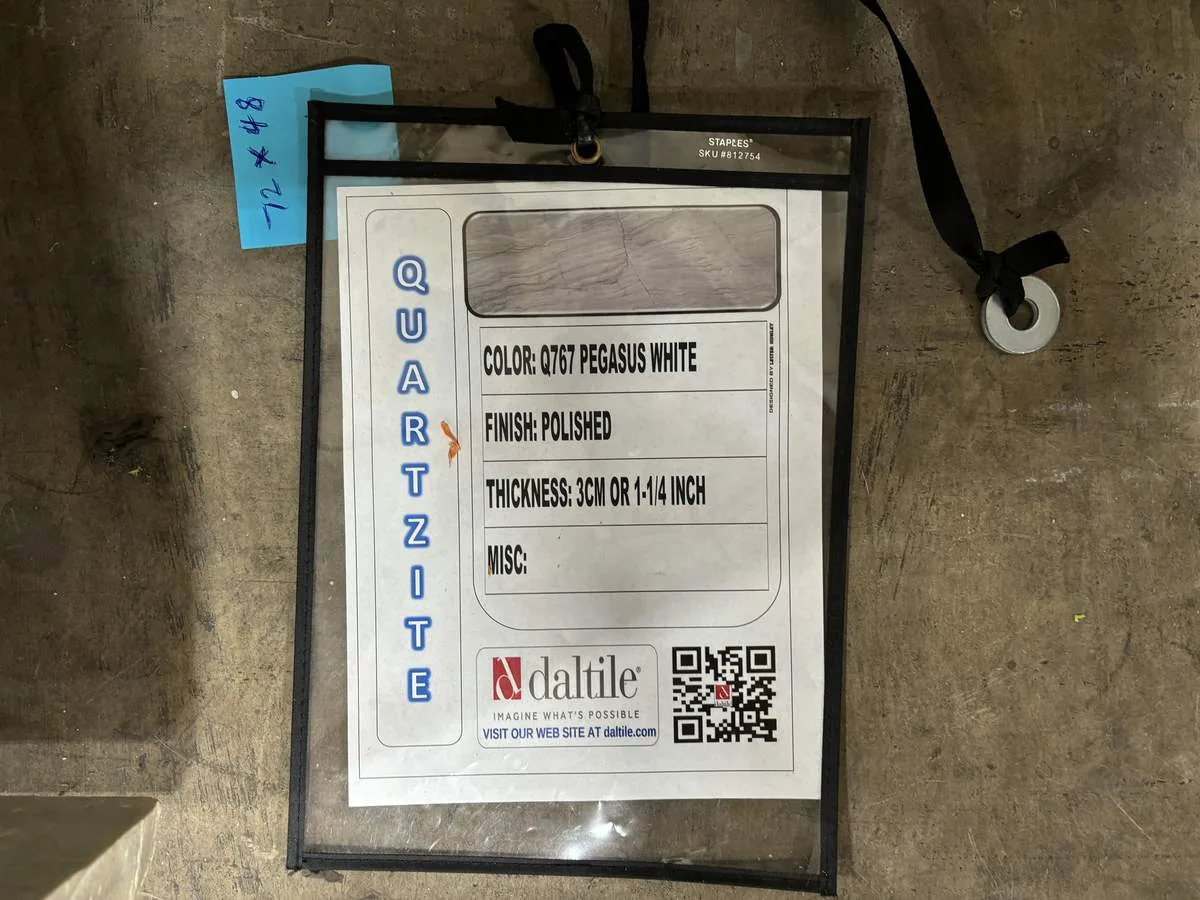
Material Specificity for Vallejo Interiors
Authenticity-grade materials
- White oak (rift-sawn), for floors and slat detail; calmer grain than plain-sawn
- Limestone or travertine, authentic regional stone with natural variation
- Matte black hardware, modern touch that contrasts with historic features
- Sustainable cork, for flooring or wall accents, regionally sourced
- Reclaimed wood, for beams, shelving, or accent walls
- Low-VOC paint, for healthier indoor air quality
- Ceramic tiles with handmade glaze, authentic and regionally appropriate
- Textured linen fabrics, for drapery and upholstery, adding tactile richness
Generic-grade tells we refuse to spec
- Synthetic laminates, often cheaper but less durable
- Mass-produced veneers, lack character and authenticity
- Glossy finishes, can look cheap if overused
- Plastic hardware, less durable and less aesthetic
- Low-quality MDF, prone to warping and moisture damage
- Standard white paint, often not suited for historic interiors
Vallejo-Specific Design Trends and Context
Vallejo’s historic housing stock and proximity to the bay influence interior design choices that balance preservation with modern comfort. Homes near Mare Island often use wood framing. It’s good to think about keeping that vintage touch when planning. Vallejo’s short days need brightness. Skylights and light finishes do the job. Hills and breezy shores. They suggest using reclaimed wood or local stone. Pick regional materials. This choice boosts local style and stays green.
Our expertise at this Vallejo-focused hub emphasizes tailoring each project to regional realities, ensuring that your home reflects Vallejo’s unique character while meeting your functional needs. In Vallejo, consider the weather. Make interiors feel true to the area.
Vallejo isn’t architecturally uniform, and treating it that way is part of what makes generic advice fall flat here. Hiddenbrooke, a gated golf community, and Glen Cove are both premium planned developments -- design decisions there typically answer to an HOA's own architectural standards, not just the homeowner's preference. Mare Island is a different case again: a distinct historic and redevelopment district, where what you can actually change is shaped by preservation guidelines well before it's shaped by budget or taste.
Vallejo's varied architecture informs solid design. Working with a local professional ensures your project respects these regional nuances, from material selection to stylistic details.
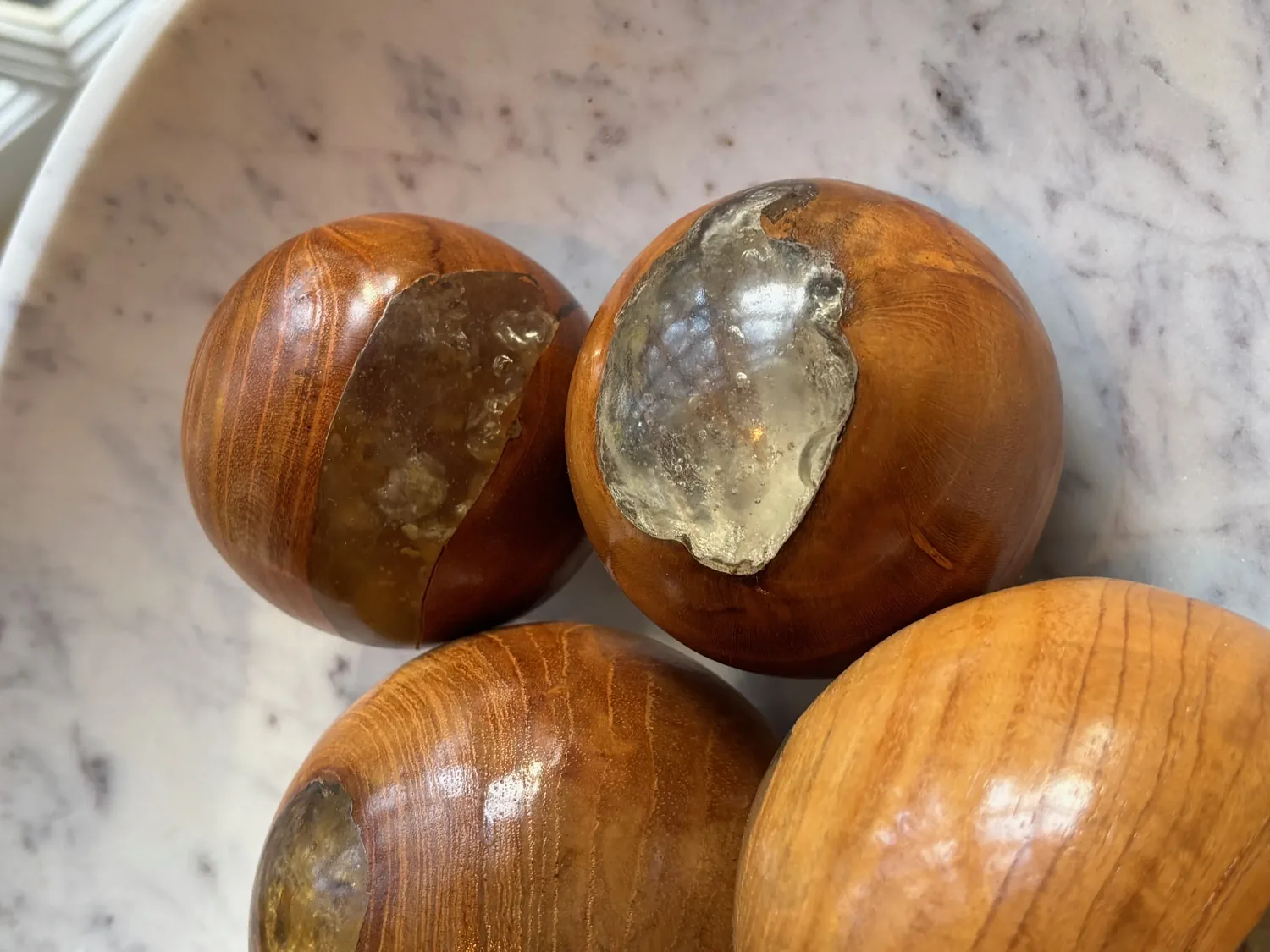
Should You Remodel or Rebuild in Vallejo?
Homeowners often face the dilemma of whether to remodel an existing Vallejo residence or consider a rebuild. We start by asking about budget, old charm, or new features. Remodeling can save money and keep old charm, a good fit near Mare Island. Sometimes, rebuilding's needed. Maybe for safety or layout issues.
Tough choice between a remodel or rebuild. For Timber Creek, they wanted a rebuild for an open kitchen. Measuring tape and old permits confirmed this: the base and frame were solid. New windows and finishes, plus tweaks, gave better returns than expected. A remodel cut costs by $50,000. The home's charm? Still there. Many old Vallejo homes have strong structures ready for a modern touch. The key is balancing budget, character, and safety considerations to make the right call for your property.
What This Costs in 2026
| Scope | Vallejo / Bay Area | Sacramento |
|---|---|---|
| Refresh scope including new fixtures, paint, and small updates | $15K-$35K | $10K-$25K |
| Mid-tier scope with kitchen upgrade, new flooring, and lighting | $60K-$110K | $40K-$75K |
| Estate-scale renovation including structural updates and high-end finishes | $200K-$500K | $150K-$300K |
Local permits & planning
Working Notes
What We Have Learned Doing This: Vallejo Interior Designer
“What survives the punch list is what was drawn clearly.”
The real worries? Delays, bad sequencing, moisture, and surprise framing. Looks matter. They bring clients. But how well things get built is what counts.
Think of a renovation as a chain. Tasks link together, not stand alone. A two-day cabinet delay quietly becomes a two-week slip by week sixteen because every trade downstream is holding a calendar. The least glamorous part of this work, and the most valuable, is keeping that chain from cascading.
Most of the money that gets wasted is spent solving the wrong problem confidently. A homeowner asks for more space, every contractor agrees and prices an addition, and the real issue turns out to be light, or proportion, or one bad sightline. We make the room tell us the problem before anyone signs a demolition contract.
These notes come from our own project debriefs. Most were learned the expensive way the first time.
Sources & Professional References
This guide's positions on materials are grounded in published building-code, standards, and recognized design-authority sources, alongside Designed | Curated Interiors' verified credentials and active project files:
- American Society of Interior Designers (ASID): interior-design practice standards
- International Code Council (ICC): Chapter 8 Interior Finish Decorative Materials And Furnishings
- Planning & Development Services, Vallejo (Solano County) building permit portal
- NKBA, Amy Kunst Member Profile (verified credential, NKBA Committee Member)
- Featured in: Homes & Gardens (design expert quote, May 2026) · Sacramento Love (guest author, 2024)
From Principle to a Real Room
A trend piece is the briefing document, not the deliverable. The pages below show how we translate these principles into finished rooms across Vallejo and the rest of Northern California.
- Sacramento & Bay Area Interior Design Services How we scope, source, and deliver work end to end.
- Interior Designer Hub, Vallejo Where most of our Vallejo work lives, the regional fit explained.
- Modern Tudor Homes: Authentic, Revival, and Neo-Tudor (A Designer Reference) Heritage-architecture renovation patterns from our project files.
- Japandi Living Room: A Designer's Guide to the 2026 Look The 2026 warm-neutral playbook applied to the living room.