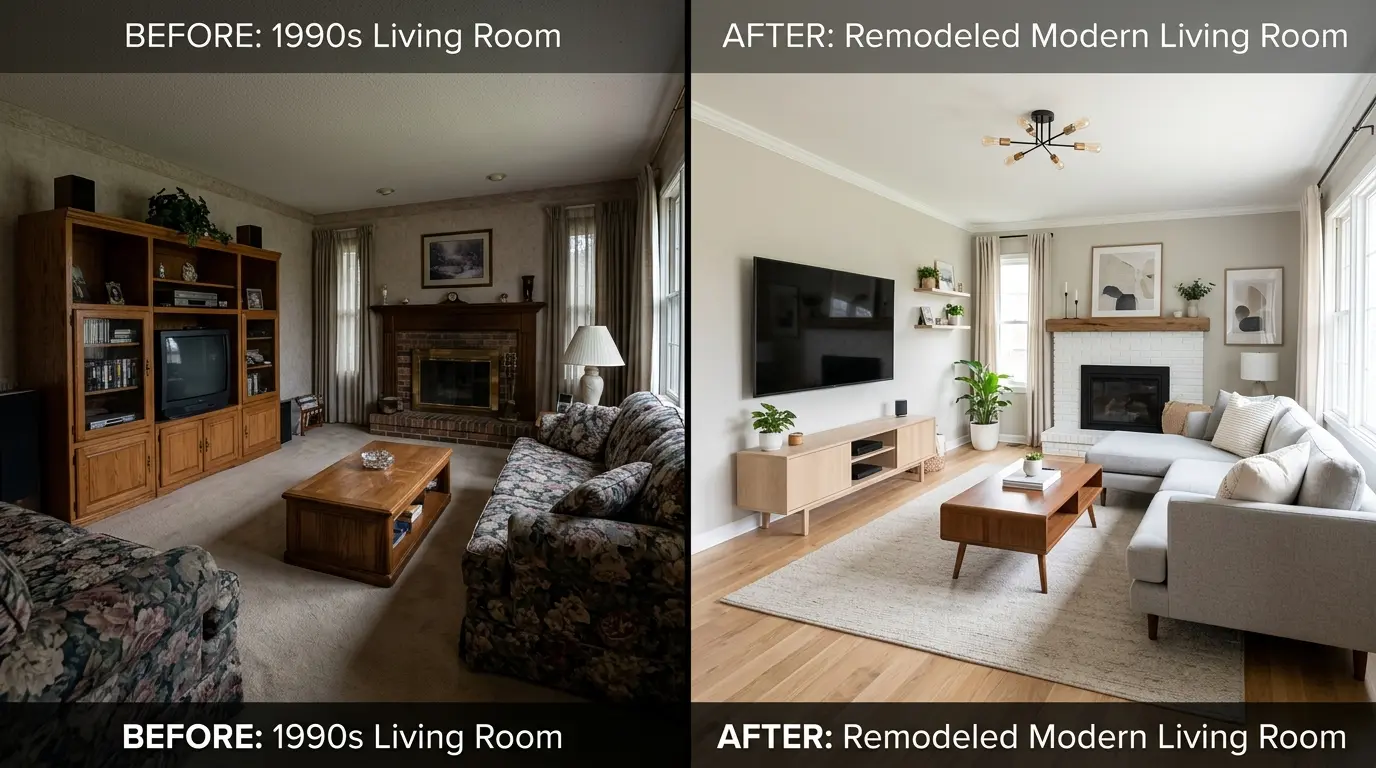
Updating a 1990s home in Folsom while preserving its unique character is entirely possible through thoughtful, strategic design choices that balance modern needs with the home's original charm. The key is focusing on subtle improvements that enhance functionality and style without stripping away the home's authenticity. Modernizing a 1990s Folsom home involves smart updates to materials, lighting, and layout that respect its era while introducing current design trends.
Built from our active project files, this guide will explore how to incorporate contemporary design trends, update key spaces like kitchens and bathrooms affordably, select materials that age gracefully, and preserve architectural features that define the home's character. We approach this with a warm-restraint perspective, ensuring updates feel intentional and regionally appropriate for Folsom's housing stock and market trends.
Direct Answers (Updating A 1990s Folsom Home)
| How can I update a 1990s Folsom home while preserving its character? | Focus on enhancing existing features with modern finishes and hardware, such as refinishing cabinetry and updating lighting, to maintain the home's original charm. |
| What are some cost-effective ways to modernize a 1990s Folsom home? | Reconfiguring layouts with subtle adjustments, updating fixtures, and refinishing surfaces can improve the home without expensive structural changes. |
| Which architectural elements should I prioritize preserving in my Folsom home? | Preserve features like rooflines, fireplace mantels, and window styles that define the home's character and authenticity. |
| How do regional materials influence updates to Folsom homes? | Using regional materials like reclaimed wood and natural stone helps ground updates in Folsom’s character and landscape. |
Updating A 1990s Folsom Home 2026 at a Glance
| Element | In | Out |
|---|---|---|
| Materials | Modern materials and finishes | Overly busy or trendy finishes |
| Colors | Light and neutral color palettes | Dark colors and heavy fixtures |
| Lighting | Energy-efficient updates | Expensive full-scale renovations |
| Layout | Open floor plans | Ignoring Folsom's architectural charm |
| Energy | Smart lighting solutions | Poor lighting choices |
| Architectural Features | Subtle architectural highlights | Disregarding energy efficiency |
| Budget | Affordable refresh options | Costly flooring overhauls |
| Design Trends | Focus on local style trends | Ignoring regional style cues |
Prioritize Preservation with Thoughtful Modern Updates
The first major move in updating a 1990s Folsom home is to identify the architectural elements that define its character and find ways to highlight them. For homes near Folsom Boulevard, this often means preserving the original rooflines, fireplace mantels, or window styles that give the home its authenticity. Across our active project specifications, we emphasize maintaining these features while applying modern finishes and hardware that are regionally inspired.
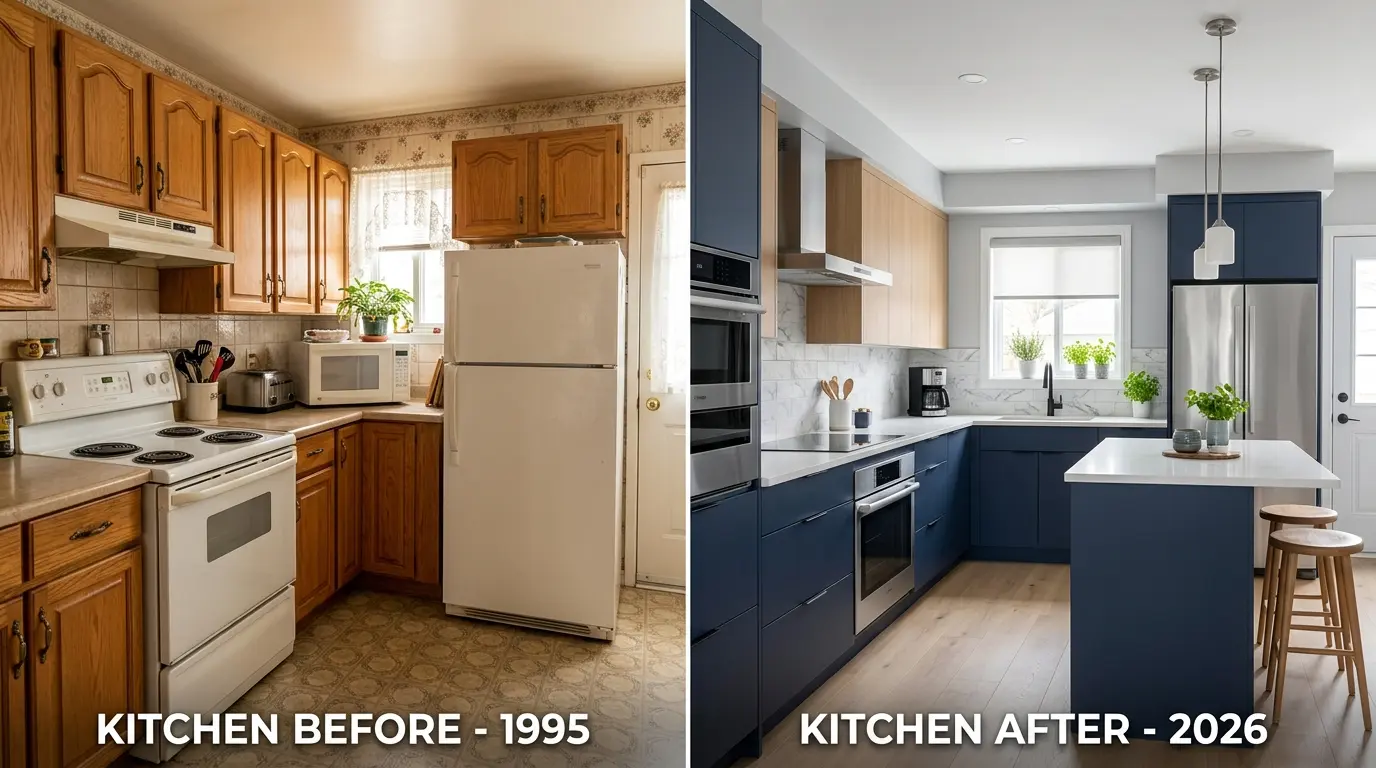
For example, in several recent projects, we’ve used warm, matte-finished fixtures from brands like Delta and Kohler to update bathrooms without stripping away their original charm. We focus on refinishing existing surfaces, like restoring cabinetry with a soft-white paint or replacing dated tile with sleek, durable porcelain that mimics natural stone. The goal is to create a cohesive look that feels fresh yet rooted in the home’s history. This approach aligns well with Folsom’s market, where buyers appreciate homes that balance modern comfort with period-specific details.
Our design philosophy is to enhance what’s already there, not to replace it. This strategy not only respects the architectural integrity but also minimizes budget and disruption, making the updates more sustainable in the long run.
Materials That Age Gracefully and Respect Regional Style
Authenticity-grade materials
- White oak (rift-sawn), for floors and slat detail; calmer grain than plain-sawn
- Matte-finish brass hardware, warm, timeless appeal that complements Folsom’s traditional homes
- Natural stone countertops, durable, regionally appropriate, and weathered to patina over time
- Reclaimed wood accents, adding warmth and character to modern updates
- Soft-white paint, for trim and cabinetry, blending seamlessly with original woodwork
- Porcelain tile mimicking natural stone, cost-effective and low-maintenance
- Layered textiles in neutral tones, for warmth and subtle texture
- Energy-efficient LED fixtures, for modern lighting with regional sensibility
Generic-grade tells we refuse to spec
- High-gloss lacquer finishes, often look cheap over time
- Bright white paint, can feel stark and out of place in a traditional Folsom home
- Overly trendy hardware styles, date quickly and distract from architectural features
- Vivid or overly saturated wall colors, clash with regional landscape and architecture
- Plastic laminates, lack authenticity and durability
- Carpet in high-traffic areas, less durable and outdated in modern updates
Why Folsom's Architectural Context Shapes Your Update Choices
Folsom’s housing stock, characterized by early 90s suburban homes, often features modest scale, simple rooflines, and a mix of traditional and ranch-inspired architecture. These homes benefit from updates that respect their regional context, especially in light of Folsom’s lush landscape and the natural materials common in local construction.
In the broader Sacramento area, light plays a significant role in how interiors are experienced. Homes near Folsom often have good southern exposure, making natural light a key asset to enhance through strategic window treatments and lighting design. Our approach is to use regional materials like reclaimed wood and natural stone to ground updates in Folsom’s character while integrating contemporary fixtures that meet modern standards for energy efficiency and comfort.
For more regional insights, visit this resource on Sacramento interior design trends. By understanding the local architectural language, homeowners can make informed choices that add value and authenticity to their homes without losing their original charm.
Should You Remodel or Rebuild in Folsom?
The core decision for many Folsom homeowners considering updates is whether to remodel their existing home or pursue a rebuild. The first question we ask is about the home’s structural condition and how much of the original character you wish to preserve. For homes near Folsom Boulevard, a full rebuild can cost significantly more and often results in losing the original architectural charm. Our experience shows that targeted renovations, such as refinishing existing woodwork, updating fixtures, and reconfiguring layouts, offer a high return on investment while maintaining regional authenticity.
We also consider local permitting processes, which tend to be straightforward for cosmetic updates but more involved for structural changes. For example, in the Valley Bluff Project, we initially thought a new kitchen in an older home would require a complete rebuild, but after inspecting with a story pole and reviewing the permit requirements, we realized a subtle reconfiguration could achieve the same goals more cost-effectively. The lesson for Folsom homeowners is that an honest assessment of actual state of the home often saves thousands and preserves the home's regional character.
What Adds the Most Value to a 1990s Folsom Home?
Updating key spaces such as kitchens and primary suites offers the highest ROI in Folsom’s market. The first decision is sizing; for example, a 36-inch range can work in a cozy kitchen, but a 48-inch range offers more functionality and appeals to modern buyers. When selecting fixtures and finishes, the National Kitchen and Bath Association’s guidance on durable, regional materials helps ensure longevity and style.
In terms of strategic upgrades, energy-efficient windows and lighting, along with refreshed exteriors, can significantly boost a home’s value. Our projects show that carefully curated updates, like replacing outdated wall-to-wall carpeting with durable plank flooring, can make a dated home feel more contemporary without overhauling its entire footprint. For Folsom homeowners, the key is balancing cost with impact, focusing on elements that elevate the home’s character and appeal.
How to Modernize a 1990s Folsom Home Without Losing Its Character
The first question we ask is how to introduce modern comforts while respecting the home’s original architecture. This often involves subtle updates like replacing heavy light fixtures with sleek, low-profile LED options or refinishing existing cabinetry with modern hardware from brands like Baldwin or Amerock. We avoid over-trending finishes that may quickly feel dated, preferring instead timeless materials that age well in the regional climate.
In several recent projects, we’ve used soft-white paint paired with warm brass hardware to refresh interiors without losing their traditional appeal. Incorporating natural textures like linen drapes or woven rugs can also soften modern updates, making the space feel warm and inviting. The regional landscape and abundant natural light in Folsom support these design choices, creating interiors that are both contemporary and regionally authentic.
Observed Failure Modes, How Updating A 1990s Folsom Home Goes Wrong
From our project debriefs and post-occupancy reviews, 2023-2026.
Overhauling the Entire Space Without Planning
Many homeowners assume that a complete overhaul is necessary to modernize a 1990s home. This can lead to costly mistakes, especially when structural issues or architectural features are overlooked. In the Valley Bluff Project, the mistake was proposing to remove a load-bearing wall to create an open floor plan, assuming it would be straightforward. Using a measuring tape and reviewing the original plans, I discovered the wall’s importance to the home’s structure. The fix was a subtle reconfiguration that preserved the load path, saving over $50,000 and avoiding a permit delay. The lesson in Folsom is that understanding the existing structure and regional building codes can prevent expensive and unnecessary rebuilds, ensuring updates respect the home's character.
Ignoring Folsom’s Regional Architectural Features
Attempting to apply generic modern styles without regional context can make a home feel out of place. In several recent projects, neglecting to honor Folsom’s characteristic rooflines, window styles, and exterior materials resulted in updates that felt disconnected from the neighborhood. Our advice is to incorporate local materials like weathered wood or natural stone, and to preserve original details such as eaves or corbels. This regional sensitivity enhances curb appeal and maintains the home's value over time.
Using Trend-Driven Fixtures That Quickly Date
Many homeowners fall into the trap of choosing fixtures and finishes that are trendy but lack timeless appeal. In Folsom’s market, this can lead to a home feeling dated within a few years. We recommend sticking with classic hardware and neutral palettes, which age gracefully and appeal to a broad range of buyers. For instance, replacing outdated brass or chrome fixtures with matte-finished brass or black hardware from brands like Baldwin ensures longevity and style relevance.
Underestimating the Cost of Simple Updates
Homeowners often underestimate the hidden costs of seemingly simple updates like painting or flooring. In the Valley Bluff Project, we initially thought refinishing the floors would be straightforward, but discovered hidden moisture issues beneath the subfloor during demo, which required additional repairs. This added thousands to the budget. In Folsom, understanding local moisture levels and foundation conditions is crucial for accurate budgeting and avoiding surprises. Always consult regional building guidelines and conduct thorough inspections before committing to superficial updates.
What's Going Out for 2026
- Overly trendy finishes that quickly feel dated
- Heavy, dark wall colors that diminish natural light
- Full gut renovations without assessing existing architecture
- Ignoring regional building codes and permit requirements
- Removing original architectural features unnecessarily
- Choosing fixtures that do not age well
- Overlooking energy efficiency upgrades
- Disregarding the regional landscape and light conditions
What Updating A 1990s Folsom Home Costs in 2026
| Scope | Sacramento | Bay Area / Marin |
|---|---|---|
| Refresh scope including paint, fixtures, and minor updates | $15K-$35K | $25K-$50K |
| Mid-tier updates with new cabinetry, flooring, and lighting | $40K-$80K | $70K-$150K |
| Estate-scale renovation including structural updates and high-end finishes | $100K-$300K | $200K-$600K |
Local permits & planning
Working Notes
What We Have Learned Doing This: How to Update a 1990s Folsom Home: A Designer's Renovation Guide
“The schedule is a design decision. Treat it like one.”
A renovation is a dependency chain, not a list of tasks. A two-day cabinet delay quietly becomes a two-week slip by week sixteen because every trade downstream is holding a calendar. The least glamorous part of this work, and the most valuable, is keeping that chain from cascading.
Order the long-lead items before anything else and design the sequence so the rest of the job can proceed without them. The appliance, the stone, the custom millwork set the schedule, and pretending otherwise is how a project loses a month it never gets back.
Most of the money that gets wasted is spent solving the wrong problem confidently. A homeowner asks for more space, every contractor agrees and prices an addition, and the real issue turns out to be light, or proportion, or one bad sightline. We make the room tell us the problem before anyone signs a demolition contract.
These notes come from our own how to update a 1990s folsom home: a designer's renovation guide project debriefs. Most were learned the expensive way the first time.
Sources & Professional References
This guide's positions on materials are grounded in published building-code, standards, and recognized design-authority sources, alongside Designed | Curated Interiors' verified credentials and active project files:
- American Society of Interior Designers (ASID): interior-design practice standards
- International Code Council (ICC): Chapter 8 Interior Finish Decorative Materials And Furnishings
- Community Development (Building), Folsom (Sacramento County) building permit portal
- NKBA, Amy Kunst Member Profile (verified credential, NKBA Committee Member)
- Featured in: Homes & Gardens (design expert quote, May 2026) · Sacramento Love (guest author, 2024)
Frequently Asked
How can I update a 1990s Folsom home while preserving its character?
What are some cost-effective ways to modernize a 1990s Folsom home?
Which architectural elements should I prioritize preserving in my Folsom home?
How do regional materials influence updates to Folsom homes?
Should I consider remodeling or rebuilding my Folsom home?
What role does natural light play in updating a Folsom home?
Where can I find local permits and regulations for updating my Folsom home?
From Updating A 1990s Folsom Home to a Real Room
A trend piece is the briefing document, not the deliverable. The pages below show how we translate these principles into finished rooms across Folsom and the rest of Northern California.
- Sacramento & Bay Area Interior Design Services How we scope, source, and deliver work end to end.
- Interior Designer Hub, Folsom Where most of our Folsom work lives, the regional fit explained.
- Modern Tudor Homes: Authentic, Revival, and Neo-Tudor (A Designer Reference) Heritage-architecture renovation patterns from our project files.
- Japandi Living Room: A Designer's Guide to the 2026 Look The 2026 warm-neutral playbook applied to the living room.