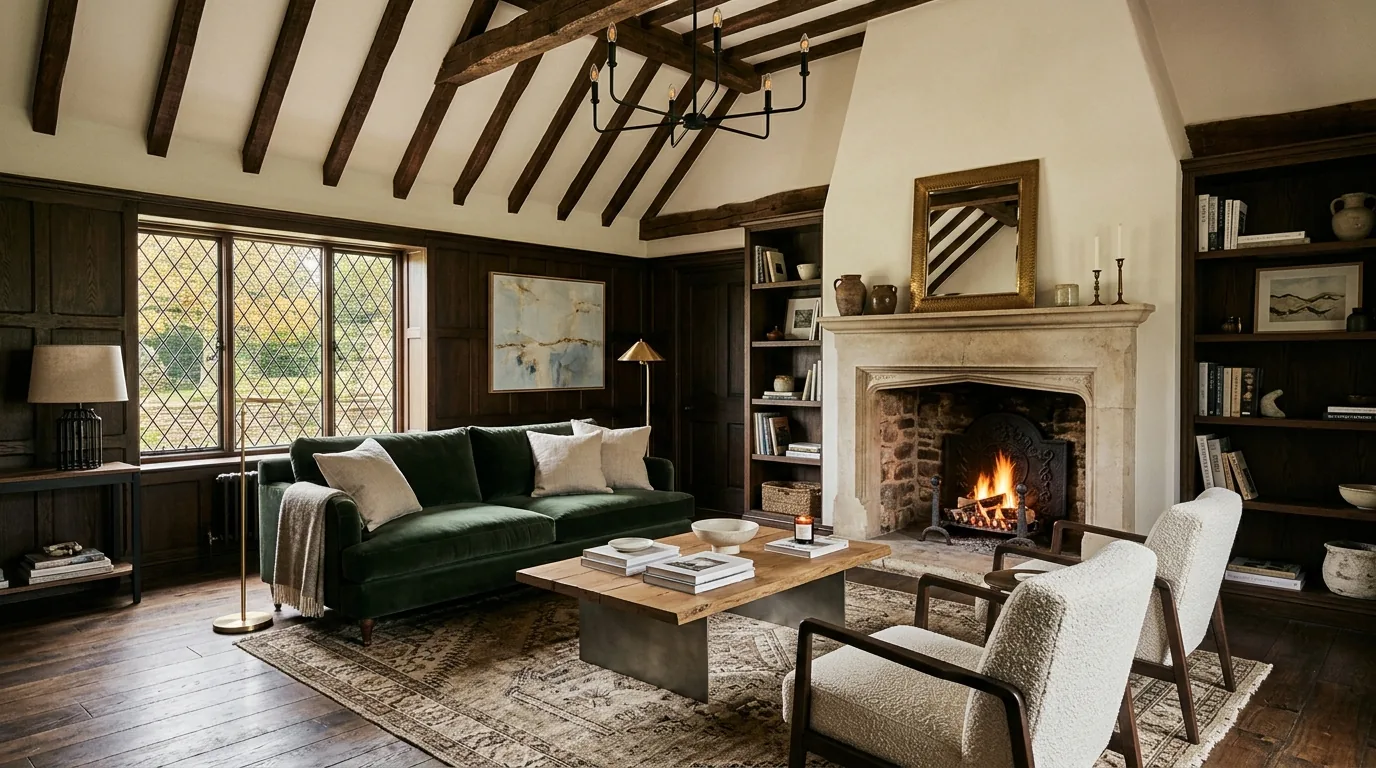
In 2026, Tudor style interior design is evolving to blend its historic charm with contemporary trends, creating spaces that feel both timeless and fresh. The main question homeowners and designers ask today is how to modernize Tudor interiors without losing their character. Bold new interpretations incorporate updated materials, technologies, and color palettes while respecting traditional elements.
Built from our active project files, this guide explores predicted trends for Tudor interiors in 2026, shows how traditional elements can be modernized, and discusses new materials, smart technology integration, and furniture choices. We focus on a designer’s perspective that emphasizes warm restraint and longevity, helping Sacramento homeowners achieve a balanced, future-proof look that honors the style’s history yet feels current.
Common Questions
| What is the outlook for Tudor style interior design in 2026? | In 2026, Tudor style interiors are evolving to blend traditional charm with contemporary trends, incorporating updated materials, smart technology, and regional influences. |
| How can I modernize my Tudor interior without losing its character? | Use subtle updates like engineered wood mimicking historic beams, modern lighting, and new materials that respect traditional elements while enhancing durability and style. |
| Are there specific regional influences for Tudor interiors in Sacramento? | Yes, Sacramento’s Tudor updates often include reclaimed brick, custom wrought iron details, and craftsmanship that reflect local historic aesthetics. |
| Should I remodel or rebuild my Tudor home in 2026? | It depends on the home's condition, budget, and goals; a strategic remodel can preserve charm while saving costs compared to a full rebuild. |
Tudor Style Interior Design 2026 2026 at a Glance
| Element | In | Out |
|---|---|---|
| Color Palette | Warm neutrals with deep accents | Cool, bright tones |
| Furnishings | Mixed traditional and modern furnishings | Overly ornate details |
| Materials | Smart integrated lighting and heating | Synthetic materials |
| Technology | Sustainable, authentic materials | Cluttered layouts |
| Architectural Details | Layered textures and rich wood finishes | Bright, neon accents |
| Lighting | Subtle architectural updates | Heavy, dark finishes |
| Texture | Minimal ornamentation with maximum warmth | Excessive ornamentation |
| Color Mood | Refined, muted color palettes | Cold or sterile environments |
Modern reinterpretation of Tudor architecture
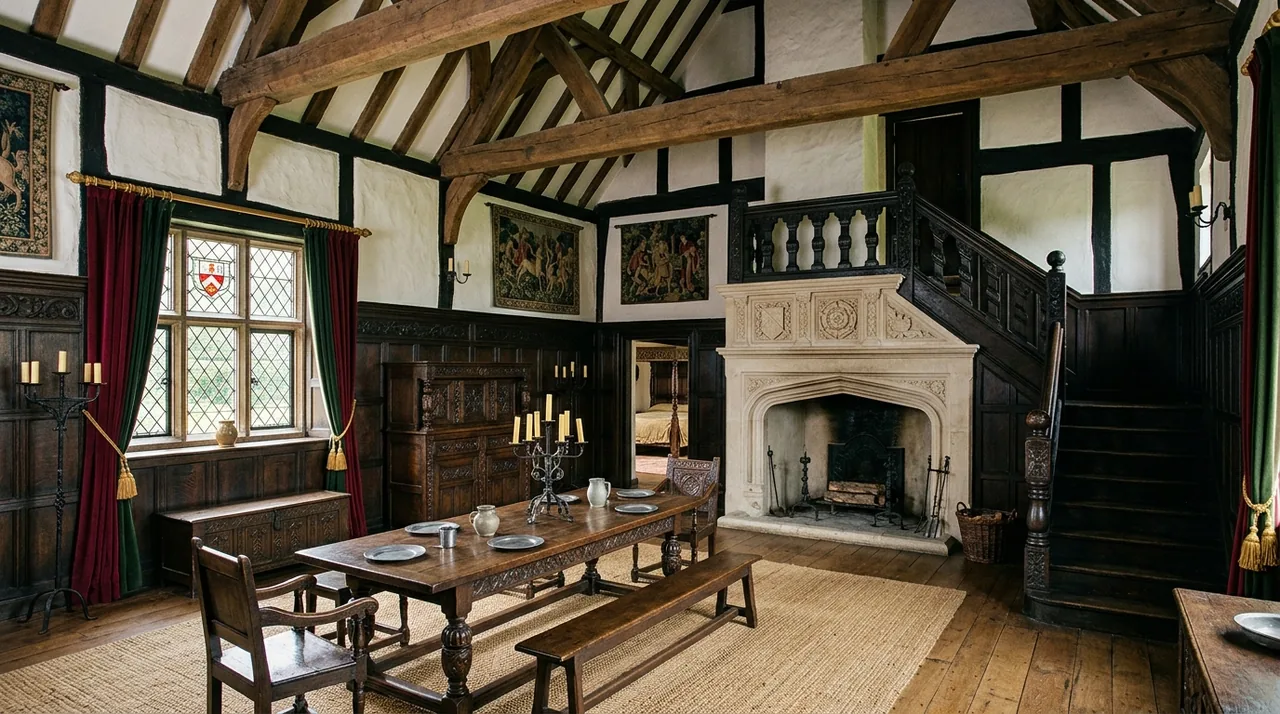
In 2026, the key move in Tudor style interiors is reimagining its signature features through a contemporary lens. Traditional Tudor elements such as steeply pitched gable roofs, decorative half-timbering, and leaded glass are being adapted with cleaner lines and updated materials. For example, across our active project specifications, we see a shift toward using engineered wood products that mimic historic oak beams but with better sustainability and durability.
Designers are also integrating large-format tiles that resemble traditional terracotta or stone but with improved manufacturing processes, allowing for seamless application and easier maintenance. The use of smart lighting systems that highlight architectural details without overpowering the space is becoming common. This approach respects the cozy, layered feel of Tudor interiors while embracing the sleekness and efficiency demanded in 2026.
Material specificity for 2026 Tudor interiors
Authenticity-grade materials
- White oak (rift-sawn), for floors and slat detail; calmer grain than plain-sawn
- Reclaimed brick, for authentic, textured walls
- Faux plaster finishes, mimicking historic lime plaster with modern durability
- Engineered stone, for countertops with a natural look but superior performance
- Leaded glass with UV coating, preserving Tudor windows while improving energy efficiency
- Bronze hardware, for authentic yet contemporary accents
- Linen fabrics, for soft window treatments and upholstery
- Matte black metal, for fixtures and accents, balancing traditional and modern
Generic-grade tells we refuse to spec
- Polymer-based faux finishes, less authentic and less durable
- Overly glossy plastics, incompatible with Tudor warmth
- Mass-produced hardware, lacking character
- Synthetic textiles, less aged appearance
- Bright chromes, clash with historic style
- Cheap laminates, cheapens the overall look
Should You Remodel or Rebuild Your Tudor Home in 2026?
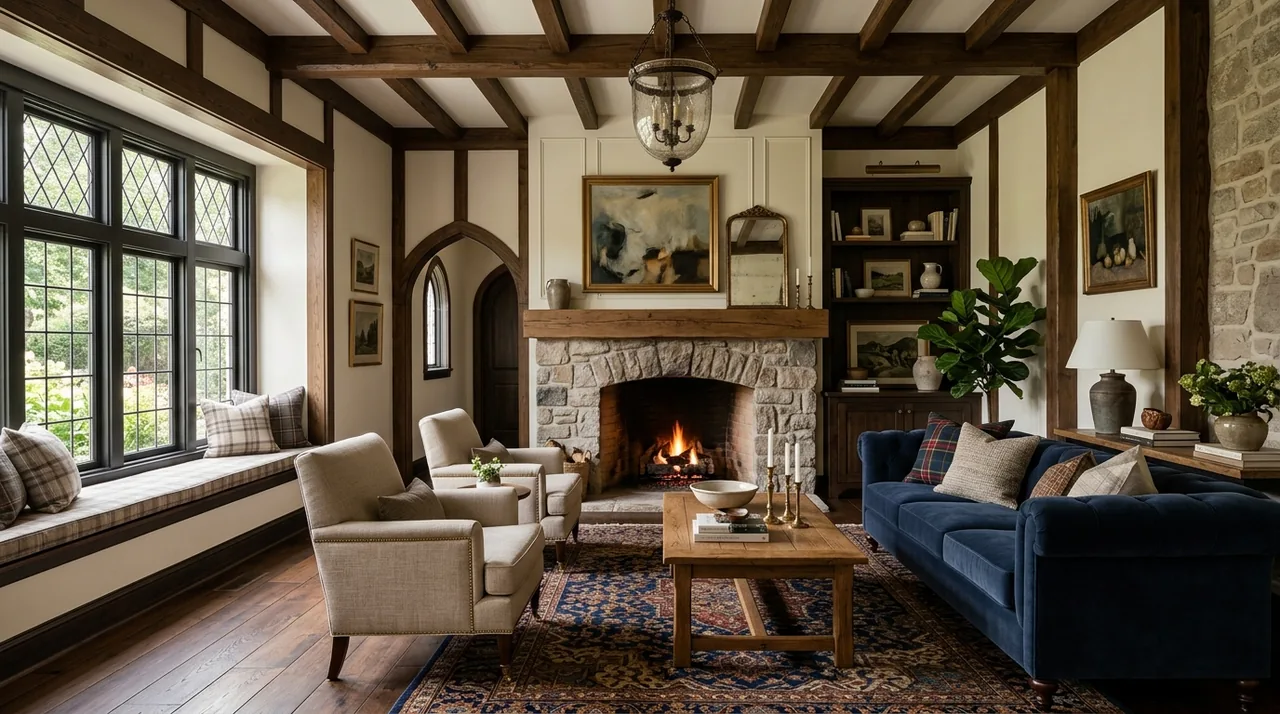
Many homeowners face the dilemma of whether to undertake a full rebuild or a thoughtful remodel when updating a Tudor-style home. The first question we ask is what the real goal is: is it to preserve historic features, improve energy efficiency, or create a more functional layout? For example, a Sacramento homeowner with a 1920s Tudor asked for a larger primary suite. The initial plan was to add on and rebuild the existing facade. During a walk-through, I used a story pole and reviewed old floor plans, and it became clear that the existing structure had good bones, but the layout was inefficient. We discussed options for internal reconfiguration instead of a rebuild, which saved over six figures and months of permit delays. The key is understanding the original home's structural integrity and how much of the character can be preserved with strategic updates.
Choosing between remodel and rebuild hinges on the home's condition, budget, and long-term goals. In Sacramento, where many Tudor homes are valued for their historic charm, a carefully planned remodel often offers the best ROI. The decision should be guided by a professional who understands local building codes and historic preservation guidelines.
How to Incorporate Future Trends into Your Tudor Interior in 2026
The second major decision involves how to incorporate emerging trends and technologies without compromising the timeless appeal. Homeowners are increasingly asking about smart home integration, sustainable materials, and flexible layouts. The first question we ask is whether the style should be more traditional or lean into a more contemporary interpretation. For example, across our active project specifications, we see a rise in using smart lighting that accentuates architectural details or layered lighting schemes that create depth and warmth. Sustainable materials like reclaimed wood and low-VOC paints are also becoming standard, aligning with regional environmental priorities.
Designers are blending traditional Tudor elements with modern materials and smart technologies, creating interiors that are both nostalgic and forward-thinking. The goal is to develop a space that feels authentic but is equipped for 2026’s tech-savvy lifestyle, including seamless smart home controls and energy-efficient systems. This approach ensures the interior remains relevant and functional for years to come, especially in the competitive Sacramento and Marin markets.
What This Costs in 2026
| Scope | Typical range |
|---|---|
| Refresh scope with authentic updates | $70K-$150K |
| Mid-tier updates with sustainable materials | $150K-$300K |
| Estate-scale, full historic renovations | $300K-$750K |
Working Notes
What We Have Learned Doing This: Tudor Style Interior Design: A Designer's Guide to the 2026 Look
“Trades do not read minds. They read drawings.”
A renovation is a dependency chain, not a list of tasks. A two-day cabinet delay quietly becomes a two-week slip by week sixteen because every trade downstream is holding a calendar. The least glamorous part of this work, and the most valuable, is keeping that chain from cascading.
Order the long-lead items before anything else and design the sequence so the rest of the job can proceed without them. The appliance, the stone, the custom millwork set the schedule, and pretending otherwise is how a project loses a month it never gets back.
The cheapest tool on any project is a sample board and an afternoon. We have watched five-figure mistakes get caught by a fifteen-dollar paint sample lived with for a week in the actual light of the actual room. Decisions made under showroom lighting do not survive contact with a real house.
These notes come from our own project debriefs. Most were learned the expensive way the first time.
Sources & Professional References
This guide's positions on materials are grounded in published building-code, standards, and recognized design-authority sources, alongside Designed | Curated Interiors' verified credentials and active project files:
- American Society of Interior Designers (ASID): interior-design practice standards
- International Code Council (ICC): Chapter 8 Interior Finishes
- NKBA, Amy Kunst Member Profile (verified credential, NKBA Committee Member)
- Featured in: Homes & Gardens (design expert quote, May 2026) · Sacramento Love (guest author, 2024)
From Principle to a Real Room
A trend piece is the briefing document, not the deliverable. The pages below show how we translate these principles into finished rooms across Sacramento and the rest of Northern California.
- Sacramento & Bay Area Interior Design Services How we scope, source, and deliver work end to end.
- Interior Designer Hub, Sacramento Where most of our Sacramento work lives, the regional fit explained.
- Modern Tudor Homes: Authentic, Revival, and Neo-Tudor (A Designer Reference) Heritage-architecture renovation patterns from our project files.
- Japandi Living Room: A Designer's Guide to the 2026 Look The 2026 warm-neutral playbook applied to the living room.