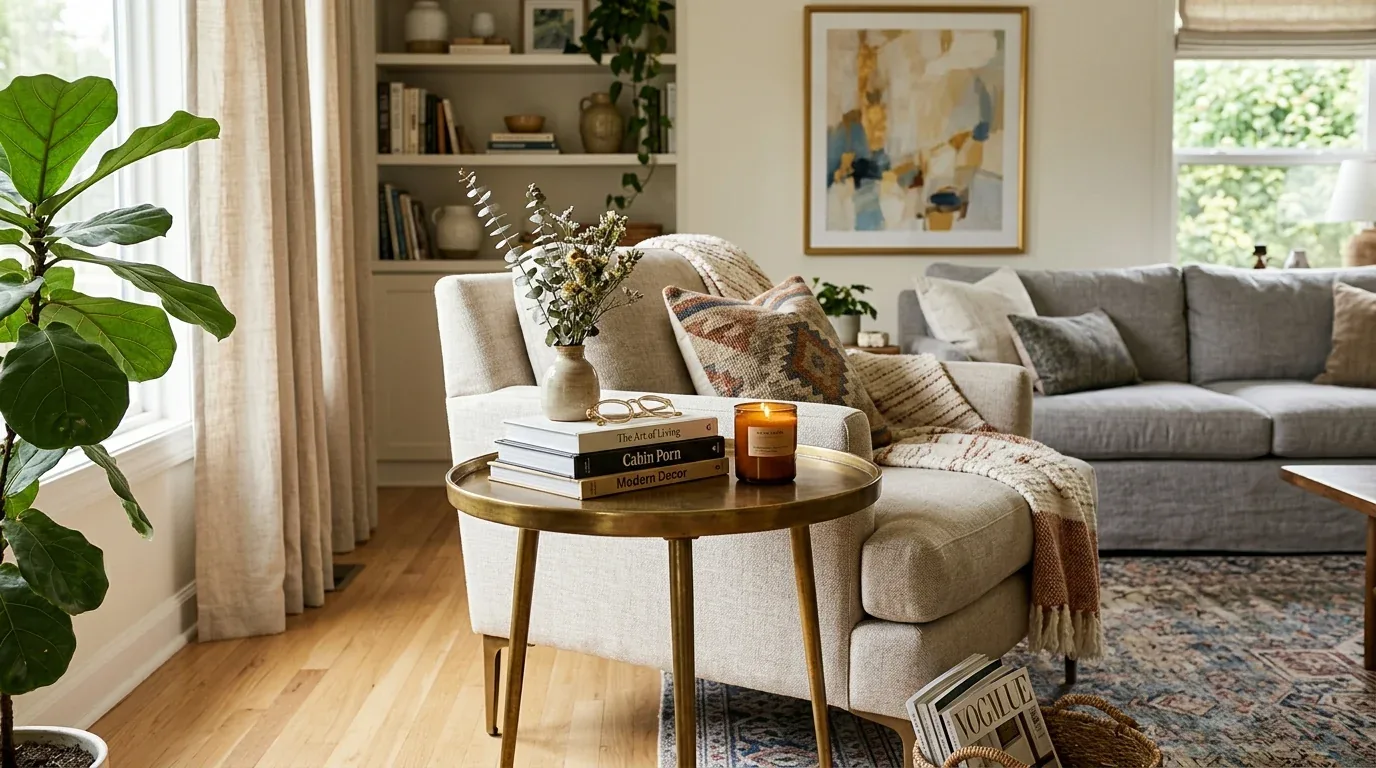
Curtis Park residents are looking for interiors that mix old with new. They want coziness with a touch of current style. They prefer something that doesn’t dive too deep into either modern or vintage. Curtis Park interiors mix warm details with clean lines. The spaces are cozy but also polished.
Our project notes show how this style looks in Curtis Park. Local designers explain sourcing and costs. We use warm restraint. Respect the area's history but don't forget about modern touches. Keep it timeless.
Direct Answers (Transitional Interior Design Curtis Park)
| What is transitional interior design in Curtis Park? | Curtis Park homes find a mix through charm and comfort but stay current. |
| How does transitional style fit with Curtis Park's historic homes? | It honors Craftsman details, adds sleek updates for balance. |
| What are key elements of transitional interior design in Curtis Park? | Warm neutrals and wood, mixed textures, quiet modern touches. |
| When planning a transitional interior in Curtis Park, what should I consider? | How do you keep the charm while updating? Mix vintage pieces with fresh features. |
Transitional Interior Design Curtis Park 2026 at a Glance
| Element | In | Out |
|---|---|---|
| Color Palette | Neutral color palettes with warm undertones | Bright, bold colors and high contrast |
| Material Mix | Mixed materials like wood and metal | Overly ornate or elaborate decor |
| Furniture Style | Simple, elegant furniture with clean lines | Heavy use of synthetic materials |
| Decorative Details | Subtle decorative details | Cluttered or overly busy layouts |
| Textures | Layered textures for warmth | Minimalist furniture with no warmth |
| Design Balance | Integration of vintage and modern pieces | Purely modern or traditional styles only |
| Architectural Compatibility | Focus on comfort and livability | Ignoring architectural context |
| Decor Themes | Balanced proportions and scale | Overly themed or gimmicky accessories |
Embracing Warmth with Subtle Sophistication
In our Curtis Park projects, the first move toward achieving transitional interior design is choosing a warm, neutral color palette. We often go for soft beiges and warm whites. They calm and match the old architecture here. Finishes? Matte paint brings a softer touch. Aura line from Benjamin Moore works well, nice and durable. Pair wood floors, white oak preferably, with brushed nickel. Inviting yet sharp.
Soft fabrics cut the formality. We like plush linen sofas. Wool or jute rugs add layers. Aim for curated but cozy. Comfort matters. We introduce minimalist touches carefully. Side tables, lighting. Keep Curtis Park homes warm and classic. This way, the interiors aren’t dated. They look both classy and current.
Material Specificity for Authenticity and Warmth
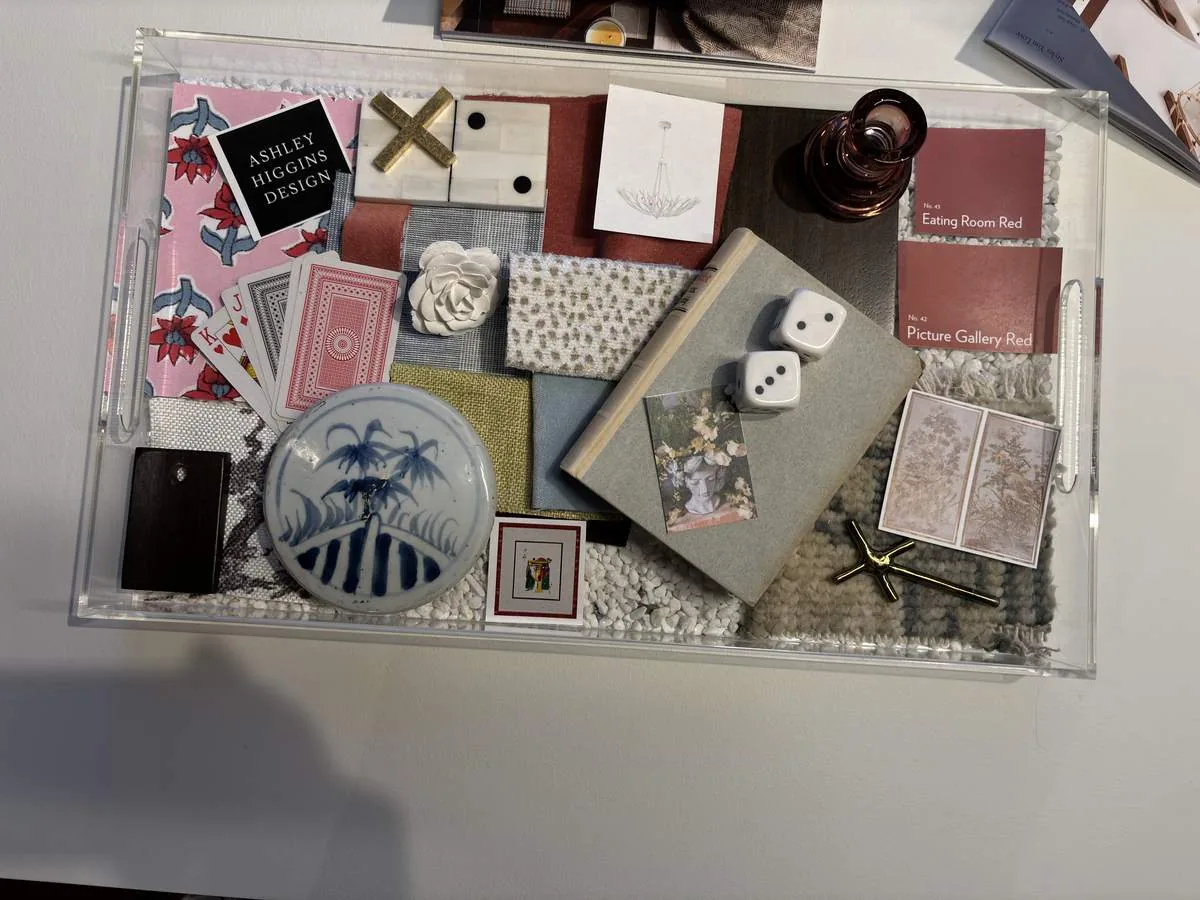
Authenticity-grade materials
- White oak (rift-sawn), for floors and slat details; calmer grain than plain-sawn
- Linen or cotton fabrics, for upholstery and window treatments, adding softness
- Brushed nickel or matte black hardware, for a contemporary yet warm finish
- Natural stone (limestone or travertine), for countertops and accents, balancing modern and traditional
- Velvet or boucle upholstery, for accent chairs or cushions, adding texture
- Glass and metal fixtures, for lighting and hardware, maintaining sleekness
- Solid wood furniture, with warm finishes, for a grounded look
- Wool or jute rugs, layered for texture and warmth
Generic-grade tells we refuse to spec
- Synthetic fabrics, avoid overly shiny or plastic-looking textiles
- Highly polished marble, can feel cold and formal
- Brightly painted or lacquered surfaces, tend to be less warm
- Plastic hardware, instead of metal or natural finishes
- Veneered or laminate surfaces, for major furniture pieces
- Overly ornate or heavily carved wood, can clash with modern elements
Why Transitional Design Fits Curtis Park Homes
Curtis Park’s historic homes, built primarily in the early 20th century, offer a rich architectural fabric that lends itself well to transitional interior design. Expect craftsman millwork and brick details here. Ready for blending classic with new. Curtis Park light favors warm neutrals and rich textures. Grounds the style.
Transitional design suits Curtis Park. Keeps character, allows modern living. Original wood, vintage hardware, and new amenities mix well for subtle updates. In remodels, match new fixtures with old charm. Key to success. Our local expertise can guide you in balancing preservation with modern updates, ensuring your home reflects both its history and your personal style.
Transitional design here stays true to architectural roots. Adaptable and fresh. Balances honoring history with modern needs. Fits many homes.
How to Choose the Right Fixtures and Products for a Transitional Look
Homeowners often struggle with selecting fixtures and products that strike the right balance in a transitional space. The first question we ask is: what is the overall feel you want to achieve? In Curtis Park, aim to mix vintage with modern. Go for bronze or brass fixtures with clean lines. Matte black metal hood with a brass faucet matches well.
Size hoods and islands right for the room. 36-inch range fits most kitchens; bigger spaces might need a 48-inch. Look at local fabricators and compare with Wayfair or Etsy. Custom pieces fit spaces better than stock. Of course, they cost more. Stock items? They cost less and arrive faster. Match the budget to room size and desired quality. Get that detail right, stays looking sharp.
Common Mistakes That Can Make a Transitional Interior Feel Off
One common mistake is mixing too many styles or finishes without a cohesive plan. Modern glass tables don't pair with Victorian chairs. Stay consistent with your material choices. Skip clutter by reducing accessories. Mix styles wisely to avoid a mess. A sleek sofa fits with vintage side tables nicely.
Ignoring what the architecture says? That's a big mistake. In Curtis Park, the original woodwork in homes should stay. Use it or blend it in carefully. Paint these original features? Bad move. Rip them out? Worse. They give the home its character. Rushing the sourcing often means you're settling for less quality or wrong size. Check samples and finishes directly in the space itself. Don't rush. Even small errors can spoil the balance needed in transitional design.
Observed Failure Modes, How Transitional Interior Design Curtis Park Goes Wrong
From our project debriefs and post-occupancy reviews, 2023-2026.
Inconsistent Material Choices
One project involved homeowners selecting a sleek, modern kitchen faucet paired with traditional cabinetry and vintage lighting. Mismatch throws the look off. Ruins the transition. The problem? No clear style direction or material coordination early on. The lesson? Specify your core finishes and materials first. Then source fixtures for cohesion. In Sacramento's older homes, mismatches stand out. That change can feel staged.
Overly Themed Decor
In a recent Curtis Park project, homeowners wanted a transitional look but filled the space with themed accessories like farmhouse signs and industrial lighting, which conflicted with the overall design. If it's a jumble, it's gimmicky, not stylish. Restraint is key. Decor should match the core style. Go neutral and textured. Skip over-the-top. Over-decorate, and you lose elegance. It becomes busy and dated instead.
Ignoring Architectural Details
One homeowner decided to replace original crown molding with a modern, flat ceiling, thinking it would simplify the look. It ended up removing an important feature that brought warmth. Mixing old with new wrongly gave the place a jarring vibe. The lesson? Work with what you’ve got. Draw attention to any unique details. Curtis Park's charm lies in its original millwork or brick. Keeping them keeps the space authentic.
Choosing the Wrong Scale
In a recent kitchen remodel, the homeowner selected a large, bulky island that overwhelmed the space, making it feel cramped. Overlooked room size and traffic flow. Pick pieces that match the room size. Measure twice. Check against existing building elements. In Curtis Park’s often smaller or more complex layouts, scale is critical. Mismatch can make things cramped, disrupting the transitional style.
What's Going Out for 2026
- Bright, overly saturated colors that clash with warm neutrals
- Heavy ornamentation or overly elaborate moldings
- Vivid, patterned wallpapers in small spaces
- Synthetic or plastic finishes on fixtures and furniture
- Cluttered or overly themed accessories
- Overly ornate or traditional furniture in modern rooms
- Ignoring existing architectural features
- Large, mismatched furniture pieces that overpower small rooms
What Transitional Interior Design Curtis Park Costs in 2026
| Scope | Curtis Park / Bay Area | Sacramento |
|---|---|---|
| Basic refresh with new paint and accessories | $12K-$20K | $8K-$15K |
| Mid-tier remodeling with new fixtures, flooring, and custom cabinetry | $40K-$80K | $25K-$50K |
| Full-scale renovation including structural updates, high-end finishes, and custom millwork | $150K-$350K | $80K-$200K |
Local permits & planning
Working Notes
What We Have Learned Doing This: transitional interior design curtis park
“Sequence beats speed. Every time.”
Old houses lie, and so do new ones. Even a ten-year-old house lies the moment you assume the framing sits where the plans say. We stopped trusting old drawings, prior contractor work, and the phrase it should be fine a long time ago. The budget needs a real line for what demolition will uncover, usually 15 to 20 percent once walls start opening.
Money often vanishes on solutions to imagined problems. Homeowners ask for more room, contractors plan additions, but often the real issue is poor light or awkward proportions. We make the room tell us the problem before anyone signs a demolition contract.
Order items needing long lead times before starting anything else, and plan around delivery. The appliance, the stone, the custom millwork set the schedule, and pretending otherwise is how a project loses a month it never gets back.
These notes come from our own transitional interior design curtis park project debriefs. Most were learned the expensive way the first time.
Sources & Professional References
This guide's positions on materials are grounded in published building-code, standards, and recognized design-authority sources, alongside Designed | Curated Interiors' verified credentials and active project files:
- American Society of Interior Designers (ASID): interior-design practice standards
- International Code Council (ICC): Chapter 8 Interior Finish Decorative Materials And Furnishings
- NKBA, Amy Kunst Member Profile (verified credential, NKBA Committee Member)
- Featured in: Homes & Gardens (design expert quote, May 2026) · Sacramento Love (guest author, 2024)
Frequently Asked
What is transitional interior design in Curtis Park?
How does transitional style fit with Curtis Park's historic homes?
What are key elements of transitional interior design in Curtis Park?
When planning a transitional interior in Curtis Park, what should I consider?
Who can help with transitional interior design in Curtis Park?
What common mistakes should I avoid in transitional interior design?
From Transitional Interior Design Curtis Park to a Real Room
A trend piece is the briefing document, not the deliverable. The pages below show how we translate these principles into finished rooms across Curtis Park and the rest of Northern California.
- Sacramento & Bay Area Interior Design Services How we scope, source, and deliver work end to end.
- Interior Designer Hub, Curtis Park Where most of our Curtis Park work lives, the regional fit explained.
- Curtis Park Interior Designer: A Local Design Guide Find expert guidance on selecting a Curtis Park interior designer, understanding regional styles, authentic materials, and how to navigate r
- Kitchen Remodel in Curtis Park: A Designer's 2026 Guide Explore the latest trends, costs, and local insights for remodeling a kitchen in Curtis Park. Get expert advice on design choices, materials