
Balancing vintage with modern? Understand contrast without overcrowding. Intention over chaos. Make styles gel. Mix old with new. Focus on unique standout pieces.
Let's talk practical style mixing, color choice, and texture blending. Avoid mistakes. You'll get step-by-step guides for that curated, comfy eclectic touch.
Common Questions
| What are some key principles for mixing old and new in eclectic interiors? | Start with a neutral base—think warm whites, soft grays, or natural tones like oak or walnut—to anchor the mix. Proportion matters: balance a vintage armchair with a modern coffee table of similar scale, and use texture (like a chunky wool rug under a sleek metal side table) to tie eras together. Literally frame vintage pieces with modern art or metalwork—this creates visual separation while keeping the styles in conversation. |
| How can I ensure cohesion when blending vintage and modern in a Sacramento home? | Mute the backdrop first: paint walls in matte finishes like Benjamin Moore’s *Chantilly Lace* (OC-65) to avoid competing with statement pieces. Scale is critical—oversized mid-century sofas won’t work with delicate Victorian furniture, but a 1920s sideboard paired with a slim modern bar cart does. Natural wood (like reclaimed redwood or white oak) acts as a universal bridge; finish it consistently (e.g., all matte or all gloss) to avoid visual clutter. A woven jute rug or a leather club chair adds warmth without overpowering. |
| When should I keep vintage pieces instead of replacing them in eclectic design? | Keep a vintage piece if it has *structural integrity* and a quality finish—like a 1970s teak credenza with no water damage—that can be refreshed with modern hardware or paint. ‘Vintage warmth’ isn’t just nostalgia; it’s about tactile contrast: pair a heavy oak dining table with slim modern chairs to create balance. Frame it spatially—group a vintage mirror with a modern console table to visually contain its era. |
| How does Sacramento’s climate or materials influence eclectic design choices? | Sacramento’s mix of historic bungalows and modern mid-century homes means you’ll find original hardwood floors, plaster walls, and built-ins that beg for preservation. The region’s bold light (thanks to the Sacramento River Delta views) lets you use deeper jewel tones or saturated greens in vintage pieces without overwhelming the space. Locally sourced materials—like reclaimed redwood or FSC-certified walnut—also cut costs while keeping authenticity. |
Achieving Cohesion Through Thoughtful Pairing
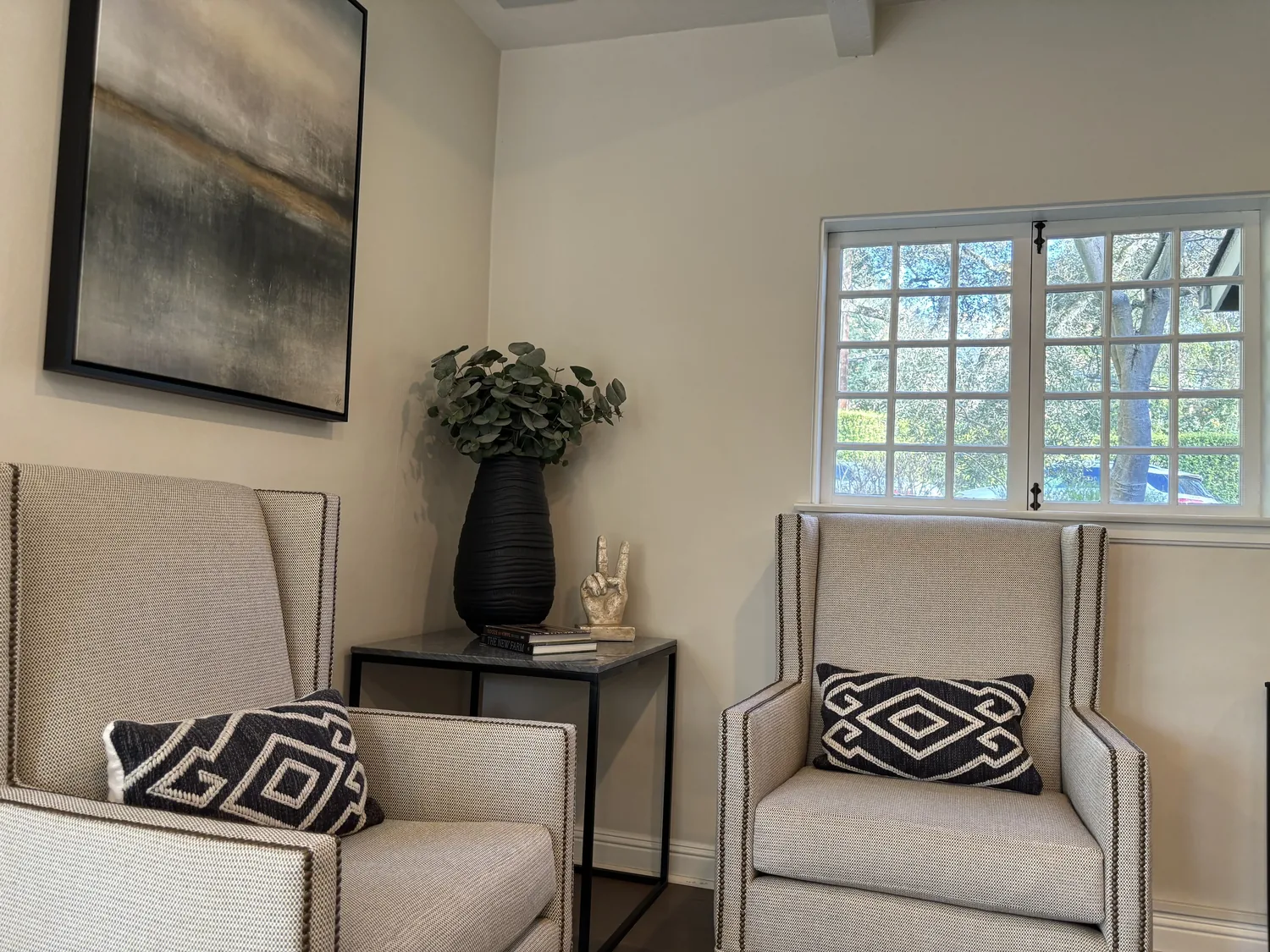
One of the first major moves in blending vintage and contemporary styles is to establish a unifying element that ties the space together. Try soft beige walls. Muted pastels can work too. They back eclectic elements well. It anchors the look, letting styles blend smoothly.
Check your furniture's size and fit. Modern sofa plus vintage table? Balance their sizes. The American Society of Interior Designers emphasizes maintaining balanced proportions to prevent one style from overpowering another. Pull styles together with metals and woods. Each piece stands out but fits harmoniously.
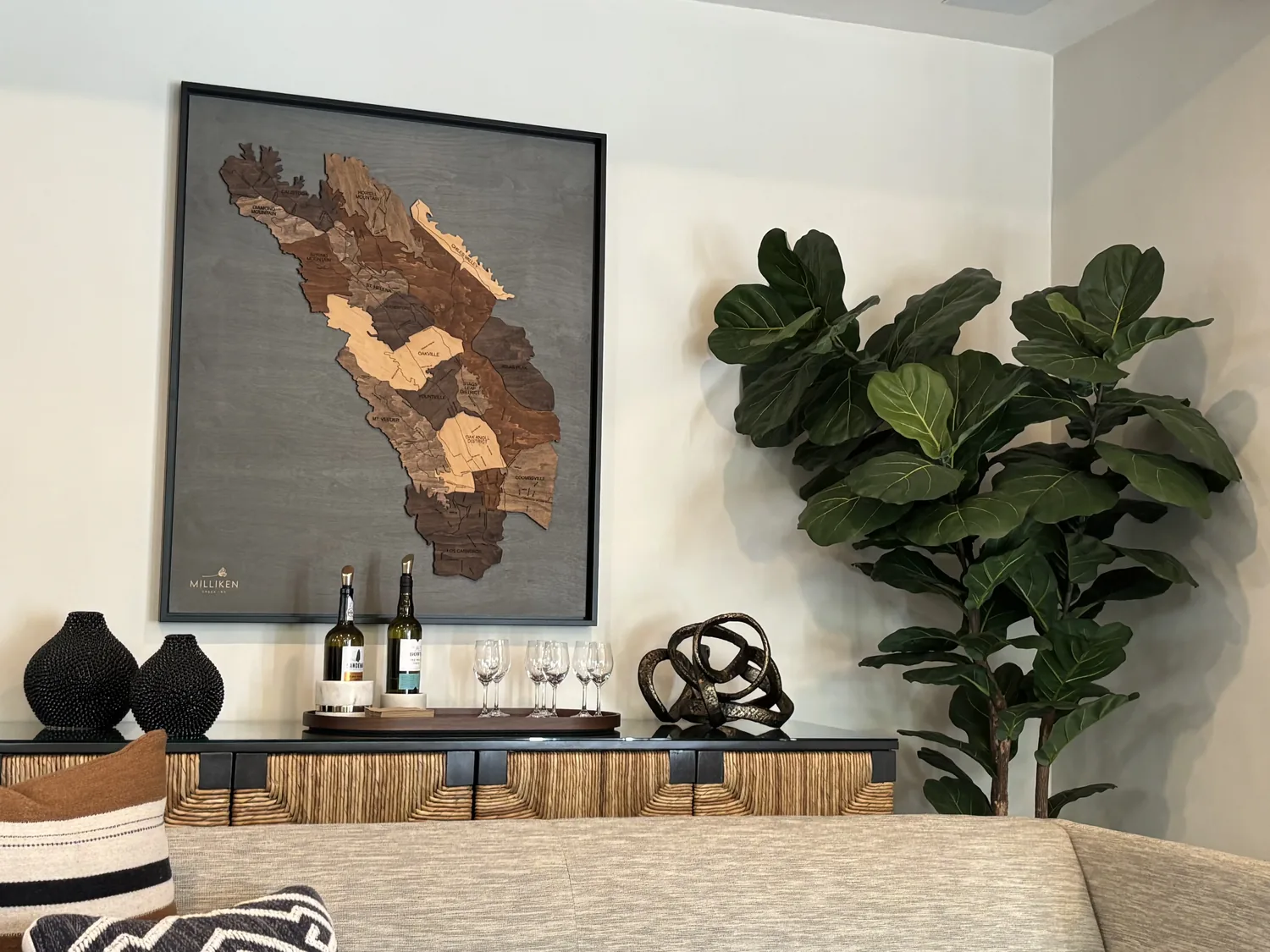
Material Specificity for a Cohesive Look
Authenticity-grade materials
- White oak (rift-sawn), for floors and slat detail; calmer grain than plain-sawn
- Brushed brass, soft, warm metallic finish that pairs well with both vintage and modern styles
- Linen fabric, natural, textured, versatile for upholstery and drapery
- Reclaimed wood, authentic vintage material that adds character and warmth
- Matte black metal, modern contrast element that grounds vintage pieces
- Porcelain tile, durable, clean look for floors or backsplashes that complements eclectic decor
- Vintage glass, for lighting fixtures or accents, adding sparkle and history
- Natural stone, such as travertine or limestone, for durability and timeless appeal
Generic-grade tells we refuse to spec
- Veneer finishes, often fake or low-quality
- Glossy plastics, look cheap and dated
- Bright synthetic fabrics, overly shiny or synthetic textures
- Mass-produced laminates, lack authenticity
- Bright chromes, can clash with vintage warmth
- Overly uniform materials, lack visual interest
- Low-grade MDF, weak and prone to damage
- Fake stone or faux finishes, lack real texture and depth
Should You Remodel or Rebuild in Sacramento?
Sacramento remodels: age and goals count. The first question we ask is: What decision are you struggling to make about this space? People love vintage details but fear old layouts. Rebuilding disrupts more in older Sacramento neighborhoods.
Owners of a Craftsman home thought they needed a full rebuild. Contractor suggested starting anew due to structural limits. With my laser level, photos showed we could preserve the foundation. Interior tweaks and updates saved us over half the rebuild cost. Good ROI and keeping character? Smart remodel beats rebuild in Sacramento. Always consult local permit authorities at Sacramento’s permit page before making final decisions.
What This Costs in 2026
| Scope | Typical range |
|---|---|
| Refresh scope including new upholstery, minor furniture updates | $15K-$35K |
| Mid-tier renovation with new furnishings, paint, lighting | $40K-$100K |
| Estate-scale overhaul including custom millwork and extensive updates | $150K-$400K |
Working Notes
What We Have Learned Doing This: The Art of Mixing Old and New Creating Eclectic Interiors
“Every budget has a hidden line item: the things nobody measured.”
Most of the money that gets wasted is spent solving the wrong problem confidently. A homeowner asks for more space, every contractor agrees and prices an addition, and the real issue turns out to be light, or proportion, or one bad sightline. We make the room tell us the problem before anyone signs a demolition contract.
Boring chats matter. When we talk about a wall being structural, numbers changing, or if things run late, that's where trust builds. Clients forgive reality. They do not forgive being surprised by it.
The cheapest tool on any project is a sample board and an afternoon. We have watched five-figure mistakes get caught by a fifteen-dollar paint sample lived with for a week in the actual light of the actual room. Decisions made under showroom lighting do not survive contact with a real house.
These notes come from our own project debriefs. Most were learned the expensive way the first time.
Sources & Professional References
This guide's positions on materials are grounded in published building-code, standards, and recognized design-authority sources, alongside Designed | Curated Interiors' verified credentials and active project files:
- American Society of Interior Designers (ASID): interior-design practice standards
- International Code Council (ICC): Chapter 8 Interior Finish Decorative Materials And Furnishings
- NKBA, Amy Kunst Member Profile (verified credential, NKBA Committee Member)
- Featured in: Homes & Gardens (design expert quote, May 2026) · Sacramento Love (guest author, 2024)
From Principle to a Real Room
A trend piece is the briefing document, not the deliverable. The pages below show how we translate these principles into finished rooms across Sacramento and the rest of Northern California.
- Sacramento & Bay Area Interior Design Services How we scope, source, and deliver work end to end.
- Interior Designer Hub, Sacramento Where most of our Sacramento work lives, the regional fit explained.
- Modern Tudor Homes: Authentic, Revival, and Neo-Tudor (A Designer Reference) Heritage-architecture renovation patterns from our project files.
- Japandi Living Room: A Designer's Guide to the 2026 Look The 2026 warm-neutral playbook applied to the living room.