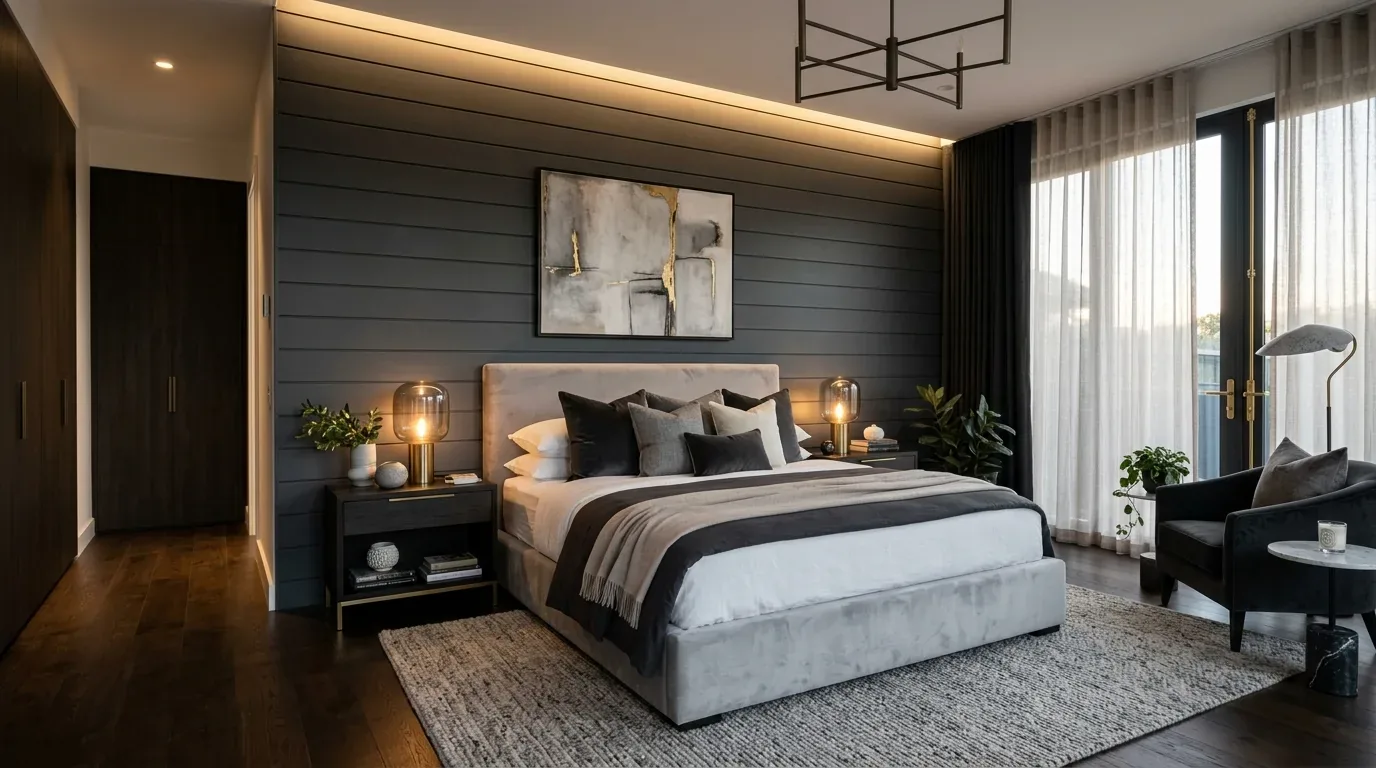
Textured wall art? A versatile choice. More Sacramento and Marin homeowners want cozy, curated spaces. We demystify your wall art options. Sacramento homes benefit from local flair, let's make art fit your style.
Direct Answers (Textured Wall Art)
| What is textured wall art? | Layered ceramics or carved wood? They make textured art pop. |
| How can I incorporate textured wall art into my Sacramento home? | Think about local styles. Reclaimed wood or handmade ceramics pair well with Sacramento's historic and modern homes. |
| What should I know about lighting when displaying textured wall art? | Accent lighting should hit at 30 degrees. A color temp of 3000K brings out shadows and details. |
| Are there specific materials recommended for textured wall art in Sacramento? | Ceramics from Bordallo? Sculptural wood from Gray Area Studio? Both offer durability and style. |
Elevating Spaces with Sculptural and Textured Wall Art
Textured wall art is a Sacramento trend. Make it the focus. Go for depth over clutter. Bold, balanced sculptural art is best. Try layered clay, carved wood, or a detailed metal sculpture. Make a tactile focal point. Art that feels handmade fits well in warm, welcoming Sacramento homes. Choose art for size and spot. Large room with 12-foot ceilings? A big 3D piece can dominate. For smaller rooms, use small layered panels instead. We often recommend brands like Bordallo for artisanal ceramics or Gray Area Studio for sculptural wood works, which offer high-quality craftsmanship that withstands Sacramento’s indoor-outdoor climate. Accent lighting? It makes texture pop, enhancing every shadow and detail. Match your art to your home's vibe. Whether Craftsman or modern farmhouse, it should fit right in.
Material Specificity for Authentic and Lasting Impact
Authenticity-grade materials
- Rift-sawn White Oak, for warm, calm grain that ages beautifully
- Clay and Ceramic, for tactile, sculptural surfaces with earthy appeal
- Hand-forged Metal, for durable, intricate textures with industrial charm
- Natural Fiber Weaves, for soft, layered visual depth
- Resin with Embedded Elements, for modern, mixed-media effects
- Reclaimed Wood, for sustainability and character
- Textured Wall Coverings (e.g., grasscloth, linen), for subtle tactility
- Hand-carved Stone, for permanence and natural variation
Generic-grade tells we refuse to spec
- Synthetic plastic composites, often look cheap and lack authenticity
- Mass-produced canvas prints, flat and devoid of tactile depth
- Overly glossy finishes, reduce perceived texture
- Cheap vinyl wall decals, lack dimensionality
- Low-grade MDF or plywood, prone to warping and damage
- Artificial faux materials, do not age well and often look synthetic
Designer Decision Matrix: Which Textured Wall Art Approach Fits Your Home
How we actually decide: match your situation to what we would specify, and the reasoning behind it.
| Your Goal | Best Solution | Why We Recommend It |
|---|---|---|
| Aiming for a bold statement in a large open space | Oversized carved wood or metal sculpture | The scale and tactile quality command attention and complement high ceilings common in Sacramento's older homes, adding warmth and personality. |
| Adding subtle texture without overpowering | Monochrome textured linen panels | Soft, neutral tones work well in smaller rooms or spaces with a lot of natural light, creating depth without visual clutter. |
| Creating a focal feature in a contemporary home | Mixed media collage with embedded elements | Combining various textures and materials reflects the region’s modern aesthetic while adding tactile interest. |
| Maintaining budget and ease of installation | Pre-made textured wallcoverings like grasscloth | These are quick to install, durable, and suitable for rental or less permanent applications, aligning with regional housing stock. |
How Do I Choose the Right Textured Wall Art for My Space?
People ask about wall art fit. Understand scale and material. Visual weight counts. For large living rooms with high ceilings, think bold: carved wood or layered ceramics for that focal point. In tight spaces, keep textures low-key. Woven fibers? Monochrome panels? Adds depth. Placement is key. Above sofa? Center it. Cramped? Lean against the wall. The American Society of Interior Designers emphasizes harmony and proportion, so consider how the texture complements your furniture, architecture, and lighting. Go for materials that age well. That’s the secret. Look for local artisans. It adds genuine charm and keeps its value.What Size and Placement Work Best for Textured Wall Art?
The big question? Sizing. Statement pieces work best at two-thirds the furniture's width. Over a 48-inch sofa? A piece around 36 to 40 inches works. With 9-foot ceilings, go for tall art. Layered pieces also add drama. Historic homes might need custom frames for smooth hanging.
Consider sight lines and focal points. Mount art around 58-62 inches high. Usually works well. Sacramento's bright days mean placing art right, avoid glare, but let shadows play. Talk to a Sacramento designer for tips on using local architecture. Helps the art last longer.
Are DIY Options for Creating Textured Wall Art Viable?
Want to make your mark without breaking the bank? DIY textured wall art resonates with many locals. Use wall compound for reliefs, fabric layers, or textured paint. You’ll get those striking results. Try a DIY mud plaster. Use wall compound and a palette knife. Costs about $50 for everything.
However, regional considerations matter. In Sacramento, seal materials well against moisture. DIY crafts might suffer in our humid months. The American Society of Interior Designers advises that DIY projects should complement existing textures and architecture, not compete with them. Not sure? Local artisans add that touch. They ensure durability while refining ideas.
What Are the Latest Trends in Textured Wall Art for 2023?
2023 is all about sustainable materials. That handmade feel's all over the place. Natural fibers and ceramics? Modern, yet classic. Monochrome, large, with subtle texture. Works great for airy Sacramento homes where light shifts.
Mix in LED lights or other elements for an ever-changing art piece. Use bold but not overpowering visuals. Perfect for cozy spaces here. Custom pieces from local galleries bring in regional flair, fitting well with current styles.
How Do I Maintain and Clean Textured Wall Art?
Material affects how you take care of textured wall art. For ceramics or stones, just dust them with a soft cloth sometimes. Dust wood pieces gently, polish occasionally. Vacuum fabric art gently with a brush attachment. No damage that way.
Humidity swings in Sacramento? Unsealed natural stuff? It breaks down. The American Society of Interior Designers recommends checking manufacturer care instructions, as some textured finishes may be sensitive to cleaning agents. Dust off art gently for lasting appeal and cozy allure.
Observed Failure Modes, How Textured Wall Art Goes Wrong
From our project debriefs and post-occupancy reviews, 2023-2026.
Choosing the Wrong Material for the Space
Selecting a textured material that does not suit the room’s climate or style can lead to premature damage or visual discord. Wet basements twist reclaimed wood. Line up your materials with the space. Go for sealed ceramics in damp areas. Use metals in busy zones. Material mismatch just wastes money. No texture without the right technique.
Overloading a Small Wall With Large Art
In smaller rooms, choosing oversized textured art can overwhelm the space and make it feel cluttered. Check the room size right away. Large pieces need to fit with the room's proportions. Focus on visual balance. An oversized piece could swamp a 72-inch sofa. Think smaller art or slim panels. No clutter, just a polished look. Getting the size wrong? That just makes it cluttered and takes away the peaceful feel.
Ignoring Structural and Wall Surface Conditions
In older Sacramento homes, uneven wall surfaces can cause textured art to hang crooked or crack over time. Use a level and straightedge on walls, especially plaster ones. Fix uneven walls first. Maybe add a backing panel or smooth it out. Skip this step, and you'll face warping or quick damage, leading to costly fixes. Assessing and prepping the wall up front saves your money and keeps the look intact.
Neglecting Proper Lighting for Tactile Effects
Texture is best appreciated when lighting creates shadows and highlights. Watch out for overhead lights. They can make textured art look flat. Sacramento's changing daylight needs flexible lighting. Accent lights or sconces help. Don't go for harsh glare or too diffuse lights. Good lighting brings out texture. Your art isn't just decor, it's a highlight. Miss the lighting plan? The art seems plain and not worth it.
What's Going Out for 2026
- Mass-produced, flat prints
- Overly shiny or plastic-looking textures
- Overly ornate, cluttered designs
- Cheap synthetic materials
- Large, overpowering pieces in small rooms
- Ignoring wall condition before hanging
- Neglecting lighting considerations
- DIY projects that are too heavy or poorly sealed
What Textured Wall Art Costs in 2026
| Scope | Typical range |
|---|---|
| Refresh scope, small, simple textured art or wallcoverings | $300-$1,200 |
| Mid-tier scope, custom sculptural panels, artisanal ceramics | $1,500-$5,000 |
| Estate-scale, large, integrated textured installations, reclaimed wood features | $5,000-$25,000 |
Working Notes
What We Have Learned Doing This: textured wall art
“A finish you cannot maintain is a finish you cannot afford.”
Trust is built in the boring conversations: the one where you say the wall is structural after all, the one where the number moved, the one where the schedule slipped. Clients forgive reality. They hate unexpected surprises.
Think long-term. Ditch trends that don't hold up. Go for what lasts. Quality art might be understated, it reveals itself slowly.
Renovating isn’t just about the jobs. It's a chain reaction of dependencies. A two-day cabinet delay quietly becomes a two-week slip by week sixteen because every trade downstream is holding a calendar. The least glamorous part of this work, and the most valuable, is keeping that chain from cascading.
These notes come from our own textured wall art project debriefs. Most were learned the expensive way the first time.
Sources & Professional References
This guide's positions on materials are grounded in published building-code, standards, and recognized design-authority sources, alongside Designed | Curated Interiors' verified credentials and active project files:
- American Society of Interior Designers (ASID): interior-design practice standards
- International Code Council (ICC): Chapter 8 Interior Finish Decorative Materials And Furnishings
- NKBA, Amy Kunst Member Profile (verified credential, NKBA Committee Member)
- Featured in: Good Housekeeping (storage and space-planning expert quotes, July 2026) · Homes & Gardens (design expert quote, May 2026) · Sacramento Love (guest author, 2024)
Frequently Asked
What is textured wall art?
How can I incorporate textured wall art into my Sacramento home?
What should I know about lighting when displaying textured wall art?
Are there specific materials recommended for textured wall art in Sacramento?
What are common considerations when hanging textured wall art in older Sacramento homes?
From Textured Wall Art to a Real Room
A trend piece is the briefing document, not the deliverable. The pages below show how we translate these principles into finished rooms across Sacramento and the rest of Northern California.
- Sacramento & Bay Area Interior Design Services How we scope, source, and deliver work end to end.
- Interior Designer Hub, Sacramento Where most of our Sacramento work lives, the regional fit explained.
- Modern Tudor Homes Heritage-architecture renovation patterns from our project files.
- Japandi Living Room Design The 2026 warm-neutral playbook applied to the living room.