Sacramento + Marin Interior Designer · Amy Kunst, NKBA 📞 916-756-5977 Get Free Quote

Should Curtains Touch the Floor: A Designer's Guide to the 2026 Look

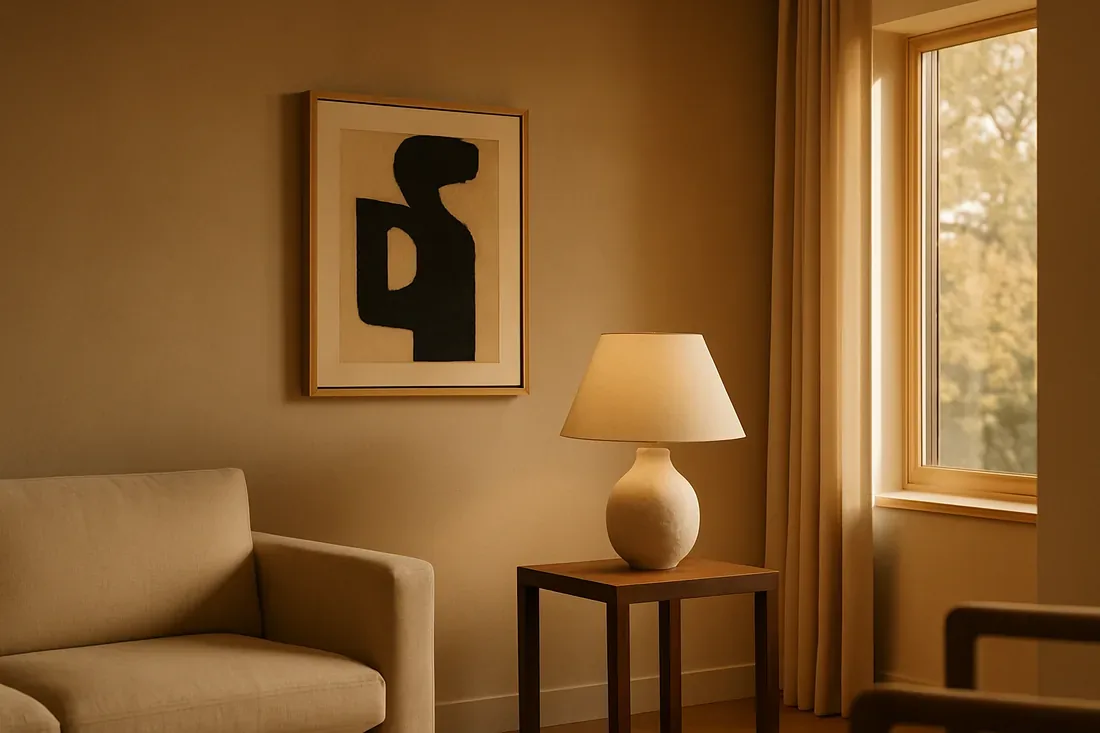
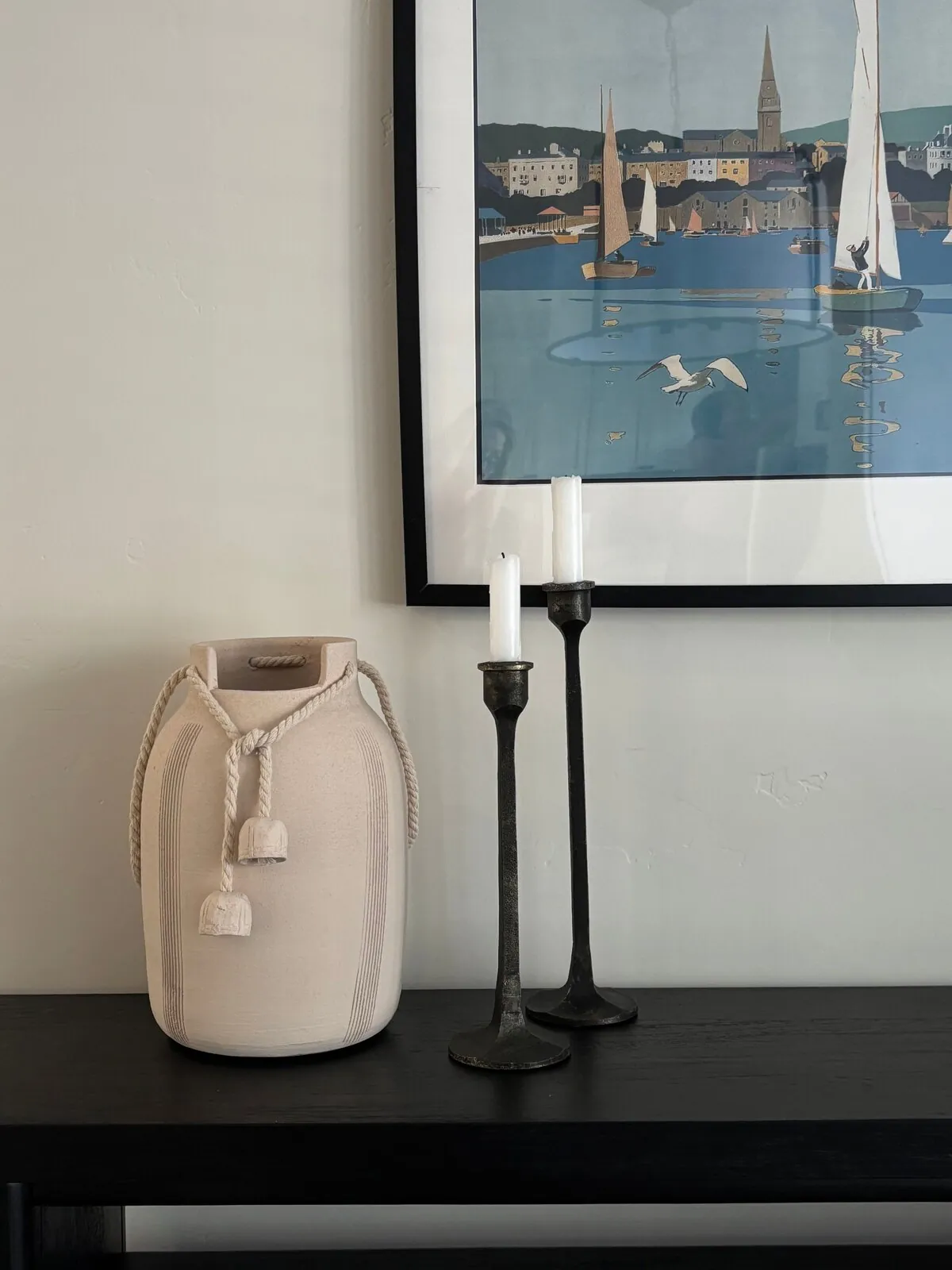
A minimalist living room with a beige armchair, a sculptural vase on a wooden pedestal, a framed
Trend should curtains touch the floor 2026 alt.

In 2026, the trend is moving away from traditional floor-touching curtains in favor of more tailored lengths that balance aesthetics and practicality. Many interior designers now recommend curtains that just graze the floor or hover slightly above it rather than pooling heavily. Whether curtains should touch the floor in 2026 depends on your style, room function, and maintenance preferences.

Built from our active project files, this guide explores current curtain length trends, designer recommendations, practical considerations, and regional insights specific to Sacramento and the Bay Area. We’ll clarify when to opt for floor-length curtains and when to avoid them, highlighting new materials, design philosophies, and regional architectural influences to help you make an informed choice aligned with 2026’s best practices.
Direct Answers (Should Curtains Touch The Floor 2026)

Should curtains touch the floor in 2026?In 2026, the trend favors curtains that hover just above the floor or softly touch without pooling.
Why are tailored curtain lengths preferred in 2026?Tailored lengths create a clean, streamlined look that aligns with modern minimalist aesthetics and reduces maintenance.
What is the recommended curtain length for a sleek appearance in Sacramento?A slight hover of half an inch to one inch above the floor is recommended for a balanced, modern look.
How can I measure for the right curtain length in an older Sacramento home?Use a laser level and consider uneven floors or varied ceiling heights to ensure a precise, tailored length.

The First Major Trend: Precision and Clean Lines

Across our active project specifications in Sacramento, the move toward precisely tailored curtain lengths is evident. Modern homes favor curtains that subtly hover just above the floor or softly touch without pooling. This approach emphasizes clean lines and a streamlined aesthetic that aligns with the minimalist, warm-restraint philosophy gaining popularity in 2026.

Many designers are now choosing fabrics with matte finishes and lightweight textures like linen blends or soft velvets that fall effortlessly into place. For example, brands like Kravet and Schumacher now offer curated collections of tailored drapes designed to sit perfectly at the desired length. This not only enhances the room’s visual clarity but also reduces the need for frequent cleaning or adjustment, making maintenance easier for homeowners.

In our projects, we see a shift away from the traditional puddling that was once standard in formal settings. Instead, the focus is on creating a sense of balance, curtains that complement the window size and room scale without overwhelming the space or sacrificing practicality. This approach aligns with a broader regional trend that appreciates subtlety and understated elegance, especially in Sacramento’s varied architectural landscape.

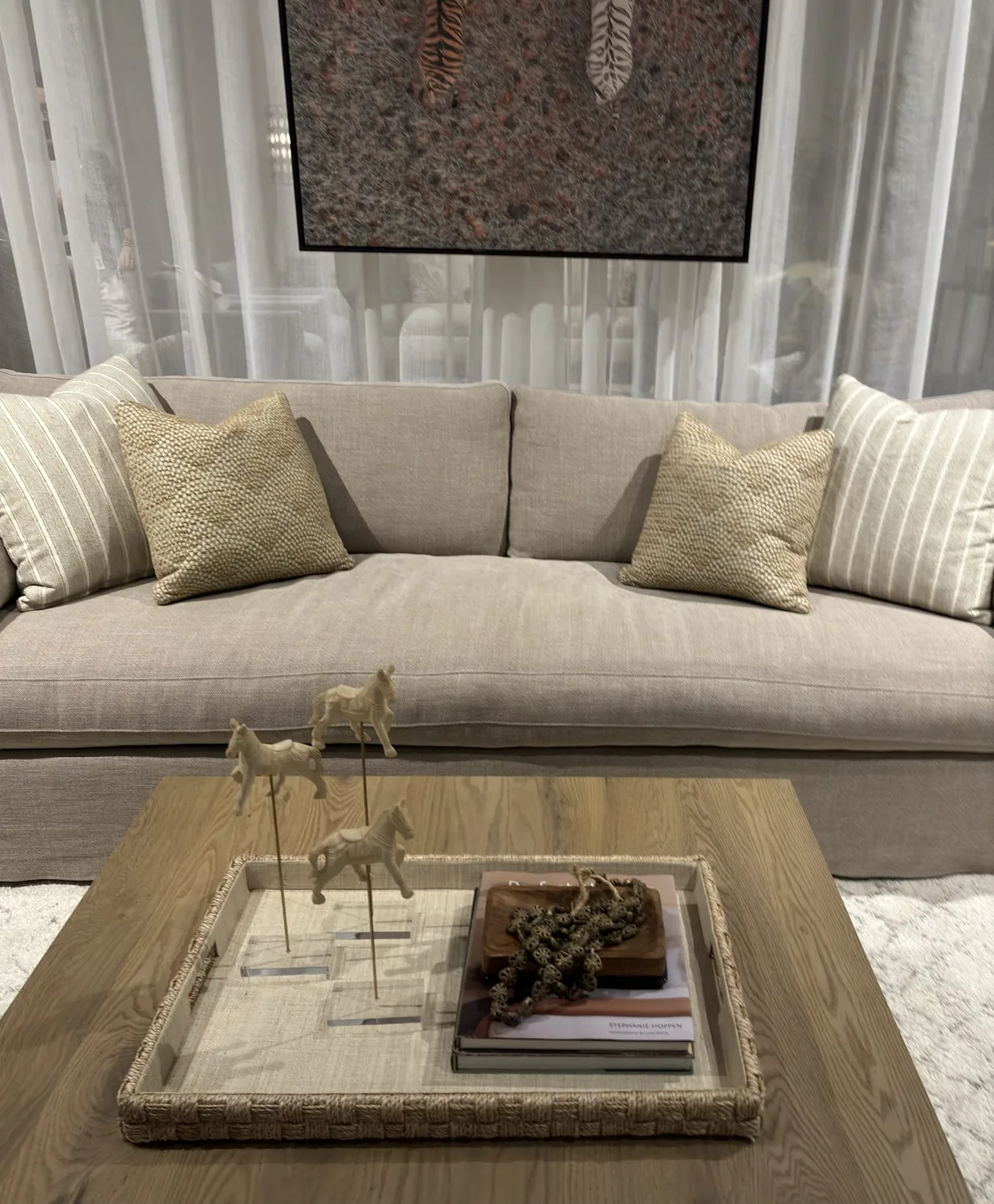
A beige sofa with textured and striped pillows in a living room setting, with a wooden coffee table holding a woven
A beige sofa with textured and striped pillows in front of sheer curtains, a wooden coffee table with a woven tray holding books and decorative items.

Authenticity-grade materials

  • Linen blends, for a natural, matte finish that drapes well and ages beautifully
  • Soft velvet (napped, matte finish), adds subtle texture without excessive sheen
  • Polyester with matte coating, durable, easy-care option that mimics natural fibers
  • Silk blends, for formal spaces, offering refined elegance with easy maintenance
  • Lightweight wool blends, for insulating curtains that retain a tailored look
  • Blackout fabrics (polyester-based), for media rooms or bedrooms, with minimal weight
  • Greige or muted earth-tone shades, for understated, versatile color palettes
  • Rod-pocket or concealed track systems, for sleek and precise hanging

Generic-grade tells we refuse to spec

  • Bargain polyester, often stiff and shiny, not draping well
  • Heavy brocade or jacquard, can look dated and be difficult to clean
  • Glossy synthetic fabrics, tend to reflect light and look cheap
  • Unlined synthetic blends, less durable and prone to wrinkling
  • Velvet with high pile (shiny finish), can look overly formal and require special care
  • Opaque, stiff fabrics, limit light and movement
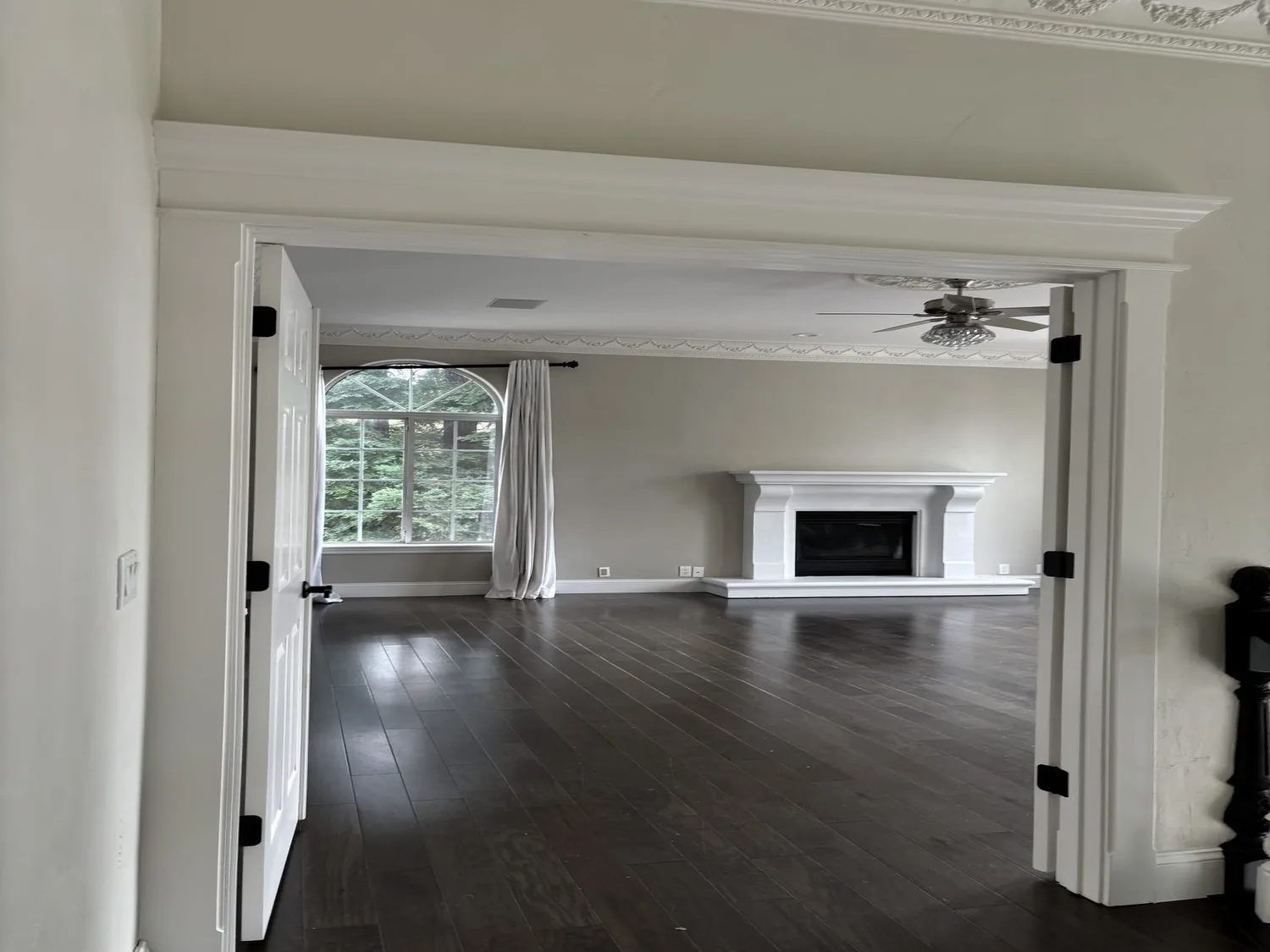
Empty living room with dark hardwood floors, a white fireplace, large arched window with curtains, and ceiling fan
A spacious living room with dark hardwood floors, a white fireplace, a large arched window with curtains, and a ceiling fan with a light fixture.

Should Curtains Touch the Floor or Hover Slightly in 2026?

The core decision homeowners face in 2026 is whether to opt for curtains that pool on the floor or those that hover just above it. The first question we ask is what the room’s function and style demand. For formal living rooms or traditional spaces, pooling curtains can add a sense of grandeur but require more upkeep. Conversely, modern homes and casual spaces benefit from curtains that just touch or hover slightly above the floor, creating a clean, clutter-free look that’s easier to maintain.

In practice, the trend favors a slight break of around half an inch to one inch above the floor. This length strikes a balance between elegance and practicality, especially considering Sacramento’s older homes with uneven floors or varying ceiling heights. To determine the best length, measure carefully using a laser level and consider the fabric’s drape. Remember, a well-measured curtain enhances the room’s proportions and simplifies cleaning. If you prefer a minimalist aesthetic that adapts well to changing styles, hovering curtains are the preferred choice for 2026.

What Are the Practical Benefits of Floor-Length Curtains in 2026?

While the aesthetic appeal of floor-length curtains remains strong, practicality is increasingly influencing choices in 2026. Curtains that touch the floor or hover slightly above are easier to clean and less likely to gather dust or pet hair, which is especially relevant for homes in Sacramento with variable humidity and dust levels. Additionally, precise lengths reduce wear and tear on the fabric, extending its lifespan.

For rooms with high traffic or where ease of maintenance is key, tailored lengths provide a tidy appearance without sacrificing style. The use of lightweight, matte-finish fabrics like linen blends or polyester with a matte coating simplifies hanging and reduces the need for frequent adjustments. The American Society of Interior Designers emphasizes that functional design should not compromise on aesthetic quality, and in 2026, this means choosing curtain lengths that serve both style and daily life seamlessly.

How Do Curtain Lengths Affect Room Aesthetics in 2026?

In 2026, the visual impact of curtain length plays a major role in defining a room’s character. Floor-touching curtains create a sense of formality and grandeur, ideal for traditional or luxury spaces. However, in modern or minimalist interiors, hovering curtains or those that just skim the floor tend to produce a more understated, sleek appearance.

Choosing the right length involves considering the window size, ceiling height, and overall room scale. For example, in Sacramento’s historic homes, where ceilings are often lower or irregular, tailored curtain lengths help maintain proportional harmony. When designed thoughtfully, the length of curtains becomes a subtle yet powerful element that enhances the room’s balance and style, aligning with current trends that favor simplicity and clean lines.

Are There Specific Rooms or Window Styles Where Curtains Should or Should Not Touch the Floor?

Yes, the choice of curtain length should be tailored to the room’s function and window style. For bedrooms and media rooms, where privacy and light control are priorities, curtains that just touch or hover slightly above the floor are ideal, as they prevent dust accumulation and are easier to operate. In formal dining or living rooms, pooling curtains can add luxury but require more frequent cleaning, which might be impractical for busy households.

For windows with deep sills or architectural features like bay or arched windows, tailored lengths that complement the design are essential. In Sacramento’s older homes, where window sizes and sill depths vary, custom measurements ensure the curtains enhance the space without looking awkward or unbalanced. Always consider the room’s daily use, aesthetic goals, and maintenance needs when selecting curtain lengths.

What Are the Pros and Cons of Having Curtains Touch the Floor in 2026?

Having curtains that touch the floor or pool slightly offers a classic, elegant look that can elevate a room’s design. It creates a sense of softness and continuity, especially in formal or traditional interiors. However, this style comes with maintenance challenges, including dust accumulation and fabric wear, which can be problematic in regions like Sacramento with seasonal dust and pollen.

On the other hand, curtains that hover slightly above the floor are easier to clean and less likely to get caught or frayed. They also allow for more flexibility in changing decor styles without the need for re-measuring or altering the fabric. Ultimately, the decision depends on your lifestyle, aesthetic preference, and willingness to maintain the fabric. In 2026, the trend leans toward practical elegance, favoring tailored, precise curtain lengths over pooling fabrics.

Are Any New Materials or Designs in 2026 That Influence the Decision to Touch the Floor?

In 2026, new materials like matte-finish polyester, linen blends, and subtle velvets are popular for their drape, durability, and ease of maintenance. These fabrics are designed to fall softly and uniformly, making it easier to create tailored lengths that hover or just touch the floor. Innovative designs also include concealed track systems and rod-pocket styles that keep the fabric neatly in place, emphasizing a sleek, modern aesthetic.

Furthermore, smart fabrics that resist dust and stains are emerging, reducing the practical concerns associated with floor pooling fabrics. The increased availability of custom, lightweight, and matte-finish textiles makes it simpler for homeowners to achieve the desired look without sacrificing ease of care. This shift toward functional yet refined materials underscores the regional trend for subtle, tailored window treatments that blend style with everyday practicality.

Observed Failure Modes, How Should Curtains Touch The Floor 2026 Goes Wrong

From our project debriefs and post-occupancy reviews, 2023-2026.

Overly Long Curtains Leading to Excessive Pooling

Many homeowners or designers assume that longer, pooling curtains automatically look more luxurious. This often results in fabrics that gather on the floor, creating a cluttered appearance and making cleaning difficult. In Sacramento, where dust and pollen are common, this style can lead to quicker fabric deterioration and increased maintenance costs. The mistake is in not measuring precisely or misunderstanding how fabric drapes. The solution is to measure carefully with a laser and opt for tailored lengths that hover just above the floor, which maintains elegance without the upkeep. Proper planning avoids costly rework and helps ensure the curtains enhance rather than hinder the space.

Ignoring Floor Level Variations in Older Homes

In older Sacramento homes, uneven floors and varying ceiling heights are common. Assuming all floors are level and designing curtains to touch the floor everywhere can result in uneven or awkward looks. The mistake is to use a single measurement without accounting for floor irregularities. Using tools like a straightedge and laser level during installation reveals these discrepancies. Adjustments such as custom hems or slightly shorter lengths in certain areas prevent the curtains from dragging or looking uneven. This tailored approach preserves the room’s proportion and saves on future repairs or adjustments.

Choosing Fabrics Without Considering Maintenance Needs

Many homeowners select heavy or shiny fabrics based solely on appearance, overlooking maintenance. Fabrics like high-pile velvet or brocade tend to trap dust and are difficult to clean, especially in dusty regions like Sacramento. The mistake is assuming that aesthetics outweigh practicality. Opting for matte-finish, lightweight textiles such as linen blends or polyester with stain-resistant coatings ensures the curtains look good and are easy to care for. Proper material selection reduces long-term costs and keeps the space looking fresh.

Not Considering Window and Room Scale

Designing curtains without considering the overall room scale or window size can lead to imbalance. A small window with floor-length curtains might feel overwhelming, while large windows with curtains that don’t reach the floor can look underwhelming. The mistake is to rely on generic measurements rather than custom sizing. Accurate measurements and understanding the window’s proportion relative to the room help create a balanced, harmonious look that enhances the architectural style.

What's Going Out for 2026

  • Heavy puddling or pooling fabrics
  • Ignoring uneven floor heights in older homes
  • Choosing shiny, stiff fabrics that don’t drape
  • Overly long curtains that are hard to clean
  • Matching curtain length exactly to the floor without considering room context
  • Using only traditional, formal styles for all spaces
  • Neglecting regional dust and maintenance needs
  • Ignoring window size and architectural style when sizing curtains

What Should Curtains Touch The Floor 2026 Costs in 2026

ScopeTypical range
Basic tailored curtain length, ready-made fabrics$800-$1,500
Mid-tier custom fabrics, professional installation$1,500-$4,500
High-end designer fabrics, motorized tracks, full custom work$4,500-$12,000

Working Notes

What We Have Learned Doing This: Should Curtains Touch the Floor: A Designer's Guide to the 2026 Look

“A decision made late costs three times the same decision made early.”

Specify for the next ten years, not the next photo shoot. The work that holds its value is quiet, well made, and a little bit boring on the day it is installed.

Old houses lie, and so do new ones. Even a ten-year-old house lies the moment you assume the framing sits where the plans say. We stopped trusting old drawings, prior contractor work, and the phrase it should be fine a long time ago. The budget needs a real line for what demolition will uncover, usually 15 to 20 percent once walls start opening.

The cheapest tool on any project is a sample board and an afternoon. We have watched five-figure mistakes get caught by a fifteen-dollar paint sample lived with for a week in the actual light of the actual room. Decisions made under showroom lighting do not survive contact with a real house.

These notes come from our own should curtains touch the floor: a designer's guide to the 2026 look project debriefs. Most were learned the expensive way the first time.

Sources & Professional References

This guide's positions on bathroom are grounded in published building-code, standards, and recognized design-authority sources, alongside Designed | Curated Interiors' verified credentials and active project files:

Frequently Asked

Should curtains touch the floor in 2026?
In 2026, the trend favors curtains that hover just above the floor or softly touch without pooling.
Why are tailored curtain lengths preferred in 2026?
Tailored lengths create a clean, streamlined look that aligns with modern minimalist aesthetics and reduces maintenance.
What is the recommended curtain length for a sleek appearance in Sacramento?
A slight hover of half an inch to one inch above the floor is recommended for a balanced, modern look.
How can I measure for the right curtain length in an older Sacramento home?
Use a tape measure and consider uneven floors or varied ceiling heights to ensure a precise, tailored length.
Are there regional design influences that affect curtain length choices in Sacramento?
Yes, Sacramento’s architectural styles and natural light quality favor subtle, understated window treatments that complement the regional aesthetic.

From Should Curtains Touch The Floor 2026 to a Real Room

A trend piece is the briefing document, not the deliverable. The pages below show how we translate these principles into finished rooms across Sacramento and the rest of Northern California.

Start a Project Conversation →

Call (916) 756-5977Book a Consultation