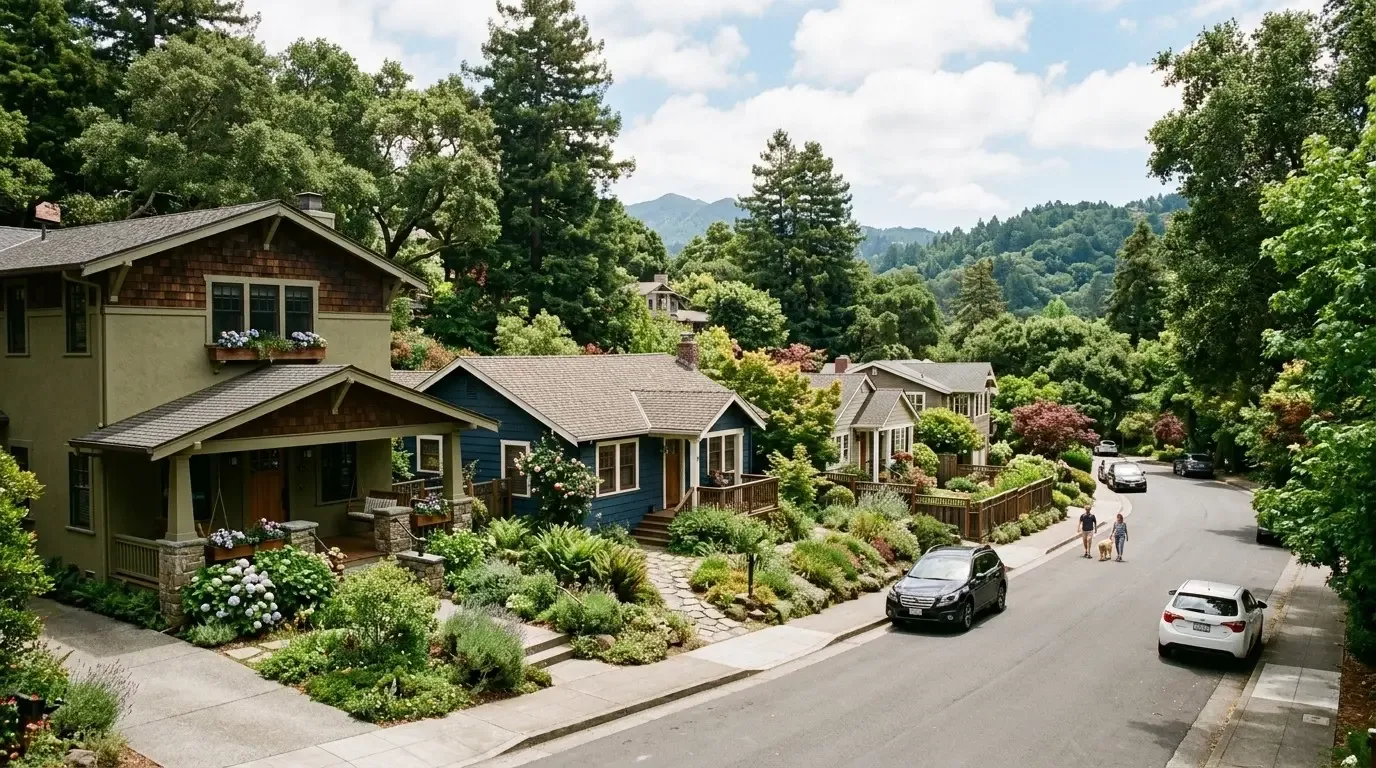
In 2026, San Anselmo's WUI building code explicitly permits certain fire-resistant materials for both exterior and interior applications, ensuring safety without sacrificing design flexibility. Understanding which materials are approved and how they impact your interior choices is crucial for compliant, safe, and stylish projects in the area.
Built from our active project files, this guide will clarify the current fire-resistant material requirements, highlight recent updates, and provide practical insights on material selection for residential and commercial interiors within the San Anselmo WUI zone. We’ll also explore how these guidelines influence interior finishes, certification needs, and aesthetic considerations, giving you a clear path forward for your 2026 project with confidence and compliance.
Common Questions
| What are the fire-resistant building code requirements for San Anselmo in 2026? | The 2026 San Anselmo WUI building code permits certain fire-resistant materials for exterior and interior applications, emphasizing safety and compliance. |
| How can I ensure my interior materials meet San Anselmo's 2026 fire safety standards? | Verify that interior materials are certified and pass fire safety tests, such as using mineral wool insulation or fire-retardant drywall, and consult local permits before installation. |
| Are there specific fire-resistant materials recommended for interior finishes in San Anselmo? | Yes, approved materials include mineral-based products like mineral wool insulation, non-combustible drywall, steel framing, and fire-resistant boards from trusted brands. |
| When should I consider remodeling versus rebuilding for fire resistance in San Anselmo? | If existing finishes are untreated wood or standard drywall, upgrading to fire-rated versions may suffice; rebuilding is considered if the structure cannot meet safety standards. |
Prioritizing Fire-Resistant Interior Materials in WUI Zones
In our ongoing projects across San Anselmo, ensuring fire-resistant interior finishes has become a top priority due to the evolving WUI building code. The first major move is to focus on the selection of approved materials that meet the 2026 standards. For instance, across our active project specifications, we now favor mineral-based products like mineral wool insulation and non-combustible drywall, which are explicitly permitted for interior use in the WUI zone. These materials not only pass fire safety tests but also contribute to a clean, modern aesthetic.
One key consideration is how these materials integrate with the overall design. For example, we’re increasingly specifying steel framing and fire-resistant boards from trusted brands like CertainTeed or Promat, which provide durable, aesthetically versatile options. The challenge is balancing safety with style, especially when interior finishes traditionally relied on wood or fabric elements. The 2026 code emphasizes non-combustible or fire-retardant treatments, meaning materials like treated wood or specialized paints are now essential for interior accents. This shift is subtly changing how interior designers approach material palettes, making safety a visible part of aesthetic decisions.
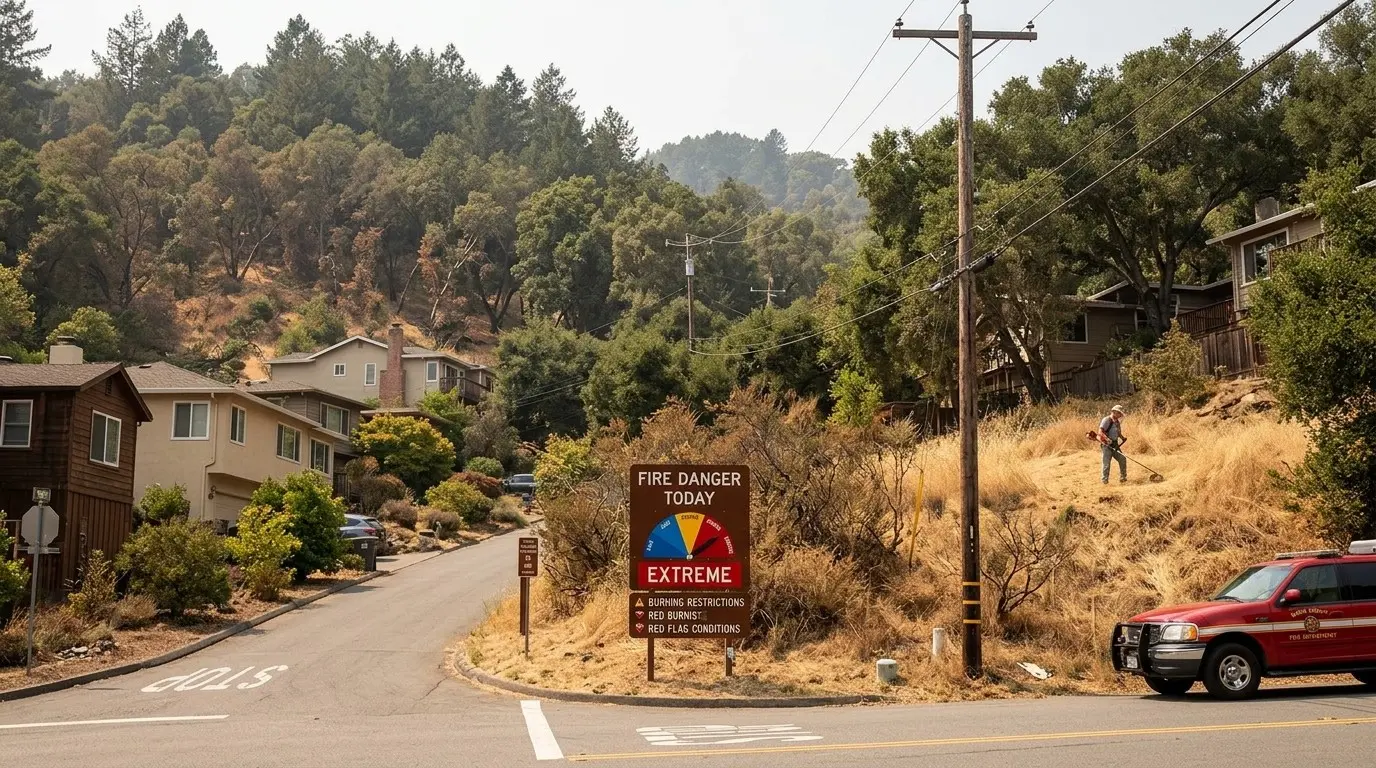
Specific Fire-Resistant Materials Approved for 2026
Authenticity-grade materials
- Mineral Wool Insulation, non-combustible, excellent thermal and fire resistance
- Fire-Resistant Gypsum Board, standard for interior walls, fire-rated for up to 4 hours
- Steel Framing, replaces wood in critical load-bearing applications, fireproof and durable
- Fire-Retardant Treated Wood, for decorative elements, meets code with certification
- Intumescent Paints, applied on wood and other combustible surfaces to increase fire resistance
- Non-Combustible Cladding, like fiber cement and metal panels for interior feature walls
- Glass with Fire-Resistant Frames, for interior partitions and doors, adds aesthetic value while complying
- Fire-Resistant Vinyl and Plastics, for window frames and interior trim, tested for fire safety
Generic-grade tells we refuse to spec
- Standard drywall without fire rating
- Untreated wood finishes
- Traditional fabric upholstery
- Standard paint finishes
- Non-certified composite panels
- Regular plastic or vinyl components
- Unrated insulation materials
- Untested decorative finishes
Why San Anselmo's WUI Fire-Resistant Material Rules Matter
San Anselmo’s unique landscape and proximity to wildland areas make fire-resistant interior materials a necessity rather than a choice. The 2026 code aligns with broader Marin County regulations, emphasizing safety without compromising the area's charming, traditional architecture. Light levels and landscaping views in neighborhoods like Downtown San Anselmo and Sleepy Hollow often favor material choices that complement the natural environment, making non-combustible finishes like fiber cement and metal panels ideal for both exterior and interior accents.
In our experience working near San Anselmo Avenue, the local building department enforces fire safety codes rigorously, especially for interior finishes in the WUI zone. This means that even aesthetic details such as custom cabinetry or feature walls must be vetted for certification. The American Society of Interior Designers emphasizes that thoughtful material selection enhances safety while maintaining style. For projects in San Anselmo, integrating these standards into the design process from the start ensures a smoother permit journey and a safer, more resilient home.
To stay compliant, always verify material certifications early in the design phase and work with suppliers familiar with the local fire code updates. For more insights into San Anselmo’s specific permit process and regional considerations, visit the Community Development page.
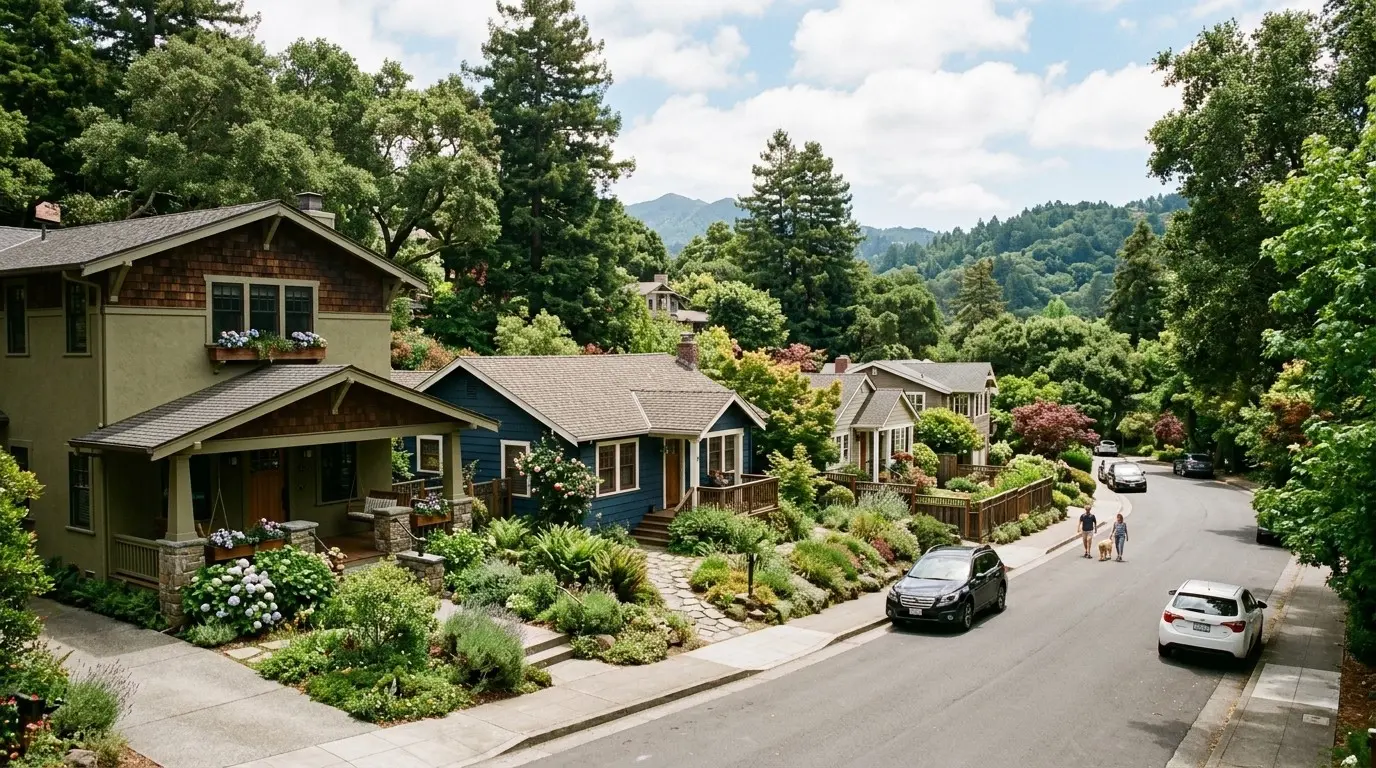
Should You Remodel or Rebuild in San Anselmo for Better Fire Resistance?
The core decision many homeowners face in San Anselmo’s WUI zone is whether to remodel existing interiors with approved fire-resistant materials or opt for a complete rebuild. The first question we ask is: what is the condition of the existing structure and how much of it can be retained without compromising safety? For instance, if the current interior finishes are untreated wood or standard drywall, upgrading to fire-rated versions might be enough to meet 2026 standards, avoiding the higher costs and longer timelines of rebuilding.
For older homes near San Anselmo Avenue, a rebuild might seem appealing to incorporate modern fire-resistant materials seamlessly. But often, a strategic remodel with certified finishes can achieve the same safety goals with less disruption. When considering a rebuild, assess the structural integrity and the potential for integrating new fire-resistant framing and insulation without losing character. We’ve seen projects where a thorough inspection, using a tape measure and material samples, revealed that the existing shell could support a safer interior with minimal changes, saving hundreds of thousands of dollars.
Ultimately, the decision hinges on the home's age, condition, and your safety priorities. Consulting with a local expert familiar with Marin’s fire codes will help clarify whether a remodel suffices or a rebuild is necessary for peace of mind and compliance.
What This Costs in 2026
| Scope | San Anselmo / Bay Area | Sacramento |
|---|---|---|
| Refresh scope with certified interior finishes | $8K - $25K | $5K - $15K |
| Mid-tier upgrade with fire-rated drywall, insulation, and finishes | $35K - $90K | $20K - $50K |
| Estate-scale overhaul including structural upgrades and full interior fireproofing | $200K - $750K | $150K - $500K |
Local permits & planning
Working Notes
What We Have Learned Doing This: San Anselmo Wui Building Code Fireresistant Materials: A Designer's Guide to the 2026 Look
“Submit the math for any Title 24 credit calculation. The plan checker should never have to ask.”
Even replacing windows or moving a circuit triggers the permit process here. Pretending a job is too small to permit is how a remodel gets red-tagged.
A renovation is a dependency chain, not a list of tasks. A two-day cabinet delay quietly becomes a two-week slip by week sixteen because every trade downstream is holding a calendar. The least glamorous part of this work, and the most valuable, is keeping that chain from cascading.
Old houses lie, and so do new ones. Even a ten-year-old house lies the moment you assume the framing sits where the plans say. We stopped trusting old drawings, prior contractor work, and the phrase it should be fine a long time ago. The budget needs a real line for what demolition will uncover, usually 15 to 20 percent once walls start opening.
Specify for the next ten years, not the next photo shoot. The work that holds its value is quiet, well made, and a little bit boring on the day it is installed.
These notes come from our own project debriefs. Most were learned the expensive way the first time.
Sources & Professional References
This guide's positions on structure are grounded in published building-code, standards, and recognized design-authority sources, alongside Designed | Curated Interiors' verified credentials and active project files:
- International Code Council (ICC): Chapter 93 Mandatory Earthquake Hazard Reduction In Existing Woo
- International Code Council (ICC): Chapter 23 Wood
- Community Development, San Anselmo (Marin County) building permit portal
- NKBA, Amy Kunst Member Profile (verified credential, NKBA Committee Member)
- Featured in: Homes & Gardens (design expert quote, May 2026) · Sacramento Love (guest author, 2024)
From Principle to a Real Room
A trend piece is the briefing document, not the deliverable. The pages below show how we translate these principles into finished rooms across San Anselmo and the rest of Northern California.
- Sacramento & Bay Area Interior Design Services How we scope, source, and deliver work end to end.
- Interior Designer Hub, San Anselmo Where most of our San Anselmo work lives, the regional fit explained.
- Los Altos Hills Fireresistant Building Materials for Home Remodels Related cluster piece referenced from the Los Altos Hills Fireresistant Building Materials for Home Remodels build files.
- Portola Valley Building Code Wildfireresistant Materials Requirements Related cluster piece referenced from the Portola Valley Building Code Wildfireresistant Materials Requirements build files.
- Palo Alto Green Building Code Remodeling Standards Related cluster piece referenced from the Palo Alto Green Building Code Remodeling Standards build files.