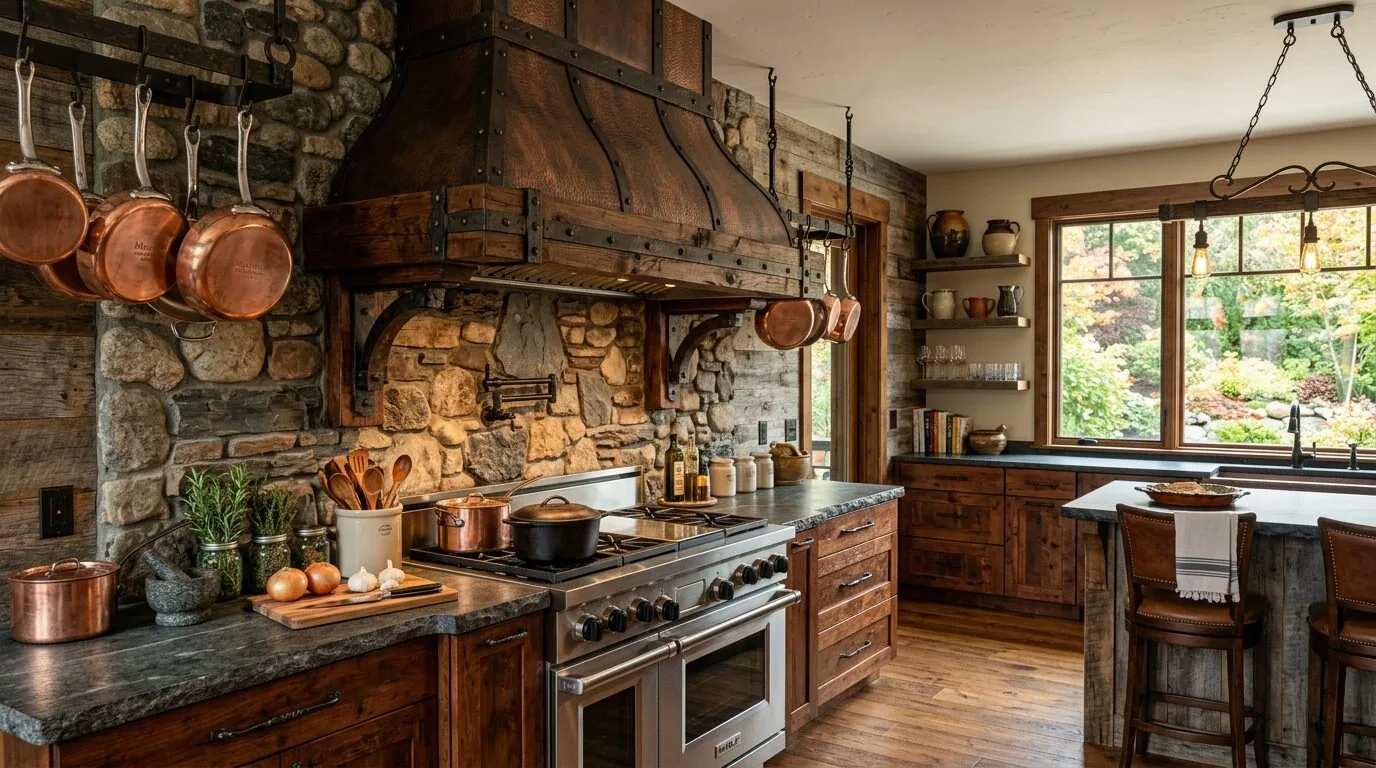
In 2026, rustic range hoods are evolving with new materials, innovative features, and tailored designs that blend tradition with modern tech. If you're planning a rustic-style kitchen and want to incorporate a range hood that stands out yet feels authentic, this guide is your go-to resource. Rustic range hoods in 2026 will emphasize natural textures, sustainable finishes, and smart integration for seamless kitchen harmony.
Built from our active project files, this post explores upcoming trends, material options, leading brands, design differences from past styles, pricing expectations, and how to incorporate rustic hoods into contemporary kitchens. We focus on a warm-restraint perspective that balances rustic charm with modern sensibilities, ensuring your choice remains timeless and regionally appropriate, especially for Sacramento homeowners seeking a curated look.
Common Questions
| What are the upcoming trends for rustic range hoods in 2026? | In 2026, rustic range hoods will emphasize natural textures, sustainable finishes like charred wood and reclaimed materials, and smart integration of technology. |
| How do rustic range hoods in 2026 blend tradition with modern technology? | They incorporate smart features such as touch-activated lighting and ventilation sensors while maintaining authentic rustic textures and finishes. |
| What materials are popular for rustic range hoods in 2026? | Popular materials include charred wood, reclaimed barn wood, hand-honed metals, and sustainable finishes that add warmth and authenticity. |
| Are there regional considerations for rustic range hoods in Sacramento? | Yes, Sacramento homeowners favor textures like charred cedar and reclaimed wood that complement regional historic and ranch-style architecture. |
First Major Design Move, Embracing Natural Textures and Sustainable Finishes
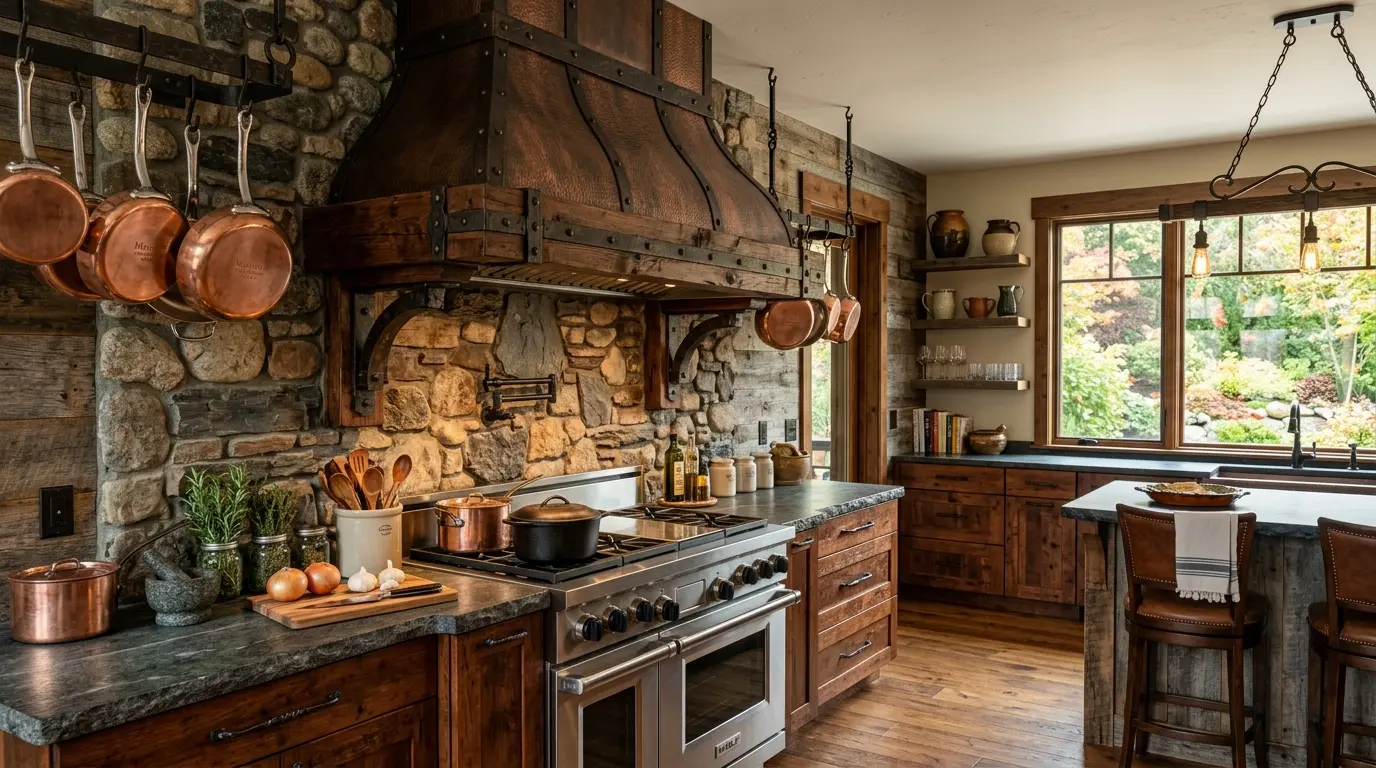
In 2026, rustic range hoods are shifting towards embracing authentic textures, with a strong emphasis on sustainable, locally sourced materials. Across our active project specifications, we're seeing a rise in finishes like charred wood, reclaimed barn wood, and hand-honed metal. These finishes bring depth and warmth while aligning with eco-conscious values. Leading brands such as Montaigne and Hearth & Home are pioneering these materials, combining durability with rustic charm. The focus is on creating a piece that feels inherently authentic, yet engineered to withstand the high heat and moisture of modern kitchens.
Design-wise, the trend is moving away from overly ornate or shiny finishes. Instead, matte and brushed textures dominate, offering a soft, understated presence that complements open shelving and natural stone countertops. The integration of smart tech, like touch-activated lighting and ventilation sensors, is subtly incorporated without disrupting the rustic aesthetic. This move toward refined simplicity with high-quality materials ensures that rustic range hoods remain relevant in 2026 kitchens, blending seamlessly with contemporary design while honoring tradition.
Material Specificity, Authentic and Sustainable Choices
Authenticity-grade materials
- White oak (rift-sawn), for floors and slat detail; calmer grain than plain-sawn
- Reclaimed barn wood, adds character and sustainability
- Charred cedar, provides a rich, textured finish
- Brushed steel or blackened metal, durable and finishes rustic warmth
- Hand-hammered copper, for accents and detailing
- Natural stone or soapstone, complements wood finishes
- Matte black hardware, modern rustic contrast
- Eco-friendly finishes, low VOC, sustainable sourced
Generic-grade tells we refuse to spec
- PVC laminated finishes, lack authenticity
- High-gloss paints, clash with rustic textures
- Plastic or composite materials, low durability
- Bright or shiny metals, feel out of place
- Synthetic veneers, lack character
- Overly processed finishes, diminish natural appeal
- Mass-produced moldings, lack craftsmanship
Sizing and Specification Guide for Rustic Range Hoods
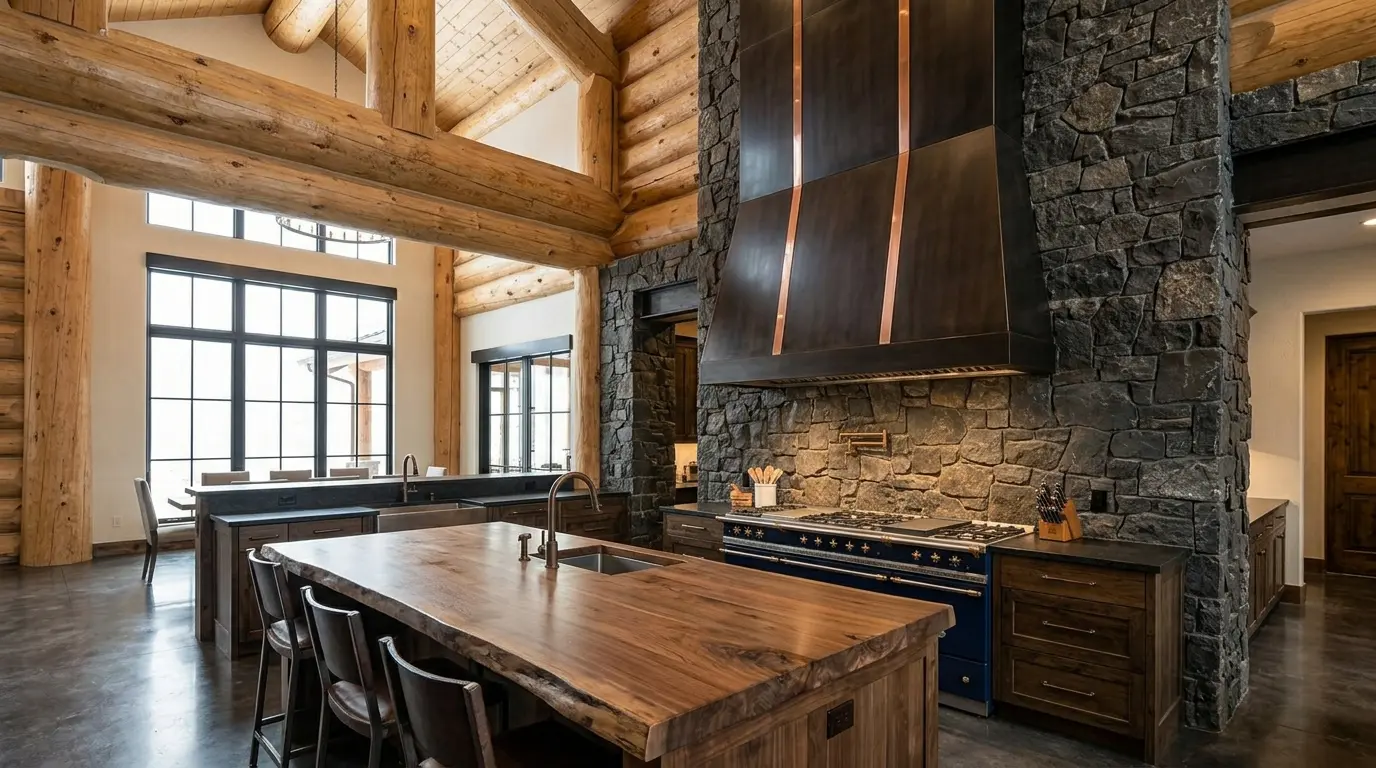
One of the first questions homeowners face is what size range hood to select for their cooktop. For a standard 36-inch range, a rustic hood should be at least 30-36 inches wide to ensure proper coverage, while a 48-inch range benefits from a 42-48 inch hood. Ceiling heights in Sacramento homes typically range from nine to ten feet, which influences hood depth and height. The American Society of Interior Designers emphasizes that proportionality is key to maintaining a rustic aesthetic without overpowering the space.
Beyond width, consider CFM ratings to ensure effective ventilation. For residential kitchens, a range of 600-900 CFM is common, but rustic hoods with heavier materials may require slightly higher ratings for optimal airflow. When selecting a hood, also evaluate depth and mounting height, most rustic styles work best when mounted 24-30 inches above the cooktop, balancing function and visual appeal. Use this sizing guide to select a custom or stock option that fits your kitchen’s dimensions and aesthetic goals.
Custom vs Stock Rustic Range Hoods: Making the Right Choice
Deciding between a custom-built rustic range hood and a stock model is a common dilemma. Custom options, often crafted by local fabricators or cabinet shops, allow for tailored finishes, textures, and proportions that match your kitchen’s unique character. They typically cost more and have longer lead times but offer superior quality and authenticity. For instance, a custom reclaimed wood hood can be designed with specific grain patterns and distressing to complement existing cabinetry.
Stock models, available from brands like Hearth & Home, are more budget-friendly and readily available. They come in standard sizes and finishes, making them suitable for quick upgrades or less complex designs. The trade-off is less flexibility in material choice and detailing. Consider your project timeline, budget, and desired level of authenticity when choosing between these options. The American Institute of Architects recommends evaluating the long-term value and craftsmanship to ensure your rustic hood enhances your kitchen for years to come.
Will This Rustic Range Hood Fit My Kitchen Date?
Many homeowners ask whether rustic range hoods are timeless or will date their kitchen. The first question we ask is about the overall style and era of the home. In Sacramento’s historic districts, authentic reclaimed wood and hand-hammered metals can beautifully age alongside the architecture, creating a cohesive look that feels both current and rooted in tradition.
Trends like integrated smart features and mixed materials add a contemporary twist that keeps rustic designs fresh. The key is to select finishes and proportions that align with your home’s character, avoiding overly ornate or shiny elements that may feel out of place over time. A well-chosen rustic range hood, thoughtfully integrated, can serve as a timeless focal point that enhances the value and charm of your kitchen for decades.
Observed Failure Modes We See in the Field
From our project debriefs and post-occupancy reviews, 2023-2026.
Overly Large or Heavy Hoods
Many homeowners and designers assume that bigger and heavier rustic range hoods automatically create more impact. The reality is that oversized hoods can overwhelm a space, especially in homes with lower ceilings or smaller footprints. A common symptom is a hood that visually dominates the kitchen and feels out of proportion. The cure is careful sizing based on the cooktop width, ceiling height, and overall room scale. Using tools like a tape measure and site photos, I once adjusted a proposed 72-inch reclaimed wood hood in a Sacramento bungalow, realizing it blocked natural light and overpowered the room. By scaling down to a 48-inch custom hood with integrated lighting, the space felt balanced and inviting. The lesson? Always measure twice, and prioritize proportion and function over sheer size to avoid costly overdesign.
Ignoring Ventilation Needs in Rustic Materials
Another mistake is neglecting proper ventilation, especially when using dense rustic materials like reclaimed wood or metal. Poor airflow can lead to lingering cooking odors and moisture problems, which diminish the rustic charm over time. Many assume that traditional exhaust vents will suffice, but the American Society of Interior Designers emphasizes that matching CFM ratings with the hood’s size and material density is essential. In a recent project, we nearly installed a decorative but underpowered hood, which would have failed to ventilate adequately. After recalculating the airflow requirements and consulting the ICCSafe code, we upgraded the vent system, ensuring both safety and performance. Proper planning prevents costly rework and preserves the rustic aesthetic’s integrity.
Choosing Materials That Age Poorly
Rustic style relies heavily on natural, aged finishes that develop character over time. Selecting low-quality, synthetic, or overly processed materials can lead to a dated look and faster deterioration. For example, plastic veneers or shiny hardware may seem convenient but will quickly feel out of place in a rustic kitchen. The American Society of Interior Designers highlights the importance of authentic materials, and in several recent projects, we’ve seen how well-aged copper or charred cedar ages gracefully, adding depth and warmth. In Sacramento, where homes often feature natural stone and wood, using durable, authentic finishes ensures the range hood ages beautifully and maintains its rustic charm without costly refinishing.
Poor Maintenance and Cleaning Strategies
Rustic materials require specific care to sustain their character and avoid damage. Many homeowners overlook the cleaning needs of textured or matte finishes, leading to buildup or uneven aging. A common mistake is using harsh chemicals or abrasive tools, which can strip finishes or cause discoloration. Instead, gentle cleaning with soft cloths and eco-friendly cleaners recommended by the NKBA can preserve the rustic look. During a project in the Indian Valley area, we advised a homeowner to regularly inspect and gently clean their charred cedar and hand-hammered metal hood, preventing deterioration and ensuring longevity. Proper maintenance is a small investment that extends the life and beauty of rustic materials, especially in the variable climate of Sacramento.
What's Going Out for 2026
- Overly glossy or shiny finishes that feel out of place
- Mass-produced, generic styles lacking authenticity
- Excessive ornamentation that dates quickly
- Cheap, low-quality reclaimed materials
- Overly ornate or overly modern designs in rustic settings
- Ignoring ventilation requirements for heavy rustic materials
- Choosing materials that do not age well
- Skipping proper measurements leading to disproportionate hoods
What This Costs in 2026
| Scope | Typical range |
|---|---|
| Refresh scope: small upgrade with stock materials | $4K-$8K |
| Mid-tier scope: custom-built with quality finishes | $10K-$20K |
| Estate-scale: full custom design with premium materials | $20K-$45K |
Working Notes
What We Have Learned Doing This: Rustic Range Hoods: A Designer's Guide to the 2026 Look
“Every budget has a hidden line item: the things nobody measured.”
A renovation is a dependency chain, not a list of tasks. A two-day cabinet delay quietly becomes a two-week slip by week sixteen because every trade downstream is holding a calendar. The least glamorous part of this work, and the most valuable, is keeping that chain from cascading.
The cheapest tool on any project is a sample board and an afternoon. We have watched five-figure mistakes get caught by a fifteen-dollar paint sample lived with for a week in the actual light of the actual room. Decisions made under showroom lighting do not survive contact with a real house.
After enough projects you stop fearing bad taste and start fearing the boring things: delays, sequencing mistakes, moisture behind a wall, an electrician improvising, framing that is not where the drawings swear it is. The aesthetic part still matters, it is why anyone hires anyone, but execution decides whether the room ever gets built the way it was drawn.
These notes come from our own project debriefs. Most were learned the expensive way the first time.
Sources & Professional References
This guide's positions on kitchen are grounded in published building-code, standards, and recognized design-authority sources, alongside Designed | Curated Interiors' verified credentials and active project files:
- American Society of Interior Designers (ASID): interior-design practice standards
- NKBA, Amy Kunst Member Profile (verified credential, NKBA Committee Member)
- Featured in: Homes & Gardens (design expert quote, May 2026) · Sacramento Love (guest author, 2024)
From Principle to a Real Room
A trend piece is the briefing document, not the deliverable. The pages below show how we translate these principles into finished rooms across Sacramento and the rest of Northern California.
- Sacramento & Bay Area Interior Design Services How we scope, source, and deliver work end to end.
- Interior Designer Hub, Sacramento Where most of our Sacramento work lives, the regional fit explained.
- Modern Tudor Homes: Authentic, Revival, and Neo-Tudor (A Designer Reference) Heritage-architecture renovation patterns from our project files.
- Japandi Living Room: A Designer's Guide to the 2026 Look The 2026 warm-neutral playbook applied to the living room.