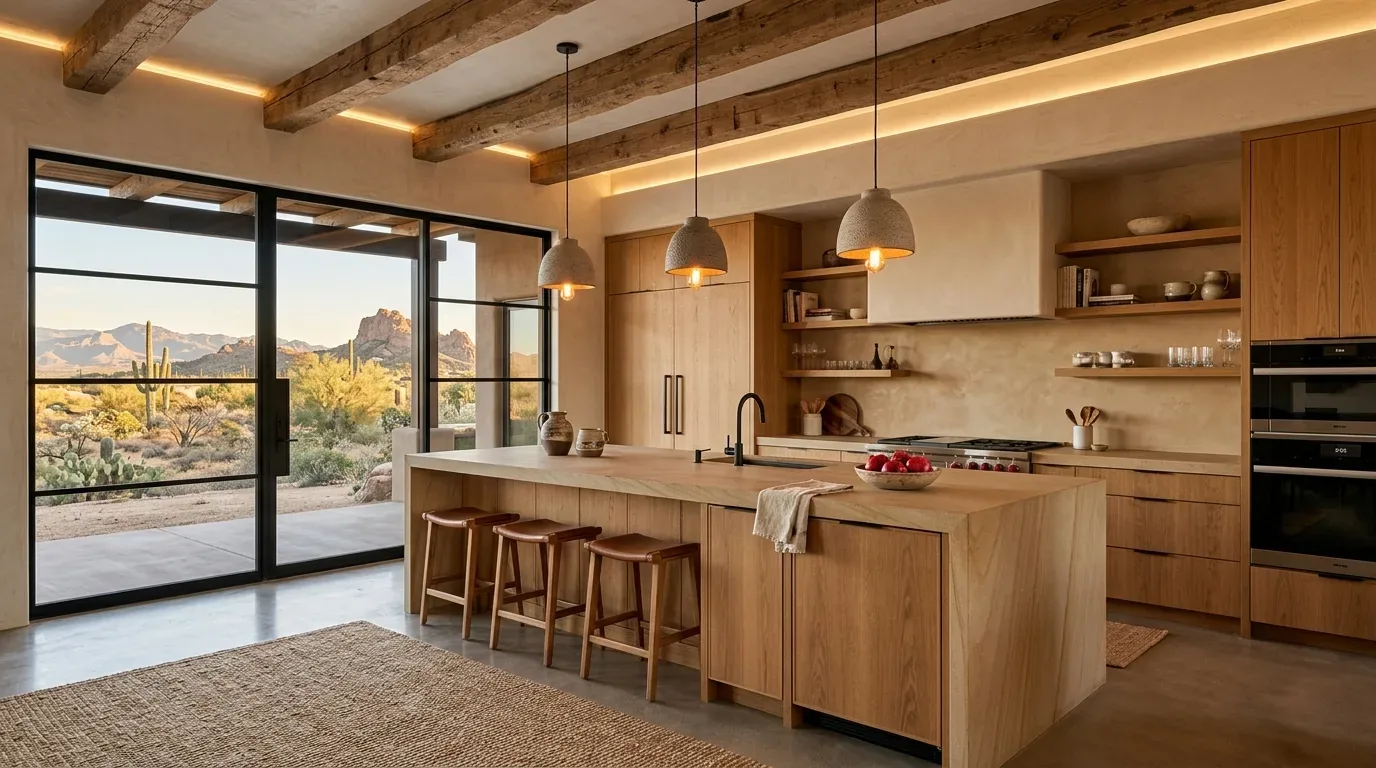
In 2026, the most inspiring reclaimed wood kitchen islands seamlessly blend sustainability with forward-thinking design, creating warm yet modern focal points in kitchens. Reclaimed wood remains a top choice for eco-conscious homeowners seeking character and durability in their kitchen islands. This guide explores the latest trends, sourcing innovations, integration tips, and cost considerations specific to 2026, all anchored in Sacramento’s unique housing landscape.
Built from our active project files, this post will cover current design trends for reclaimed wood islands, emerging sustainable sourcing options, how to integrate them with modern appliances, and the latest technological innovations. We’ll also share recommended finishes, highlight top designers and manufacturers, and provide practical insights tailored for the Sacramento region’s architectural styles and market conditions.
Common Questions
| What is the typical cost for a reclaimed wood kitchen island in Sacramento in 2026? | The cost for a reclaimed wood kitchen island in Sacramento in 2026 can range from $55,000 to $90,000 for a mid-range full remodel, depending on size, materials, and finishes. |
| Are there specific permits required for installing a reclaimed wood kitchen island in Sacramento? | If the island involves relocating plumbing or electrical work, permits are required; structural changes like removing a load-bearing wall require stamped plans and a building permit from the Sacramento Community Development department. |
| What types of reclaimed wood materials are recommended for kitchen islands in 2026? | Verified FSC-certified reclaimed woods from suppliers like EcoWood Collective and ReclaimSource, often from century-old barn beams or mill flooring, are recommended for durability and sustainability. |
| What finishes are suitable for reclaimed wood kitchen islands in 2026? | Catalyzed lacquer or natural oil finishes are recommended to enhance durability and emphasize the wood’s character, avoiding thermofoil or finishes that peel. |
The Rise of Sustainable, Character-Driven Reclaimed Wood Islands
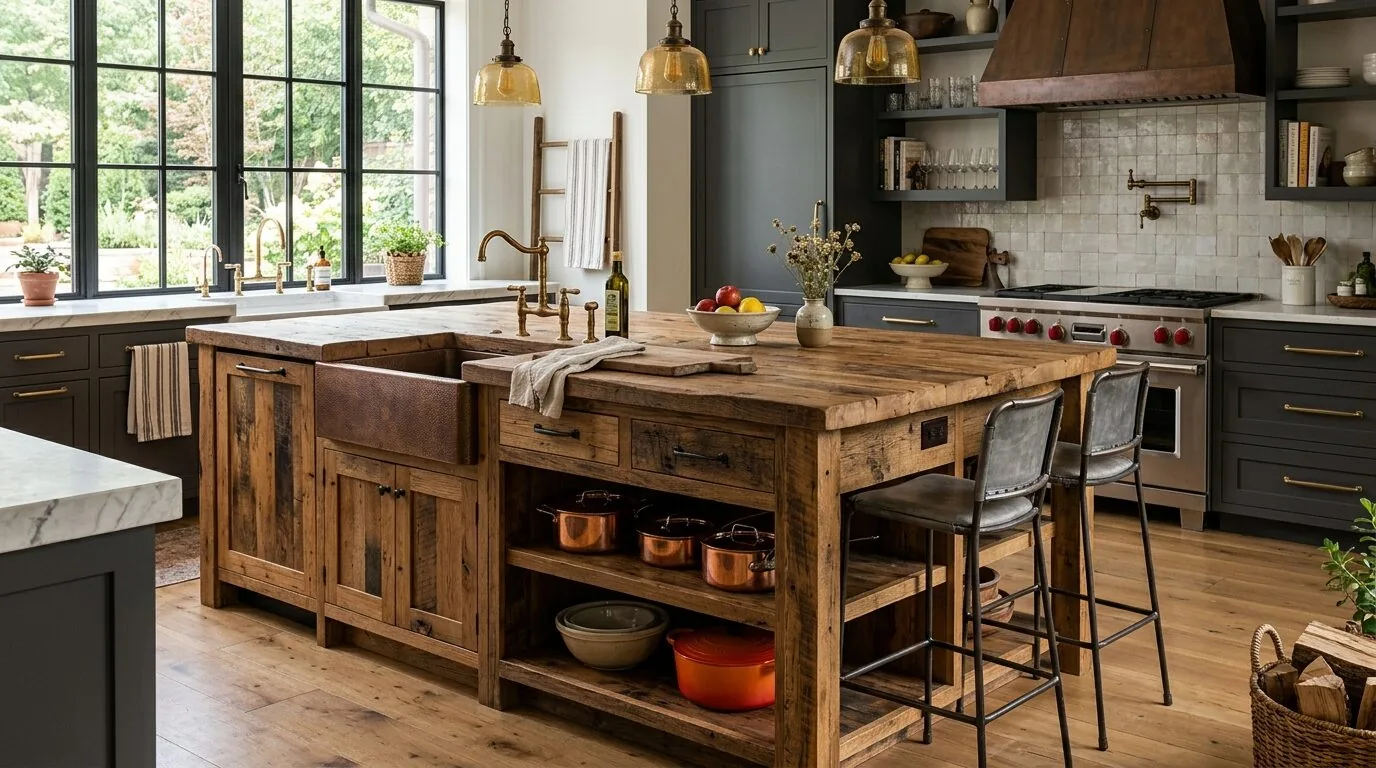
In 2026, the trend toward sustainable design has elevated reclaimed wood kitchen islands from rustic accent to central statement pieces that echo both eco-conscious values and refined craftsmanship. Across our active project specifications in Sacramento, we see homeowners favoring reclaimed woods that showcase natural patina and unique grain patterns, adding warmth without sacrificing modern sensibilities.
Designers are increasingly sourcing reclaimed wood from innovative, eco-friendly suppliers that prioritize local, post-industrial, or salvaged materials. Brands like EcoWood Collective and ReclaimSource are leading the charge, offering verified FSC-certified reclaimed woods that meet strict sustainability standards. These materials often arrive with rich histories, from century-old barn beams to historic mill flooring, now transformed into bespoke kitchen islands. The finishes and treatments are carefully selected to enhance durability against kitchen wear, with options like catalyzed lacquer or natural oil finishes that emphasize the wood’s character while providing necessary protection.
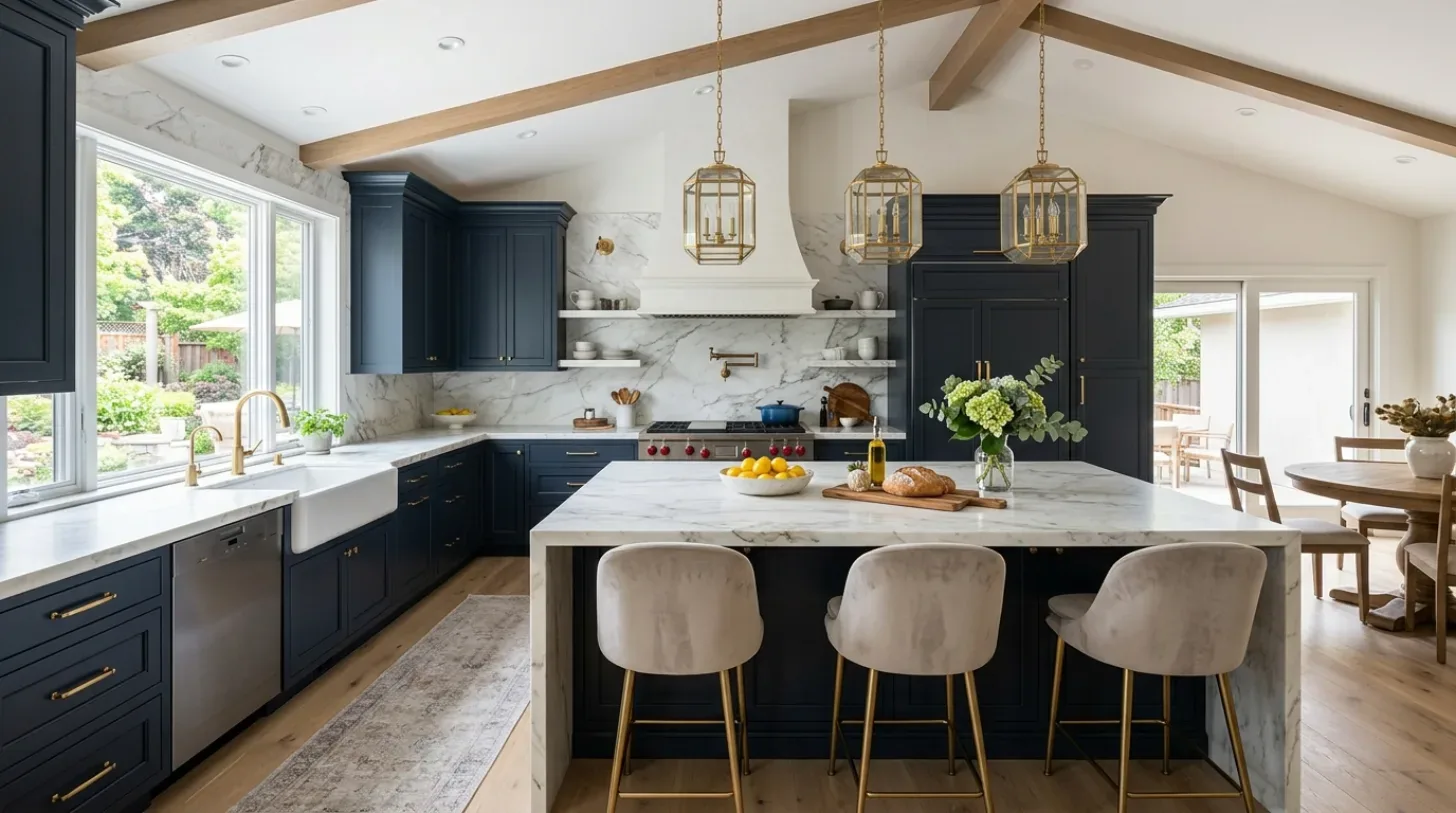
Incorporating reclaimed wood into modern kitchen aesthetics involves balancing rustic charm with sleek hardware and integrated appliances. Matte black or brushed brass accents complement the warm tones, while seamless integration with induction cooktops and built-in refrigeration maintains a clean, contemporary look. The key is to select woods with stable, low-moisture content and minimal warping risk, ensuring longevity in a high-use environment.
Material Specificity: Choosing the Right Reclaimed Wood for 2026
Authenticity-grade materials
- White oak (rift-sawn), for floors and slat detail; calmer grain than plain-sawn
- Douglas fir, classic for beams and table bases, offers warm, reddish hues
- Heart pine, dense, durable, with a rich amber patina perfect for islands
- Reclaimed chestnut, naturally resistant to pests and moisture, ideal for high-use surfaces
- Reclaimed barn wood, with weathered, textured surface, adds rustic character
- Reclaimed teak, sustainable source, rich color, and excellent stability
- Reclaimed maple, light, uniform, with a fine grain suitable for modern finishes
- Reclaimed walnut, dark, sophisticated, adding contrast and depth
Generic-grade tells we refuse to spec
- Standard new hardwoods (e.g., maple, cherry)
- Particleboard or MDF with veneer
- Thermofoil finishes
- Low-grade softwoods
- Laminates mimicking wood grain
- Unfinished or untreated softwoods
- Low-quality engineered woods
- Exotic woods from unsustainable sources
How to Size and Select the Perfect Reclaimed Wood Kitchen Island in 2026
The first question homeowners ask when planning a reclaimed wood island is about size, what dimensions work best in their space? In 2026, the standard width for an island ranges from 36 to 48 inches, with a recommended overhang of 1.5 to 2 inches for seating areas. Depth should be at least 24 inches for functionality, but 30 inches offers more workspace, especially with thicker reclaimed tops. Ceiling heights of 8 feet or more allow for taller, more dramatic islands, which are currently trending.
When selecting a reclaimed wood top, consider the intended use: a prep area needs a sturdy, stable surface, while a display island can be slightly more decorative. For a 36-inch range, a 36-inch wide island with a 24-30 inch depth is ideal, ensuring enough clearance for appliances and movement. For larger 48-inch ranges or multiple cook zones, a wider island up to 60 inches may be appropriate, but always balance size with proportion and circulation space. Integrating the right size ensures the island enhances both kitchen flow and aesthetic harmony.
Custom vs. Stock Reclaimed Wood Islands in 2026: What to Know
Deciding between custom-built reclaimed wood islands and stock options is a key consideration for 2026 homeowners. Custom options from local millwork shops or specialty fabricators offer the advantage of tailored dimensions, unique wood selection, and detailed finishes. The cost for custom projects typically ranges from $15,000 to $30,000 in Sacramento, depending on size, wood grade, and finish complexity. Lead times can be between 6 to 12 weeks, but the result is a one-of-a-kind piece that perfectly fits your space.
Stock reclaimed wood islands from high-end retailers or online suppliers like Etsy or Wayfair are more budget-friendly, often priced between $6,000 and $12,000. They can be delivered faster, usually within 4 to 6 weeks, but may require adjustments or refinishing to match your aesthetic. Quality varies widely, so it’s crucial to verify the source’s sustainability certifications and material stability. For homeowners seeking a unique, handcrafted piece that reflects local craftsmanship and sustainability, investing in a custom millwork piece is often the best long-term value despite the higher upfront cost.
Will a Reclaimed Wood Kitchen Island Meet Your Design and Budget Goals in 2026?
In 2026, many homeowners face the decision of whether to prioritize their design vision or stay within budget. Reclaimed wood islands can be a focal point that elevates the entire kitchen’s look, but costs vary based on size, wood grade, and finish. A mid-range project in Sacramento typically falls between $55,000 and $90,000 when including integration with appliances, custom finishes, and structural considerations. Budgeting for potential stabilization treatments or finishes that preserve the wood’s character is essential.
To ensure the project aligns with your financial goals, consider whether a smaller, more refined reclaimed piece can deliver the desired aesthetic without overextending your budget. It’s also wise to factor in permit requirements, especially if structural modifications are involved, which can add to costs. Consulting with a local designer familiar with Sacramento’s market and suppliers helps set realistic expectations and avoid surprises. Ultimately, the right reclaimed wood island should reflect your style and values while fitting comfortably within your financial plan.
Avoiding Common Mistakes When Incorporating Reclaimed Wood Islands in 2026
One of the most frequent errors is choosing a reclaimed wood with inconsistent moisture content, leading to warping or cracking over time. Always verify the wood’s stability before installation. Second, underestimating the importance of proper finishing can result in premature wear and staining; a catalyzed lacquer or natural oil with UV protection is recommended. Third, neglecting local permit requirements, such as structural or electrical permits, can cause costly delays and rework, especially in Sacramento where load-bearing modifications require stamped plans.
Being aware of these pitfalls ensures a durable, beautiful reclaimed wood island that enhances your kitchen for years to come.
Working Notes
What We Have Learned Doing This: Reclaimed Wood Kitchen Island: A Designer's Guide to the 2026 Look
“If the cabinet drawings are not frozen before slab templating, expect rework.”
On a kitchen the cabinet drawings have to be frozen before the stone is templated. Reorder that sequence and you are paying for rework you could have drawn around.
Specify for the next ten years, not the next photo shoot. The work that holds its value is quiet, well made, and a little bit boring on the day it is installed.
The cheapest tool on any project is a sample board and an afternoon. We have watched five-figure mistakes get caught by a fifteen-dollar paint sample lived with for a week in the actual light of the actual room. Decisions made under showroom lighting do not survive contact with a real house.
Most of the money that gets wasted is spent solving the wrong problem confidently. A homeowner asks for more space, every contractor agrees and prices an addition, and the real issue turns out to be light, or proportion, or one bad sightline. We make the room tell us the problem before anyone signs a demolition contract.
These notes come from our own project debriefs. Most were learned the expensive way the first time.
Sources & Professional References
This guide's positions on materials are grounded in published building-code, standards, and recognized design-authority sources, alongside Designed | Curated Interiors' verified credentials and active project files:
- American Society of Interior Designers (ASID): interior-design practice standards
- International Code Council (ICC): Chapter 8 Interior Finish Decorative Materials And Furnishings
- NKBA, Amy Kunst Member Profile (verified credential, NKBA Committee Member)
- Featured in: Homes & Gardens (design expert quote, May 2026) · Sacramento Love (guest author, 2024)
From Principle to a Real Room
A trend piece is the briefing document, not the deliverable. The pages below show how we translate these principles into finished rooms across Sacramento and the rest of Northern California.
- Sacramento & Bay Area Interior Design Services How we scope, source, and deliver work end to end.
- Interior Designer Hub, Sacramento Where most of our Sacramento work lives, the regional fit explained.
- Kitchen Island Color With White Cabinets Related cluster piece referenced from the Kitchen Island Color With White Cabinets build files.
- Modern Farmhouse Kitchen Natural Wood Cabinets Related cluster piece referenced from the Modern Farmhouse Kitchen Natural Wood Cabinets build files.
- Rustic Kitchen Island: A Designer's Guide to the 2026 Look Discover the latest trends for rustic kitchen islands in 2026, showcasing how they enhance both style and functionality in Sacramento homes.