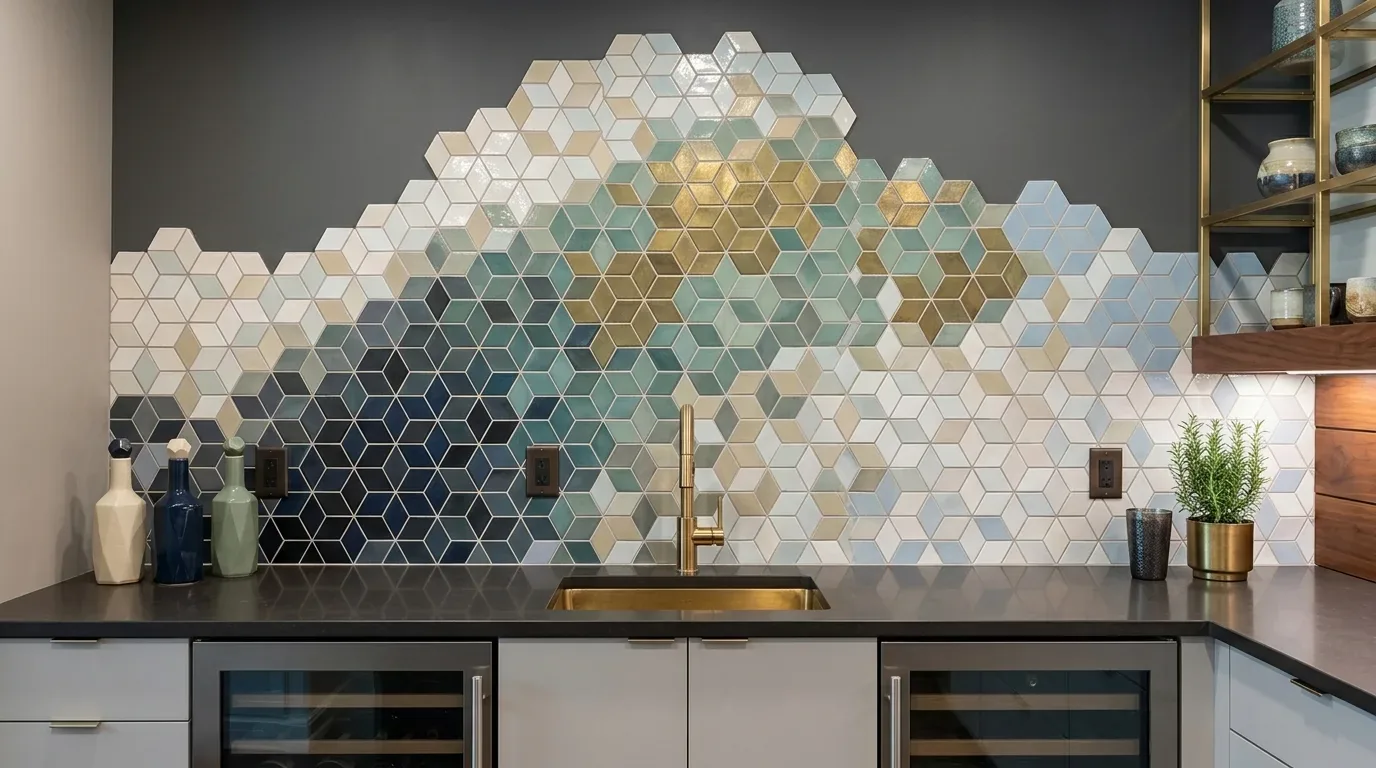
A pleated lamp shade is one of the easiest ways to make a lamp feel softer, more layered, and more intentional, provided you choose the right pleat scale, fabric, color, and proportion for the base and room. By 2026, think warm restraint. It's about fewer novelty shades, better materials, quieter colors. Enough texture so a room feels collected, not just put together. Pleated shades shift a lamp's look. They change both the silhouette and light quality. One base might charm here but look off there.
This guide is built from our active project files and from the decisions we are making around lighting, color, scale, and material in current residential work. I will cover the major pleated lamp shade styles, fabrics and papers, sizing and fitter compatibility, 2026 color directions, lighting effects, cleaning, brands, buying options, and the mistakes that make this otherwise useful design move look cheap.
Direct Answers (Pleated Lamp Shade)
| What materials are recommended for pleated lamp shades in Sacramento? | Linen or parchment silk lampshades win over polyester. Even soft cotton's a winner. |
| How do different pleat scales affect a lamp shade's appearance? | Fine knife pleats appear tailored and architectural, while wider boxier pleats feel more relaxed. |
| Why is it important to choose the right pleat scale before selecting a color for a pleated lamp shade? | Pleat size tweaks how a shade looks and handles light. That change shifts its appearance depending on the lighting. |
| What common mistake can lead to issues when installing pleated lamp shades? | Not confirming specifications such as harp height and fitter compatibility before installation can result in mismatched proportions and additional costs. |
Choose the Pleat Scale Before You Choose the Color
The first design move is deciding what kind of pleating belongs on the lamp. Fine knife pleats read tailored and architectural. Wider boxier pleats feel more relaxed and often suit larger ceramic, wood, or stone bases. Gathered or softly shirred shades bring more movement and are useful when a room needs texture without another hard-edged object.
Scale matters because the shade is visually larger than its measurements suggest. Pleats catch light and shadow, so a deeply pleated twelve-inch shade can feel more substantial than a smooth twelve-inch drum. On many Sacramento homes with broad windows and strong afternoon light, that texture becomes especially visible. A finely pleated linen shade? Almost flat in the morning. By late afternoon, it seems richer.
Skip glossy polyester. Opt for natural linen, parchment silk blends, or well-made cotton shades. Visual Comfort, Vaughan, Matilda Goad & Co., good shade references. But base, bulb, room decide. Branding won’t fix a shade that’s too narrow for its lamp.
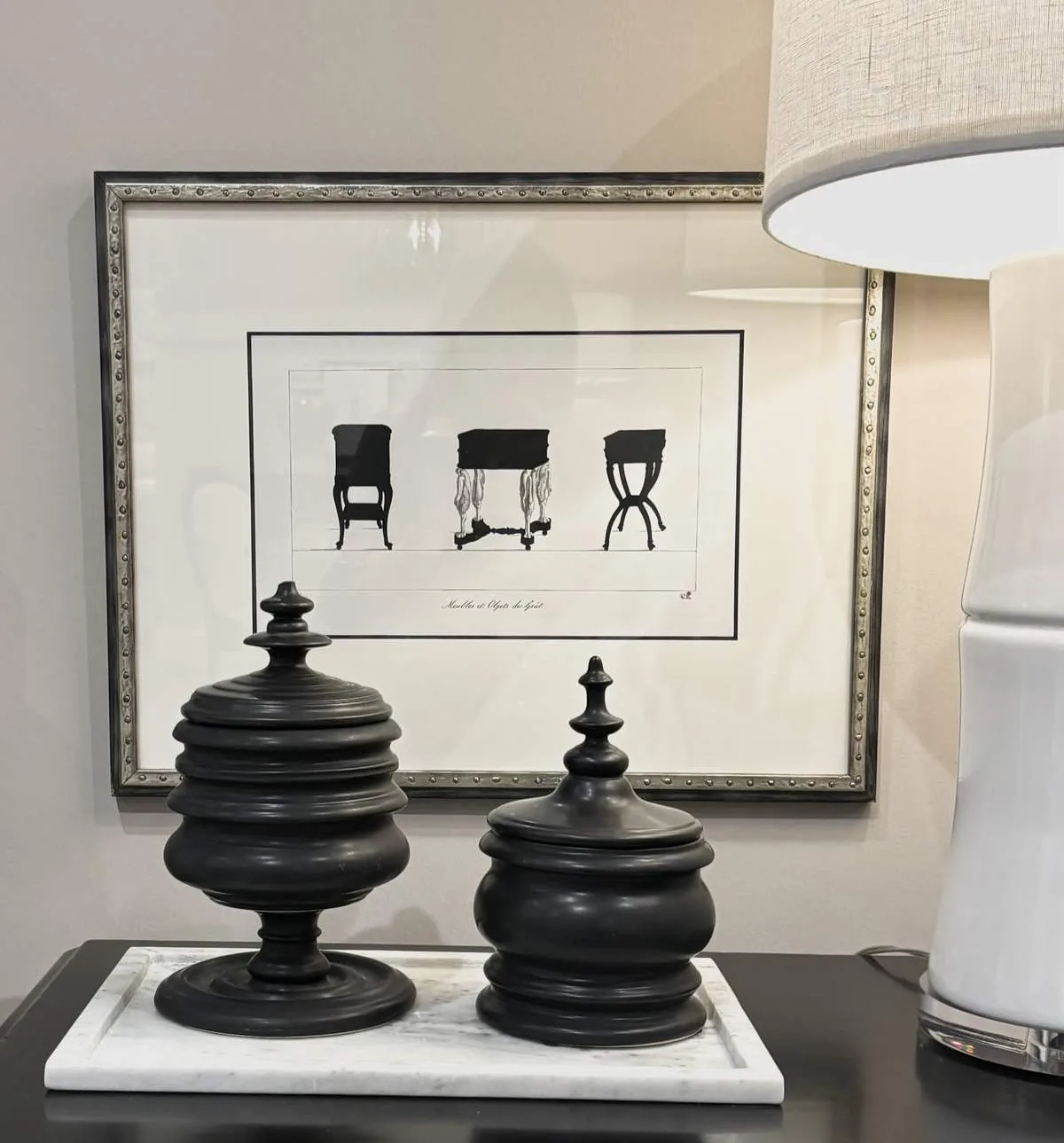
Material Matters More Than Most Pleated Shade Shoppers Expect
Authenticity-grade materials
- Belgian linen, for soft diffusion and visible texture that feels calm rather than shiny.
- Irish linen blend, for tailored pleats with enough body to hold their shape.
- Fine cotton sateen, for a cleaner silhouette when you want less visual texture.
- Hand-pleated silk blend, for formal rooms where subtle sheen helps the folds read at night.
- Parchment paper, for warm, amber-toned diffusion and a more sculptural profile.
- Natural raffia, for filtered light and an indoor-outdoor Northern California character.
- Hand-blocked cotton, for restrained pattern when the base and room are otherwise quiet.
- Paper-backed linen, for sharper pleat definition and better structural consistency.
- Wool blend textile, for deeper texture in rooms that need warmth during Sacramento's cooler evenings.
- Silk-lined linen, for a more refined interior glow when the lamp is a major evening light source.
Generic-grade tells we refuse to spec
- Glossy polyester that reflects pinpoints of bulb light
- Thin fabric with pleats pressed flat after minimal use
- Plastic-backed material that yellows visibly
- Faux linen with repeated printed texture
- Stiff paper with sharply artificial machine folds
- Loose pleating with inconsistent spacing
- Unlined dark fabric that blocks more light than expected
- Cheap trim that separates from the shade edge
Designer Decision Matrix: Which Pleated Lamp Shade Approach Fits Your Home
How we actually decide: match your situation to what we would specify, and the reasoning behind it.
| Your Goal | Best Solution | Why We Recommend It |
|---|---|---|
| Lowest cost | Stock pleated cotton shade with a standard spider fitter | A common fitter keeps replacement hardware simple and avoids paying for custom fabrication when the lamp base itself is not unusual. |
| Luxury finish | Custom hand-pleated linen or silk-blend shade | Custom work controls pleat depth, trim, lining, and proportion, which matters when the lamp is close to eye level and the material is part of the room's visual hierarchy. |
| Small room | Fine pleats in a pale linen with a compact taper | Fine folds provide texture without creating the visual bulk that wide pleats and dark fabric can add around a narrow side table. |
| Large Sacramento living room | Overscaled pleated floor-lamp shade | Many larger Northern California rooms have broad glazing and generous furniture spacing, so a standard small shade can disappear and leave the lamp looking under-scaled. |
| Historic or older home | Soft empire or gathered pleated shade in warm ivory | A tapered silhouette often relates better to older furniture and layered architecture than a severe drum while still allowing the room to feel current. |
| Contemporary look | Structured knife-pleated shade in parchment or flax | Regular pleats add depth while the restrained color keeps the lamp from reading as a themed vintage accessory. |
| Rental or no permanent changes | Pleated replacement shade sized to the existing harp | Changing the shade can shift color, light quality, and style without modifying the fixture, wall, or electrical system. |
What Size Pleated Lamp Shade Do You Actually Need?
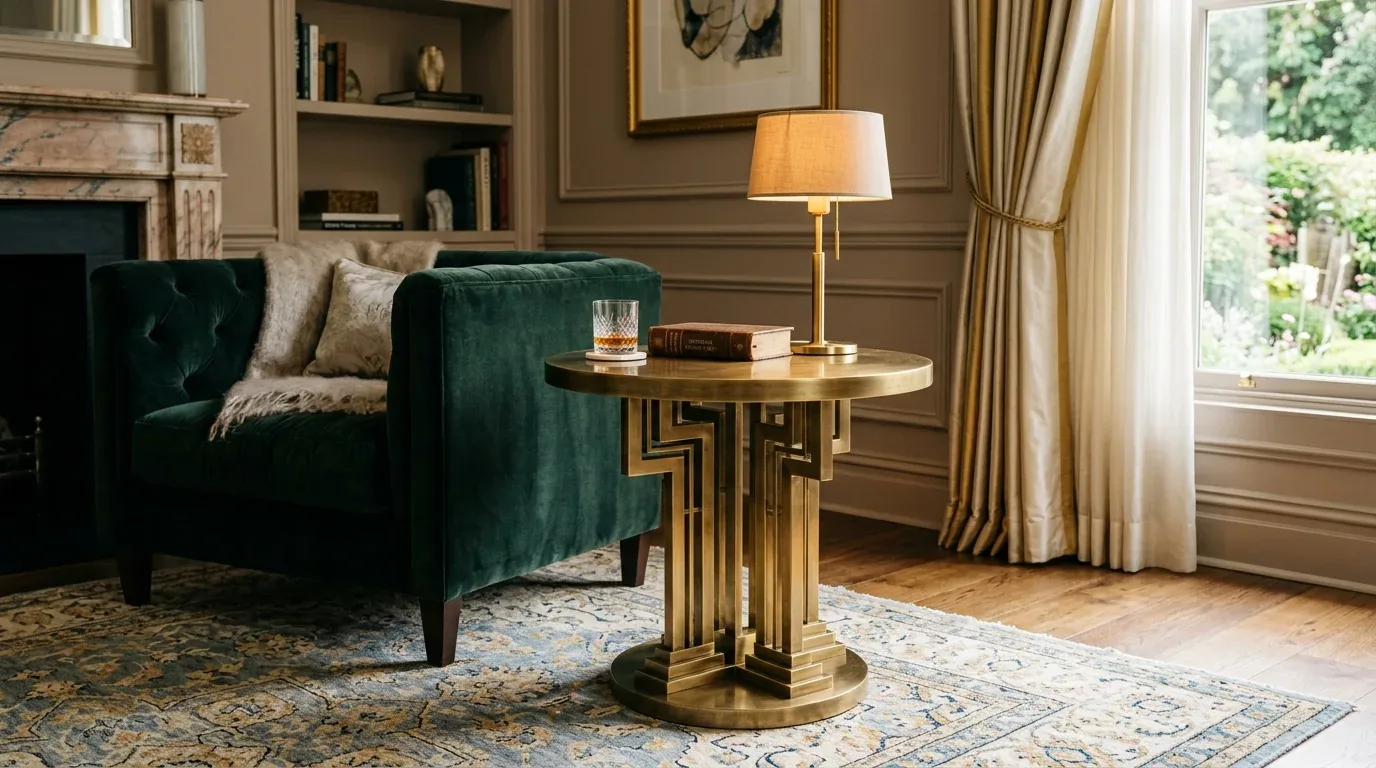
The real question is not, "What size pleated lamp shade is standard?" It is, "Will this shade make my lamp and table look properly proportioned?" The first question we ask is how the lamp is being used, because a reading lamp, bedside lamp, and decorative console lamp need different light and different visual weight.
As a practical starting point, the shade's bottom diameter often lands near the height of the lamp base, but that is only a starting point. The bottom edge should usually clear the widest part of the base, and the shade should not expose the bulb and hardware from normal seated sightlines. A table lamp with a twelve-inch base may need a shade around twelve to sixteen inches wide depending on the base shape. Floor lamps commonly need wider shades because the lamp occupies more vertical space.
| Lamp situation | Useful starting point |
|---|---|
| Small bedside lamp | 8 to 12 inch bottom diameter |
| Standard table lamp | 12 to 18 inch bottom diameter |
| Large console lamp | 16 to 22 inch bottom diameter |
| Floor lamp | 18 inches and wider, depending on height |
Check the fitter before ordering. Spider, uno, clip-on, and specialty fittings are not interchangeable, and the harp height can change the entire proportion.
Which Pleated Lamp Shade Material Gives the Best Light?
Homeowners often want specifics when they ask about the best material. Decide if the lamp should glow, brighten, or simply look good off.
Linen's my go-to. It diffuses light gently and highlights pleats. Parchment creates a warmer, more concentrated glow. Silk blends shine in formal settings, but need care. Strong bulbs and dust show. Raffia's great for atmosphere, not task lighting. It filters light dramatically.
Use the material according to the job of the lamp. A bedside reading lamp needs more useful transmission than a decorative console lamp. A dark pleated shade can be handsome and still leave a room feeling underlit. The National Kitchen and Bath Association's broader emphasis on lighting quality and layered illumination is relevant here, even outside kitchens and baths: one decorative fixture rarely performs every lighting function. See the National Kitchen and Bath Association for its broader design and lighting resources.
In Sacramento, where strong daylight can make a room feel bright until suddenly late in the day, I often specify a warm pale shade with layered ambient lighting rather than relying on one dark statement shade.
What Colors Are Current for Pleated Lamp Shades in 2026?
In 2026, pick several colors. Mix vibes. Blend palette shades together. It is a move toward warmer neutrals and controlled contrast. Cream, parchment, flax, tobacco, muted clay, moss, faded blue, and softened brown are easier to live with because pleats already create visual activity.
Before buying a bright shade because it is trending, look at what the folds will do to that color. Pleating plays with light, boosting colors beyond flat samples. A deep red shade may read elegant in daylight and much heavier after dark.
For broader color direction, the official annual resources from Pantone Color of the Year, Sherwin-Williams Color of the Year, and Benjamin Moore Color Trends are useful reference points, but I would not treat any annual color announcement as a reason to replace a good lamp shade. Does it match your wood tones? Your upholstery? Check the light.
Are Pleated Lamp Shades Timeless or Will They Date Quickly?
Pleated lamp shades are not automatically timeless. The first question we ask is whether the pleating belongs to the architecture and lamp, or whether it is carrying the entire personality of the room.
Linen, cotton, silk blends, and parchment age well. It’s light and material. Too much trim or loud piping? It might not last.
Sacramento homes? Go for a shade that lasts through updates. Natural materials like raffia and parchment develop a nice patina without looking outdated quickly. This is also where proportion matters more than trend. If it fits well, it lasts. Too trendy or small? It won't.
Where Should You Buy a Pleated Lamp Shade and What Should You Spend?
Buy stock, better brands, or pay more for custom. Stock is appropriate when the lamp uses common hardware and you need a straightforward replacement. Better retail options offer stronger fabrics and cleaner proportions. Custom is key with unusual bases or specific colors.
Basic shades start under $100. Custom work? Much more. Large floor lamp shades in silk or handmade fabrics can have lasting appeal. Measuring the base properly saves on returns. Returns cost more than one well-chosen shade. Choosing a too-small shade is often regretted. The lamp looks wrong every day, and homeowners often replace it anyway.
Observed Failure Modes, How Pleated Lamp Shade Goes Wrong
From our project debriefs and post-occupancy reviews, 2023-2026.
Pleats That Are Too Large
Wide pleats can look charming on a large floor lamp and absurdly heavy on a compact bedside lamp. The symptom is visual bulk, especially when the shade occupies more attention than the base. The cure is to reduce the pleat depth before reducing the shade diameter, because an undersized shade creates a different proportion problem. Fine pleats usually give smaller lamps texture without making them look dressed for a costume party.
The Wrong Fitter
A shade can have the correct diameter and still fail because the fitter does not match the lamp. Mismatch fittings and you risk crooked shades. Check the lamp hardware before shopping. If it's off-center, it looks cheap. Fit matters.
Ignoring Bulb Visibility
Many homeowners judge a shade while standing up and forget how it looks from a chair or sofa. Visible bulbs or sockets? It feels incomplete. Sit where people actually sit. The cure may be a taller shade, a different harp, or a revised fitter. Do not simply buy a wider shade when the real problem is vertical proportion.
Choosing Color From a Screen
Pleated fabric exaggerates light and shadow, so screen color is especially unreliable. A warm ivory shade can look gray or yellow in the wrong light. Check samples in different lighting, morning to evening. Sacramento's intense daylight can make subtle undertones much more obvious than a product photograph suggests.
Too Many Decorative Layers
Pleats already provide pattern through shadow. Adding fringe, tassels, contrast piping, a busy printed fabric, and an ornate finial can turn one lamp into five competing ideas. The symptom is not simply that the lamp looks traditional. It looks undecided. Choose one or two decorative moves and let the rest stay quiet.
Using Dark Shades for Task Light
A dark pleated shade can create wonderful atmosphere and still be terrible for reading. The folds and lining can reduce usable light more than expected. If the lamp must perform a task, test the bulb and shade together. The cure may be a lighter lining, a paler exterior, or a second dedicated task light rather than abandoning the darker shade altogether.
What's Going Out for 2026
- Tiny pleated shades on oversized ceramic bases
- Cold white polyester marketed as linen
- High-gloss pleats that sparkle under LEDs
- Excessive fringe layered over already busy folds
- Buying by diameter without checking height
- Forcing a clip-on shade onto the wrong lamp
- Black shades used as the only reading light
- Matching every lamp shade in one room exactly
- Novelty trim that competes with the pleating
- Ignoring how the shade looks from seated eye level
What Pleated Lamp Shade Costs in 2026
| Scope | Typical range |
|---|---|
| Basic stock replacement, common fitter and standard fabric | $0.08K-$0.20K |
| Premium linen or specialty retail shade, larger scale | $0.20K-$0.65K |
| Custom hand-pleated shade or coordinated specialty fabrication | $0.75K-$3K |
Working Notes
What We Have Learned Doing This: pleated lamp shade
“Trends fade fast. Pick colors proven timeless over decades.”
The safest paint decision is the one made last, against the finished floors and the real light, not first against a white wall.
Old houses lie, and so do new ones. Plans lie about framing, even in a house just ten years old. No faith left in old drawings, previous contractor's work, or 'it should be fine', long gone. The budget needs a real line for what demolition will uncover, usually 15 to 20 percent once walls start opening.
A renovation is a dependency chain, not a list of tasks. A two-day cabinet delay quietly becomes a two-week slip by week sixteen because every trade downstream is holding a calendar. Stopping a chain from falling apart is vital work.
As you get experience, it's the mundane delays that worry you. The aesthetic part still matters, it is why anyone hires anyone, but execution decides whether the room ever gets built the way it was drawn.
These notes come from our own pleated lamp shade project debriefs. Most were learned the expensive way the first time.
Sources & Professional References
This guide's positions on materials are grounded in published building-code, standards, and recognized design-authority sources, alongside Designed | Curated Interiors' verified credentials and active project files:
- American Society of Interior Designers (ASID): interior-design practice standards
- International Code Council (ICC): Chapter 8 Interior Finish Decorative Materials And Furnishings
- NKBA, Amy Kunst Member Profile (verified credential, NKBA Committee Member)
- Featured in: Good Housekeeping (storage and space-planning expert quotes, July 2026) · Homes & Gardens (design expert quote, May 2026) · Sacramento Love (guest author, 2024)
Frequently Asked
What materials are recommended for pleated lamp shades in Sacramento?
How do different pleat scales affect a lamp shade's appearance?
Why is it important to choose the right pleat scale before selecting a color for a pleated lamp shade?
What common mistake can lead to issues when installing pleated lamp shades?
How does the time of day affect the appearance of a pleated lamp shade in Sacramento homes?
What is a key takeaway from the pleated lamp shade installation experience shared in the context?
Who are some recommended brands for pleated lamp shades according to current trends?
From Pleated Lamp Shade to a Real Room
A trend piece is the briefing document, not the deliverable. The pages below show how we translate these principles into finished rooms across Sacramento and the rest of Northern California.
- Sacramento & Bay Area Interior Design Services How we scope, source, and deliver work end to end.
- Interior Designer Hub, Sacramento Where most of our Sacramento work lives, the regional fit explained.
- Modern Tudor Homes Heritage-architecture renovation patterns from our project files.
- Japandi Living Room Design The 2026 warm-neutral playbook applied to the living room.