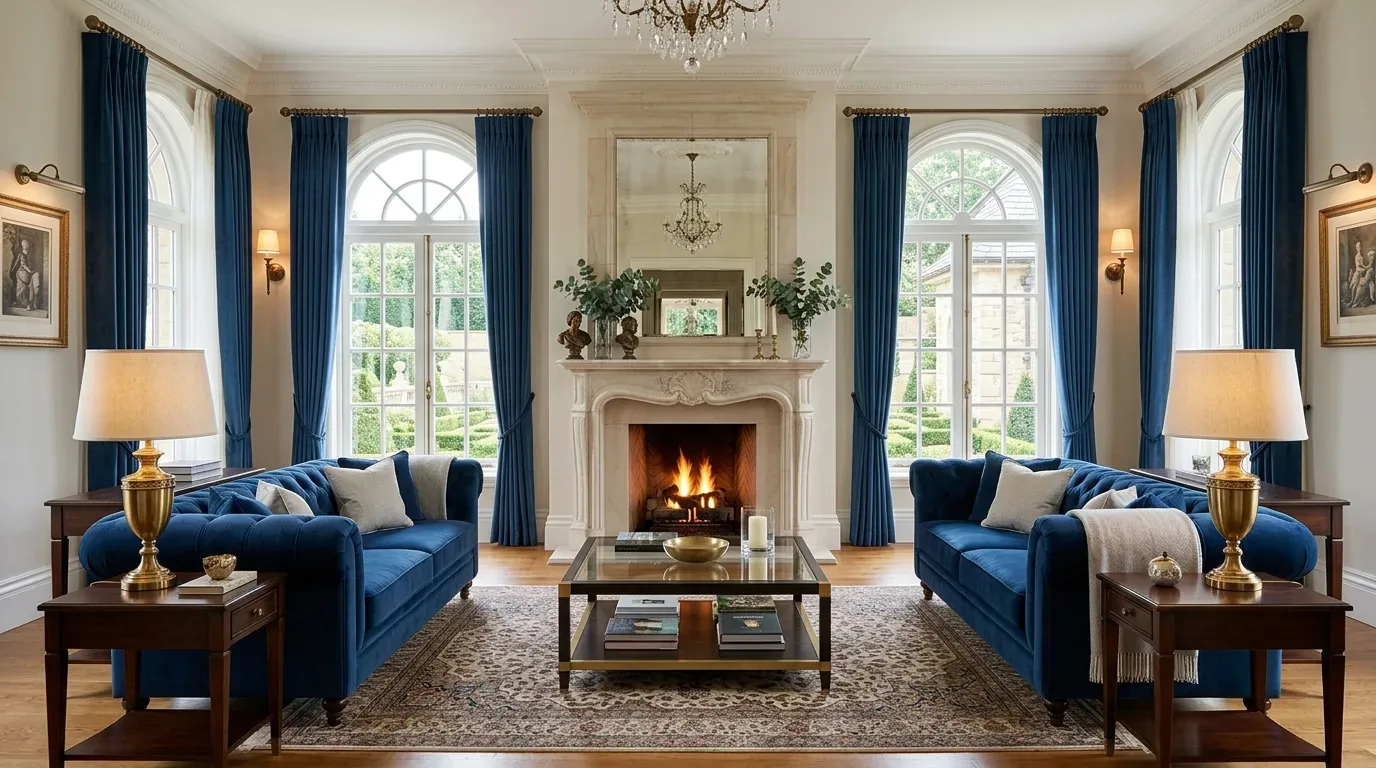
Many homeowners and interior designers are captivated by the distinctive beauty and craftsmanship of Murano lamps, making them a compelling choice for elevating interior aesthetics. Murano lamps are defined by their artisanal glasswork, vibrant colors, and unique, handcrafted designs that capture a timeless elegance. In this guide, we explore how Murano lamps can fit into various interior styles, their characteristic features, and how to verify their authenticity. Built from our active project files, this post aims to offer a practical, designer-perspective overview, focusing on the balance of warmth and restraint that Murano lamps bring to sophisticated Sacramento interiors.
Whether used as statement pieces in living rooms, accent lighting in dining areas, or subtle highlights in bedrooms, Murano lamps add character and a touch of luxury. We’ll cover the typical styles and materials, how they can adapt to different themes, the regional considerations for Sacramento and Marin, and most importantly, how to authenticate genuine Murano craftsmanship to avoid costly fakes.
Common Questions
| What makes a Murano lamp authentic? | A genuine Murano lamp is hand-blown glass with a pontil mark—the untrimmed base where the artisan separated it from the blowpipe. Look for uneven bubbles (not all Murano glass is perfectly clear) and color variations that aren’t uniform, as Murano artisans often work with natural glass impurities. A signature or label from the maker isn’t required but is common for higher-end pieces. |
| How can I verify the authenticity of a Murano lamp before purchasing? | Start with the pontil mark—if it’s missing, it’s not Murano. Check for bubbles and color shifts; intentional imperfections are part of the craft. Weight matters too: authentic Murano is dense, not lightweight. Avoid pieces with factory-sealed bases or overly smooth surfaces, which are red flags for mass-produced knockoffs. |
| Are Murano lamps suitable for modern Sacramento interiors? | They work in Sacramento’s mid-century modern and transitional homes, but only if the wiring is up to code. The glass’s vibrancy clashes with minimalist spaces unless balanced with neutral tones. For eclectic designs, they add warmth—but skip them if your home’s electrical system can’t handle the load. |
| What regional considerations should I keep in mind when choosing a Murano lamp in Sacramento? | Sacramento’s older homes often have 15-amp circuits, which can’t support high-wattage Murano lamps without upgrades. The city’s mix of Craftsman and ranch-style homes benefits from Murano’s organic shapes, but avoid placing them near high-humidity areas like bathrooms. Always confirm the lamp’s voltage matches your fixture’s rating. |
The Artisanal Charm of Murano Lamps as a Major Design Move
Incorporating a Murano lamp into an interior instantly elevates the space with its artisanal craftsmanship and vibrant glasswork. Across our active project specifications, we see Murano lamps used as focal points in living rooms and entry halls, where their intricate details and warm glow create an inviting ambiance. The defining features include hand-blown glass, often with elaborate patterns and a rich palette of colors ranging from deep blues and emerald greens to fiery reds and amber tones. These lamps are often crafted from materials like Murano glass, brass, and sometimes incorporate gold or silver leaf accents to enhance their luxury appeal.
Design styles vary from classic Venetian to modern eclectic, but regardless of style, a Murano lamp’s ability to add a layer of craftsmanship and color makes it a versatile piece. Most Murano lamps come in distinctive shapes, like globes, teardrops, or elongated forms, and are often paired with vintage brass fittings or sleek modern bases. The key to a successful integration lies in balancing the lamp’s vibrant character with restrained surrounding decor, allowing it to serve as both a functional light source and a work of art. The timeless appeal of Murano lamps is rooted in their handcrafted origin, emphasizing the importance of authenticity to truly capture their essence.
Material Specificity in Murano Lamps
Authenticity-grade materials
- Cased Murano glass, layered with color and clear glass for depth
- Gold or silver leaf accents, for luxury detailing
- Brass fittings, durable and complements the glasswork
- Hand-blown glass, each piece unique with subtle imperfections
- Color-rich pigments, from traditional mineral-based dyes
- Pontil marks, evidence of handcrafting process
- Bubbles and ripples, intentional imperfections in authentic Murano glass
- Vitreous enamel overlays, decorative surface detail
Generic-grade tells we refuse to spec
- Mass-produced colored glass, often flat and uniform
- Plastic or acrylic components, common in imitations
- Machine-formed glass, lacks handcrafting signs
- Low-quality finishes, dull or uneven surfaces
- Synthetic dyes, prone to fading
- No visible pontil marks or bubbles
- Lack of artisanal detail, smooth, uniform surface
- Cheap metal fittings, plastic or painted finishes
How to Authenticate a Murano Lamp and Avoid Costly Fakes
The first question many Sacramento homeowners ask when considering a Murano lamp is how to verify its authenticity. With the proliferation of imitations, it’s crucial to look for specific signs of genuine craftsmanship. The key indicators include the presence of pontil marks at the base, uneven bubbles and ripples, and subtle variations in color that demonstrate hand-blown process. Authentic Murano lamps will typically have a label or signature from the artisan or glassmaker, often discreetly stamped or etched into the glass. Additionally, examining the weight and temperature of the glass can help; genuine Murano glass feels warm and substantial, whereas fakes tend to be lighter and cooler. Purchasing from reputable sources or trusted dealers who provide provenance documentation is also essential. In Sacramento, where fakes are common, educating yourself on these details can save thousands of dollars and preserve the investment’s value. Always ask for detailed close-up photos and, if possible, examine the piece in person to identify these authentic markers.
What This Costs in 2026
| Scope | Typical range |
|---|---|
| Refresh scope: a single authentic Murano table lamp | $5,000-$10,000 |
| Mid-tier scope: a curated collection of Murano lighting fixtures | $10,000-$25,000 |
| Estate-scale: a bespoke Murano chandelier or multiple fixtures | $30,000-$100,000 |
Working Notes
What We Have Learned Doing This: Murano lamp: A Designer's Guide
“Every budget has a hidden line item: the things nobody measured.”
Old houses lie, and so do new ones. Even a ten-year-old house lies the moment you assume the framing sits where the plans say. We stopped trusting old drawings, prior contractor work, and the phrase it should be fine a long time ago. The budget needs a real line for what demolition will uncover, usually 15 to 20 percent once walls start opening.
After enough projects you stop fearing bad taste and start fearing the boring things: delays, sequencing mistakes, moisture behind a wall, an electrician improvising, framing that is not where the drawings swear it is. The aesthetic part still matters, it is why anyone hires anyone, but execution decides whether the room ever gets built the way it was drawn.
Order the long-lead items before anything else and design the sequence so the rest of the job can proceed without them. The appliance, the stone, the custom millwork set the schedule, and pretending otherwise is how a project loses a month it never gets back.
These notes come from our own project debriefs. Most were learned the expensive way the first time.
Sources & Professional References
This guide's positions on materials are grounded in published building-code, standards, and recognized design-authority sources, alongside Designed | Curated Interiors' verified credentials and active project files:
- American Society of Interior Designers (ASID): interior-design practice standards
- International Code Council (ICC): Chapter 8 Interior Finishes
- NKBA, Amy Kunst Member Profile (verified credential, NKBA Committee Member)
- Featured in: Homes & Gardens (design expert quote, May 2026) · Sacramento Love (guest author, 2024)
From Principle to a Real Room
A trend piece is the briefing document, not the deliverable. The pages below show how we translate these principles into finished rooms across Sacramento and the rest of Northern California.
- Sacramento & Bay Area Interior Design Services How we scope, source, and deliver work end to end.
- Interior Designer Hub, Sacramento Where most of our Sacramento work lives, the regional fit explained.
- Modern Tudor Homes: Authentic, Revival, and Neo-Tudor (A Designer Reference) Heritage-architecture renovation patterns from our project files.
- Japandi Living Room: A Designer's Guide to the 2026 Look The 2026 warm-neutral playbook applied to the living room.