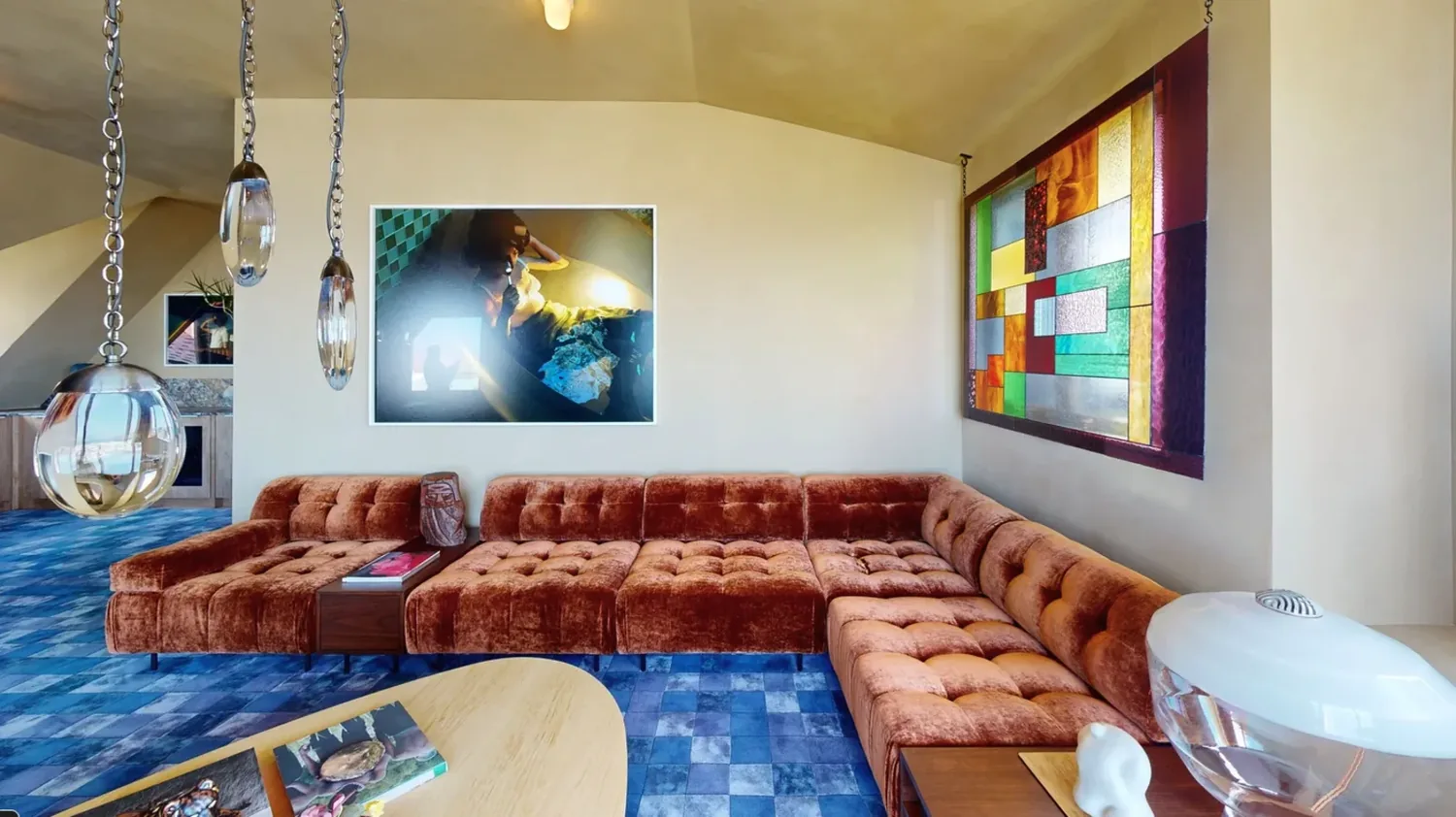
Moroccan pendant lights are a distinctive and stylish choice for elevating interior spaces with their rich textures and warm glow. If you’re considering them for your project, you want to know if they fit your style and space while adding the right ambiance. Moroccan pendant lights are characterized by their intricate metalwork, vibrant colors, and handcrafted details that evoke a sense of warmth and exotic charm. Built from our active project files, this guide explores their defining features, materials, style variations, sizing options, costs, purchase sources, best applications, installation tips, and how to visualize their impact in different interior themes. As Sacramento’s leading interior design studio, we aim to help you make confident, informed choices rooted in timeless design principles and current trends.
In this 2026 trend guide, you’ll find detailed visual comparisons, practical sizing and material insights, and regional considerations that make Moroccan pendant lights a compelling addition, especially when styled with restraint and authenticity, across a variety of interior themes and budgets.
Direct Answers (Moroccan Pendant Light)
| What makes Moroccan pendant lights a distinctive choice for interior decor? | They feature intricate metalwork, vibrant colors, and handcrafted details that evoke warmth and exotic charm. |
| How do I determine the right size of a Moroccan pendant light for my Sacramento home? | For 8-foot ceilings, 10-14 inch diameters are suitable over tables or islands; larger fixtures up to 20 inches work for higher ceilings. |
| Are Moroccan pendant lights suitable for Sacramento’s climate and architectural style? | Yes, their handcrafted textures and vibrant colors complement Sacramento’s traditional and modern homes, especially with natural materials. |
| What materials are commonly used in authentic Moroccan pendant lights? | They are typically made from brass, copper, or wrought iron, which develop a rich patina over time. |
The Signature Texture and Craftsmanship of Moroccan Pendant Lights
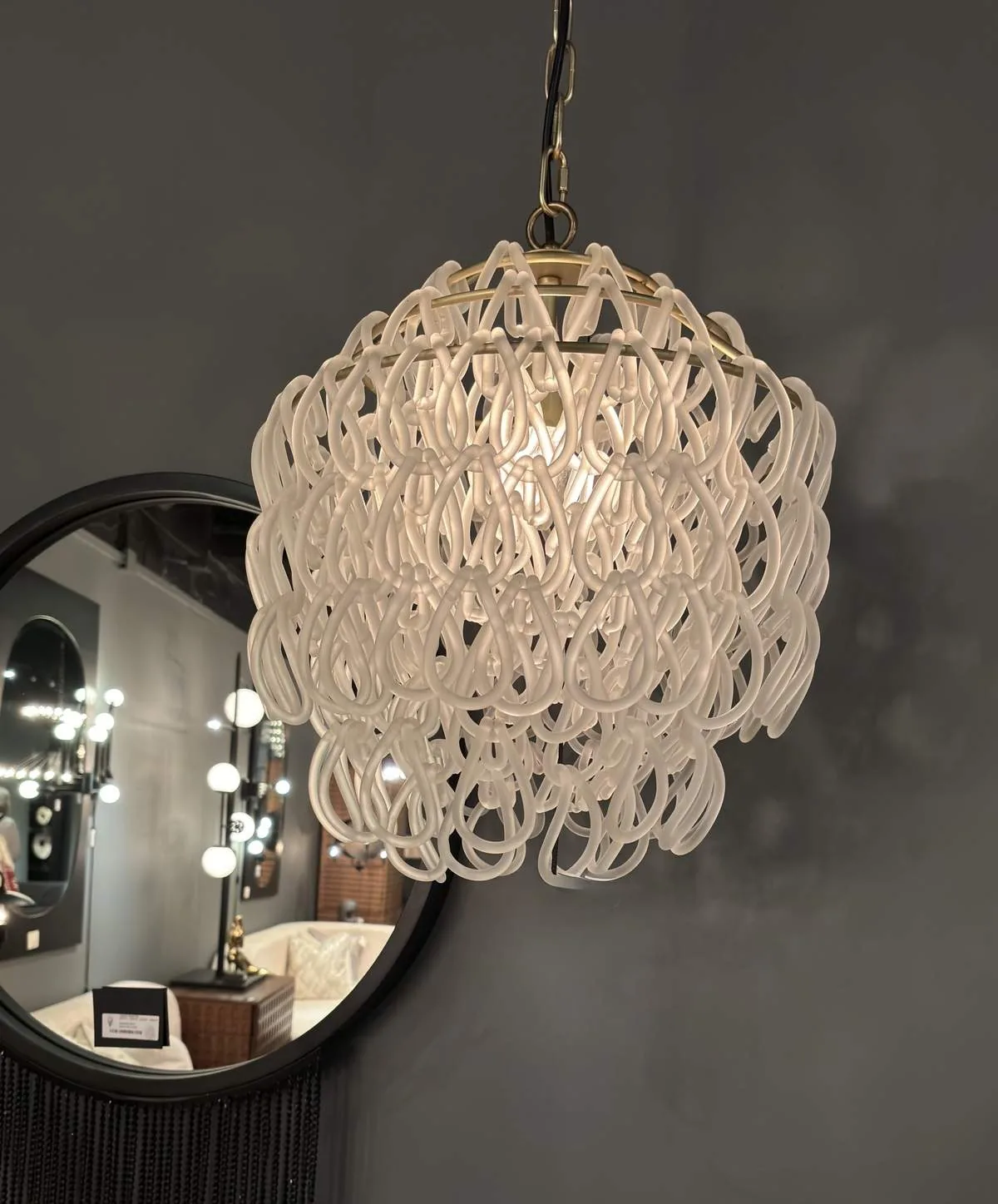
Across our active project specifications, Moroccan pendant lights stand out for their handcrafted metalwork, often featuring intricate cutouts and decorative filigree. These fixtures are typically made from materials like brass, copper, or wrought iron, chosen for their ability to develop a rich patina over time, enhancing their artisanal character. The finishes range from antiqued, brushed, to polished, allowing for a versatile integration into both traditional and contemporary spaces.
What truly sets Moroccan pendant lights apart is their layered construction and vibrant detailing. Many feature colored glass inserts or beaded accents, which add a splash of color and texture that can soften the overall lighting effect. When selecting a Moroccan pendant, consider how the craftsmanship and material authenticity align with your overall design palette. These fixtures often serve as focal points, so pairing them with complementary textures like woven textiles or natural woods creates a cohesive, warm environment that respects their cultural roots.
Materials and Finishes That Define Authentic Moroccan Pendant Lights
Authenticity-grade materials
- Brass, develops a warm patina over time, authentic and durable
- Copper, rich color that ages beautifully, often with hammered textures
- Wrought iron, classic, sturdy, and perfect for intricate cutouts
- Colored glass, vibrant, hand-blown, adds colorful accents
- Beaded embellishments, natural textiles or glass beads for texture
- Antiqued finishes, muted, aged look that enhances craftsmanship
- Natural patinas, achieved through chemical treatments for authenticity
- Hand-forged metal, emphasizes artisanal quality
Generic-grade tells we refuse to spec
- Mass-produced metal finishes, flat, uniform, lacking character
- Plastic components, cheap, synthetic look
- Painted metal with no texture, flat and unconvincing
- Pre-fabricated stamped metal, less detailed, lower quality
- Synthetic glass or acrylic, lacks depth and vibrancy
- Overly glossy finishes, unnatural shine
How to Choose the Right Size and Placement for Moroccan Pendant Lights
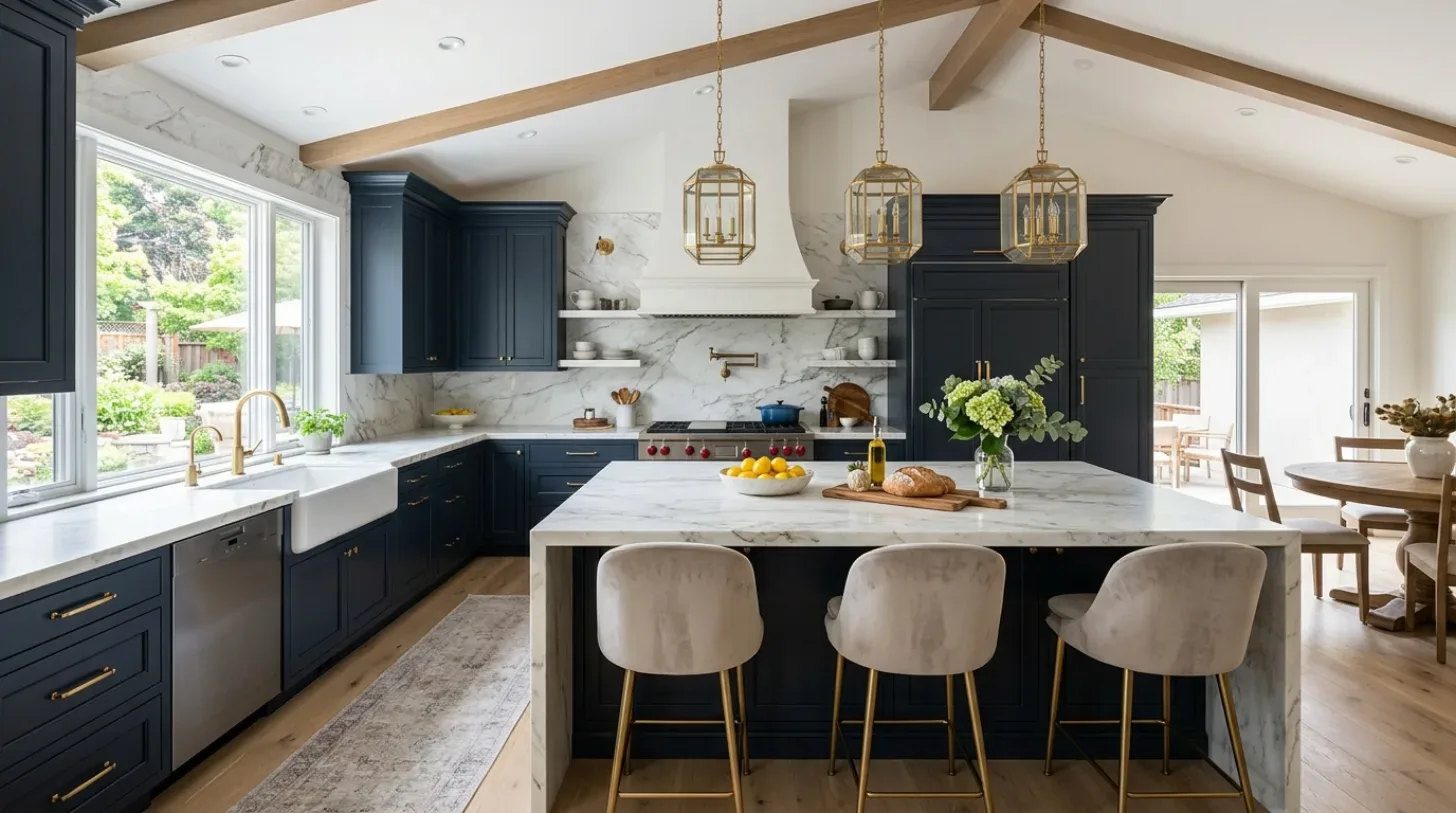
The first question homeowners ask is often about sizing. To ensure your Moroccan pendant fits the space, consider ceiling height and room function. For standard 8-foot ceilings, a pendant with a diameter of 10-14 inches works well over dining tables or kitchen islands. For higher ceilings, fixtures up to 20 inches can create a dramatic effect without overwhelming the room.
Placement is equally critical. Over a dining table, hang the fixture so that the bottom is about 30-36 inches above the surface. In living rooms or entryways, consider the fixture’s proximity to seating or focal points, ensuring it does not block sightlines or impede movement. When choosing a size, think about the overall proportion relative to furniture and architectural details. For example, a 12-inch pendant suits a 36-inch table, while larger fixtures complement open-plan areas with high ceilings.
To visualize, we often create mockups using painter’s tape on the ceiling and cardboard cutouts to simulate scale. This practical step prevents costly missteps, ensuring the fixture enhances rather than disrupts the space.
Custom vs Stock Moroccan Pendant Lights: What’s the Best Choice?
Many clients wonder whether to opt for custom-made Moroccan pendants or select from stock options. The first question we ask is about your design priorities. Custom fixtures, often sourced from local artisans or specialized workshops, offer unparalleled authenticity, unique detailing, and finishes tailored to your space. They typically cost more and have longer lead times, often several weeks to months, but provide a one-of-a-kind look that can elevate your interior.
Stock Moroccan pendants, available from online retailers or local importers, are generally more affordable, with shorter delivery times. They come in a range of styles, finishes, and sizes, suitable for projects with tighter budgets or quicker timelines. The quality varies, so look for reputable brands that specify handcrafted elements and authentic materials. When working within a budget, a well-chosen stock fixture can still deliver a warm, artisanal vibe if paired thoughtfully with other textured elements.
Ultimately, the choice depends on your desired level of authenticity, timeline, and budget. We recommend balancing the two approaches by selecting a high-quality stock piece that can be customized with subtle finishes or accessories for a personalized touch.
Will Moroccan Pendant Lights Fit Your Interior Style and Budget?
Many homeowners ask whether Moroccan pendant lights suit their interior themes and financial plans. The first decision revolves around style compatibility. These fixtures blend beautifully with eclectic, bohemian, global-inspired, and even traditional interiors. They add warmth and texture, especially when paired with natural fibers, woven textiles, and earthy color palettes.
Budget considerations are also key. Entry-level Moroccan pendants can start around $200 to $500 for smaller, mass-produced pieces, while handcrafted, artisan fixtures often range from $800 to over $2,000. Custom options from local artisans or specialized importers can reach higher prices but offer superior craftsmanship and authenticity. In Sacramento, where regional style often balances historic charm with contemporary updates, these fixtures can be a strategic investment, adding character and value without overwhelming the space.
Our advice is to start with a clear vision of your overall design scheme and budget. Then, select a fixture that complements your space’s scale and style, knowing that authentic Moroccan pendants are timeless when sourced thoughtfully.
Installation Tips and Maintenance for Moroccan Pendant Lights
Proper installation is crucial for safety and aesthetic appeal. The first step is to ensure your ceiling can support the fixture’s weight, especially for heavier brass or copper pieces. It’s best to work with a licensed electrician familiar with complex pendant mounting, particularly when incorporating dimmer switches or specialized wiring.
When installing, hang the fixture at the optimal height, typically about 30-36 inches above a table or counter surface. Use adjustable chains or rods to fine-tune the height and ensure the fixture is centered for balanced lighting. Regular maintenance involves cleaning with a soft cloth and gentle metal polish to preserve the finish. Be cautious with abrasive cleaners or harsh chemicals that can damage delicate metalwork or glass accents.
In Sacramento’s dry climate, ensure the fixture is protected from moisture and dust, which can tarnish metals over time. For fixtures with beaded or textile accents, occasional gentle dusting keeps the details vibrant. With proper care, Moroccan pendant lights can remain stunning focal points for decades, adding artisanal warmth to your home.
Observed Failure Modes, How Moroccan Pendant Light Goes Wrong
From our project debriefs and post-occupancy reviews, 2023-2026.
Overly Large or Small Fixtures
Choosing a fixture that is too large can overwhelm a space, making ceilings feel lower and interiors crowded. Conversely, a fixture too small may look insignificant and fail to add the intended impact. The mistake often stems from relying solely on visual intuition without considering room proportions. The cure is to measure the space carefully and create mockups with painter’s tape or cardboard cutouts, ensuring the fixture complements the room’s scale and architectural features. In Sacramento’s bright light, a well-proportioned fixture balances visual weight and ambiance without overpowering the space.
Ignoring Authentic Craftsmanship
Many opt for cheaper, mass-produced Moroccan-style fixtures that lack the artisanal details and authentic materials. These often read as imitative or cheap, undermining the fixture’s intended warmth. The solution involves sourcing fixtures from reputable artisans or brands that specify handcrafted metalwork and genuine finishes. Authenticity not only enhances visual appeal but also ensures durability and a timeless look that ages gracefully in Sacramento’s climate.
Poor Lighting Layering
Relying solely on a decorative pendant can result in flat, uninviting lighting. The first mistake is not layering ambient, task, and accent lighting. The cure is to incorporate dimmable layers and focus on task lighting beneath or around the fixture, enhancing both function and ambiance. Sacramento’s strong natural light during the day makes layered lighting especially important for creating cozy evenings and highlighting the fixture’s artisanal details.
Ignoring Ceiling Support and Wiring
Installing heavy fixtures without verifying ceiling support can lead to safety hazards or fixture damage. The mistake is skipping professional assessment of electrical load and structural support. The fix is to consult a licensed electrician early, especially for heavier brass or copper pendants. Proper mounting ensures longevity and safety, critical in older Sacramento homes with existing wiring or structural quirks.
Neglecting Regional Lighting Conditions
Sacramento’s abundant sunlight and warm climate influence how fixtures appear throughout the day. A fixture that looks perfect in a showroom may read differently in natural light. The lesson is to test fixtures in the actual space, ideally at different times of day, to ensure the colors and textures resonate with Sacramento’s bright, warm light. This avoids costly mismatches and guarantees the fixture enhances your interior ambiance.
What's Going Out for 2026
- Overly ornate or overly minimal fixtures
- Cheap plastic or synthetic finishes
- Fixtures that are too large or too small
- Ignoring authentic craftsmanship
- Poorly scaled or misplaced fixtures
- Lighting that doesn't layer properly
- Fixtures that clash with regional light
- Mass-produced imitations that lack texture
- Ignoring support and wiring requirements
- Choosing fixtures without considering the overall style
What Moroccan Pendant Light Costs in 2026
| Scope | Typical range |
|---|---|
| Entry-level, stock Moroccan pendant | $250-$550 |
| Mid-tier artisan or semi-custom | $1000-$2000 |
| High-end, fully custom artisan fixture | $2500-$7000 |
Working Notes
What We Have Learned Doing This: Moroccan pendant light: A Designer's Guide
“The drawings are a promise. Demolition is the truth.”
A renovation is a dependency chain, not a list of tasks. A two-day cabinet delay quietly becomes a two-week slip by week sixteen because every trade downstream is holding a calendar. The least glamorous part of this work, and the most valuable, is keeping that chain from cascading.
The cheapest tool on any project is a sample board and an afternoon. We have watched five-figure mistakes get caught by a fifteen-dollar paint sample lived with for a week in the actual light of the actual room. Decisions made under showroom lighting do not survive contact with a real house.
After enough projects you stop fearing bad taste and start fearing the boring things: delays, sequencing mistakes, moisture behind a wall, an electrician improvising, framing that is not where the drawings swear it is. The aesthetic part still matters, it is why anyone hires anyone, but execution decides whether the room ever gets built the way it was drawn.
These notes come from our own moroccan pendant light: a designer's guide project debriefs. Most were learned the expensive way the first time.
Sources & Professional References
This guide's positions on materials are grounded in published building-code, standards, and recognized design-authority sources, alongside Designed | Curated Interiors' verified credentials and active project files:
- American Society of Interior Designers (ASID): interior-design practice standards
- International Code Council (ICC): Chapter 8 Interior Finish Decorative Materials And Furnishings
- NKBA, Amy Kunst Member Profile (verified credential, NKBA Committee Member)
- Featured in: Homes & Gardens (design expert quote, May 2026) · Sacramento Love (guest author, 2024)
Frequently Asked
What makes Moroccan pendant lights a distinctive choice for interior decor?
How do I determine the right size of a Moroccan pendant light for my Sacramento home?
Are Moroccan pendant lights suitable for Sacramento’s climate and architectural style?
What materials are commonly used in authentic Moroccan pendant lights?
What should I consider when installing a Moroccan pendant light to avoid costly mistakes?
From Moroccan Pendant Light to a Real Room
A trend piece is the briefing document, not the deliverable. The pages below show how we translate these principles into finished rooms across Sacramento and the rest of Northern California.
- Sacramento & Bay Area Interior Design Services How we scope, source, and deliver work end to end.
- Interior Designer Hub, Sacramento Where most of our Sacramento work lives, the regional fit explained.
- Modern Tudor Homes: Authentic, Revival, and Neo-Tudor (A Designer Reference) Heritage-architecture renovation patterns from our project files.
- Japandi Living Room: A Designer's Guide to the 2026 Look The 2026 warm-neutral playbook applied to the living room.