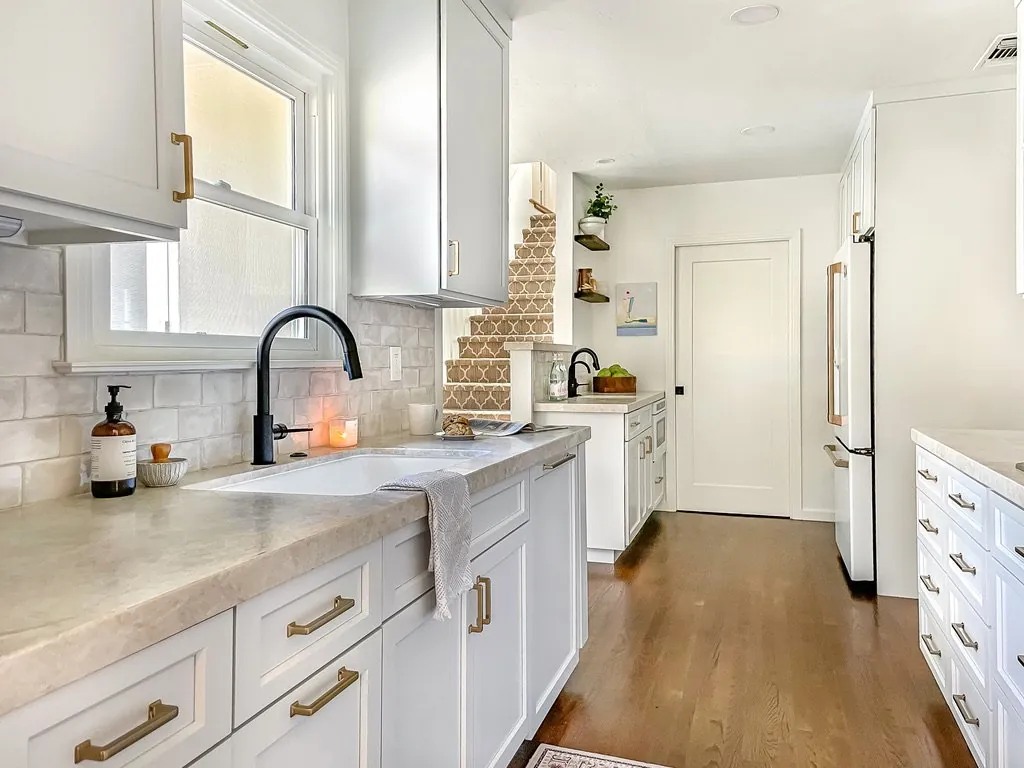
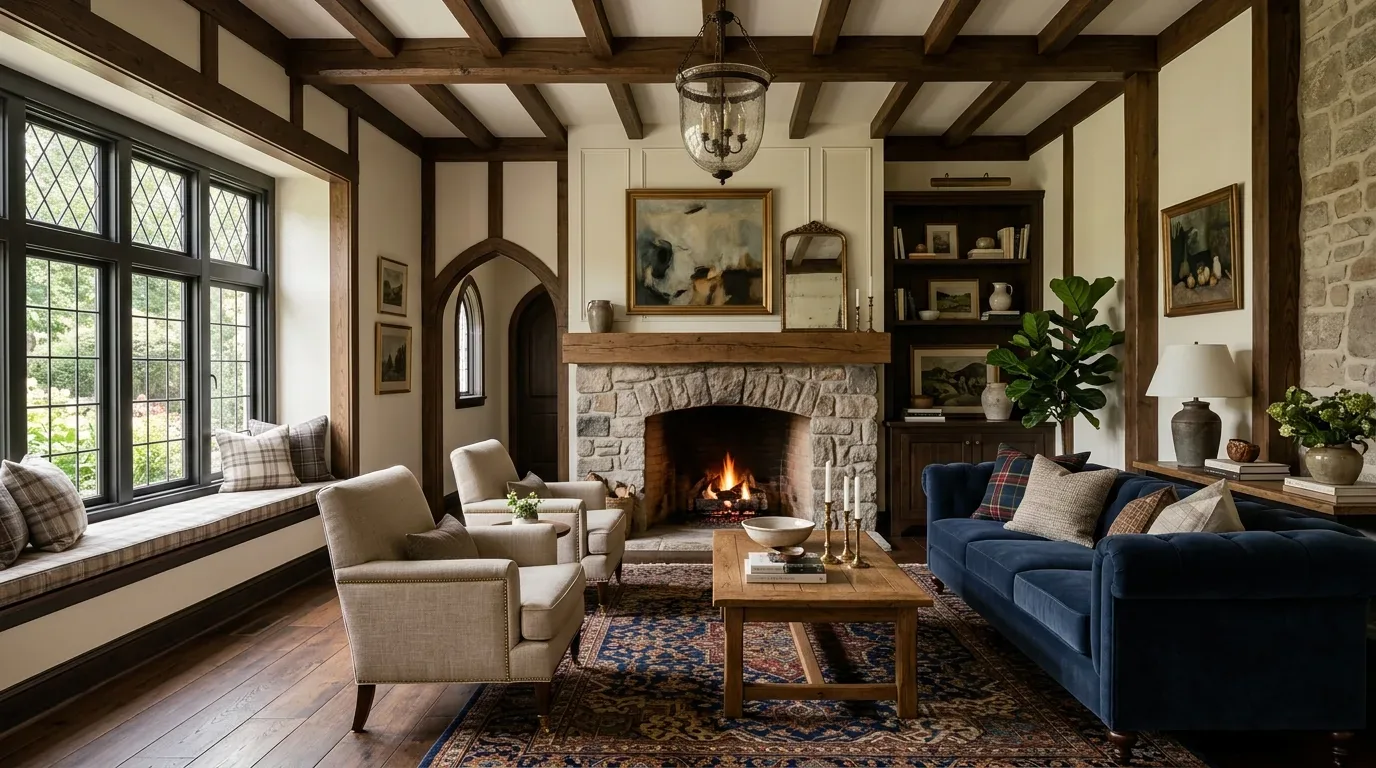
Tudor beauty works with modern touches. You've got fiber cement siding, matte hardware. Classic and current merged. This approach creates homes that feel both classic and fresh, aligning with 2026 design trends.
We dig into Tudor details, mixing modern design, focusing on color choices and material finishes from our projects. Check how open plans find harmony with Tudor character. Rugs and lights may surprise you. Respect history, but don't shy from modern comfort. A gentle update keeps warmth intact.
Common Questions
| What defines a modern Tudor home in Sacramento? | Mix fiber cement siding with Tudor staples. Sleek meets the old-world with careful choices. |
| How can I blend modern and traditional elements in a Tudor home? | Layer classic finds with modern pieces on a neutral base. Balance is key. |
| Are there specific materials recommended for modern Tudor updates? | Light cement siding, low-sheen paints. Maybe throw in reclaimed wood touches for a modern Tudor vibe. |
| When considering a remodel, should I update or rebuild my Tudor home? | Remodel on a budget? A smart facelift often avoids rebuild costs. Think it over. |
The First Major Design Move: Simplifying Tudor Details with Modern Materials
One of the most impactful ways to modernize a Tudor-style home while maintaining its charm is by rethinking the traditional timber and stone details. Across our active project specifications, we're seeing a trend toward using modern materials like fiber cement siding, reclaimed wood accents, and sleek metalwork that offer the authentic look of traditional Tudor elements but with a contemporary twist. For example, instead of heavy, dark-stained timber, we’re specifying light oak or painted MDF to keep the aesthetic light and fresh. Incorporating high-performance fiber cement sidings provides durability and a clean appearance that ages gracefully without the maintenance of traditional wood.
Keep the Tudor frame. Aim for clean lines. Minimalist style matches well. Go for low-gloss paint. Use nickel for drawer handles. For subtlety, try matte black. Grounded in history, designed for now. Simplicity with top materials wins.
Material Specificity in Modern Tudor Homes
Authenticity-grade materials
- Fiber cement siding, durable, low-maintenance, mimics traditional stucco or stone
- Reclaimed wood, adds authenticity with aged texture and warmth
- Matte black or brushed nickel hardware, modern finishes that contrast traditional timber
- Satin or low-sheen paint, updates traditional surfaces with a contemporary feel
- Natural stone veneer, lightweight, versatile, and timeless
- Steel or aluminum window casings, sleek, energy-efficient, and modern
- Ceramic or porcelain tile, refined and durable for floors and accents
- LED layered lighting, enhances architectural features while maintaining subtlety
Generic-grade tells we refuse to spec
- Standard vinyl siding, less authentic, lower quality
- Laminate or faux wood, less durable and less authentic
- Bright chrome fixtures, too modern for Tudor charm
- High-gloss paint, can feel cold and out of place
- Heavy, oversized stone, may feel heavy and outdated
- Plastic or cheap metal window frames, lack authenticity
- Cheap ceramic tiles, may crack or look cheap over time
- Basic incandescent lighting, less adaptable and less efficient
Should You Remodel or Rebuild Your Sacramento Tudor?
Updating an old Tudor or just starting fresh? Homeowners face tricky decisions. The first question we ask is what the homeowner’s goals are: are they seeking to modernize for comfort, improve energy efficiency, or preserve historic character? Full rebuild isn't always needed for modern appeal. Not so. Careful remodels can look sharp and cost less hassle and money. We use photos, permits, mockups. They show if the current structure can handle the updates or if tearing down walls is needed.
In projects like Golden Ridge Estates, clients thought only a total rebuild could modernize their homes. After checking it out, we saw that simple tweaks, new siding, up-to-date window casings, fresh interiors, fit their goals. Swap out heavy timber for fiber cement sidings. Paint it light. Update hardware. The look changes, but the home's layout stays. Look at what gives more back: keep the charm or rebuild it all? In Sacramento, land and history drive this choice. Not sure how to proceed? Hire a licensed expert next.
Choosing the Right Materials and Finishes for Modern Tudor Interiors
Selecting materials that honor the traditional Tudor aesthetic while feeling fresh and current is a nuanced task. We first ask clients: what's more important? Authenticity or simplicity? Go for materials like reclaimed wood, matte finishes, natural stone. They add warmth, they add texture. For example, across our active projects, we specify fiber cement siding with a smooth, painted finish and timber accents in light oak that balance historic references with contemporary restraint.
In interior spaces, the American Society of Interior Designers emphasizes the importance of layered lighting and subtle textures to create a cozy yet modern atmosphere. Mix Tudor trim with modern light. Use sleek furniture. It's about balance. Choose elements that suit Sacramento vibes.
Common Mistakes That Can Make a Modern Tudor Look Outdated or Cheap
One common mistake is overdoing ornamentation or using overly dark, heavy finishes that overwhelm the space. Don't pick cheap stuff. Cracks, fades. The home loses its charm. Big budget errors come from choosing faux-authentic materials that don't last. Replacing them hits hard. Regret skimping on lighting and hardware. That makes even good finishes look flat. Unplanned costs? Comes from not thinking about structural support or picking finishes that can't handle Sacramento weather. To skip these traps: go for quality, durable materials. Keep it simple. Less is more in traditional updates.
Observed Failure Modes We See in the Field
From our project debriefs and post-occupancy reviews, 2023-2026.
Over-ornamentation and Heavy Finishes
Homeowners often believe that adding more ornamentation or darker finishes will enhance the historic feel. This may date your home fast. The symptom is a space that feels oppressive or out of scale. Simplify. Go with light finishes. Match the home's scale. Mockups and site photos. They save money. Restrained colors, modern hardware. Fits Sacramento areas nicely.
Choosing Low-Quality Materials for Authentic Look
Many believe that cheaper, faux materials will save money, but they often crack or fade quickly, leading to ongoing repair costs. Looks cheap or mismatched? That's the issue. The solution is to specify materials with proven durability and authentic appearance, like fiber cement siding or reclaimed wood. Proper research and sample testing can prevent this mistake. Sacramento's weather varies. Quality matters over the years.
Ignoring Layered Lighting and Hardware
A common oversight is failing to layer lighting or select hardware that complements the new aesthetic. Feels flat. Missing character. Layered lighting and subtle contrasting hardware can fix this. Highlights architecture. It warms up and nods to history.
Neglecting Structural and Permitting Considerations
Homeowners often underestimate the importance of structural support and permit requirements. Plan carefully. Avoid expensive delays, avoid code issues. The first step is consulting local building codes, like those from Sacramento’s Community Development Department, and engaging professionals early. Proper assessment ensures that updates are compliant, durable, and safe, avoiding surprises that can derail a project or inflate costs.
What's Going Out for 2026
- Heavy ornamentation and excessive detailing
- Dark, old-fashioned finishes in modern spaces
- Cheap, faux materials that crack or fade
- Overly complex floor plans that clutter the home
- Ignoring natural light and layered lighting
- Large, obtrusive fixtures that dominate spaces
- Ignoring structural or permit requirements
- Over-personalized features that limit resale appeal
What This Costs in 2026
| Scope | Typical range |
|---|---|
| Refresh scope with new siding, hardware, and interior updates | $150K-$250K |
| Mid-tier renovation with custom millwork, expanded open plan, and high-end finishes | $300K-$500K |
| Estate-scale overhaul including foundation work, structural updates, and extensive design | $500K-$2M |
Working Notes
What We Have Learned Doing This: Modern Tudor Homes: Authentic, Revival, and Neo-Tudor (A Designer Reference)
“Site conditions vote last, and they always vote.”
A renovation is a dependency chain, not a list of tasks. A two-day cabinet delay quietly becomes a two-week slip by week sixteen because every trade downstream is holding a calendar. Stopping a chain reaction is key. Not flashy, but important.
Trust grows in boring chats. 'The wall's structural.' 'Numbers changed.' 'Schedule slipped.' Clients forgive reality. They do not forgive being surprised by it.
Think ten years ahead. Not just for the camera. Value lasts in quiet, solid work. Seems boring on install day.
These notes come from our own project debriefs. Most were learned the expensive way the first time.
Sources & Professional References
This guide's positions on materials are grounded in published building-code, standards, and recognized design-authority sources, alongside Designed | Curated Interiors' verified credentials and active project files:
- American Society of Interior Designers (ASID): interior-design practice standards
- International Code Council (ICC): Chapter 8 Interior Finish Decorative Materials And Furnishings
- NKBA, Amy Kunst Member Profile (verified credential, NKBA Committee Member)
- Featured in: Homes & Gardens (design expert quote, May 2026) · Sacramento Love (guest author, 2024)
From Principle to a Real Room
A trend piece is the briefing document, not the deliverable. The pages below show how we translate these principles into finished rooms across Sacramento and the rest of Northern California.
- Sacramento & Bay Area Interior Design Services How we scope, source, and deliver work end to end.
- Interior Designer Hub, Sacramento Where most of our Sacramento work lives, the regional fit explained.
- Modern Decor for Homes: A 2026 Designer Working Guide What modern home decor actually means in 2026: seven working principles (restraint, real materials, layered lighting, integrated millwork, s