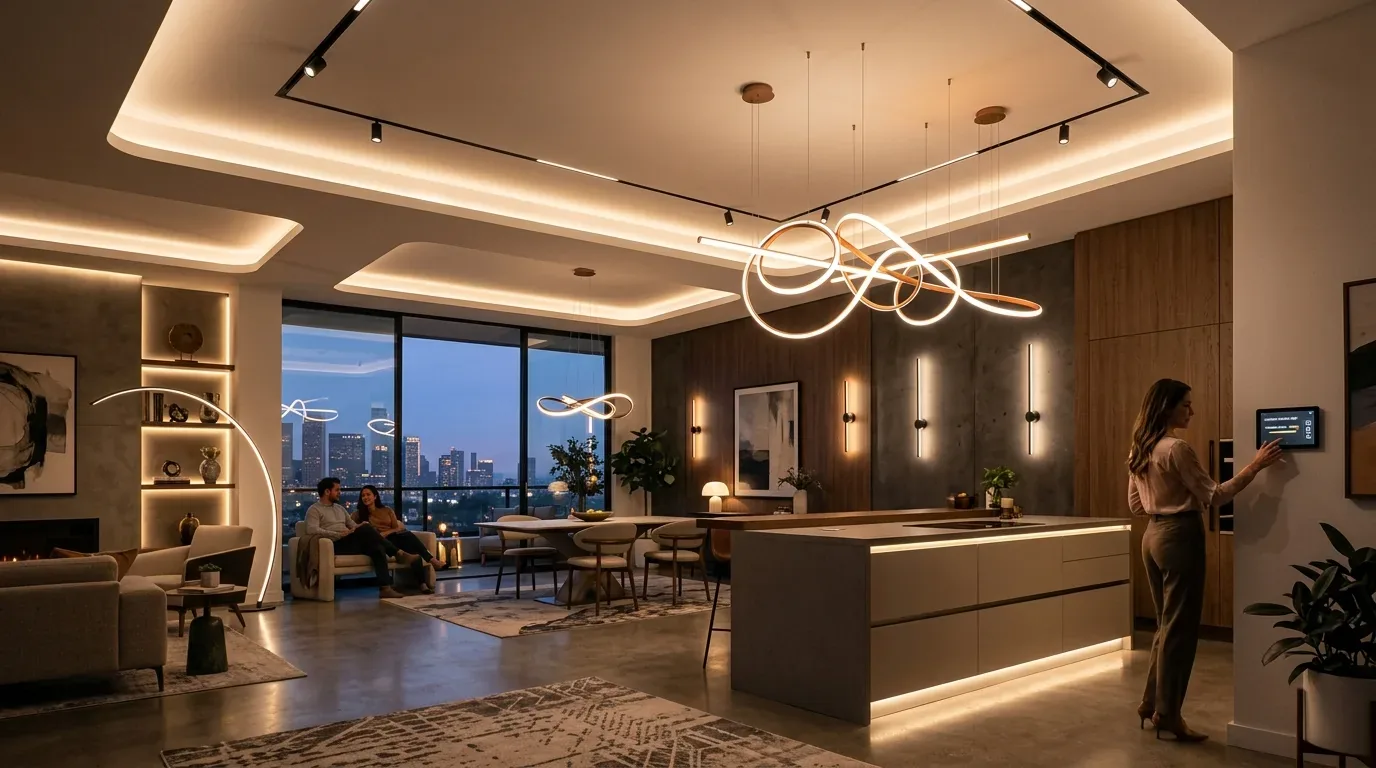
In 2026, think simple shapes with tech. Modern spaces will have sharp lines and smart features. Organic materials become big. Smart lights simplify everyday life.
2026 lighting is bringing in some fresh styles. Local styles, fresh materials, tech impacts, and colors will shape spaces. Sacramento's design shifts. Understanding these changes keeps your work looking fresh.
Common Questions
| What are the main modern lighting trends expected in 2026 for Sacramento homes? | Sacramento homeowners in 2026 will lean toward fixtures with sculpted metalwork—think organic curves and asymmetrical designs—paired with materials like reclaimed oak and FSC-certified bamboo for a grounded, textured look. Brushed brass and matte black finishes remain dominant, based on current regional demand for durable, low-maintenance surfaces that pair with both mid-century and transitional styles. |
| How will technology influence lighting designs in Sacramento in 2026? | App-controlled LED systems with tunable color temperatures will be standard, especially in open-concept spaces, where homeowners prioritize energy efficiency and seamless integration with smart-home setups. The Sacramento Municipal Utility District’s rebate program for LED upgrades—currently offering up to $150 per fixture—will drive adoption, though hardwired solutions still outperform plug-in options for long-term reliability. |
| What materials are popular for modern lighting fixtures in Sacramento in 2026? | Bamboo—specifically *Phyllostachys* varieties—is trending for its durability and warm grain, often used in pendant and table lamps alongside hand-thrown stoneware ceramics from local artisans like Marin Clayworks. These materials create tactile contrast against sleek finishes, which Sacramento clients associate with both modern and organic design vocabularies. |
| How can Sacramento homeowners ensure their lighting remains stylish over time? | Invest in fixtures with replaceable LED modules and solid metal frames—brushed brass and matte black powder-coated steel are proven performers in Sacramento’s climate, resisting humidity and dust buildup. Avoid trend-driven finishes like raw copper or glossy white, which show wear faster in high-traffic areas. The Crystal Cove Project proved that even a $1,389 LED overhaul can future-proof a space if you skip the wiring overhaul and focus on quality components. |
Emergence of Organic and Sculptural Lighting Forms
In 2026, modern lighting is moving toward designs that blend organic shapes with sculptural qualities, creating fixtures that serve as artful focal points. Across our active project specifications, we see a preference for fixtures crafted from natural materials like bamboo, textured ceramics, and matte metals. These materials feel warm. They balance modern minimalism.
Roll & Hill, Louis Poulsen, great brands. They make functional and sculptural lights. The finishes trending in 2026 include matte black, brushed brass, and muted metallic tones. Finishes like these fit organic shapes. They add a touch of style. Choose big statement fixtures. Keep colors simple but dynamic. We aim for lighting that matches the architecture and feels artistic.
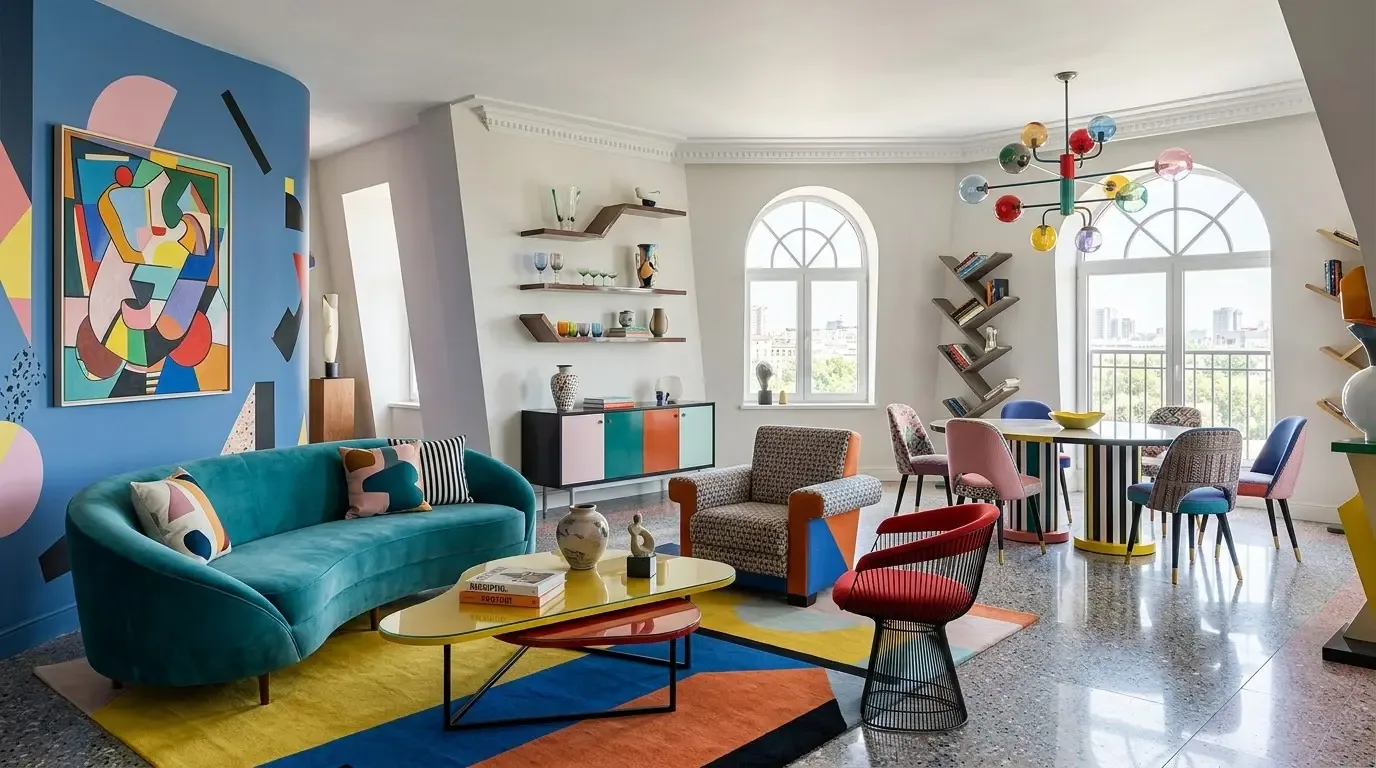
Material Specificity in Modern Lighting for 2026
Authenticity-grade materials
- Bamboo, sustainable, textured, and warm, ideal for fixtures seeking an organic feel
- Matte black metals, versatile, non-reflective, and modern in appearance
- Textured ceramics, tactile, durable, and adding visual interest in statement pieces
- Brushed brass, warm, muted metallic that pairs well with natural textures
- Reclaimed wood, eco-friendly, adding warmth and character
- Matte white finishes, soft, versatile, and easy to incorporate into various palettes
- Textured glass, diffuses light softly and adds a tactile layer
- Natural fiber cords, eco-friendly and visually appealing in minimalist designs
Generic-grade tells we refuse to spec
- Standard chrome finishes, overused and cold
- Plastic components, less durable and eco-friendly
- Polished metals, reflect glare and can feel sterile
- Glossy ceramics, prone to fingerprints and less textured
- Mass-produced fixtures, lack uniqueness and character
- Non-recyclable materials, environmentally unsustainable
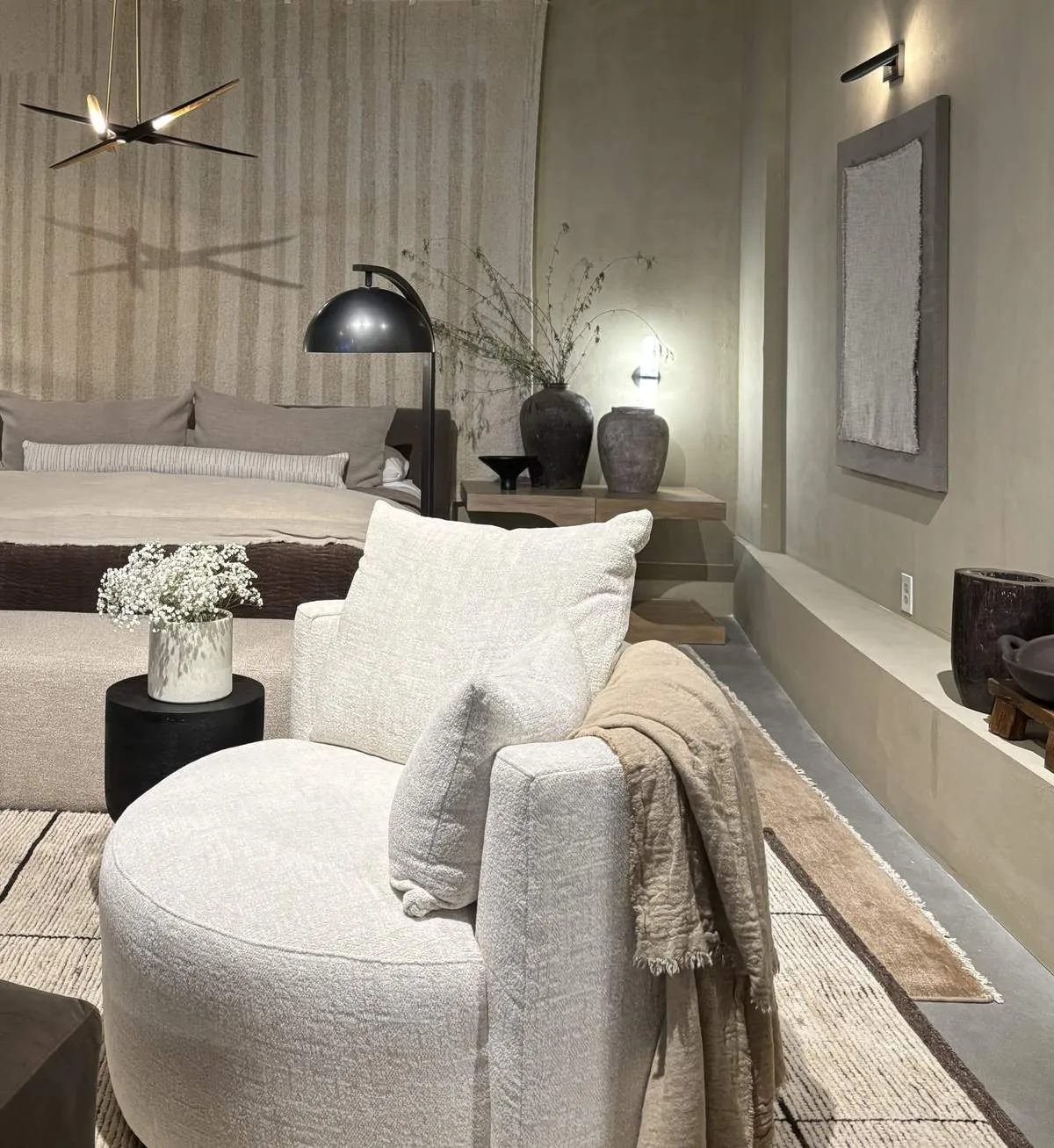
How to Choose Fixtures That Will Age Gracefully in 2026
The key decision homeowners face is selecting fixtures that remain stylish over time without becoming dated. First question: does it fit the room's style? Minimalism and sculptural forms rule 2026. Go for simple yet artistic fixtures.
Material choice matters. Matte black or brushed brass last. Warm tones help. Avoid finishes that date quickly. Pick timeless shapes and eco-friendly stuff.
Sacramento projects need layered lighting for future shifts. Sculptural fixture now, subtle lights later. Flexible lighting plans last longer.
Sizing and Specification Guide for 2026 Lighting Fixtures
Choosing the right size and specification for fixtures is essential for both style and function. Chandeliers? 24-30 inches for a 36-inch table. A 36-inch fixture works for 48-inch tables. In Sacramento homes with 9-12 foot ceilings, hang chandeliers 30-36 inches above the table.
2026 kitchens? Smart LEDs are it. Color temp and dimming, now the norm. Make range hoods 3 inches wider than the cooktop. Adjust for room size and cooking style. Always consult local building permit guidelines to ensure compliance.
Should You Opt for Custom or Stock Lighting in 2026?
Choosing between custom and off-the-shelf fixtures? Comes down to budget and goals. Wayfair or local stores have budget fixtures. $2K-$5K usually fits Sacramento homes. Mass-produced options just don't have high-end character or material choice.
Custom fixtures from Roll & Hill or local artisans? Think $8K to start. High-end easily $20K and up. Lead times run 8 to 16 weeks. You'll see how the result fits the room's shapes and textures. High-value Sacramento homes really benefit from a standout custom fixture. Brings character. Can help with resale value.
The Balance Between Trend and Timeless in 2026 Lighting
Homeowners often ask whether to embrace bold, trend-forward fixtures or stick with classic, timeless designs. First question: how long will this fixture last here? In 2026, think sculptural forms and finishes that adapt. They stand out but don't take over.
Sacramento's architecture? Old meets new. Go trendy but with staying power. A simple geometric shape in brushed brass? Current now, likely still stylish in a decade. Go for flexible design and durable materials. They age gracefully, keeping their investment value.
Observed Failure Modes We See in the Field
From our project debriefs and post-occupancy reviews, 2023-2026.
Overly Ornate Fixtures
Many Sacramento homeowners and designers fall into the trap of selecting fixtures that are excessively ornate, thinking they add luxury. Fixtures date a room fast or distract from the architecture. Choose minimalist, sculptural forms. They age well and match the area's style. Too much ornamentation isn't elegant. Can mean costly redos.
Ignoring Layered Lighting
Another common mistake is relying solely on a single overhead fixture, which can cause glare and flat color rendering. Uneven light messes up balance. Bright spots, dark corners. Create layers with lighting. It's like adding interest and dimension. Use task, accent, and ambient lights. No glare with layered lighting in Sacramento's bright sun; colors stay rich.
Choosing Fixtures Without Considering Material Aging
Homeowners often select fixtures based on initial appearance without considering how materials will age. Fixtures start looking dated fast. A few short years, really. Go for matte metals and textured ceramics. They handle Sacramento's wear and tear. Avoid constant replacements. Quality now saves you hassle later.
Overlooking Fixture Size and Scale
Inappropriate fixture sizing can make a space feel unbalanced or cramped. Notice fixtures sized wrong? Too big or small kills room balance. Size fixtures based on tables and ceilings. Measure first to fit well. In 2026, smart fixtures with adjustable features are helping to fine-tune scale and ambiance more easily.
Neglecting Local Light Conditions
Sacramento’s bright, warm light environment can cause fixtures to appear different than intended. The symptom is fixtures that look cold or washed out here but work elsewhere. The answer is to choose warm color temperatures and matte finishes that absorb glare and complement the regional landscape. Local experience shows that fixtures that respect Sacramento’s light environment stay relevant longer.
What's Going Out for 2026
- Overly decorative or ornate fixtures
- Cold, stark color schemes
- Traditional incandescent systems
- Mass-produced fixtures lacking character
- Cluttered lighting arrangements
- Low-tech, non-smart lighting solutions
- Unsustainable, non-recyclable materials
- Inflexible lighting controls
- Dark, monochromatic color palettes
What This Costs in 2026
| Scope | Typical range |
|---|---|
| Refresh scope: Install new fixtures and controls | $6K - $15K |
| Mid-tier scope: Custom fixtures, layered lighting plan | $20K - $50K |
| Estate-scale: Design-build custom lighting and integrated systems | $75K - $200K |
Working Notes
What We Have Learned Doing This: Modern Lighting Trends 2026: A Designer's Guide to the 2026 Look
“Run the panel-load math at design time, not at inspection time. Assumptions are expensive.”
Run the panel-load math at design time. Finding out the service cannot carry the plan after the walls are closed is the expensive way to learn it.
Specify for the next ten years, not the next photo shoot. The work that holds its value is quiet, well made, and a little bit boring on the day it is installed.
The cheapest tool on any project is a sample board and an afternoon. We have watched five-figure mistakes get caught by a fifteen-dollar paint sample lived with for a week in the actual light of the actual room. Showroom lighting is nothing like what you get at home.
Buy what takes longest to arrive first. Plan so the project flows without delays from those items. The appliance, the stone, the custom millwork set the schedule, and pretending otherwise is how a project loses a month it never gets back.
These notes come from our own project debriefs. Most were learned the expensive way the first time.
Sources & Professional References
This guide's positions on permits are grounded in published building-code, standards, and recognized design-authority sources, alongside Designed | Curated Interiors' verified credentials and active project files:
- International Code Council (ICC): Careers In Code Enforcement
- International Code Council (ICC): Chapter 17 Special Inspections And Tests
- NKBA, Amy Kunst Member Profile (verified credential, NKBA Committee Member)
- Featured in: Homes & Gardens (design expert quote, May 2026) · Sacramento Love (guest author, 2024)
From Principle to a Real Room
A trend piece is the briefing document, not the deliverable. The pages below show how we translate these principles into finished rooms across Sacramento and the rest of Northern California.
- Sacramento & Bay Area Interior Design Services How we scope, source, and deliver work end to end.
- Interior Designer Hub, Sacramento Where most of our Sacramento work lives, the regional fit explained.
- The Future of Kitchen Design in Sacramento | Modern Home Trends Explore the future of kitchen design in sacramento. Discover...