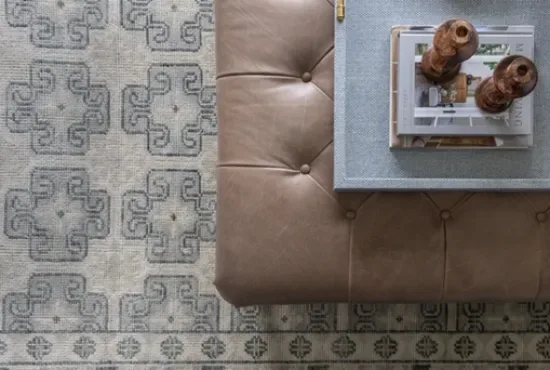
Modern gothic interior design blends the dramatic, ornate elements of traditional gothic style with sleek, contemporary touches, creating spaces that are both timeless and fresh. If you’re wondering how to incorporate modern elements into a gothic-inspired interior without losing its essence, the answer lies in understanding the core characteristics and balancing them thoughtfully. Modern gothic interior design embraces contrast, clean lines, and subtle textures while maintaining a sense of drama and mystery.
Built from our active project files, this guide explores how to achieve a modern gothic look that feels both current and rooted in history. We cover defining characteristics, material choices, lighting techniques, regional considerations in Sacramento, and how to avoid common pitfalls, helping you create a space that is sophisticated, balanced, and uniquely yours.
Direct Answers (Modern Gothic Interior Design)
| What is modern gothic interior design? | Modern gothic interior design blends traditional gothic elements with sleek, contemporary touches, emphasizing contrast, clean lines, and subtle textures while maintaining drama and mystery. |
| How can I incorporate modern elements into a gothic-inspired interior? | Start with gothic architectural features like pointed arches and textured surfaces, then add modern furniture and fixtures with minimalist lines and matte finishes to create a balanced look. |
| What materials are commonly used in modern gothic interiors? | Materials like matte black metal accents, dark stone surfaces such as soapstone or matte marble, and tactile finishes are favored for adding richness and texture. |
| Are there regional considerations for modern gothic interior design in Sacramento? | Yes, Sacramento’s natural light and architectural landscape, including high ceilings and large windows, influence how gothic elements are balanced with modern design for a regionally appropriate look. |
Key Design Move: Balancing Gothic Drama with Modern Restraint
Integrating modern furniture into a gothic-inspired space begins with understanding the essential architectural features that define gothic style, such as pointed arches, ornate moldings, and dark, textured surfaces. Our approach across active project specifications emphasizes selecting sleek, minimalist furniture that complements traditional gothic elements rather than competing with them. For example, pairing a handcrafted, dark walnut bed with a simple, modern platform frame creates a striking yet balanced focal point.
One of the most effective ways to achieve this balance is through the use of materials and finishes. We often specify matte black metal accents combined with smooth, dark stone surfaces like soapstone or matte marble. The American Society of Interior Designers emphasizes the importance of texture in creating depth, which is why we favor tactile finishes that add richness without overwhelming the space. Lighting also plays a critical role, with fixtures that combine gothic-inspired silhouettes with modern LED technology, creating ambiance without excess ornamentation.
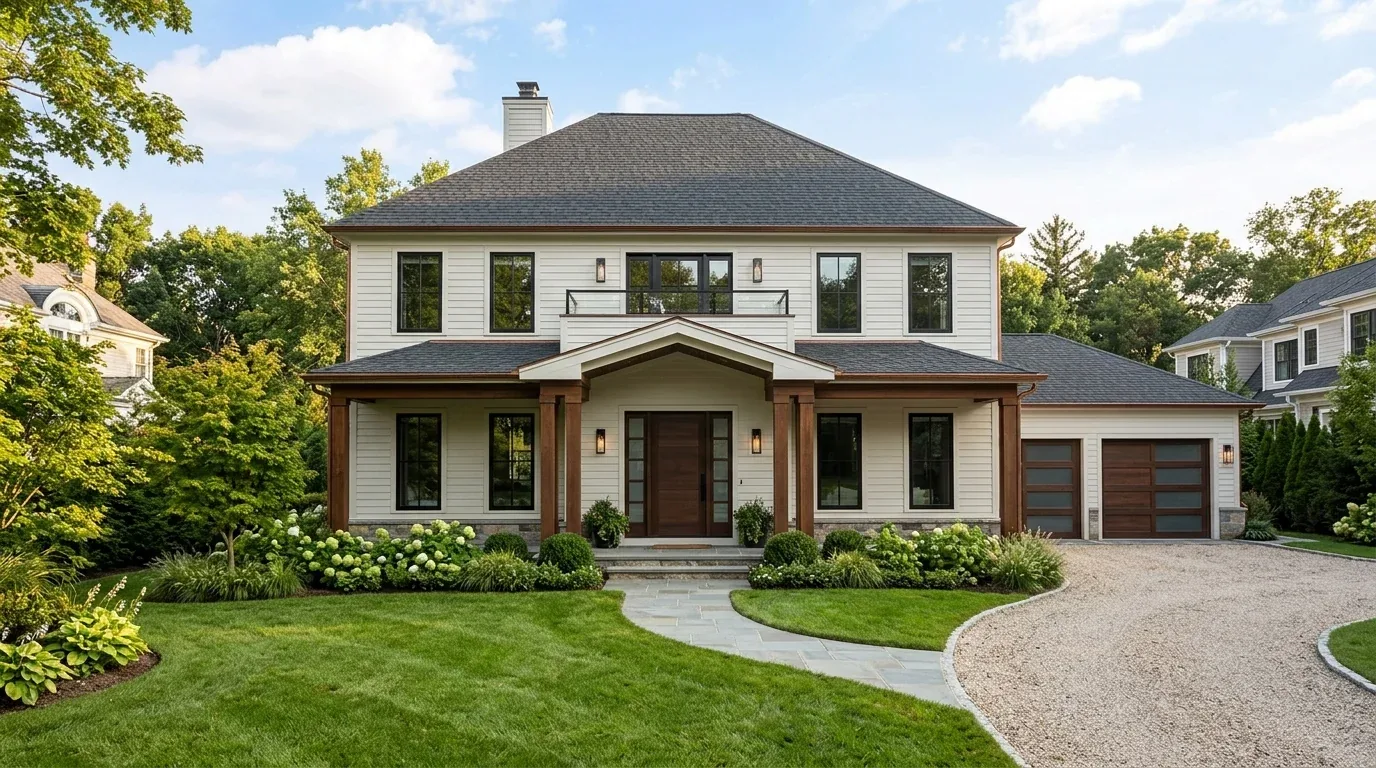
Material Specificity: Essential Textures and Finishes
Authenticity-grade materials
- Rift-sawn White oak, for floors and slat details; calmer grain than plain-sawn
- Matte black metal, for fixtures, hardware, and accents to add modern contrast
- Soapstone or matte marble, for countertops and fireplace surrounds, offering rich textures
- Velvet or textured fabrics, for upholstery, adding depth and softness
- Dark stained hardwoods, for cabinetry and millwork, grounding the space
- Textured plaster or matte wall finishes, for walls that evoke gothic texture without gloss
- Industrial-inspired lighting fixtures, combining gothic silhouettes with modern LED technology
- Brushed or matte metal hardware, for a subtle, sophisticated finish
Generic-grade tells we refuse to spec
- Laminates or low-cost veneers, often look cheap next to authentic textures
- High-gloss finishes, clash with the matte and textured aesthetic of modern gothic
- Bright, synthetic fabrics, lack depth and richness
- Plastic or overly shiny metals, undermine the authenticity of gothic elements
- Standard white drywall, misses the textured, aged look
- Mass-produced decorative moldings, lack the craftsmanship of custom millwork

How to Select Fixtures and Features for a Modern Gothic Interior
The homeowner's real question is often about choosing the right fixtures, such as range hoods, vanities, and lighting, that embody modern gothic style without veering into over-the-top ornamentation. The first question we ask is: what is the scale and proportion that suits the space? For example, a 36-inch range fits better in a standard kitchen, while a larger 48-inch range may require higher ceilings and more robust ventilation. When selecting fixtures, opting for matte black or dark bronze finishes can evoke gothic moodiness, while sleek, modern hardware keeps the look fresh and current.
In terms of sizing and specifications, we recommend considering the CFM for range hoods, which should be at least 300 CFM for 36-inch ranges and proportionally more for larger appliances. For vanities, a width of 48 inches balances ample storage with spatial harmony in most primary bathrooms. When choosing between stock and custom options, the American Institute of Architects highlights that custom pieces often better serve gothic interiors for their unique detailing but come with higher costs and longer lead times. For homeowners in Sacramento, understanding these nuances helps ensure their investment enhances both style and functionality.
Balancing Dramatic Elements with Modern Minimalism
Many homeowners struggle with maintaining the drama of gothic design while avoiding a space that feels oppressive or overly ornate. The key is to focus on a restrained palette and clean lines. The first question we ask is: how much ornamentation is enough? Our approach involves selecting bold architectural features, like pointed arches or vaulted ceilings, and tempering them with minimalist furniture and subtle textures. For example, pairing a dark, textured wall with sleek, low-profile seating creates a sense of balance.
In our Sacramento projects, we emphasize the importance of lighting to highlight key features without overwhelming the space. Modern LED fixtures with gothic-inspired silhouettes can provide the necessary ambiance while maintaining a contemporary feel. The goal is to create a space that feels intentionally balanced, where the gothic elements serve as focal points rather than overwhelming the room. This restraint ensures a timeless appeal that will remain stylish for years to come.
Common Mistakes That Make Modern Gothic Interiors Look Cheap or Dated
One of the most frequent errors we see is overusing high-gloss finishes that clash with the textured, matte surfaces typical of gothic design. This creates a disjointed look that can feel cheap. Another mistake is selecting overly ornate or mass-produced moldings that lack craftsmanship, which undermines the authenticity of gothic elements. Lastly, installing too many contrasting patterns or colors can make the space feel chaotic rather than cohesive. To avoid these pitfalls, focus on quality materials and subtle contrasts, ensuring each element supports the overall design narrative.
What's Going Out for 2026
- Overly shiny or plastic finishes
- Excessive ornamentation that overwhelms space
- Bright, pastel color schemes
- Mass-produced gothic moldings
- Heavy use of synthetic fabrics
- Overly ornate, traditional furniture
- Cluttered, busy decorative elements
- High-gloss wall finishes
- Unbalanced lighting with no focal points
- Mixing styles without cohesion
What Modern Gothic Interior Design Costs in 2026
| Scope | Typical range |
|---|---|
| Refresh scope with modern gothic touches | $20K-$50K |
| Mid-tier renovation with custom fixtures | $50K-$150K |
| Estate-scale transformation | $150K-$400K |
Working Notes
What We Have Learned Doing This: Modern Gothic Interior Design
“Site conditions vote last, and they always vote.”
The cheapest tool on any project is a sample board and an afternoon. We have watched five-figure mistakes get caught by a fifteen-dollar paint sample lived with for a week in the actual light of the actual room. Decisions made under showroom lighting do not survive contact with a real house.
Old houses lie, and so do new ones. Even a ten-year-old house lies the moment you assume the framing sits where the plans say. We stopped trusting old drawings, prior contractor work, and the phrase it should be fine a long time ago. The budget needs a real line for what demolition will uncover, usually 15 to 20 percent once walls start opening.
Most of the money that gets wasted is spent solving the wrong problem confidently. A homeowner asks for more space, every contractor agrees and prices an addition, and the real issue turns out to be light, or proportion, or one bad sightline. We make the room tell us the problem before anyone signs a demolition contract.
These notes come from our own modern gothic interior design project debriefs. Most were learned the expensive way the first time.
Sources & Professional References
This guide's positions on materials are grounded in published building-code, standards, and recognized design-authority sources, alongside Designed | Curated Interiors' verified credentials and active project files:
- American Society of Interior Designers (ASID): interior-design practice standards
- International Code Council (ICC): Chapter 8 Interior Finish Decorative Materials And Furnishings
- NKBA, Amy Kunst Member Profile (verified credential, NKBA Committee Member)
- Featured in: Homes & Gardens (design expert quote, May 2026) · Sacramento Love (guest author, 2024)
Frequently Asked
What is modern gothic interior design?
How can I incorporate modern elements into a gothic-inspired interior?
What materials are commonly used in modern gothic interiors?
Are there regional considerations for modern gothic interior design in Sacramento?
How do I choose fixtures that suit a modern gothic style?
From Modern Gothic Interior Design to a Real Room
A trend piece is the briefing document, not the deliverable. The pages below show how we translate these principles into finished rooms across Sacramento and the rest of Northern California.
- Sacramento & Bay Area Interior Design Services How we scope, source, and deliver work end to end.
- Interior Designer Hub, Sacramento Where most of our Sacramento work lives, the regional fit explained.
- Modern Tudor Homes: Authentic, Revival, and Neo-Tudor (A Designer Reference) Heritage-architecture renovation patterns from our project files.
- Japandi Living Room: A Designer's Guide to the 2026 Look The 2026 warm-neutral playbook applied to the living room.