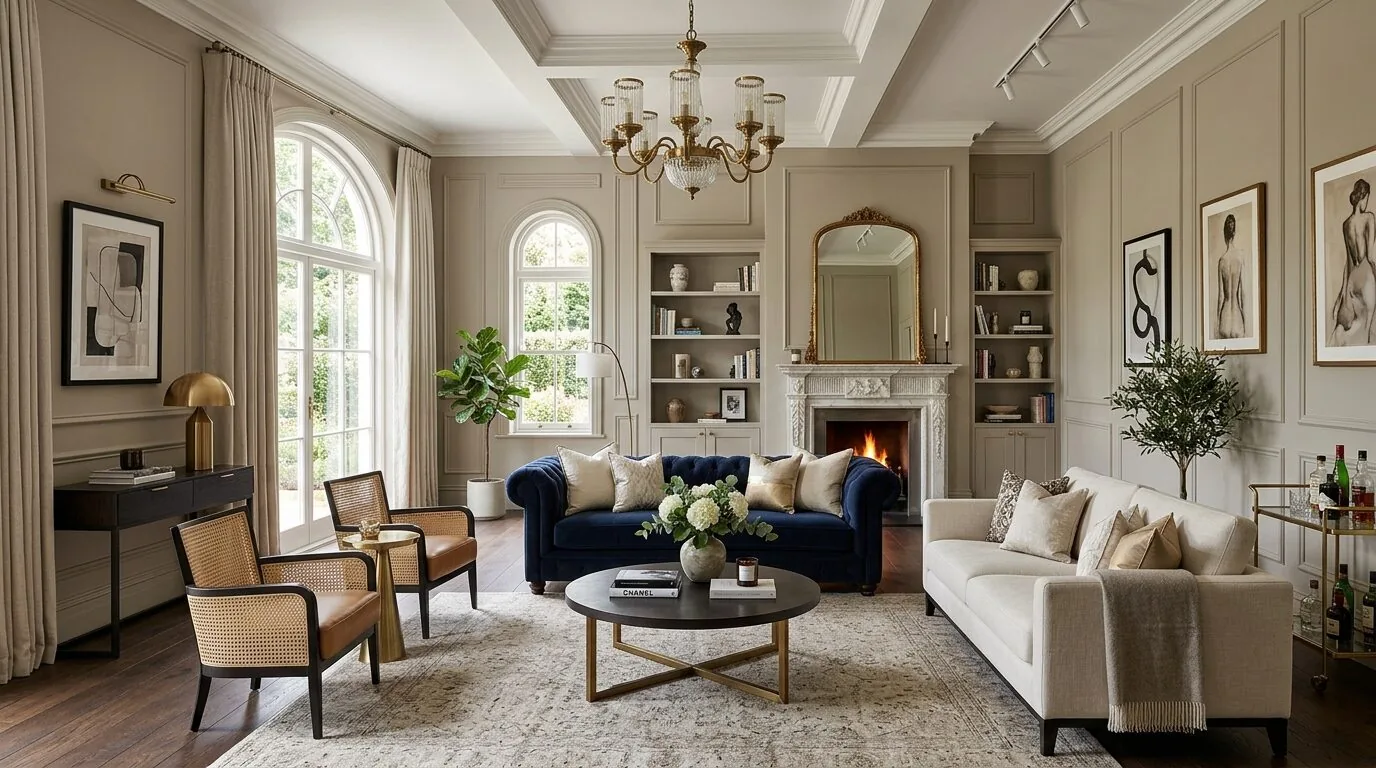
In 2026, modern classic interior design in Sacramento is predicted to blend timeless elegance with subtle contemporary updates, emphasizing warmth, restraint, and refined details. The key takeaway is that modern classic style will evolve to incorporate smarter technology and sustainable materials, all while maintaining its core sense of understated luxury. Bold yet restrained, the 2026 modern classic interior balances tradition with innovation.
Built from our active project files, this post explores the anticipated color palettes, furniture styles, material trends, and integration of smart home features for 2026. We’ll also compare the key differences from current styles, offer guidance on planning ahead, and share expert insights on how this style suits the Sacramento environment, especially within its historic neighborhoods and landscape.
Common Questions
| What will define modern classic interior design in Sacramento by 2026? | The style will prioritize clean lines and neutral palettes—think warm whites, soft grays, and muted earth tones—paired with high-quality materials like reclaimed oak and honed marble, which are already staples in Northern California’s high-end residential projects. |
| How will modern classic interiors adapt to current design demands in 2026? | Expect built-in smart lighting and integrated charging stations as standard, alongside locally sourced materials like FSC-certified wood and recycled metal finishes, which align with Sacramento’s growing focus on durability and low maintenance. |
| Which materials will lead modern classic trends in Sacramento next year? | Matte black hardware, veined quartz countertops, and linen-blend upholstery are already rising in Marin and Sacramento County projects, offering durability without sacrificing the understated sophistication of the style. |
| Why does modern classic work in Sacramento’s historic neighborhoods? | It respects original crown molding and hardwood floors while adding open shelving and minimalist millwork—exactly how we’ve refreshed a 1920s Craftsman in Midtown without altering its bones. |
The Rise of Restraint: Embracing Subtle Elegance in 2026
In 2026, modern classic interiors are moving toward a more restrained and sophisticated aesthetic, emphasizing quality over quantity. Across our active project specifications, this means choosing furniture with clean lines that nod to traditional silhouettes but are crafted with modern craftsmanship. Think refined wood finishes, soft curves, and understated hardware. Brands like Schumacher and Kravet are leading the way in offering textiles that blend classic patterns with contemporary palettes, adding depth without overwhelming the space.
This shift reflects a broader cultural desire for calm, comfort, and sustainability. The focus is on creating spaces that feel curated and timeless, not trendy or cluttered. Materials like matte brass, natural stone, and textured fabrics will dominate, offering tactile richness while maintaining a sense of restraint. The design move is about balancing the familiar with the innovative, ensuring that each piece contributes to a cohesive, elegant whole rather than competing for attention.
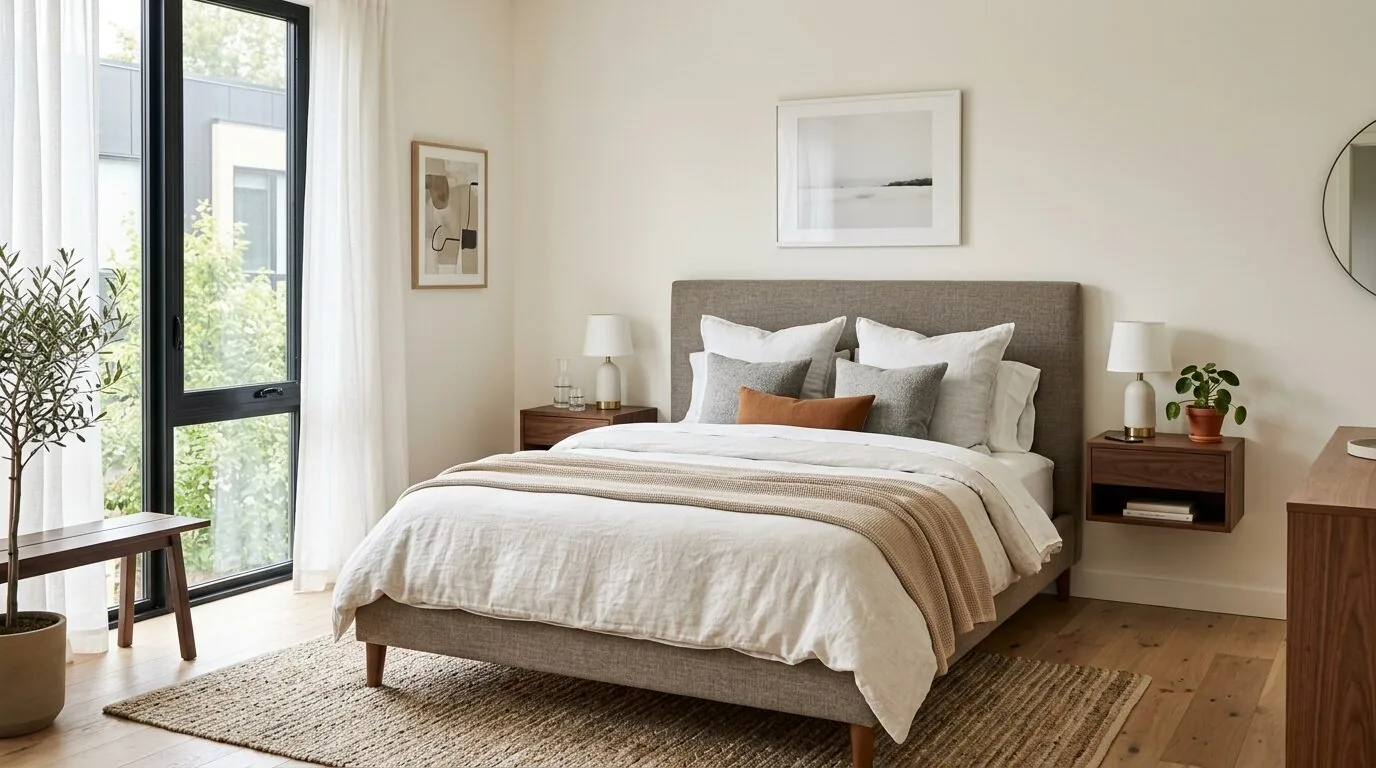
Material Specificity: The Authentic and the Generic in 2026
Authenticity-grade materials
- White oak (rift-sawn), for floors and slat detail; calmer grain than plain-sawn
- Limestone or travertine, for countertops and accents; natural, warm tones
- Brass or matte black hardware, for fixtures and accents; understated yet durable
- Velvet or linen fabrics, for upholstery and window treatments; soft, textured, and sustainable
- Reclaimed wood, for furniture accents; environmentally friendly with rich character
- Silk or wool rugs, for layered texture and warmth; classic yet resilient
- Ceramic tile with matte finish, for backsplashes and flooring; low-maintenance and subtle
- Natural cork or cork veneer, for acoustic and design details; sustainable and warm
Generic-grade tells we refuse to spec
- High-gloss or overly shiny finishes, tend to feel cold and dated
- Synthetic or plastic laminates, lack authenticity and longevity
- Bright, neon-like paint colors, clash with the restrained palette
- Overly thick or bulky hardware, disrupt clean lines
- Cheap faux textiles, quickly show wear and diminish quality
- Carpet with high pile, difficult to clean and less durable
- Plastic or vinyl flooring, less sustainable and less refined
- Mass-produced furniture with no craftsmanship, lack character and durability
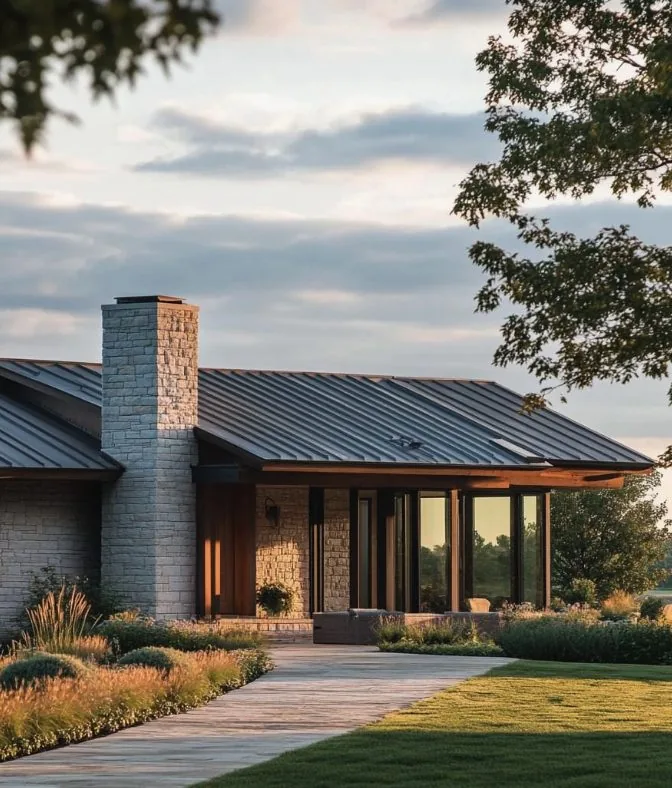
Should You Remodel or Rebuild in Sacramento for 2026?
The first question many homeowners face is whether to remodel extensively or consider rebuilding. In Sacramento, where many homes are older and have good bones, the decision hinges on structural integrity, existing layout, and long-term value. If a home has foundational issues or a layout that no longer suits modern living, rebuilding might seem appealing. However, extensive remodels can often achieve the desired update if the character is worth preserving.
Understanding the scope and potential permit requirements is critical. Using tools like a laser level and reviewing permit guidelines from the local building department helps clarify the feasibility. In several recent projects, we’ve found that subtle interior updates, like new millwork, refined palettes, and thoughtful lighting, can modernize a home without the expense and disruption of a rebuild. The real goal is aligning the project scope with the homeowner’s long-term vision and budget.
How to Incorporate Smart Home Features into a 2026 Modern Classic Interior
Smart home technology in 2026 is designed to be unobtrusive, blending seamlessly with the refined aesthetic of modern classic interiors. The first question we ask clients is how integrated they want their technology to be. The goal is to enhance comfort and efficiency without compromising the classic look. For example, smart lighting systems like Lutron Caséta can be hidden behind traditional switch covers, while climate controls are integrated into discreet wall panels.
In recent projects, we’ve installed smart shades, hidden speakers, and automated thermostats that maintain the space’s understated elegance. The American Society of Interior Designers emphasizes choosing technology that complements the material palette, ensuring it stays hidden while performing well. Proper planning during design development ensures that wiring and infrastructure are discreetly incorporated, preserving the timeless feel of the space while adding modern convenience.
What This Costs in 2026
| Scope | Typical range |
|---|---|
| Refresh scope including new paint, textiles, and hardware | $30K-$70K |
| Mid-tier renovation with custom millwork, premium finishes, and integrated tech | $75K-$200K |
| Estate-scale overhaul with structural updates, full custom cabinetry, and high-end finishes | $200K-$1M |
Working Notes
What We Have Learned Doing This: Modern Classic Interior Design: A Designer's Guide to the 2026 Look
“A decision made late costs three times the same decision made early.”
The cheapest tool on any project is a sample board and an afternoon. We have watched five-figure mistakes get caught by a fifteen-dollar paint sample lived with for a week in the actual light of the actual room. Decisions made under showroom lighting do not survive contact with a real house.
Old houses lie, and so do new ones. Even a ten-year-old house lies the moment you assume the framing sits where the plans say. We stopped trusting old drawings, prior contractor work, and the phrase it should be fine a long time ago. The budget needs a real line for what demolition will uncover, usually 15 to 20 percent once walls start opening.
After enough projects you stop fearing bad taste and start fearing the boring things: delays, sequencing mistakes, moisture behind a wall, an electrician improvising, framing that is not where the drawings swear it is. The aesthetic part still matters, it is why anyone hires anyone, but execution decides whether the room ever gets built the way it was drawn.
These notes come from our own project debriefs. Most were learned the expensive way the first time.
Sources & Professional References
This guide's positions on materials are grounded in published building-code, standards, and recognized design-authority sources, alongside Designed | Curated Interiors' verified credentials and active project files:
- American Society of Interior Designers (ASID): interior-design practice standards
- International Code Council (ICC): Chapter 8 Interior Finish Decorative Materials And Furnishings
- NKBA, Amy Kunst Member Profile (verified credential, NKBA Committee Member)
- Featured in: Homes & Gardens (design expert quote, May 2026) · Sacramento Love (guest author, 2024)
From Principle to a Real Room
A trend piece is the briefing document, not the deliverable. The pages below show how we translate these principles into finished rooms across Sacramento and the rest of Northern California.
- Sacramento & Bay Area Interior Design Services How we scope, source, and deliver work end to end.
- Interior Designer Hub, Sacramento Where most of our Sacramento work lives, the regional fit explained.
- Modern Tudor Homes: Authentic, Revival, and Neo-Tudor (A Designer Reference) Heritage-architecture renovation patterns from our project files.
- Japandi Living Room: A Designer's Guide to the 2026 Look The 2026 warm-neutral playbook applied to the living room.