
In Los Altos, managing interior design projects while adhering to local construction noise regulations is essential to avoid costly penalties and delays. The key is understanding the specific permitted hours, decibel limits, and how to plan work schedules accordingly. Los Altos’s noise regulations are designed to balance construction activity with community peace, requiring careful planning.
Built from our active project files, this guide will clarify the permitted hours for construction, explain how to stay within decibel limits, and provide strategic tips for integrating noise compliance into your project timeline. As designers committed to thoughtful, respectful renovations, we focus on practical strategies that help clients navigate these rules confidently, ensuring smooth project execution without sacrificing quality or compliance.
Direct Answers (Los Altos Construction Noise Regulations)
| What are the construction noise regulations in Los Altos? | Los Altos requires construction activities to be scheduled within permitted hours, typically 8 am to 6 pm on weekdays, to minimize community disturbance. |
| When can I perform noisy construction work in Los Altos? | Noisy work is generally allowed between 8 am and 6 pm on weekdays, avoiding weekends and evenings to comply with local noise regulations. |
| How can I ensure my construction project in Los Altos stays within noise limits? | Use sound level meters to monitor noise levels and schedule loud activities during permitted hours to avoid violations and community complaints. |
| Why are noise regulations important during construction in Los Altos? | They help preserve neighborhood peace, prevent fines, and avoid delays caused by non-compliance with local ordinances. |
Prioritizing Quiet During Critical Phases
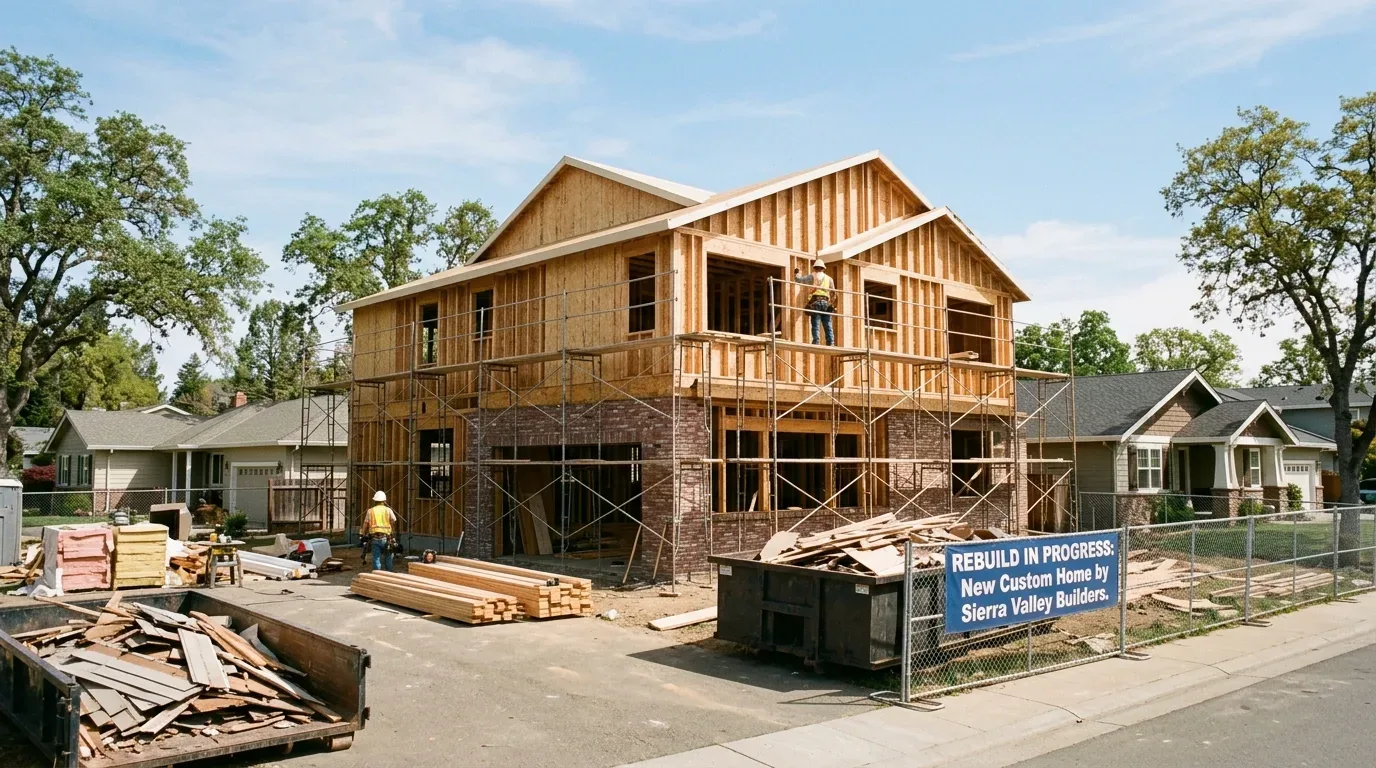
One of the first major design moves in Los Altos projects is to strategically schedule noisier activities during permitted hours. Across our active project specifications, we emphasize that understanding local noise windows is vital. For example, in several recent projects, we coordinated demolition and heavy construction to occur strictly between 8 am and 6 pm on weekdays, avoiding weekends and evenings, which are often protected periods.
In the Easton Project, we almost overlooked the importance of this timing. The homeowner wanted to expedite the renovation, but after consulting local ordinances and using a simple sound level meter, it became clear that the work would violate noise limits if scheduled outside permitted hours. By shifting some activities to mid-morning and late afternoon, we avoided potential fines and community complaints. This approach not only respects Los Altos’s regulations but also minimizes project delays caused by noise violations. Incorporating local noise regulations into your project timeline is a critical move for a smooth, compliant renovation that preserves neighborhood harmony.
Material Specificity for Noise-Conscious Interiors
Authenticity-grade materials
- Acoustic drywall, for sound dampening between rooms
- Mass loaded vinyl, effective for blocking sound transmission through walls
- Resilient flooring, reduces impact noise in upper-level spaces
- High-density insulation, minimizes sound transfer in wall cavities
- Double-glazed windows, improve exterior noise insulation
- Soundproof doors, prevent noise leakage at entrances
- Soft textiles, like heavy drapes and plush rugs to absorb sound
- Decoupled ceiling systems, for reducing noise transfer between floors
Generic-grade tells we refuse to spec
- Standard drywall without insulation
- Thin window glass
- Low-density foam insulation
- Laminate flooring with minimal padding
- Single-layer doors
- Basic curtains or blinds
- Unsealed wall penetrations
- Standard ceiling finishes without soundproofing
Los Altos Specifics on Construction Noise Regulations
Los Altos’s quiet, tree-lined neighborhoods demand careful attention to construction noise regulations, especially during sensitive periods. The city’s rules are designed to preserve the residential character and prevent disturbances, particularly during early mornings, evenings, and weekends. These regulations align with broader Bay Area standards but also reflect the region’s high land value and community expectations for tranquility.
In our experience working near Los Altos Avenue and similar neighborhoods, projects that coordinate work schedules with local ordinances avoid delays and fines. The American Society of Interior Designers emphasizes that respecting local noise ordinances is part of responsible design practice. For projects involving interior renovations, especially those with exterior work or structural modifications, understanding and planning around these rules is crucial. Incorporating this awareness into your project timeline ensures compliance and community goodwill. For more detailed guidance, visit the Los Altos permit page here and consider consulting with local authorities or experienced contractors familiar with these regulations.
How to Schedule Noisy Work Without Violating Regulations
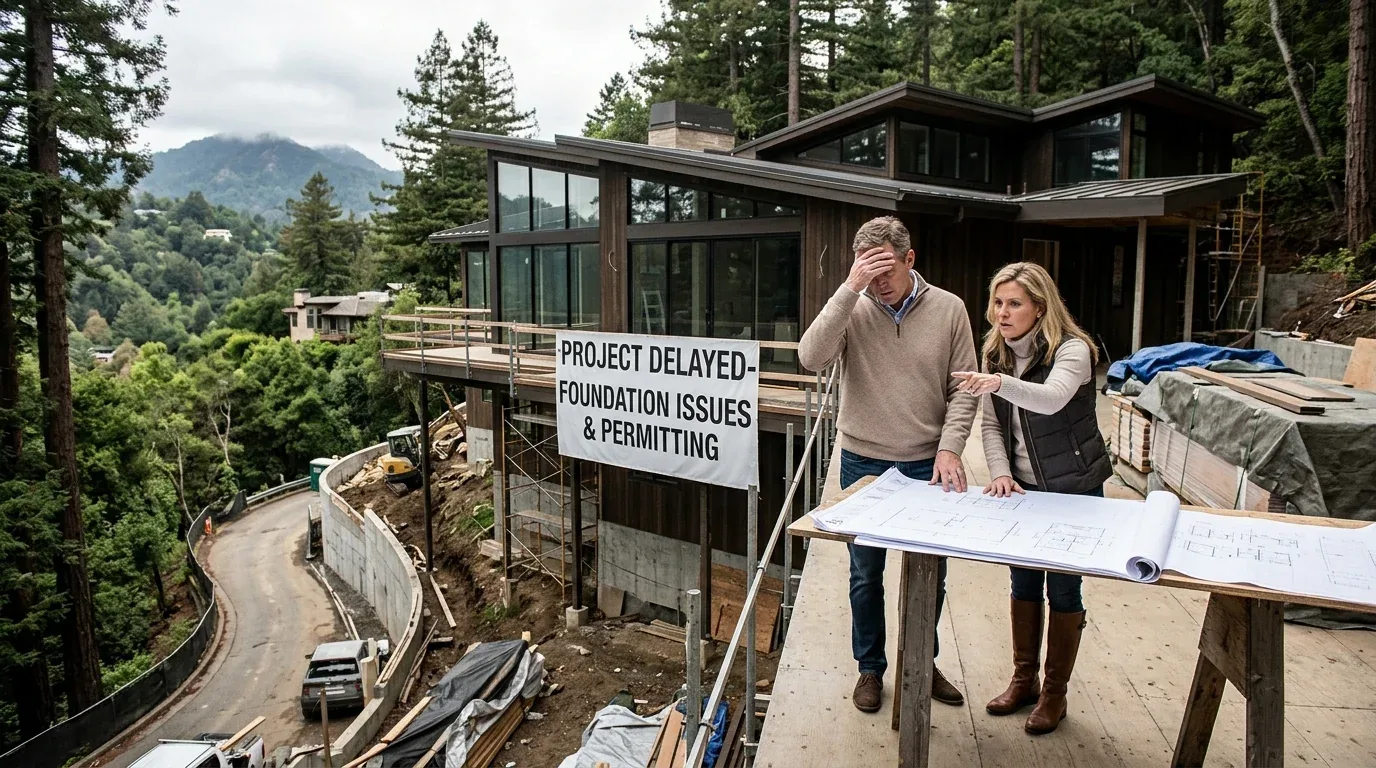
The homeowner’s real question is how to fit in necessary construction activities without violating Los Altos’s strict noise regulations. The first thing we ask is what specific work needs scheduling and at what stage of the project. In several recent projects, we found that heavy work such as framing, drywall sanding, or flooring installation must be confined to permitted hours, typically 8 am to 6 pm on weekdays. Planning ahead and batching noisy tasks during these windows minimizes risk.
In the Easton Project, we initially considered doing all demolition early in the morning. However, using a sound level meter and reviewing city ordinance hours revealed that doing noisy work before 8 am could result in fines. We adjusted schedule blocks, coordinating with contractors to complete the loudest tasks during the approved hours. This proactive approach, combined with clear communication with neighbors, kept the project on track and within compliance. Incorporating detailed scheduling and understanding local rules is the most effective way to manage noise without risking project delays or penalties, especially in a high-value neighborhood like Los Altos.
Understanding Permits and Exemptions for Construction Noise
Many clients wonder if they need special permits to perform noisy work or if exemptions apply. The first question we ask is whether the project involves structural changes or exterior modifications that might trigger additional regulations. In Los Altos, permits are generally required for significant work, but minor interior updates may be exempt if scheduled within allowed hours. The city’s building department provides guidance on this at here.
In some cases, a temporary exemption or variance can be obtained for specific projects, especially if work is scheduled to minimize neighborhood impact. For example, in the Easton Project, we coordinated with the city early, submitting a noise impact plan that allowed us to extend work hours on certain days, avoiding fines and project halts. Understanding these permit nuances helps you plan better, avoid unexpected costs, and ensure your renovation proceeds smoothly within Los Altos’s regulatory framework.
Strategies for Integrating Noise Compliance Into Project Planning
The core decision for many homeowners is how to integrate noise compliance into their overall project timeline. The key is early planning. The first step is to review Los Altos’s noise ordinances and coordinate with contractors about scheduling. Using tools like a project schedule spreadsheet, you can block out noisy tasks during permitted hours and communicate these windows clearly to all team members.
In practice, this means planning for quieter activities, such as painting and finish work, to occur during less sensitive times. Incorporating buffer days for inspection or unexpected delays related to noise restrictions can save time and money. In our recent projects, we’ve found that proactive scheduling, supported by permit research and neighbor communication, reduces project friction and aligns expectations. Ultimately, integrating noise considerations from the start ensures legal compliance, smoother execution, and a respectful relationship with the neighborhood community.
What Construction Activities Are Restricted or Prohibited in Los Altos?
Understanding specific restrictions helps avoid costly violations. The first question we ask is whether activities like exterior demolition, structural modifications, or heavy equipment use are scheduled. Los Altos generally prohibits noisy work during early mornings, late evenings, and weekends unless a special permit is obtained. Activities such as pile driving, jackhammering, or using loud machinery are often restricted to certain hours and require prior approval.
In the Easton Project, we learned that even minor exterior work could trigger noise complaints if scheduled outside permitted hours. We used a light meter and site photos to evaluate the impact and coordinated with the city for a variance when necessary. Certain types of work, especially those involving heavy machinery, are restricted during holidays or city-designated quiet periods. Being aware of these restrictions allows you to plan your project phases carefully, avoiding surprises that could delay your project or incur penalties from the city.
Observed Failure Modes, How Los Altos Construction Noise Regulations Goes Wrong
From our project debriefs and post-occupancy reviews, 2023-2026.
Ignoring Local Noise Hours Causes Delays
One common failure is scheduling noisy work outside permitted hours, which can lead to fines, work stoppages, and project delays. In several recent projects, homeowners and contractors assumed that work could be done whenever convenient, but Los Altos’s ordinances specify strict hours. Failing to adhere to these can result in costly penalties, sometimes requiring rework or rescheduling. The cure is to review local regulations early and incorporate these hours into your project timeline, avoiding last-minute surprises and keeping the project moving smoothly.
Overlooking Decibel Limits Leads to Fines
Another mistake is not monitoring sound levels during construction. Even during permitted hours, exceeding decibel limits can result in fines or complaints. In our experience, using a simple sound level meter during noisy activities like drywall sanding or jackhammering helps ensure compliance. Contractors should be briefed on the decibel thresholds specific to Los Altos, which are designed to protect residential tranquility. Consistent monitoring and adjusting activity levels prevent violations, saving money and maintaining neighborhood goodwill.
Neglecting Permits for Exceeding Noise Limits
Attempting to bypass permit requirements for noise-intensive work can lead to serious repercussions. Many projects assume that minor interior upgrades don’t need permits, but exterior or structural modifications often do. In Los Altos, failing to obtain necessary permits or exemptions before noisy work can result in hefty fines and project halts. The solution is early permit research and applying for variances if needed. This proactive approach ensures that all work complies with local rules, avoiding costly legal issues and project delays.
Poor Communication With Contractors Causes Violations
Without clear communication about noise restrictions, contractors may inadvertently violate rules. In several instances, work started too early or extended into prohibited hours because expectations weren’t set. This can be avoided by establishing a detailed schedule aligned with city ordinances and sharing it with all team members. Regular check-ins and noise level monitoring during work hours help keep everyone on track, ensuring compliance and a smoother renovation process in Los Altos’s sensitive neighborhoods.
Failure to Plan for Noise During Key Phases
Last-minute scheduling of noisy activities often causes project disruptions. Not planning for quieter phases such as painting, fixture installation, or final finishes results in rushed work or violations. In our projects, early planning, using project management tools and permit timelines, helps allocate noisy tasks during permissible hours. This foresight reduces the risk of delays, penalties, and neighbor complaints, especially in high-value areas where community standards are strict.
What's Going Out for 2026
- Unscheduled noisy work outside permitted hours
- Ignoring decibel limits during construction
- Skipping permit applications for high-impact activities
- Assuming noise rules don’t apply to interior updates
- Neglecting to inform neighbors about noisy phases
- Overlooking special exemptions or variances
- Using loud equipment without monitoring noise levels
- Starting heavy work before checking local regulations
What Los Altos Construction Noise Regulations Costs in 2026
| Scope | Los Altos / Bay Area | Sacramento |
|---|---|---|
| Basic interior refresh with minimal noise impact | $15K-$35K | $10K-$25K |
| Mid-tier renovation with moderate noise control measures | $35K-$100K | $25K-$75K |
| High-end, extensive remodel with advanced noise mitigation | $100K-$300K | $75K-$200K |
Local permits & planning
Working Notes
What We Have Learned Doing This: Los Altos Construction Noise Regulations
“Every budget has a hidden line item: the things nobody measured.”
Order the long-lead items before anything else and design the sequence so the rest of the job can proceed without them. The appliance, the stone, the custom millwork set the schedule, and pretending otherwise is how a project loses a month it never gets back.
After enough projects you stop fearing bad taste and start fearing the boring things: delays, sequencing mistakes, moisture behind a wall, an electrician improvising, framing that is not where the drawings swear it is. The aesthetic part still matters, it is why anyone hires anyone, but execution decides whether the room ever gets built the way it was drawn.
Specify for the next ten years, not the next photo shoot. The work that holds its value is quiet, well made, and a little bit boring on the day it is installed.
These notes come from our own los altos construction noise regulations project debriefs. Most were learned the expensive way the first time.
Sources & Professional References
This guide's positions on materials are grounded in published building-code, standards, and recognized design-authority sources, alongside Designed | Curated Interiors' verified credentials and active project files:
- American Society of Interior Designers (ASID): interior-design practice standards
- International Code Council (ICC): Chapter 8 Interior Finish Decorative Materials And Furnishings
- NKBA, Amy Kunst Member Profile (verified credential, NKBA Committee Member)
- Featured in: Homes & Gardens (design expert quote, May 2026) · Sacramento Love (guest author, 2024)
Frequently Asked
What are the construction noise regulations in Los Altos?
When can I perform noisy construction work in Los Altos?
How can I ensure my construction project in Los Altos stays within noise limits?
Why are noise regulations important during construction in Los Altos?
Who enforces Los Altos’s construction noise regulations?
Are there penalties for violating Los Altos’s noise regulations?
What tips are recommended for planning noisy work in Los Altos?
From Los Altos Construction Noise Regulations to a Real Room
A trend piece is the briefing document, not the deliverable. The pages below show how we translate these principles into finished rooms across Los Altos and the rest of Northern California.
- Sacramento & Bay Area Interior Design Services How we scope, source, and deliver work end to end.
- Interior Designer Hub, Los Altos Where most of our Los Altos work lives, the regional fit explained.
- Tiburon Construction Noise Regulations Related cluster piece referenced from the Tiburon Construction Noise Regulations build files.
- Interior Designer in Los Altos Hills Related cluster piece referenced from the Interior Designer in Los Altos Hills build files.
- Interior Designer in Los Altos Related cluster piece referenced from the Interior Designer in Los Altos build files.