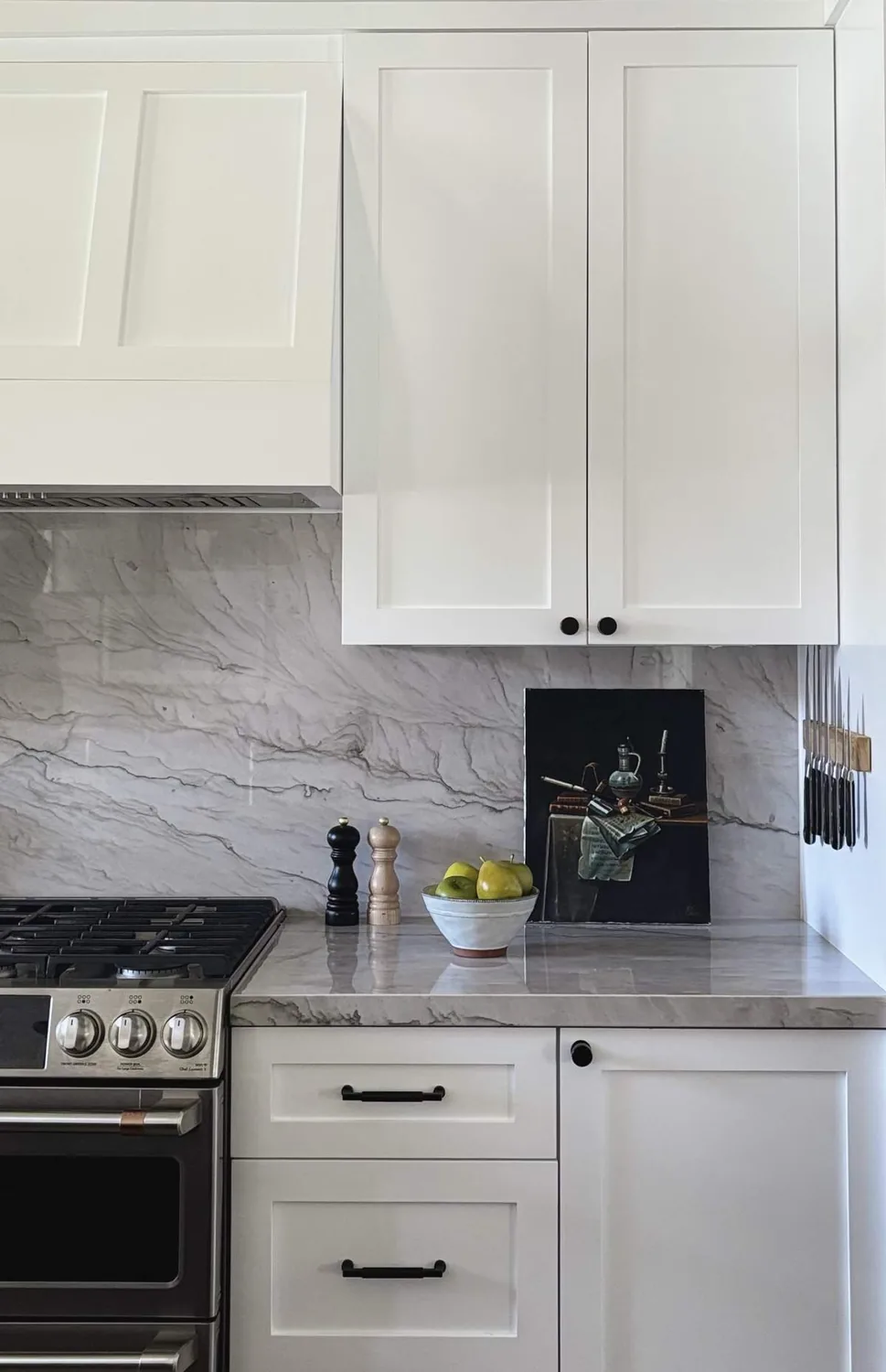
Function and vibe are key in under-cabinet lights. They need to work well and look good in bathrooms and kitchens. Under-counter lighting revamps a space. Task lighting for cooking or mood lights for ambiance. Our files show sleek LED strips and puck lights are top choices in 2026. These can fit any design with ease. Let's talk costs and options. Want smart features? Got you covered. We’ll show real examples rooted right here in Sacramento.
Direct Answers (Lighting Under Counter)
| What are the common types of lighting used under counters in Sacramento homes? | LED strips give a consistent glow. Puck lights are great for direct tasks. Rope lights add a soft touch. |
| How do I choose the right under-counter lighting for my kitchen? | Match light to layout. LED strips spread light evenly. Puck lights focus it where needed. |
| What features should I look for in under-counter lighting fixtures? | Try dimmers with adjustable LED colors. More control over your light. |
| Are there regional considerations for under-counter lighting in Sacramento? | Sacramento's bright days call for adaptable lighting. It should work with your stone surfaces. |
Prioritizing Function and Aesthetics with Under-Counter Lighting
Step one: pick fixtures that match your room. LED strips? They’re the sleek look under cabinets. Perfect for prepping food and cleaning, LED strips make tasks easier. Smart LEDs are taking over homes. Control brightness via your phone. Try Lutron Caséta or Philips Hue. They're handy under cabinets. Simple to tweak. Aim for 2700K to 5000K. Match the tone to your counters. Fixtures blend into cabinetry, keeping a clean look.Material Specificity for Under-Counter Lighting
Authenticity-grade materials
- Aluminum (anodized), for heat dissipation and durability in LED fixtures
- Silicone (high-temperature rated), for waterproofing and flexibility in rope lights
- Polycarbonate (UV resistant), for weatherproof puck lights used in outdoor kitchens
- Glass (frosted), for diffusing light evenly in decorative fixtures
- Stainless steel (brushed), for sleek, corrosion-resistant trim options
- Copper (antique finish), for decorative accents that age beautifully
- Acrylic (opaque), for concealed light diffusers
- Wood (laminated, treated), for custom integrated fixtures matching cabinetry
Generic-grade tells we refuse to spec
- Plastic (cheap, low heat resistance)
- Thin aluminum (prone to warping)
- Uncoated metal (corrosion risk)
- Glass with poor diffusion
- Low-quality PVC (discolors over time)
- Standard wiring (not rated for heat or moisture)
How to Choose the Right Under-Counter Light for Your Space
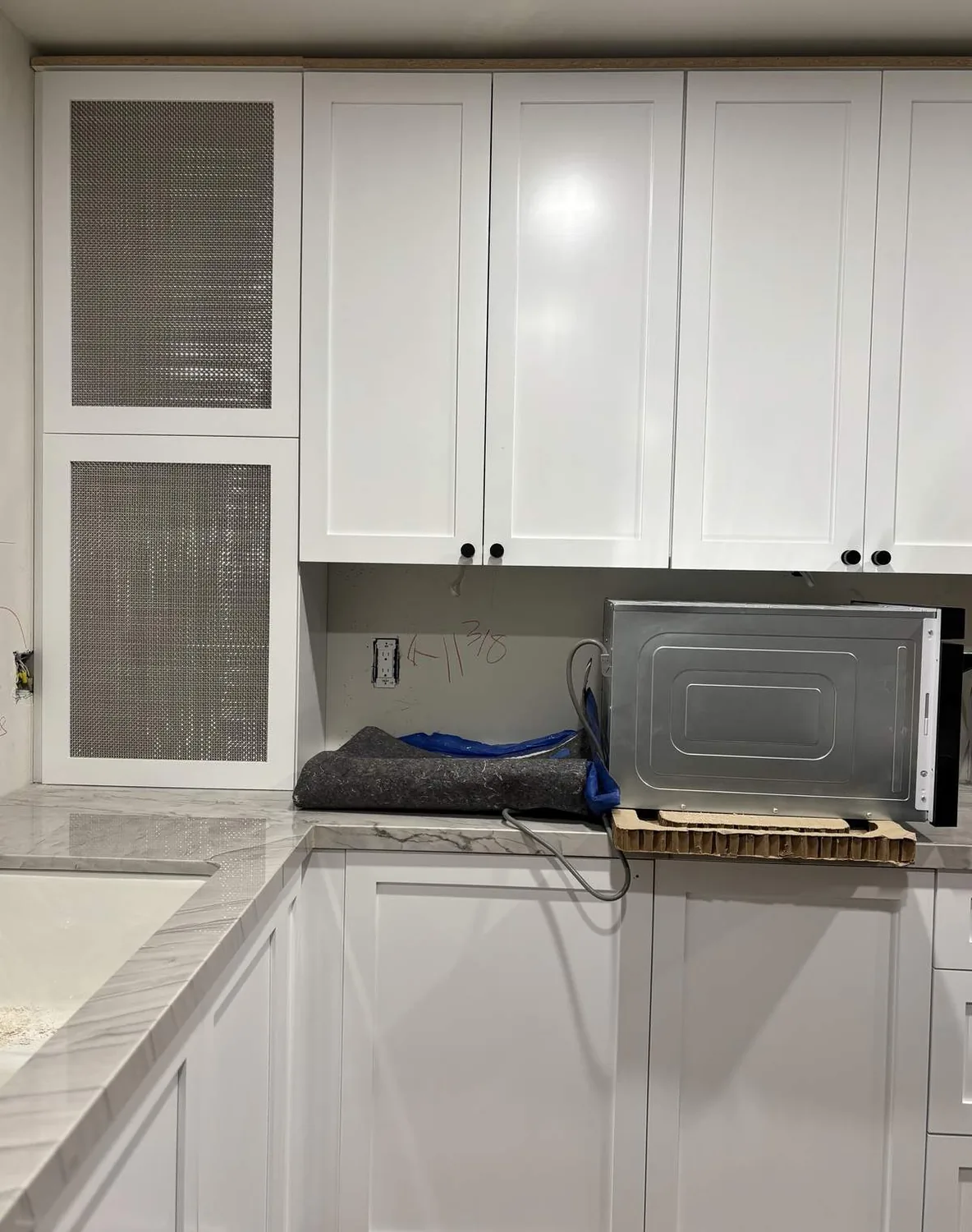
Choosing the right fixture involves more than looks. Check light levels in your El Dorado Hills kitchen. Do you want subtle task lighting, accent illumination, or decorative glow? Think about layout and use. For open shelving or glass-fronts, puck or small LEDs are subtle yet effective. LED strips are best for even cooking light. Look at how easy they are to install and control, too. Philips Hue fixtures are popular now. App controls and variable color temperature are big draws. You'll save both energy and money with these systems. Low-cost and fits the budget. The American Society of Interior Designers emphasizes layering light for function and ambiance, which is critical in busy kitchens and baths. First, measure your area. Then choose what fixtures work.Sizing and Specification Guide for Under-Counter Lighting
Size and placement are crucial for achieving both functional and aesthetic goals. Set LED strips 1–2 inches from the edge to reduce glare. Use 3-4 inch puck lights. Space them a foot apart. Check LED strip lengths, 16, 24, or 32 inches. Make sure they fit cabinets.
Ceiling height changes fixture needs. For 36-inch counters, keep fixtures neat for clear task lighting. Go longer on lights for big islands or deep cabinets. The NKBA stresses good spacing to avoid shadows and light up counters well.
Custom vs Stock Under-Counter Lighting Options
Your choice? Wayfair offers off-the-shelf items. Local custom shops around Midtown specialize in unique options. Stock lights are cheaper. They install quickly. They also ship fast, sometimes straight to your door. But they're often basic. Custom fixtures let us decide details. Brushed nickel or antique gold finish stands out. Custom shops build sleek lighting into cabinets. Takes time. Costs more. Creates a modern feel. Basic puck lights cost under $100. Custom LED strips with features hit $1,500. Think about what's important: is style or control what you're after? Custom work might be worth it. In Sacramento's high-end areas, people like fixtures that fit in smoothly. Remote control is handy. They're more expensive and take longer to arrive, but worth it.
Will This Lighting Trend Last or Become Outdated?
Wondering if under-counter lights are just a fad? Tunable LEDs are becoming standard now in design. They're no longer just luxuries. Changing tastes? Adjustable lighting makes updates simple. Old halogen lights? People are ditching them for smarter options. Sacramento's mix of history and modern style fits these discreet, integrated lights perfectly. The AIA values timeless design. Use high-quality adjustable fixtures to keep your kitchen stylish for years. Focus on versatile fixtures that adapt over time. Skip trendy fads. From our project debriefs and post-occupancy reviews, 2023-2026. We often see homeowners opt for the lowest-priced under-counter lights, only to find out that non-dimmable fixtures create stark, uninviting spaces. Some clients chose a simple LED strip, no dimming. At night, their non-dimming LEDs felt too harsh, lacking coziness. They saved initially but lost comfort. Dimmable LEDs for a warmer glow would’ve added a few hundred. Quality and control matter. Cheap choices often backfire. Another common mistake is underestimating how challenging it can be to install integrated LED systems. Linden Grove Project: client wanted LED strips matching cabinets. The vendor said it’d be easy, but smart controls made wiring tricky. Contractor blamed fixtures, but the real fault was planning errors. This mistake cost $1,200 and added two weeks. Have a licensed electrician check early. Make sure your cabinetry fits the wiring and controls you want. Many homeowners forget that Sacramento’s abundant natural light affects how interior lighting appears. Homeowners fitted bright LEDs, hoping for even light. Cool LEDs clashed oddly with daylight warmth. The American Society of Interior Designers highlights the importance of considering natural light when selecting fixture color temperatures. Dimmable warm LEDs sync well with daylight. Ignore this, and the room will feel mismatched at different hours. Adding excessive under-counter lights can backfire, creating clutter and glare rather than enhancing function. They thought cramming too many puck lights over a tiny island was ideal. This cluttered the surface, pulling away from design details. We found less is more. Choose fixtures that layer light without crowding. The NKBA says space and layer lighting well for balanced task and aesthetic goals.Observed Failure Modes, How Lighting Under Counter Goes Wrong
Choosing Cheap, Non-Dimmable Fixtures
Underestimating Installation Complexity
Ignoring the Impact of Natural Light
Overloading with Too Many Fixtures
What's Going Out for 2026
What Lighting Under Counter Costs in 2026
| Scope | Typical range |
|---|---|
| Basic LED under-cabinet lighting (DIY install) | $250-$550 |
| Mid-tier, professionally installed smart LED system | $1,000-$2,000 |
| High-end custom integrated lighting with control system | $3,000-$6,500 |
Working Notes
What We Have Learned Doing This: lighting under counter
“Run the panel-load math at design time, not at inspection time. Assumptions are expensive.”
Lighting is engineering pretending to be decoration. Layer it on the plan, not on the punch list.
Old houses lie, and so do new ones. Don’t trust plans; even a 10-year-old home can deceive. We stopped trusting old drawings, prior contractor work, and the phrase it should be fine a long time ago. The budget needs a real line for what demolition will uncover, usually 15 to 20 percent once walls start opening.
Most of the money that gets wasted is spent solving the wrong problem confidently. A homeowner wants more room. Contractors jump to adding square footage. But sometimes it's about fixing light or a single awkward sightline. We make the room tell us the problem before anyone signs a demolition contract.
The cheapest tool on any project is a sample board and an afternoon. We have watched five-figure mistakes get caught by a fifteen-dollar paint sample lived with for a week in the actual light of the actual room. Decisions made under showroom lighting do not survive contact with a real house.
These notes come from our own lighting under counter project debriefs. Most were learned the expensive way the first time.
Sources & Professional References
This guide's positions on materials are grounded in published building-code, standards, and recognized design-authority sources, alongside Designed | Curated Interiors' verified credentials and active project files:
- American Society of Interior Designers (ASID): interior-design practice standards
- International Code Council (ICC): Chapter 8 Interior Finish Decorative Materials And Furnishings
- NKBA, Amy Kunst Member Profile (verified credential, NKBA Committee Member)
- Featured in: Homes & Gardens (design expert quote, May 2026) · Sacramento Love (guest author, 2024)
Frequently Asked
What are the common types of lighting used under counters in Sacramento homes?
How do I choose the right under-counter lighting for my kitchen?
What features should I look for in under-counter lighting fixtures?
Are there regional considerations for under-counter lighting in Sacramento?
What is the typical cost difference between basic and high-quality under-counter lighting?
Do I need permits or follow specific codes for under-counter lighting in Sacramento?
Why is it important to avoid cheap, non-dimmable fixtures for under-counter lighting?
From Lighting Under Counter to a Real Room
A trend piece is the briefing document, not the deliverable. The pages below show how we translate these principles into finished rooms across Sacramento and the rest of Northern California.
- Sacramento & Bay Area Interior Design Services How we scope, source, and deliver work end to end.
- Interior Designer Hub, Sacramento Where most of our Sacramento work lives, the regional fit explained.
- Modern Tudor Homes: Authentic, Revival, and Neo-Tudor (A Designer Reference) Heritage-architecture renovation patterns from our project files.
- Japandi Living Room: A Designer's Guide to the 2026 Look The 2026 warm-neutral playbook applied to the living room.