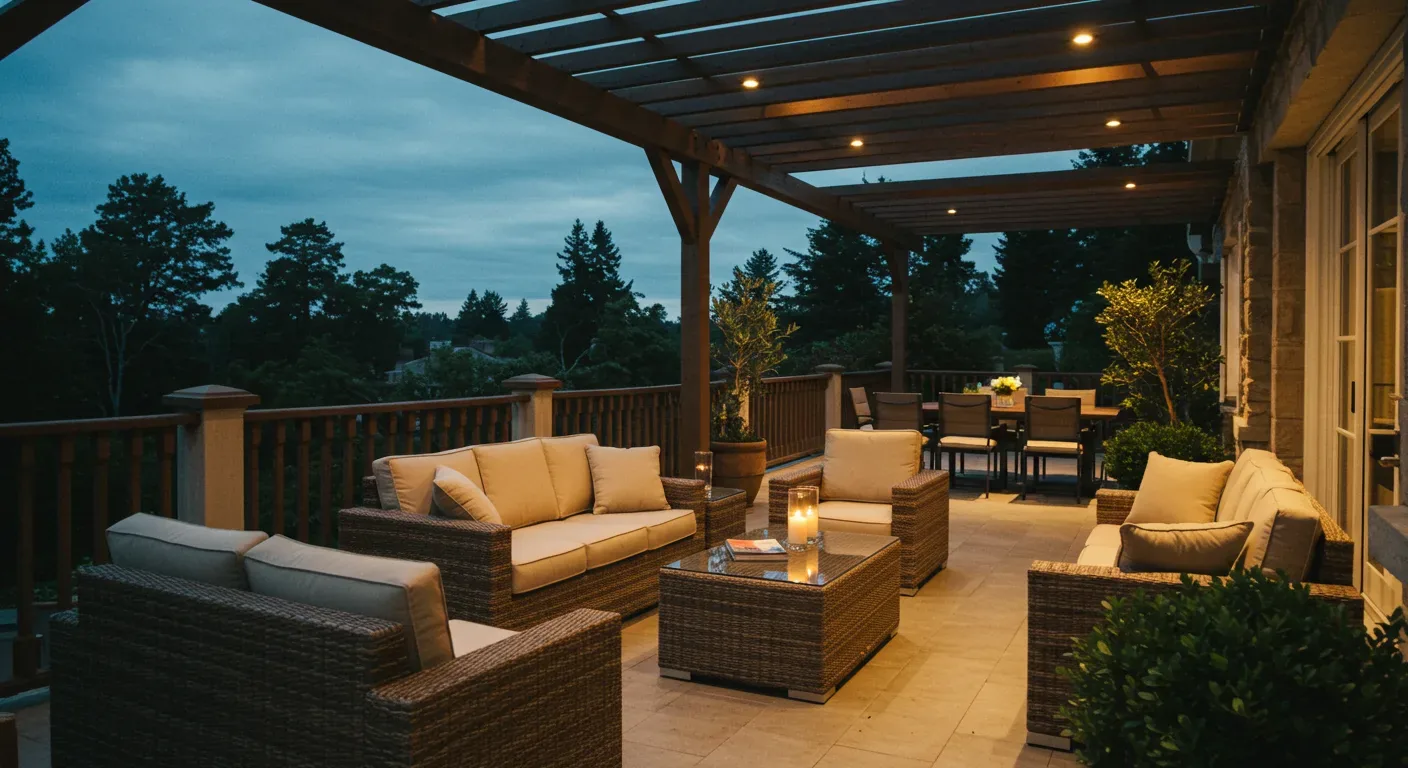
Light sets a home's mood. Lighting helps with tasks. It's not just decor. You need to mix design with science. Get lighting layers right. They set the mood, highlight features, make tasks easier. Balancing art and science in lighting? That's the challenge. It's a must here in Sacramento.
Looking through our project files, I see how different lights work together. Natural light's essential too. We'll share what works here. Real examples, Sacramento tips. See how designers get it done.
Common Questions
| What is the importance of lighting in interior design? | Lighting does double duty: makes things look good, helps life run smoother. |
| How does the art and science of lighting influence interior design in Sacramento? | Mix art with science. Create light layers that fit Sacramento's vibe. |
| What are the key lighting layers to consider in interior design? | Think about ambient lights. Task lights. Accents. Each choice shapes the room. |
| Why is color temperature important in interior lighting? | Want cozy? Stick to warm hues. 2700K to 3000K? Perfect for Sacramento areas. |
Harnessing Light to Elevate Interior Aesthetics and Function
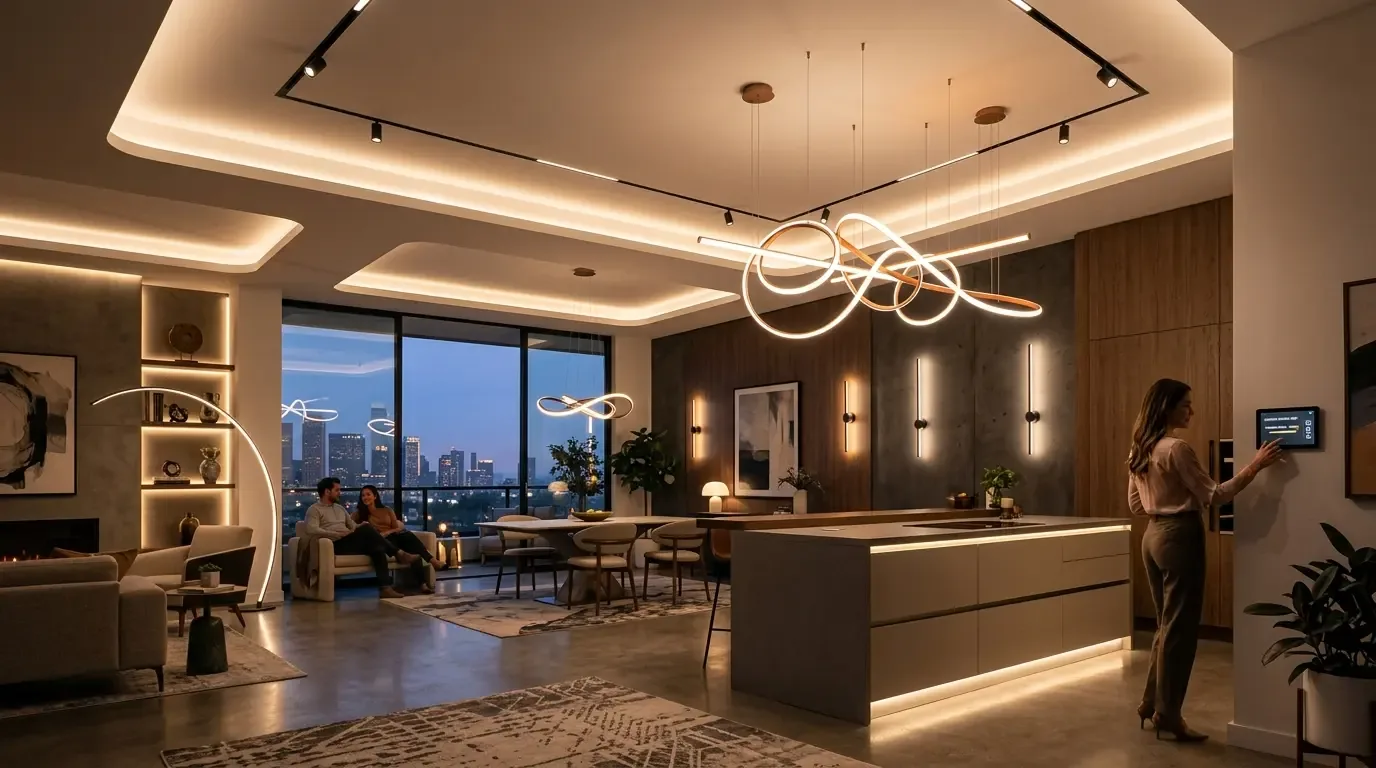
In our Sacramento projects, we see lighting as a way to unify the aesthetic and the practical. Start with layers. Mix ambient, task, accent lighting. Make it functional and welcoming. Use brands like Visual Comfort. Matte black or brushed nickel keeps the design sharp. Go for warm whites. 2700K to 3000K. Matches the area's vibe. Doesn't overwhelm.
Understand light's effects. Balance brightness, control glare. Dimmers help set the mood. Not just about light, it's about experience. Showcase a wall or art piece. Keep it practical. Lutron or Leviton smart controls fit right in. Style and energy savings in one.
Material Specificity in Lighting Design
Authenticity-grade materials
- White oak (rift-sawn), for floors and slat detail; calmer grain than plain-sawn
- Brass, for fixtures and accents, develops patina over time
- Frosted glass, for diffusing light evenly and softly
- Matte black metal, for modern, sleek fixture finishes
- LED integrated modules, for energy efficiency and longevity
- Natural linen fabric, for lampshades, adding warmth and texture
- Polished nickel, for a subtle, reflective sheen
- Ceramic, for custom sconces and decorative elements
Generic-grade tells we refuse to spec
- Plastic, often cheap and low-quality, not durable
- Low-CRI LED bulbs, can distort colors and diminish visual comfort
- Overly reflective finishes, cause glare and visual noise
- Glass with visible seams, looks cheap and poorly made
- Heavy fixtures with poor mounting hardware, risk safety and longevity
- Bland, generic fixtures from big box stores, lack character and quality
How to Choose the Right Lighting for Your Sacramento Home
Deciding on the best lighting setup involves understanding your space’s purpose, style, and existing architecture. What do you do in this room? What mood are we after? Living room? We blend warm ambient with task lights for reading. Sacramento has uneven natural light. Use dimmable fixtures for more control. We like Visual Comfort for fixtures. Warm tones to match outdoor light. Smart systems like Lutron help. Invest in dimmable LEDs. Costs range but save on future changes.
Integrated LEDs or traditional fixtures? Depends on your needs. Integrated LEDs last and save energy. Design choices narrow though. 300 lumens per foot. Period. Plenty of light, zero glare. Think about where lights go. Over counters and seating, key spots. Smart lighting boosts both looks and function in your Sacramento home.
How to Highlight Artwork and Architectural Features
Highlighting artwork or architectural features requires precise, layered lighting that draws attention without overwhelming the space. What's the focus? Fireplace, wall texture, or a cool art piece? In Sacramento, adjustable lights from WAC or LBL are our go-tos. Use tracks or picture lights. High CRI for true colors. The American Society of Interior Designers emphasizes the importance of positioning fixtures at appropriate angles, typically 30 degrees, to avoid glare and shadows. Wall washers. Great for depth. Rooms feel more curated.
Got high ceilings? Use recessed or pendants for interest. Highlight features without letting them take over. Balance is key. Plain wall? Light up. Add art. Highlights design.
Integrating Smart Lighting for Function and Flexibility
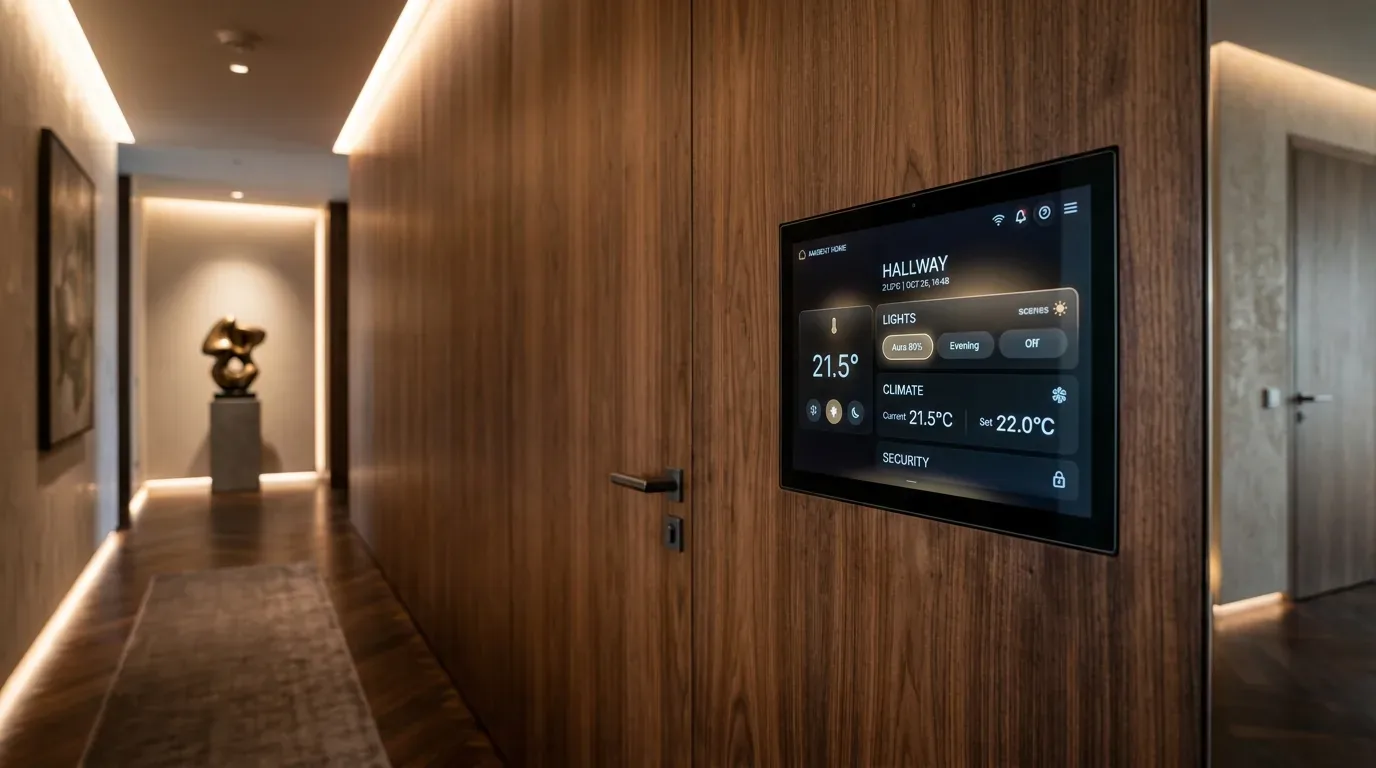
Smart lighting solutions are increasingly vital in modern Sacramento homes, offering flexibility, energy savings, and convenience. Fit automation? Your call. Maybe kitchen or outdoors. We ask clients if they want remote lighting controls. Different scenes, too. Lutron Caséta, Leviton Decora, syncs smooth. Quick fix: adjust color or brightness. These systems sync with daylight. Sacramento's long, bright days? No problem.
Smart controls cut energy use. Fixtures last longer. The American Society of Interior Designers emphasizes that well-implemented smart lighting enhances user experience without compromising aesthetics. We choose fixtures with smart controls. Dimming options and adjustable color are key. Creates a shiftable ambiance to match daily changes. Lighting isn't decoration. It's key.
The Impact of Light Color Temperature on Space Perception
Color temperature significantly influences how a space feels and how colors are perceived. Homeowners struggle: warm or cool light? Match inside lights to Sacramento sun with 2700K to 3000K. Keeps inside inviting. The American Society of Interior Designers highlights that warmer temperatures foster comfort and intimacy, while cooler temperatures (above 4000K) can feel sterile or clinical.
Bedrooms and kitchens? Color temperature's crucial there. You need good ambiance and colors. Warm LEDs make wood glow, add coziness. Cooler LEDs fit workspaces for clear, alert lighting. Layering light temps makes rooms lively and calm. Needed for Sacramento's varied architecture.
Observed Failure Modes We See in the Field
From our project debriefs and post-occupancy reviews, 2023-2026.
Overlighting and Flat Spaces
One common failure is overlighting a space with too many fixtures, which results in a flat, uninviting environment. More light isn't better. Too bright means glare, hides details. Layer lighting, add accent and task lights. Dim the overall brightness. Quality dimmers and glare-controlled fixtures are a must. Warm, focused light in Willow Ridge cozied up the space. Too much light? It flattens the room.
Ignoring the Role of Natural Light
Many Sacramento homes suffer from poorly integrated natural light, leading to over-reliance on artificial sources. Rooms shift: too bright or dim some days. Window treatments, skylights, add-ons. They boost natural light. We use light shades and reflective surfaces. They spread daylight, cut energy and improve feel. The American Society of Interior Designers emphasizes that natural light is the foundation of good lighting design, especially in regions like Sacramento with abundant sun.
Inconsistent Color Rendering
Low-CRI bulbs can distort colors and make interiors look dull or mismatched. High-CRI LEDs (90+) make art pop. Highlighting textures or art needs accurate color, this is where high CRI excels. The American Society of Interior Designers underscores the importance of CRI for visual comfort and aesthetic coherence. Choose fixtures with 90+ CRI. They make colors pop. Warm tones help spaces feel more alive. Cheap lights? They just wash everything out.
Neglecting Layering and Dimming
Failing to incorporate dimming controls and multiple layers of light leads to spaces that cannot adapt to different moods or activities. Coronado Project skipped dimmers initially. The room ended up feeling static. Adding dimmers and adjustable fixtures later was a headache, higher costs and a messed-up schedule. Plan for lighting layers early on. It stops expensive retrofits and helps create mood.ore versatile, comfortable environments.
What's Going Out for 2026
- Using only overhead lighting without layering
- Choosing fixtures based solely on style, ignoring function
- Neglecting natural light and relying only on artificial sources
- Overlooking the importance of color temperature
- Ignoring dimming and control options
- Selecting low-CRI bulbs for critical areas
- Installing fixtures without considering architectural features
- Overlighting spaces and causing glare
- Ignoring the impact of lighting on mood and atmosphere
- Choosing generic fixtures without material or finish consideration
- Failing to plan for smart lighting integration
- Underestimating the importance of fixture placement
What This Costs in 2026
| Scope | Typical range |
|---|---|
| Refresh scope: replacing bulbs and fixtures | $3K-$7K |
| Mid-tier: layered lighting with custom fixtures | $10K-$25K |
| Estate-scale: comprehensive lighting design with high-end fixtures and controls | $35K-$100K |
Working Notes
What We Have Learned Doing This Work
“Run the panel-load math at design time, not at inspection time. Assumptions are expensive.”
Run the panel-load math at design time. You learn the costly way if walls are up and the service can't take the plan.
Get long-lead items ordered first. Sequence the rest so work can keep moving. The timing? Set by appliance, stone, millwork. Ignoring this loses a month.
After many projects, you fear delays and sequencing errors, not bad taste. Design matters for hiring, but execution builds the room.
Trust grows in dull chats: structure changes, moved numbers, slipped schedules. Clients forgive reality. They do not forgive being surprised by it.
These notes come from our own project debriefs. Most were learned the expensive way the first time.
Sources & Professional References
This guide's positions on materials are grounded in published building-code, standards, and recognized design-authority sources, alongside Designed | Curated Interiors' verified credentials and active project files:
- American Society of Interior Designers (ASID): interior-design practice standards
- International Code Council (ICC): Chapter 8 Interior Finish Decorative Materials And Furnishings
- NKBA, Amy Kunst Member Profile (verified credential, NKBA Committee Member)
- Featured in: Homes & Gardens (design expert quote, May 2026) · Sacramento Love (guest author, 2024)
From Principle to a Real Room
A trend piece is the briefing document, not the deliverable. The pages below show how we translate these principles into finished rooms across Sacramento and the rest of Northern California.
- Sacramento & Bay Area Interior Design Services How we scope, source, and deliver work end to end.
- Interior Designer Hub, Sacramento Where most of our Sacramento work lives, the regional fit explained.
- Modern Tudor Homes: Authentic, Revival, and Neo-Tudor (A Designer Reference) Heritage-architecture renovation patterns from our project files.
- Japandi Living Room: A Designer's Guide to the 2026 Look The 2026 warm-neutral playbook applied to the living room.