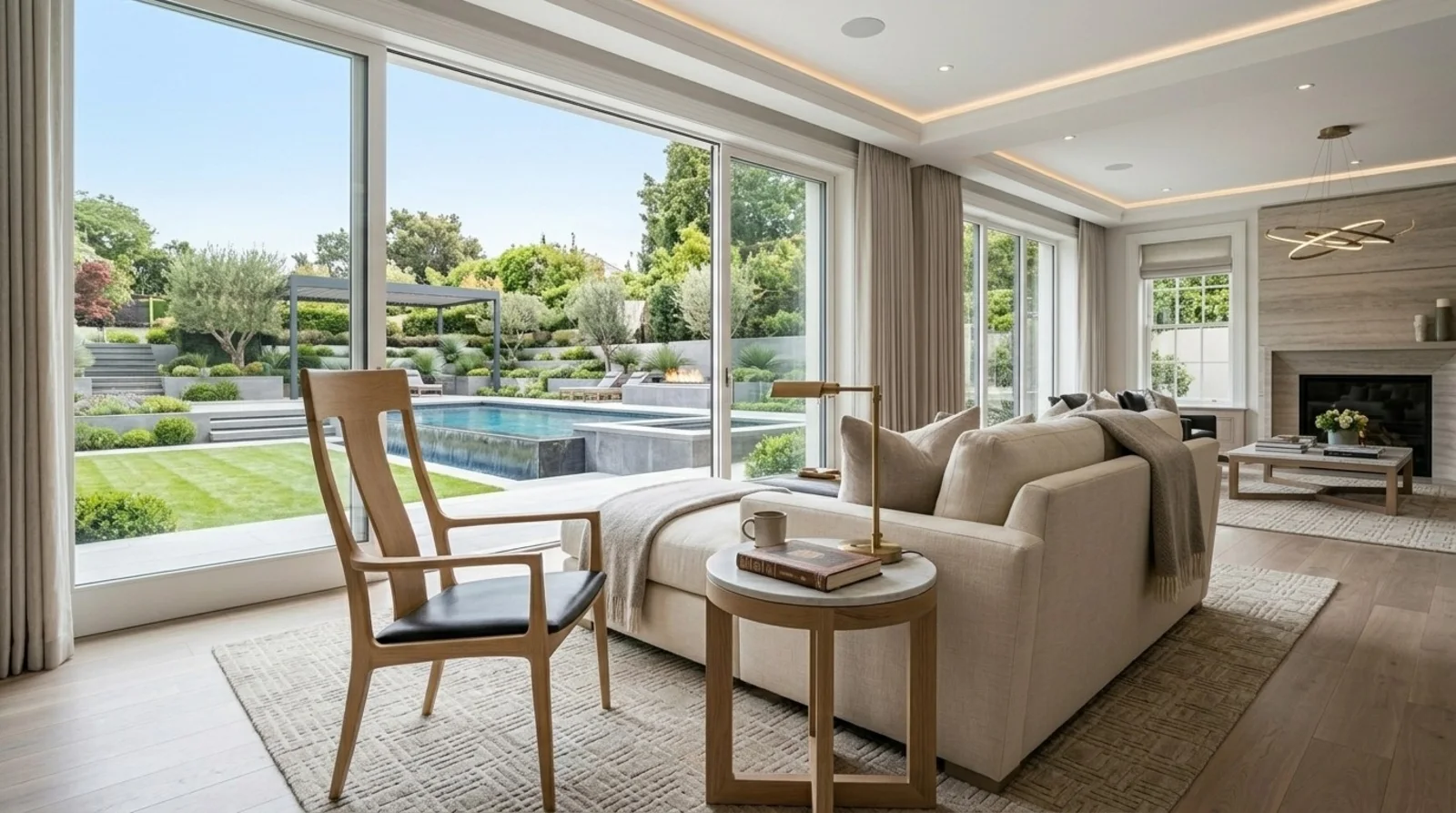
Some chairs shout. The Lierna does the opposite. The Castiglioni brothers nailed it with the Lierna chair. Named after a medieval spot on Lake Como, it's got this understated vibe. You notice its comfort long before its sleek design catches your eye. Lacquered wood frame, leather or fabric seat, that's it. It is considered a historic piece of Italian design, and it is the kind of object we point to when a client asks what “timeless” actually looks like.
Quick Answer — What is the Lierna chair?
The Lierna is a dining chair designed by the Castiglioni brothers, Achille and Pier Giacomo, in the 1950s and named for the medieval village of Lierna on Lake Como. It pairs a lacquered solid-wood frame with a leather or fabric seat, and despite the solid wood it is remarkably lightweight. It's a classic. A piece of Italian design history.
- Purpose-built for the dining table: a high, narrow backrest that shields the diner’s shoulders yet lets a server move freely.
- Produced by Cassina until 1960, then by Dino Gavina; reproduction rights passed to Meritalia in 2014, with a re-edition tied to the Castiglioni Foundation.
- A frequent lot at international design auctions and a touchstone of the “Ultrarazionale” movement rooted on Lake Como.
Sources & Professional References
This guide's positions on materials are grounded in published building-code, standards, and recognized design-authority sources, alongside Designed | Curated Interiors' verified credentials and active project files:
- American Society of Interior Designers (ASID): interior-design practice standards
- International Code Council (ICC): Chapter 8 Interior Finish Decorative Materials And Furnishings
- Associated General Contractors (AGC): Bringing Stp You
- NKBA, Amy Kunst Member Profile (verified credential, NKBA Committee Member)
- Featured in: Homes & Gardens (design expert quote, May 2026) · Sacramento Love (guest author, 2024)
In short: a quiet, rational, exquisitely resolved chair that says everything by saying very little.
Direct Answers (Lierna Chair)
| Who designed the Lierna chair? | Achille and Pier Giacomo Castiglioni. First prototype? Made at Giannino Castiglioni's studio in Via Roma, near Lake Como. |
| What is it made of? | Lacquered wood frame. Padded leather or fabric seat. Simple yet elegant. Slim joints keep it light despite being solid wood. |
| Who produces it? | Cassina made it first, up until 1960. Then Dino Gavina stepped in. Meritalia grabbed the rights in 2014. Worked with the Castiglioni Foundation for a re-edition. |
| Why does it matter? | It carries the “Rationalism of Lake Como” into the modern dining room and helped launch Gavina’s Ultrarazionale movement. It also seeded later variants: the steel-tube La Irma (Zanotta, 1979) and Cattelan’s La Lara. |
Origins on Lake Como
The Lierna takes its name from the village of Lierna, on Lake Como, and its first prototype was developed nearby, in Via Roma, at the studio of Giannino Castiglioni. The design belongs to a regional lineage: the “Rationalism of Lake Como,” a clean, pragmatic modernism that the chair both honors and gently updates. It's restrained, like Gio Ponti's work. Sophisticated doesn't need to be flashy.
That studio was a family place. Giannino Castiglioni, the brothers’ father, was a sculptor and an early figure in Italian design circles, and he opened the Via Roma studio on the lake around 1927 as a creative retreat. Achille, Pier Giacomo, and Livio grew up steeped in craftsmanship. The Lierna isn't just from Cassina. It comes from a place where art and function mingle. The chair carries that inheritance quietly.
A study in ergonomics
What looks effortless was the result of careful study. The Castiglioni brothers described the brief in their own words:
“It is a chair specifically designed as a seat to be placed at the dining table. Therefore, it has a rather high backrest that shields the diner’s shoulders, narrow to facilitate the movements of those serving the meal, and well suited to the composed posture of seated people. The chair was designed by us for Cassina, and we focused on a lightweight chair with essential section joints.”
Every decision follows from how a person actually sits and is served at a table. The backrest is tall enough to support and shield the shoulders, yet narrow enough that someone serving can pass without choreography. The frame uses slim, essential sections, which is the reason a chair made of solid wood ends up genuinely light to lift and move, a practical virtue in any room where chairs are pulled out and pushed in several times a day.
There's more to it if you look. Tall back, narrow seat. The chair invites a composed sit, long before wellness was a trend. Doesn't interrupt dinner. It simply treats sitting down to eat as something worth designing for.
From Cassina to Gavina: the Ultrarazionale turn
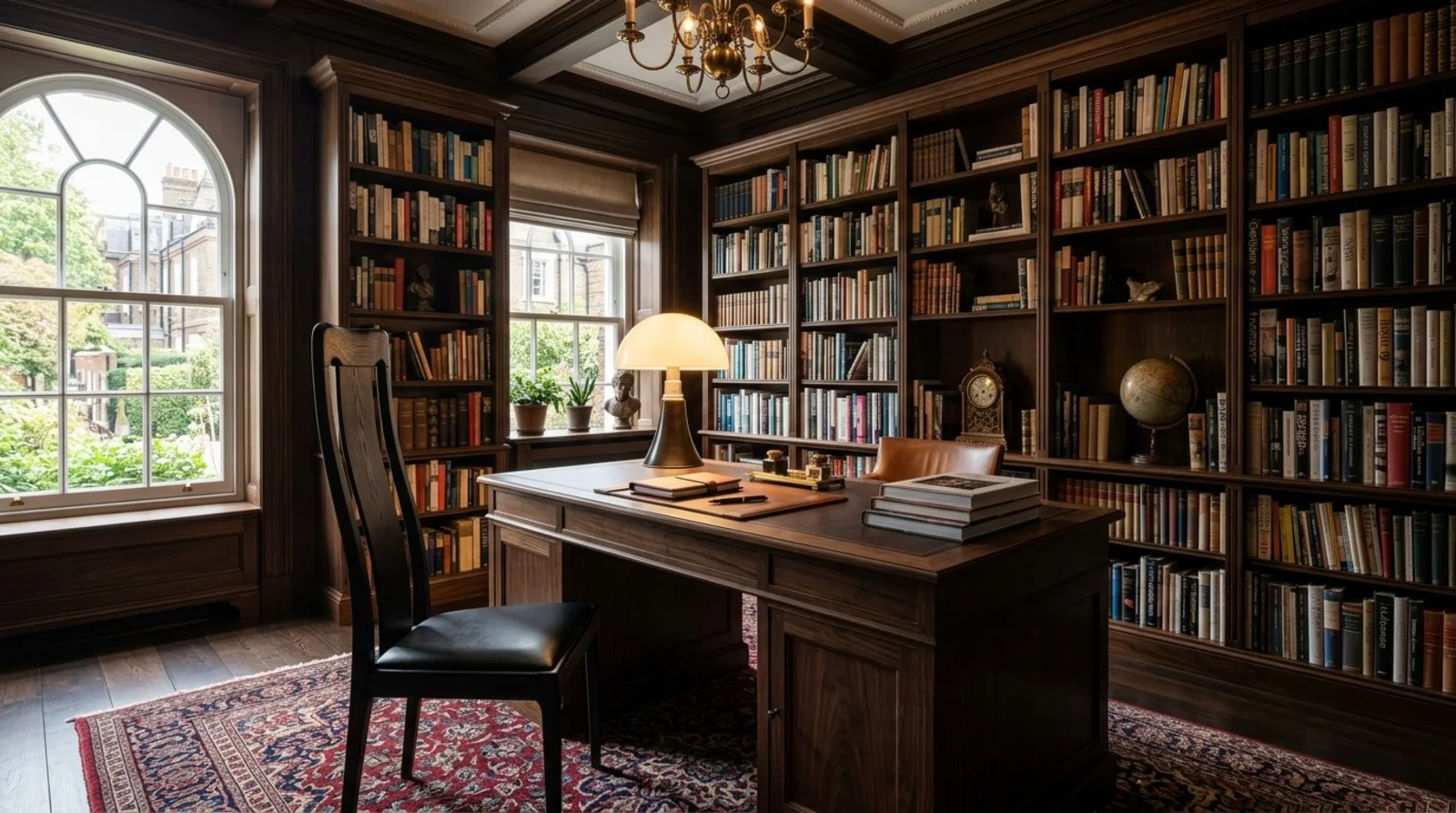
The original version was produced by Cassina until 1960. That year, the Castiglioni brothers assigned production to Dino Gavina, a decision that placed the chair at the center of a movement. Gavina initiated an evolution of Rationalism and founded the approach he called Ultrarazionale, Ultra-Rationalism, a term that clearly expresses the intention to go beyond Rationalism while still affirming a connection with the past. Surpassing the Rationalism of Lake Como did not mean abandoning it; it meant translating its modernity into the contemporary age and making it relevant anew.
Gavina’s respect for his collaborators was not abstract. Of Pier Giacomo Castiglioni, he said simply:
“I realised straight away that Pier Giacomo was a giant among men.”
— Dino Gavina
The Lierna is now a frequent item at international auctions, and a re-edition was produced in collaboration with the Castiglioni Foundation. Conceived in the 1950s with its curved backrest, it was an innovative answer to new ways of sitting, and it has aged into a collectible.
The chairs it inspired
A good design throws a long shadow. The Lierna directly informed a later variant, the Irma chair (Zanotta, 1979), named for Achille Castiglioni’s wife, in which he kept the same spinal curve and ergonomic logic but swapped the lacquered wood for steel tubing. The concept also echoes in Giorgio Cattelan’s La Lara. A narrow, high-backed, essential chair, it turns out, travels easily across materials and decades.
It also belongs to a larger Castiglioni habit of mind. The brothers are famous for “readymade” ingenuity, the tractor-seat Mezzadro stool and the bicycle-saddle Sella, where a real-world object is reframed into something refined and human-centered. The Lierna is not a readymade, but it comes from the same instinct: study how people actually use a thing, then design only what that use requires, and nothing more.
Specifying a Lierna today
In a current interior, the Lierna earns its place precisely because it is quiet. Perfect with a warm wood table. Lets the room speak. Leather adds a rich, durable feel. Fabric softens the space. Either way, pick the simple element, let the room breathe.
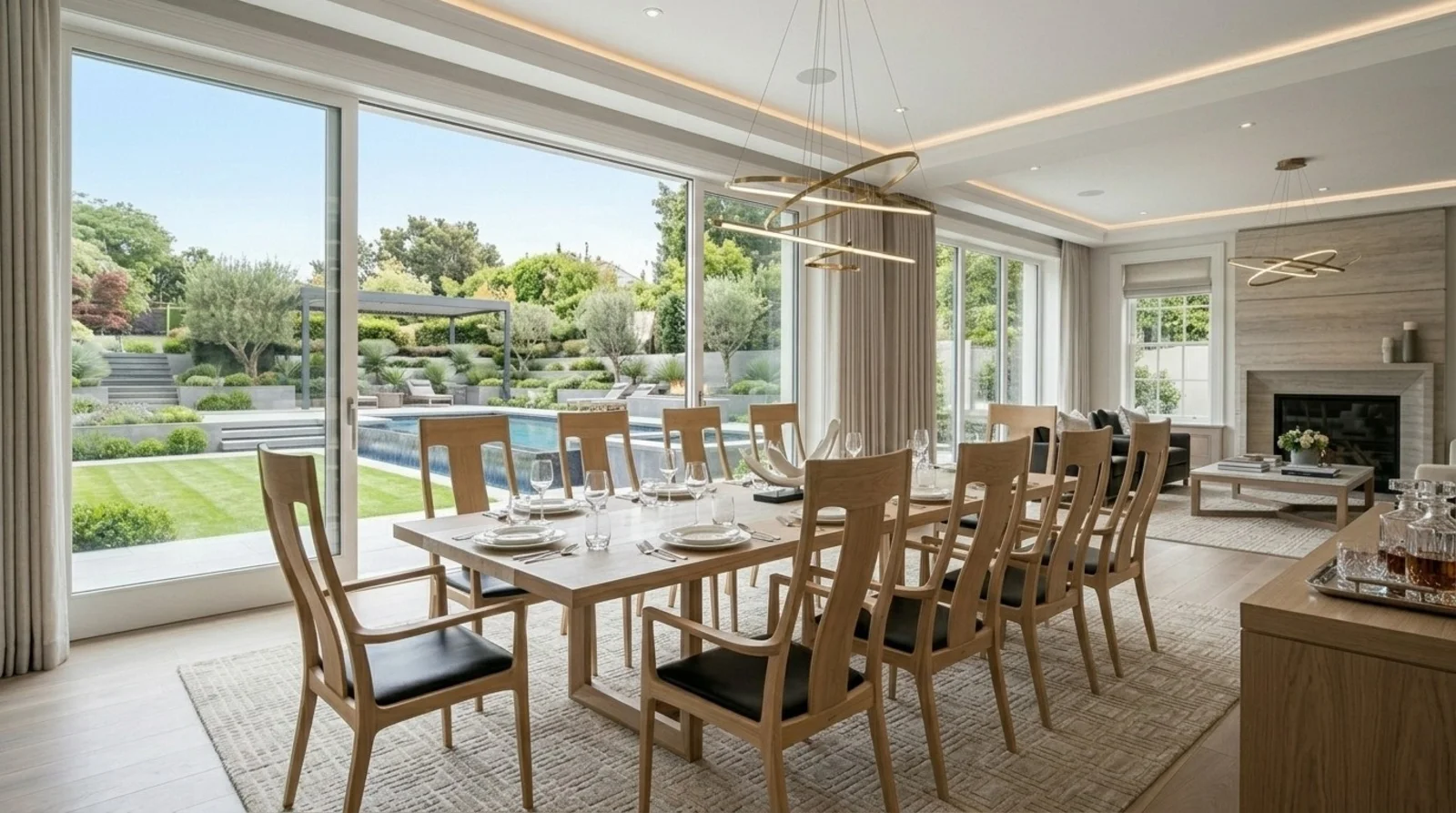
If you are hunting for originals rather than the re-edition, treat it like the historic object it is. That is where most plans go sideways, which is why it is worth one honest note from our own files.
Lierna chair FAQ
Is the Lierna chair still made?
Yes. After Cassina and Gavina, Meritalia grabbed the rights in 2014. Worked with the Castiglioni Foundation for a re-edition.
Why is a solid-wood chair so light?
Because the frame is built from slim, essential sections rather than heavy stock. The Castiglionis designed for lightness deliberately, so the chair is easy to move at the table.
What is the difference between the Lierna and the La Irma?
The La Irma (Zanotta, 1979) keeps the Lierna’s concept but swaps the lacquered wood frame for steel tubing. Same idea, different material.
Is the Lierna a good everyday dining chair?
It was designed for exactly that: a tall, narrow back for support and shoulder shielding, a comfortable seated posture, and a light frame for daily use. For originals, confirm seat height against your table.
Sources & References
This guide draws on the recognized design-history record for the Castiglioni brothers and the Lierna chair, alongside Designed | Curated Interiors’ own project files for the specifying notes:
- Fondazione Achille Castiglioni, archive and re-edition record of the Castiglioni brothers’ work.
- Cassina, original manufacturer of the Lierna chair through 1960.
- Zanotta, producer of the later steel-tube variant, La Irma (1979).
- Achille Castiglioni, designer of the Lierna chair (Wikipedia) (Wikipedia overview, with primary citations).
- Triennale Milano, institutional context for Italian Rationalist and Ultrarazionale design.
Interior images show the Lierna chair’s design in styled Designed | Curated settings. Compiled by Designed | Curated Interiors, June 2026.