
In 2026 interior plant design is shifting toward highly personalized, sustainable, and technologically integrated solutions that create a calming, biophilic environment. The key takeaway is that future plant styling will prioritize eco-friendly practices, innovative display techniques, and smart care systems to enhance interior spaces seamlessly.
Interior plant design in 2026 will blend sustainability, tech, and bespoke aesthetics to redefine how plants shape our indoor environments. This post, built from our active project files across Sacramento and Mill Valley, will explore predicted trends, popular species, sustainable practices, innovative display techniques, new technologies, color interactions, and the role of biophilic design for the coming year.
Common Questions
| What are the future trends in interior plant design for 2026 in Sacramento? | In 2026, interior plant design in Sacramento will focus on personalized, sustainable, and technologically integrated solutions that create calming, biophilic environments. |
| How can I incorporate sustainability into my interior plant design in Sacramento? | Use eco-friendly materials like recycled planters, biodegradable pots, sustainable substrates, and native or drought-tolerant plants suited for Sacramento's climate. |
| What innovative display techniques are popular for interior plants in 2026? | Modular plant walls, integrated furniture with built-in planters, and custom millwork from local artisans are popular display options. |
| Are smart watering systems important for interior plant design in 2026? | Yes, automated drip irrigation systems connected to Wi-Fi are increasingly used to ensure healthy plants with minimal maintenance. |
Embracing Sustainable and Tech-Integrated Plant Design
In 2026, the most significant shift in interior plant design is toward sustainability paired with smart technology. Across our active project specifications, we see a rising preference for eco-friendly materials like recycled planters, biodegradable pots, and sustainable substrates. The American Society of Interior Designers emphasizes the importance of biophilic principles that connect occupants with nature while reducing environmental impact.
Innovative display techniques are gaining popularity, such as modular plant walls and integrated furniture with built-in planters from brands like Bloomscape or custom millwork from local Sacramento artisans. These solutions allow for flexible arrangements that adapt to changing aesthetics and plant growth without cluttering the space. The integration of smart watering systems, like automated drip irrigation connected to home Wi-Fi, ensures healthy plants with minimal maintenance, aligning with the growing demand for sustainable living.
Color palettes will interact more dynamically with plant choices, favoring earthy, muted tones complemented by vibrant greens and natural textures. This approach enhances biophilic design's role in creating calming, restorative interiors that support mental health and well-being, especially in urban environments like Sacramento where natural light varies seasonally.
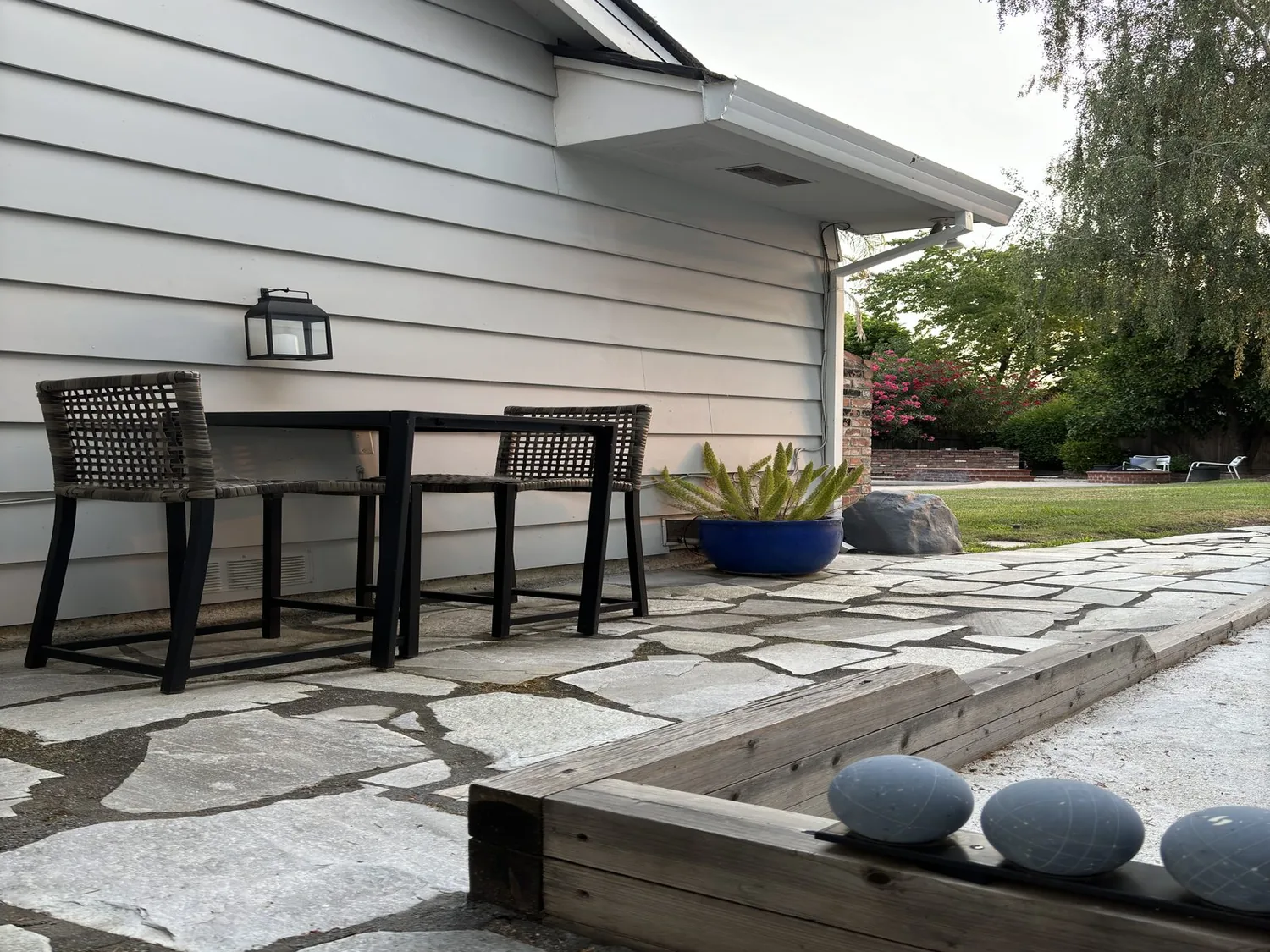
Material Specificity in 2026 Interior Plant Design
Authenticity-grade materials
- Recycled concrete planters, durable and eco-friendly, supporting sustainability goals
- Bamboo planters, fast-growing, biodegradable, and stylish
- FSC-certified wood boxes, responsibly sourced with minimal environmental impact
- Biodegradable pots, compostable options that reduce waste
- Reclaimed metal stands, industrial aesthetic with recycled content
- Natural fiber mats, made from jute or coir, adding texture and eco-consciousness
- Laminated glass containers, sleek, modern, and recyclable
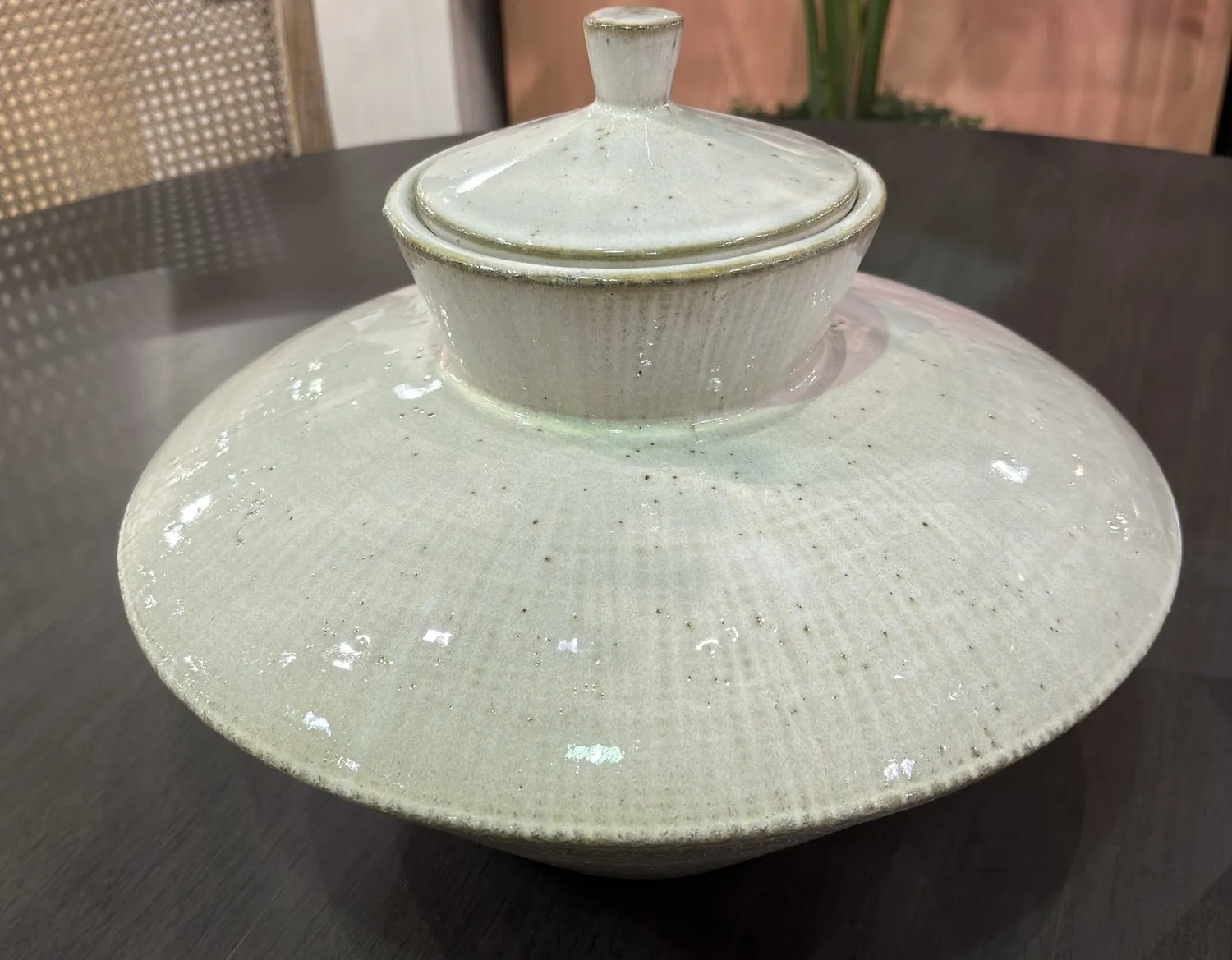
- Stoneware vessels, artisanal, durable, and timeless
Generic-grade tells we refuse to spec
- Plastic pots, widely used but non-biodegradable
- Non-recycled metals, less sustainable and environmentally costly
- VOCs-emitting finishes, harmful to indoor air quality
- Low-grade composite materials, less durable and eco-friendly
- Synthetic fabrics, non-biodegradable and less natural
- Mass-produced accessories, often lack authenticity and sustainability
How to Choose the Right Plants and Display for 2026
Homeowners often struggle with selecting plants that will thrive indoors while complementing their interior style. The first question we ask is what the primary goal is, are you seeking low-maintenance greenery, a statement feature, or a natural air purifier? In 2026, the trend leans toward native and eco-friendly species like succulents, air plants, and ferns that require minimal watering and thrive in Sacramento’s climate.
Choosing the right display method is equally important. Modular plant walls, built-in furniture with integrated planters, or sleek floating shelves from brands like West Elm or custom Sacramento artisans are popular options. These choices not only enhance aesthetics but also improve plant health, as proper light and airflow are critical. Consider the scale of your space and lighting conditions, and avoid overcrowding which can lead to plant stress and high replacement costs.
Ultimately, integrating smart watering systems and choosing authentic, sustainable materials will ensure your plants thrive with less maintenance. The key is to align your plant choices with your lifestyle and interior design goals, making sure the display technique enhances both the space and the plant’s health.
Sizing and Specification Guide for Indoor Plants in 2026
Selecting the right size of plants and containers is crucial for an aesthetic and functional interior. For standard ceiling heights of 8 to 9 feet, small to medium plants in 10-14 inch pots work well in living rooms and kitchens. Larger statement plants like fiddle leaf figs or palms may require 24-inch containers, but they need sufficient space and light to flourish.
When choosing fixtures such as range hoods or built-in cabinets, size matters. For example, a 36-inch range hood suits most standard kitchens, while a 48-inch model can handle larger cooking zones. In terms of plant display, modular systems with adjustable height and depth are ideal for dynamic interiors that evolve over time.
Custom millwork from Sacramento-based fabricators offers tailored solutions that maximize space and plant health. Stock options are faster and more budget-friendly but may lack the precise fit needed for sophisticated designs. The choice depends on your priorities around timeline, budget, and long-term flexibility.
Should You Remodel or Rebuild for Your Indoor Plant Vision?
Many Sacramento homeowners ask whether to remodel their existing spaces or opt for a rebuild when integrating advanced plant features. The first question we ask is what decision you are struggling to make about this space. In older homes with limited natural light or awkward layouts, a rebuild can offer a fresh start to optimize light and flow for plants.
However, remodeling often suffices if the goal is to introduce integrated planters, new lighting, or smart watering systems. For example, updating a kitchen with a new light-filled corner and installing built-in planters can achieve the desired biophilic effect without extensive structural work. Our experience on the Oak Valley Project showed that a careful assessment with tools like permit research and site photos revealed that a partial remodel focused on light and layout was more efficient than a full rebuild.
In Sacramento’s land-rich neighborhoods, preserving character while modernizing for plant integration often yields the best ROI. The decision depends on the home's age, structural constraints, and your long-term goals for the interior environment.
Common Mistakes to Avoid in 2026 Interior Plant Design
Biggest Waste: Over-investing in exotic plants that require high maintenance and specialized care, which often leads to high replacement costs. Focus instead on native or adaptable species.
Biggest Regret: Choosing containers or fixtures that are non-eco-friendly or visually disconnected from the interior style, which diminishes the overall aesthetic and sustainability goals.
Hidden Cost: Underestimating the importance of proper lighting and airflow, resulting in plant health issues and frequent replacements. Incorporate smart lighting and ventilation to mitigate this risk.
What's Going Out for 2026
- Overly ornate or traditional plant containers that clash with modern interiors
- Ignoring sustainability when selecting materials and species
- Overcrowding plants which leads to poor health and maintenance issues
- Using non-automated watering systems that waste water and time
- Relying solely on exotic species that need high upkeep
- Neglecting the importance of light and airflow in plant placement
- Opting for generic, mass-produced planters without considering eco-impact
- Ignoring native or regionally adapted plant species
- Choosing high-maintenance plants for busy households
- Failing to integrate plant features seamlessly with existing interior architecture
What This Costs in 2026
| Scope | Typical range |
|---|---|
| Basic refresh with small plants and simple containers | $5K-$12K |
| Mid-tier integrated systems with custom planters and automation | $12K-$30K |
| Luxury estate-scale integration with built-in green walls and advanced smart systems | $30K-$100K |
Working Notes
What We Have Learned Doing This: Interior Plant Design: A Designer's Guide to the 2026 Look
“Nothing expensive announces itself. It shows up as a small delay.”
After enough projects you stop fearing bad taste and start fearing the boring things: delays, sequencing mistakes, moisture behind a wall, an electrician improvising, framing that is not where the drawings swear it is. The aesthetic part still matters, it is why anyone hires anyone, but execution decides whether the room ever gets built the way it was drawn.
Specify for the next ten years, not the next photo shoot. The work that holds its value is quiet, well made, and a little bit boring on the day it is installed.
Most of the money that gets wasted is spent solving the wrong problem confidently. A homeowner asks for more space, every contractor agrees and prices an addition, and the real issue turns out to be light, or proportion, or one bad sightline. We make the room tell us the problem before anyone signs a demolition contract.
These notes come from our own project debriefs. Most were learned the expensive way the first time.
Sources & Professional References
This guide's positions on materials are grounded in published building-code, standards, and recognized design-authority sources, alongside Designed | Curated Interiors' verified credentials and active project files:
- American Society of Interior Designers (ASID): interior-design practice standards
- International Code Council (ICC): Chapter 8 Interior Finishes
- NKBA, Amy Kunst Member Profile (verified credential, NKBA Committee Member)
- Featured in: Homes & Gardens (design expert quote, May 2026) · Sacramento Love (guest author, 2024)
From Principle to a Real Room
A trend piece is the briefing document, not the deliverable. The pages below show how we translate these principles into finished rooms across Sacramento and the rest of Northern California.
- Sacramento & Bay Area Interior Design Services How we scope, source, and deliver work end to end.
- Interior Designer Hub, Sacramento Where most of our Sacramento work lives, the regional fit explained.
- Modern Tudor Homes: Authentic, Revival, and Neo-Tudor (A Designer Reference) Heritage-architecture renovation patterns from our project files.
- Japandi Living Room: A Designer's Guide to the 2026 Look The 2026 warm-neutral playbook applied to the living room.