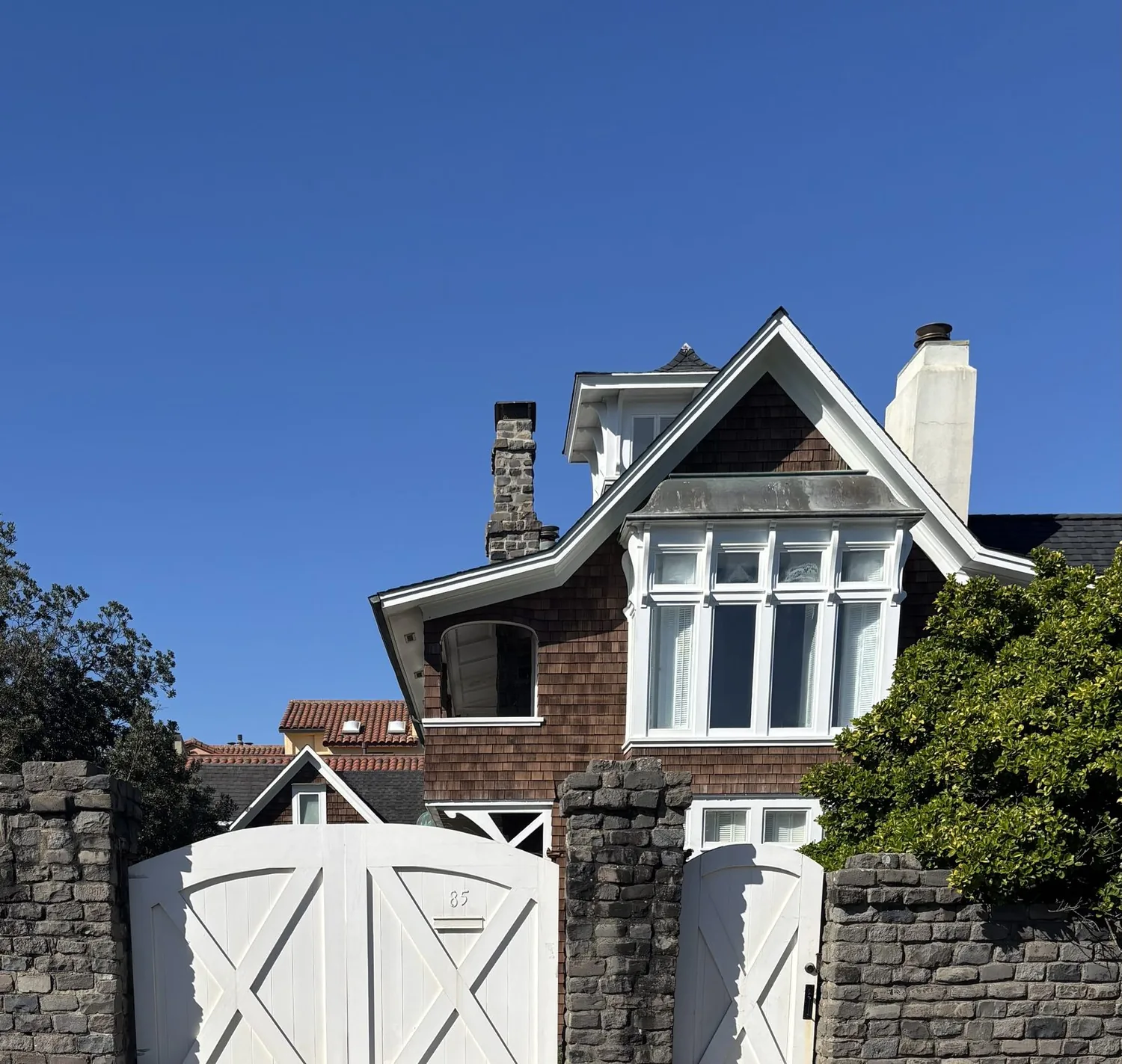
Finding professional interior designers specifically in East Sacramento is your first step toward creating a space that reflects your style and meets your needs. East Sacramento’s design community offers a range of highly-rated professionals skilled in residential, traditional, and modern aesthetics. This guide will help you identify top local interior designers, explore their portfolios, and understand their fee structures, so you can make an informed choice for your project.
Built from our active project files, this post covers the key considerations when hiring East Sacramento interior designers, including proximity, specialization, client reviews, and upcoming local design events. We focus on practical, regionally anchored insights that match the subtle restraint and intentionality central to 2026 design trends, helping you navigate the local design landscape confidently.
Direct Answers (Interior Designers East Sacramento)
| How can I find interior designers in East Sacramento? | Start with NKBA-certified designers like those in Designed | Curated Interiors, who specialize in residential work and have 10+ years of experience in Sacramento County—including active projects in East Sacramento. Skip the vague ‘local professionals’ search; focus on portfolios that show work in historic neighborhoods, not just generic modern spaces. |
| What should I consider when hiring an interior designer in East Sacramento? | Prioritize designers who’ve worked with pre-1950s homes—East Sacramento’s historic core includes Craftsman bungalows, Victorian revivals, and early 20th-century cottages—and can navigate HOA rules without cutting corners. Ask for case studies of projects where they balanced original architectural details with functional updates, not just before/after mood boards. |
| Are there specific design styles that work well in East Sacramento? | The neighborhood’s most successful designs align with its built history: original Craftsman (low-pitched roofs, built-in cabinetry), bungalow (open floor plans, front-porch symmetry), or revival styles (pocket doors, stained glass) that preserve the era’s craftsmanship. Avoid ‘traditional’ as a catch-all—East Sacramento’s ‘historic’ starts with pre-1940 construction, not just ‘old-looking’ finishes. |
| How does regional architecture influence interior design choices in East Sacramento? | Original materials—hardwood floors, built-in millwork, or plaster walls—dictate what you can safely modify. For example, replacing a 1920s pocket door with a modern slab door violates both historic preservation logic and HOA bylaws in most cases. Subtle updates (e.g., repainting built-ins in period-appropriate colors) work; structural changes rarely do. |
The First Major Design Move in East Sacramento Projects
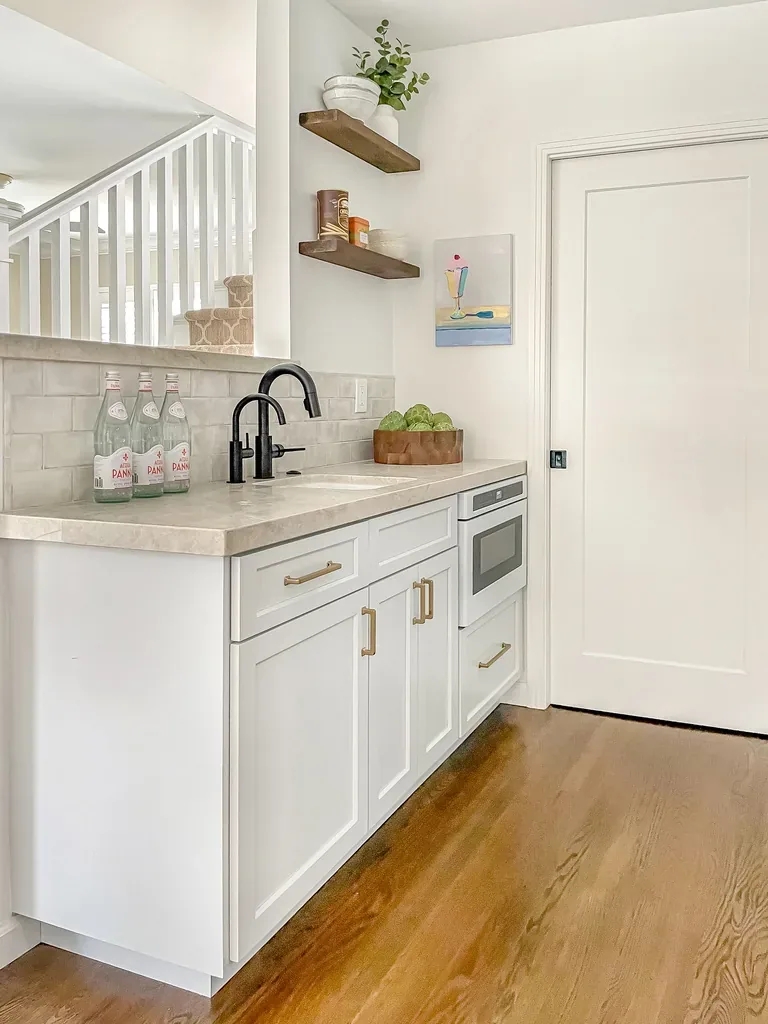
In East Sacramento, the first major design move often involves balancing the neighborhood’s historic charm with modern functionality. Across our active project specifications, we see a strong emphasis on integrating period-appropriate materials with contemporary finishes. For example, brass fixtures paired with reclaimed wood accents create a warm yet timeless aesthetic. One key move is selecting finishes that age gracefully, like polished nickel or matte black hardware, which complement the area's architectural stock of early 20th-century homes.
Designers working in East Sacramento prioritize creating cohesive, livable spaces that respect the neighborhood's character. This involves careful material selection, such as durable quartz countertops and engineered hardwoods that withstand Sacramento’s climate. The goal is to craft interiors that feel both authentic and fresh, avoiding the trap of over-customization or trendy excess. When executed thoughtfully, this approach enhances both daily comfort and long-term value.
Material Specificity for East Sacramento Interiors
Authenticity-grade materials
- White oak (rift-sawn), for floors and slat detail; calmer grain than plain-sawn
- Limestone, for fireplace surrounds and accents, authentic to historic homes
- Oil-rubbed bronze, for fixtures and hardware, weathered look complements aged architecture
- Ceramic subway tile, for backsplashes, timeless and easy to maintain
- Reclaimed barn wood, for accent walls and cabinetry, sustainable and character-rich
- Matte black steel, for lighting fixtures, modern contrast within traditional settings
- Natural linen fabrics, for drapery and upholstery, soft and breathable
- Polished concrete, for minimalist floors or countertops, durable and contemporary
Generic-grade tells we refuse to spec
- Mass-produced veneers, lack of authenticity and character
- Synthetic laminates, easy but often cheap-looking
- Cheap chrome fixtures, prone to corrosion and less warm
- Pre-finished engineered flooring, less repairable and less authentic
- Plastic hardware, cheap and short-lived
- Mass-market tile, lacks unique character
- Vastly uniform fabrics, dull and lacking texture
- Low-quality painted finishes, chip easily and look cheap
East Sacramento and Sacramento’s Unique Design Landscape
East Sacramento's historic homes and established neighborhood character make it an ideal setting for design approaches that honor tradition while embracing modern comforts. The neighborhood’s architectural stock, featuring craftsman bavilions, early 20th-century revival homes, and bungalow styles, influences design choices that prioritize authenticity and craftsmanship. The region’s abundant mature landscape and natural light further support warm, restrained palettes with natural materials.
In Sacramento overall, the blend of historic preservation and contemporary renovation requires a nuanced approach. Our local experience shows that integrating modern amenities without losing the neighborhood’s charm is crucial for long-term value. For residents considering a remodel, understanding the regional context is essential. Our Sacramento interior designer hub offers insights into regional trends and available professionals who can help you navigate this balance effectively.
Design in East Sacramento often benefits from a regional sense of restraint, emphasizing quality materials and subtle detailing. The local climate and landscape also favor sustainable choices that age gracefully, reinforcing the importance of regionally sensitive design strategies.
Should You Remodel or Rebuild in East Sacramento?
Homeowners in East Sacramento often face the dilemma of whether to remodel an existing home or undertake a rebuild. The first question we ask is about the home's age, condition, and historical significance. Many older homes have good bones but need updates that respect their character. Our typical approach involves evaluating structural integrity, permit requirements, and long-term value.
For example, on the Liberty Oaks Project, the homeowners wanted a modern kitchen but were hesitant to tear down walls or disturb the historic fabric. We started with a walk-through, using a tape measure and reviewing existing permits, to assess the scope. It became clear that a full rebuild would be unnecessary and costly. Instead, strategic updates like new cabinetry, subtle layout adjustments, and lighting improvements provided the desired transformation. This approach saved the client a six-figure budget and preserved the neighborhood’s character.
In Sacramento, this decision often hinges on the existing home's condition and local regulations. A careful evaluation of structural and permit constraints, combined with regional design standards, can make remodeling a more sustainable and cost-effective choice than rebuilding.
How to Modernize an Older Sacramento Home Without Losing Its Character
The key to modernizing older Sacramento homes lies in balancing new technology and finishes with traditional details. The first step is understanding what elements are worth preserving, such as original moldings, hardwood floors, or built-ins. The American Society of Interior Designers emphasizes respecting the home's core architecture while updating the interior for current living standards.
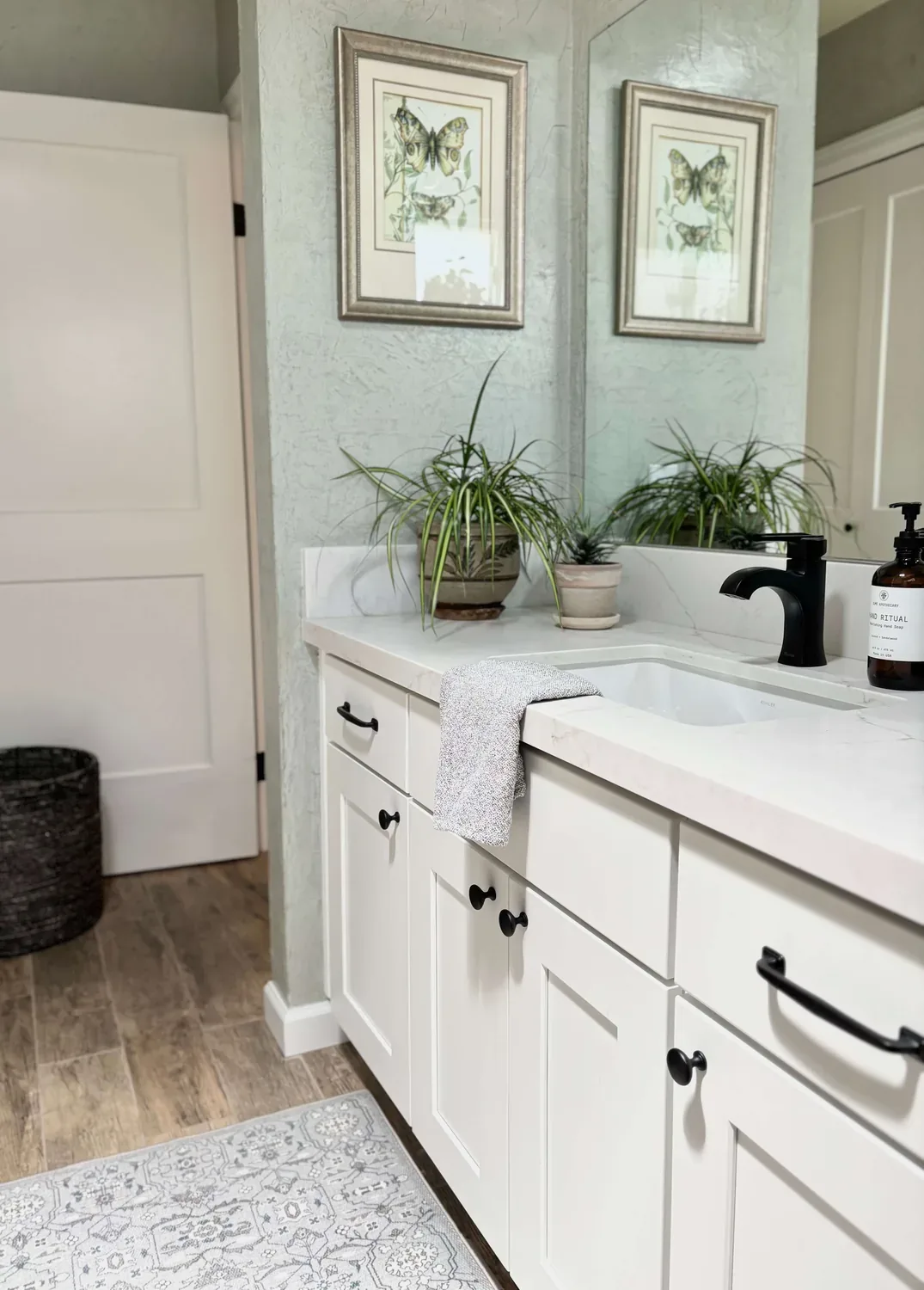
Our recent projects show that selecting materials like matte black fixtures, engineered hardwoods, and natural linen textiles, paired with subtle contemporary lighting, creates a timeless yet current look. For example, replacing outdated cabinetry with custom millwork from local fabricators can enhance authenticity, while modern appliances ensure functionality. The goal is to enhance comfort and value without erasing the home’s historic spirit.
In Sacramento’s older neighborhoods, this approach is especially effective because it maintains the neighborhood’s integrity while providing residents with a contemporary lifestyle. It’s about thoughtful updates that add value and appeal, aligned with regional expectations for quality and craftsmanship.
Common Mistakes We See When Designing in East Sacramento
One common mistake is over-customization that clashes with the neighborhood’s historic character. For instance, overly modern fixtures or bold colors can feel out of place. Another issue is neglecting regional climate considerations, such as choosing materials that don’t age well in Sacramento’s heat and sun, leading to premature wear. Finally, rushing into major structural changes without thorough assessment often results in costly surprises or permit delays.
By understanding regional nuances and respecting existing architecture, homeowners can avoid these pitfalls and achieve cohesive, high-value results that stand the test of time.
Local permits & planning
Working Notes
What We Have Learned Doing This: Interior Designers East Sacramento
“Site conditions vote last, and they always vote.”
The cheapest tool on any project is a sample board and an afternoon. We have watched five-figure mistakes get caught by a fifteen-dollar paint sample lived with for a week in the actual light of the actual room. Decisions made under showroom lighting do not survive contact with a real house.
Specify for the next ten years, not the next photo shoot. The work that holds its value is quiet, well made, and a little bit boring on the day it is installed.
Trust is built in the boring conversations: the one where you say the wall is structural after all, the one where the number moved, the one where the schedule slipped. Clients forgive reality. They do not forgive being surprised by it.
These notes come from our own project debriefs. Most were learned the expensive way the first time.
Sources & Professional References
This guide's positions on kitchen are grounded in published building-code, standards, and recognized design-authority sources, alongside Designed | Curated Interiors' verified credentials and active project files:
- American Society of Interior Designers (ASID): interior-design practice standards
- Community Development (Building Division), Sacramento (Sacramento County) building permit portal
- NKBA, Amy Kunst Member Profile (verified credential, NKBA Committee Member)
- Featured in: Homes & Gardens (design expert quote, May 2026) · Sacramento Love (guest author, 2024)
Frequently Asked
How can I find interior designers in East Sacramento?
What should I consider when hiring an interior designer in East Sacramento?
Are there specific design styles that work well in East Sacramento?
How does regional architecture influence interior design choices in East Sacramento?
Can an interior designer help with permits for projects in East Sacramento?
What are some key considerations for modernizing older East Sacramento homes?
When should I choose remodeling over rebuilding in East Sacramento?
From Principle to a Real Room
A trend piece is the briefing document, not the deliverable. The pages below show how we translate these principles into finished rooms across Sacramento and the rest of Northern California.
- Sacramento & Bay Area Interior Design Services How we scope, source, and deliver work end to end.
- Interior Designer Hub, Sacramento Where most of our Sacramento work lives, the regional fit explained.
- Interior Designers East Sacramento CA, Where Heritage Meets Modern Living Discover timeless design in East Sacramento. Talk to Amy at......
- East Sacramento Interior Design | Fab 40s, Historic + Heritage Renovations 2026 Related cluster piece referenced from the East Sacramento Interior Design | Fab 40s, Historic + Heritage Renovations 2026 build files.
- Sacramento Home Designers Sacramento home designers are residential design professionals who convert Sacramento-area housing constraints (real condition of the space), Califo