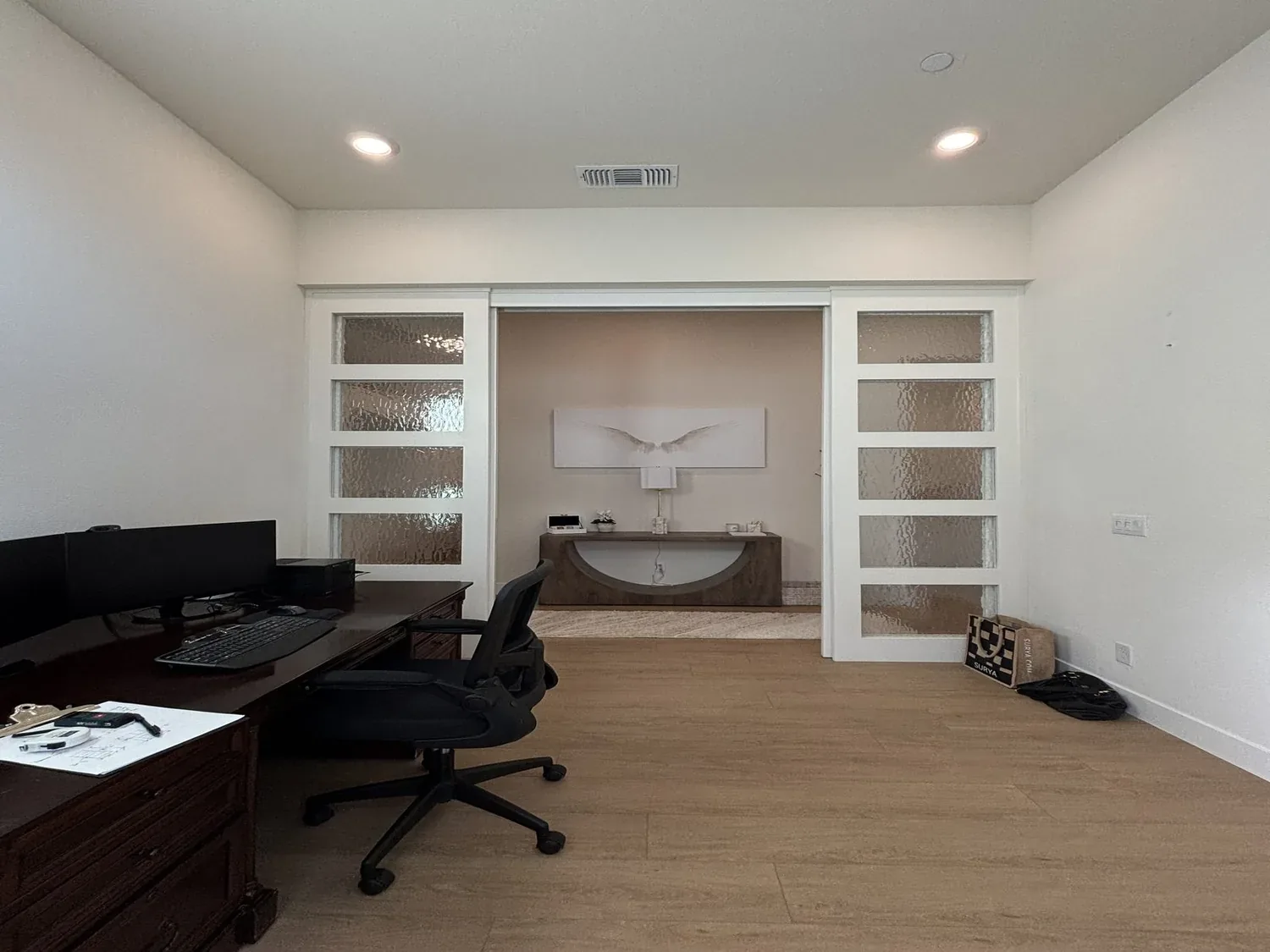
You need a mood board. Think of it as a starting map before choosing colors or textures. It stops expensive blunders. You can see if things fit together. Select images and materials carefully. They should match your vision. Let's create a mood board for your style. Check our project files. Start fresh or tweak an existing plan. We’ll discuss tools and tips so your mood board can guide your design.
We're interior designers here in Sacramento. We know how local context influences design choices. I’ll walk you through the process step by step, with an eye on regional trends for 2026.
Direct Answers (Creating An Interior Design Mood Board)
| What is the first step in creating an interior design mood board? | First, what’s your main vision? What's the atmosphere you're aiming for? |
| Which tools are recommended for designing a mood board? | Canva or Milanote works well for organizing easily. Just drag and drop. |
| How does regional light in Sacramento influence mood board choices? | Sacramento’s sunlight warms up natural materials. Stick to neutrals. |
| What elements should I focus on to develop a cohesive mood board? | Start with the colors. Add images that bring them to life in combination. |
Establishing Your Core Vision Through a Cohesive Mood Board
When starting to create an interior design mood board, the first step is clarifying your core vision. What feeling do you want? Lively or calm? Start with inspiration. Gather from places like magazines or regional buildings. Refine it to what clicks with you. Focus on key elements. Pick a main color, a texture or material, and a style like contemporary or rustic. These choices become the base of your mood board.
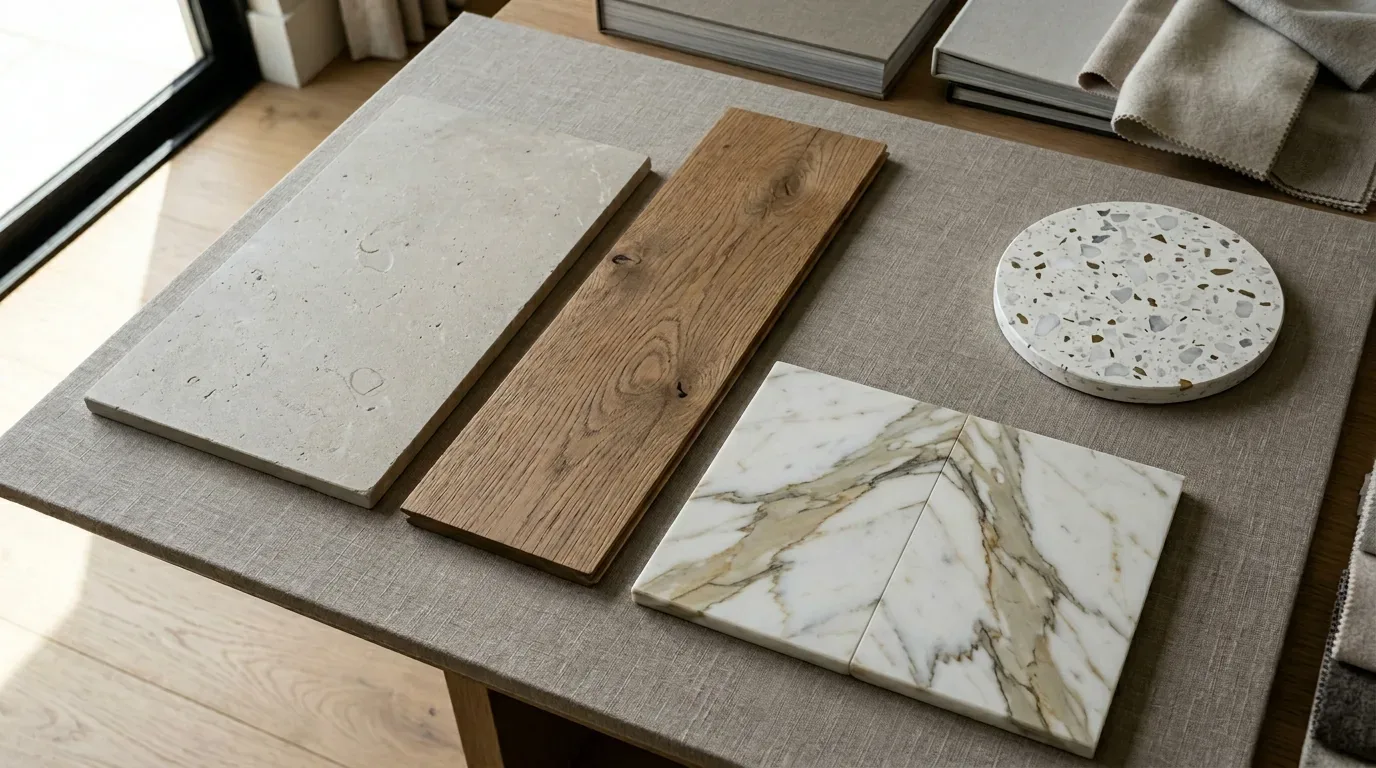
Choosing the right images and materials is vital in our project specs. Try Canva or Milanote first. Move items around on your board with ease. Go for linen or reclaimed wood if you're after texture. Gather swatches that match the feeling. Try muted greens or warm neutrals. Balance with images showing real spaces. Use this as a quick visual guide for your choices.
Material Specificity for Authentic and Durable Design
Authenticity-grade materials
- White oak (rift-sawn), for floors and slat detail; calmer grain than plain-sawn
- Linen fabric, natural, breathable, adds softness and texture
- Reclaimed wood, sustainable choice, adds authenticity and character
- Carrara marble, classic, timeless surface with subtle veining
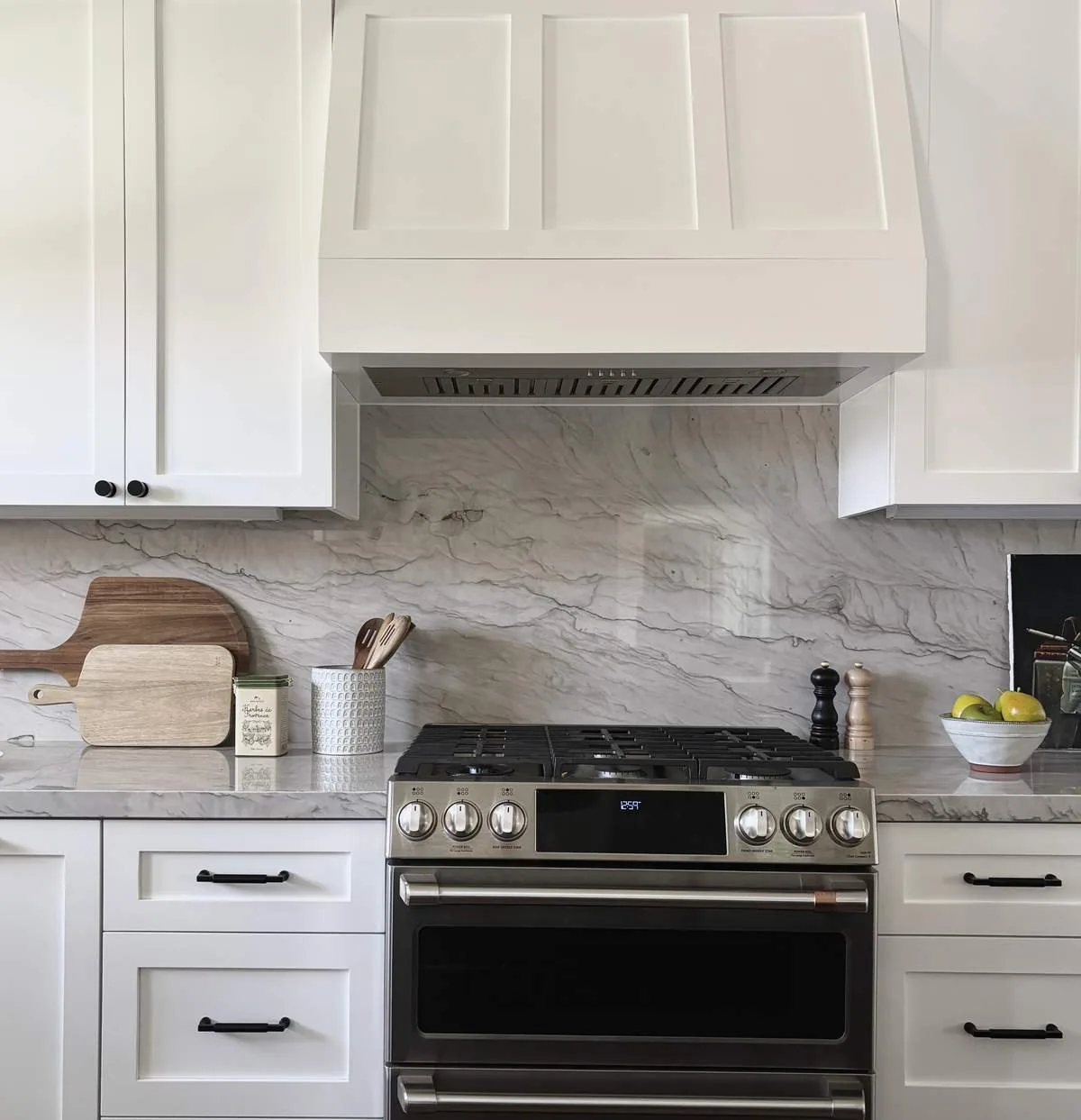
- Matte black hardware, modern, understated contrast against light tones
- Natural wool rugs, durable, soft, and regionally appropriate
- Bronze fixtures, warm metallic finish that ages well
- Low-VOC paint, healthier for indoor air quality and regionally sustainable
Generic-grade tells we refuse to spec
- Standard laminate countertops
- Mass-produced furniture pieces
- Synthetic textiles
- High-gloss finishes
- Plastic hardware
- Artificial stone surfaces
- Low-quality veneers
- Overly shiny metallics
How to Choose the Right Elements for Your Mood Board
The first question we ask homeowners is what feeling they want to evoke. Are they aiming for a calm retreat or an energetic space? After deciding that, balance everything else. Looking for a coastal vibe? Go for gentle blues and sandy colors with some linen. Avoid overloading your board with too many clashing ideas. Stick with a few main pieces, then build with images showing them in real settings. Milanote and Canva let you see how pieces fit. The American Society of Interior Designers emphasizes clarity and coherence, which helps prevent costly redesigns later. It's your guide. Adjust it until satisfied.
In our Sacramento projects, regional light influences how colors appear in the mood board. Screen colors shift under daylight. Test swatches in the room. A light meter helps check them. Tell a story that fits your room.
Common Mistakes We See When Creating Mood Boards
Biggest Waste: Overloading the board with too many conflicting styles or textures, which dilutes the overall vision and makes decision-making harder. Stick with some basics.
Biggest Regret: Choosing colors or materials without testing them in the actual space, leading to disappointment when the lighting changes or textures don’t match expectations. Test colors under local light exposure.
Hidden Cost: Relying solely on digital images without considering tactile qualities or regional context, which can lead to mismatched expectations and costly revisions during procurement or installation. Get those samples in early.
What's Going Out for 2026
- Relying only on printed images without digital tools
- Using overly generic or trendy images that don’t reflect regional context
- Ignoring the importance of textures and tactile materials
- Focusing only on color without considering materials and scale
- Skipping testing materials and colors in the actual space
- Overloading boards with too many conflicting ideas
- Neglecting lighting conditions and regional landscape influence
- Using low-resolution images that don’t convey true texture and color
What Creating An Interior Design Mood Board Costs in 2026
| Scope | Typical range |
|---|---|
| Refresh scope: small updates with new accessories and paint | $8K-$20K |
| Mid-tier scope: new furniture, some custom pieces, new lighting | $30K-$75K |
| Estate-scale: comprehensive redesign, high-end materials, custom cabinetry | $150K-$400K |
Working Notes
What We Have Learned Doing This: Creating an Interior Design Mood Board
“Trades do not read minds. They read drawings.”
Real trust grows from tough chats. Structural wall? Deal with it. Budget shifted? Address that. Schedule's delayed? Face the facts. Clients forgive reality. They do not forgive being surprised by it.
A renovation is a dependency chain, not a list of tasks. A two-day cabinet delay quietly becomes a two-week slip by week sixteen because every trade downstream is holding a calendar. The least glamorous part of this work, and the most valuable, is keeping that chain from cascading.
Specify for the next ten years, not the next photo shoot. The work that holds its value is quiet, well made, and a little bit boring on the day it is installed.
These notes come from our own creating an interior design mood board project debriefs. Most were learned the expensive way the first time.
Sources & Professional References
This guide's positions on materials are grounded in published building-code, standards, and recognized design-authority sources, alongside Designed | Curated Interiors' verified credentials and active project files:
- American Society of Interior Designers (ASID): interior-design practice standards
- International Code Council (ICC): Chapter 8 Interior Finish Decorative Materials And Furnishings
- Associated General Contractors (AGC): Bringing Stp You
- NKBA, Amy Kunst Member Profile (verified credential, NKBA Committee Member)
- Featured in: Homes & Gardens (design expert quote, May 2026) · Sacramento Love (guest author, 2024)
Frequently Asked
What is the first step in creating an interior design mood board?
Which tools are recommended for designing a mood board?
How does regional light in Sacramento influence mood board choices?
What elements should I focus on to develop a cohesive mood board?
How can I ensure my mood board reflects regional authenticity?
What are some common mistakes to avoid when creating a mood board?
Why is regional context important in interior mood boards?
From Creating An Interior Design Mood Board to a Real Room
A trend piece is the briefing document, not the deliverable. The pages below show how we translate these principles into finished rooms across Sacramento and the rest of Northern California.
- Sacramento & Bay Area Interior Design Services How we scope, source, and deliver work end to end.
- Interior Designer Hub, Sacramento Where most of our Sacramento work lives, the regional fit explained.
- Modern Tudor Homes: Authentic, Revival, and Neo-Tudor (A Designer Reference) Heritage-architecture renovation patterns from our project files.
- Japandi Living Room: A Designer's Guide to the 2026 Look The 2026 warm-neutral playbook applied to the living room.