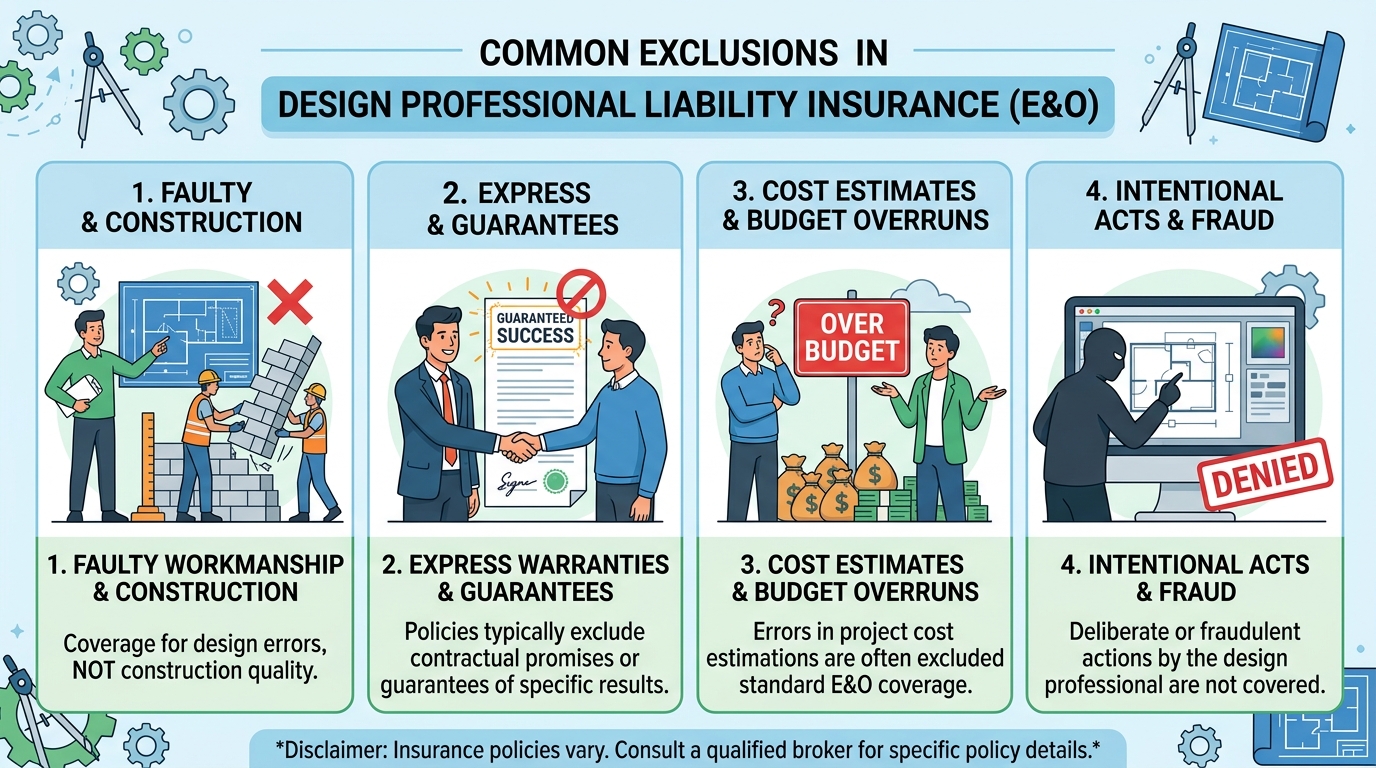
In 2026, interior designers in Sacramento need comprehensive insurance coverage that adapts to evolving industry risks and regulations. The core concern is ensuring protection against liabilities, project mishaps, and emerging threats specific to the design profession. Interior design insurance in 2026 must be both thorough and flexible to keep pace with industry changes and legal requirements.
Built from our active project files, this guide will explore the necessary policies for interior designers in 2026, updates on new regulations, premium trends, top providers, specific risks to watch, and strategies for ensuring complete coverage. As designers working in Sacramento and Marin, understanding how industry trends impact insurance needs is vital for safeguarding your business and projects in this dynamic landscape.
Common Questions
| What is interior design insurance expected to include in Sacramento in 2026? | It should cover liabilities, project mishaps, cyber risks, and regional regulations, with policies that are flexible and comprehensive. |
| How are insurance requirements changing for interior designers in Sacramento in 2026? | They are shifting to include cyber liability, project-specific coverage, and compliance with updated permit and licensing regulations. |
| Who should interior designers in Sacramento consult for updated insurance policies in 2026? | Designers should work with providers offering tailored policies that include cyber, general liability, and project-specific coverage, considering regional risks. |
| What regional factors influence interior design insurance in Sacramento for 2026? | Sacramento's historic homes, new builds, strict permitting, high land value, and heritage considerations impact insurance needs and coverage strategies. |
Adapting Insurance Policies for 2026 Industry Risks
As interior design professionals in Sacramento navigate 2026, the landscape of insurance needs is shifting rapidly. The traditional policies, general liability, professional liability, and property coverage, remain essential, but emerging risks demand new considerations. Cyber liability coverage is now critical, given the increasing use of digital project files and client data, with providers like The Hartford and Hiscox leading the way in offering tailored policies. Furthermore, the American Society of Interior Designers emphasizes the importance of contractual liability and project-specific coverage, especially for high-value or complex projects across our active specifications.
Regulations are tightening, with Sacramento’s Community Development department implementing updated permit and licensing requirements that influence insurance obligations. Premiums are beginning to reflect these changes, with insurers adjusting rates based on risk profiles, especially for projects involving structural modifications or high-value materials. To stay protected, interior designers should work with providers offering flexible, comprehensive policies that include cyber, general liability, and project-specific coverage, tailored to the unique risks of each project.

Material Specificity for 2026 Interior Design Projects
Authenticity-grade materials
- White oak (rift-sawn), for floors and slat detail; calmer grain than plain-sawn
- Limestone, durable and natural, ideal for high-traffic areas
- Brass hardware, age-resistant and trending for fixtures
- Silk velvet, for upholstery, offering luxury with longevity
- Low-VOC paints, sustainable and health-conscious finishes
- Reclaimed wood, eco-friendly and adds character
- Ceramic tiles, versatile, durable, and design-flexible
- Sustainable textiles, for curtains and upholstery, aligning with eco trends
Generic-grade tells we refuse to spec
- Mass-produced MDF furniture
- Low-quality laminate countertops
- Standard vinyl flooring
- Non-eco-friendly paints
- Pre-finished metal fixtures
- Synthetic upholstery fabrics
- Non-sustainable wood products
- Cheap plastic hardware

How can interior designers ensure comprehensive insurance coverage for complex projects in 2026?
In 2026, interior designers face increasingly complex projects that demand tailored insurance solutions. The first question we ask is: does the policy cover project-specific liabilities, including high-value materials, structural alterations, and digital data breaches? To address this, designers should work with insurers offering customizable packages that include professional liability, general liability, cyber coverage, and tools like risk assessments. For example, integrating cyber liability is vital as project files and client data are stored digitally, and a breach could be costly. The American Society of Interior Designers emphasizes that comprehensive coverage must reflect the evolving scope of design services, from virtual consultations to large-scale renovations.
Utilizing risk assessment tools and partnering with providers familiar with Sacramento’s regional regulations ensures that coverage aligns with actual project risks. This prevents gaps that could lead to expensive claims or legal disputes. The key is to review policies annually and adapt coverage as project scope or industry threats change, maintaining protection for both your business and clients.
What This Costs in 2026
| Scope | Typical range |
|---|---|
| Basic liability coverage for small projects | $1.5K-$3K |
| Standard professional and project liability | $3K-$6K |
| Comprehensive business protection including cyber and high-value project coverage | $6K-$12K |
Working Notes
What We Have Learned Doing This: Interior Design Insurance: A Designer's Guide to the 2026 Look
“The best money spent on a renovation is spent before it starts.”
Specify for the next ten years, not the next photo shoot. The work that holds its value is quiet, well made, and a little bit boring on the day it is installed.
Old houses lie, and so do new ones. Even a ten-year-old house lies the moment you assume the framing sits where the plans say. We stopped trusting old drawings, prior contractor work, and the phrase it should be fine a long time ago. The budget needs a real line for what demolition will uncover, usually 15 to 20 percent once walls start opening.
Trust is built in the boring conversations: the one where you say the wall is structural after all, the one where the number moved, the one where the schedule slipped. Clients forgive reality. They do not forgive being surprised by it.
These notes come from our own project debriefs. Most were learned the expensive way the first time.
Sources & Professional References
This guide's positions on permits are grounded in published building-code, standards, and recognized design-authority sources, alongside Designed | Curated Interiors' verified credentials and active project files:
- International Code Council (ICC): Careers In Code Enforcement
- International Code Council (ICC): Chapter 17 Special Inspections And Tests
- NKBA, Amy Kunst Member Profile (verified credential, NKBA Committee Member)
- Featured in: Homes & Gardens (design expert quote, May 2026) · Sacramento Love (guest author, 2024)
From Principle to a Real Room
A trend piece is the briefing document, not the deliverable. The pages below show how we translate these principles into finished rooms across Sacramento and the rest of Northern California.
- Sacramento & Bay Area Interior Design Services How we scope, source, and deliver work end to end.
- Interior Designer Hub, Sacramento Where most of our Sacramento work lives, the regional fit explained.
- Modern Tudor Homes: Authentic, Revival, and Neo-Tudor (A Designer Reference) Heritage-architecture renovation patterns from our project files.
- Japandi Living Room: A Designer's Guide to the 2026 Look The 2026 warm-neutral playbook applied to the living room.