
By 2026, tech and green trends change interior design. Success means staying ahead. Try new design ideas and methods. In 2026? Think smart tech and green choices.
Project notes on AI use and what works for designers. We’ll also cover emerging revenue streams, regional considerations specific to Sacramento, and how to turn these trends into business opportunities with a designer’s perspective rooted in years of local experience.
Common Questions
| What is the outlook for interior design and business in Sacramento by 2026? | Expect change in Sacramento design with technology and eco-friendly design. |
| How will sustainable and biophilic design influence interior design business strategies in Sacramento in 2026? | Pick oak or pine and pair with natural stone for a nature-inspired look. It sets unique offerings apart. |
| What regional factors should Sacramento interior designers consider for future projects? | Before drafting plans, check local Sacramento codes. |
| What materials are trending for sustainable interiors in Sacramento in 2026? | Pick low-VOC paints and reclaimed wood for green projects. |
The Rise of Sustainable and Biophilic Design in 2026
Across our active project specifications, we see a clear shift toward sustainable and biophilic design as the dominant aesthetic in 2026. Most use low-VOC paints and reclaimed wood now. Ecovative has sustainable furniture for eco-conscious buyers. Natural elements boost wellness and align with green consumer values.
This trend is backed by eco-awareness and wellness benefits of natural design. Sacramento homes need big plants, living walls, and lots of sunlight. Use these green ideas to stand out and satisfy eco-friendly design needs.
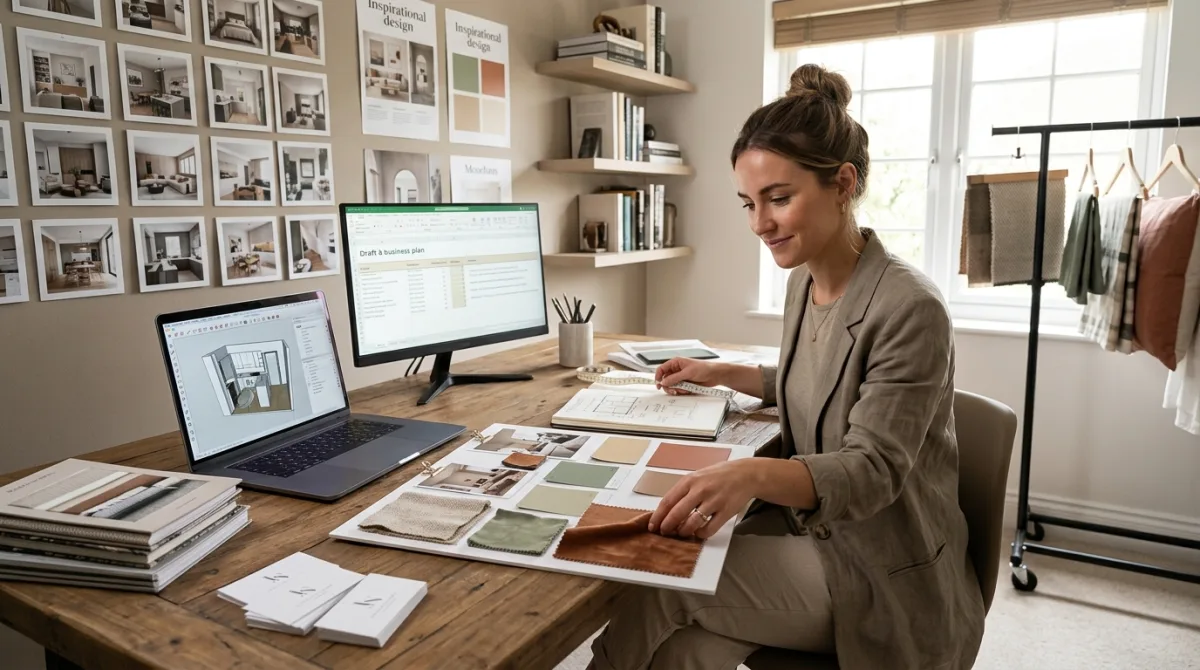
Material Specificity for 2026 Interiors
Authenticity-grade materials
- White oak (rift-sawn), for floors and slat detail; calmer grain than plain-sawn
- Limestone, sustainable, durable, and cool to the touch, ideal for kitchen counters
- Reclaimed teak, for furniture and accent pieces, adds character and eco-value
- Low-VOC paints, improve indoor air quality and meet strict environmental standards
- Organic cotton and linen, for upholstery and window treatments, emphasizing health
- Biodegradable cork, for flooring and wall coverings, natural sound absorption
- Recycled glass, for backsplashes and decorative accents, sustainable sparkle
- Natural wool, insulation and textiles, for thermal comfort and eco-friendliness
Generic-grade tells we refuse to spec
- Laminate, often synthetic, less sustainable and less authentic
- Vinyl flooring, non-biodegradable and environmentally harmful
- Acrylic countertops, less eco-friendly and often less durable
- Standard low-grade paint, may contain harmful chemicals
- Polyester upholstery, synthetic and less breathable
- Plastic-based wall coverings, non-biodegradable and low in authenticity
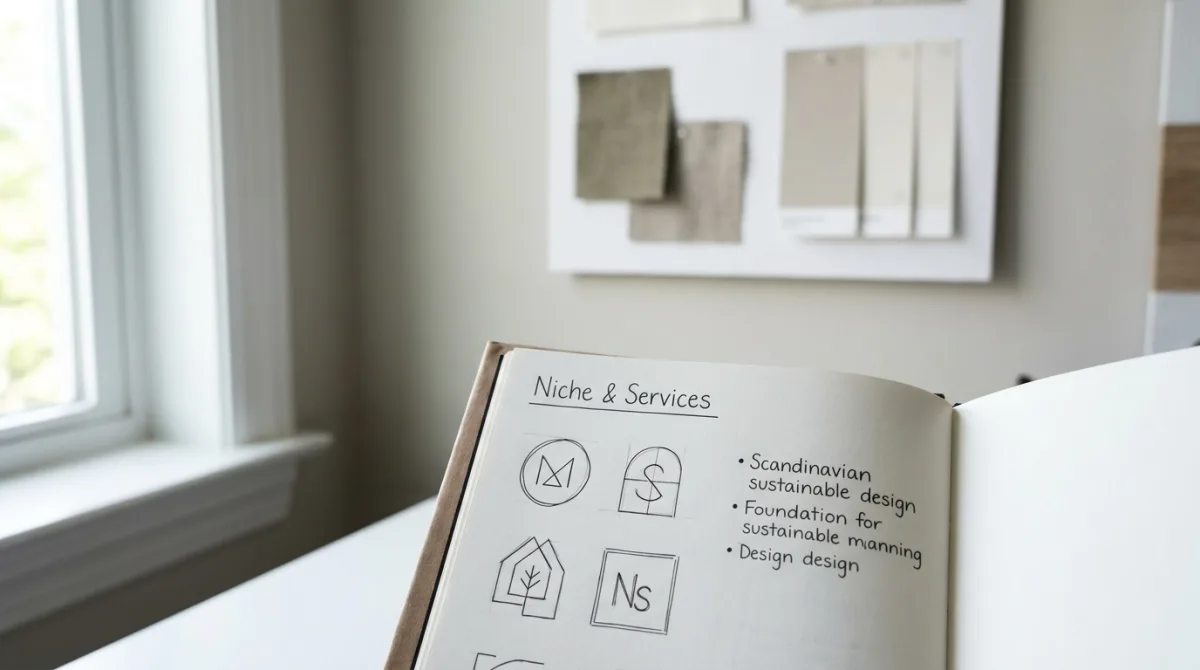
How to Select Sustainable Materials and Avoid Costly Mistakes
Choosing sustainable materials is central to future-proofing interior designs, but the first question we ask is: what’s truly eco-friendly and durable for the long term? Clients love reclaimed wood. They use low-VOC paints a lot, plus organic textiles. We need to balance looks and function. Watch the budget. Reclaimed teak? Not so simple, it needs careful sourcing. Supply delays can happen. Suggest people use Ecovative or Bloomscape. They know eco-friendly stuff.
In Sacramento, climate and architecture steer material choices. Durability and health are key here. Think limestone counters. Natural wool insulation. Need pros for those installs. Find sustainability and performance balance. Avoid future issues. The American Society of Interior Designers emphasizes that integrating authentic, eco-friendly materials enhances both project value and client satisfaction. Guide clients on choices that last. Stay within budget.
What This Costs in 2026
| Scope | Typical range |
|---|---|
| Basic consultation and material selection | $15K - $35K |
| Mid-tier project including custom furnishings and finishes | $40K - $100K |
| Full-scale interior overhaul with integrated smart tech and sustainable features | $100K - $300K |
Working Notes
What We Have Learned Doing This: Interior Design And Business: A Designer's Guide to the 2026 Look
“Good rooms are built twice. Once on paper, once in the field.”
The cheapest tool on any project is a sample board and an afternoon. We have watched five-figure mistakes get caught by a fifteen-dollar paint sample lived with for a week in the actual light of the actual room. Showroom lights mislead; real homes change everything.
Early projects fear bad taste; experience fears delays, errors, surprises. Execution determines if designs become reality, not just aesthetics.
Think in chains of dependency, not task lists, during renovations. A two-day cabinet delay quietly becomes a two-week slip by week sixteen because every trade downstream is holding a calendar. The least glamorous part of this work, and the most valuable, is keeping that chain from cascading.
These notes come from our own project debriefs. Most were learned the expensive way the first time.
Sources & Professional References
This guide's positions on materials are grounded in published building-code, standards, and recognized design-authority sources, alongside Designed | Curated Interiors' verified credentials and active project files:
- American Society of Interior Designers (ASID): interior-design practice standards
- International Code Council (ICC): Chapter 8 Interior Finishes
- NKBA, Amy Kunst Member Profile (verified credential, NKBA Committee Member)
- Featured in: Homes & Gardens (design expert quote, May 2026) · Sacramento Love (guest author, 2024)
From Principle to a Real Room
A trend piece is the briefing document, not the deliverable. The pages below show how we translate these principles into finished rooms across Sacramento and the rest of Northern California.
- Sacramento & Bay Area Interior Design Services How we scope, source, and deliver work end to end.
- Interior Designer Hub, Sacramento Where most of our Sacramento work lives, the regional fit explained.
- Modern Tudor Homes: Authentic, Revival, and Neo-Tudor (A Designer Reference) Heritage-architecture renovation patterns from our project files.
- Japandi Living Room: A Designer's Guide to the 2026 Look The 2026 warm-neutral playbook applied to the living room.