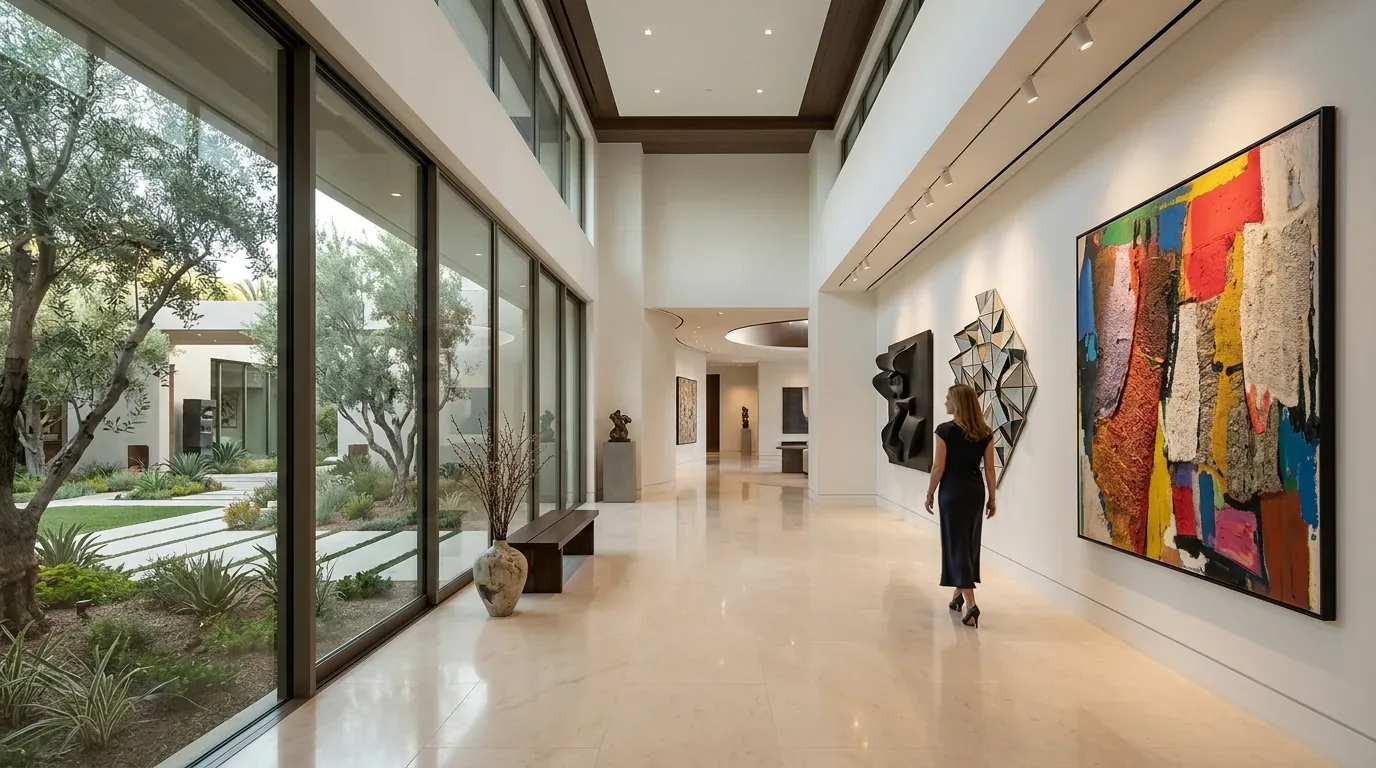
1950s charm stays. Update for 2026. Restraint. Thoughtful choices. Blend new designs with mid-century features. Don't overwhelm or erase the home's history. 2026 design is all about warmth and simplicity. Keep it subtle, honor the past.
Look for key 1950s elements to highlight. Blend modern trends. Aim for timeless design. Consider Sacramento and Marin vibes. We balance innovation with what needs to be kept. Changing layouts or picking materials? Your home can stay stylish and true to its roots.
Common Questions
| How can I update a 1950s house in Sacramento for 2026 while preserving its original charm? | Keep original wood paneling. Use modern finishes. Keep the feel. |
| What regional considerations should I keep in mind when designing a 1950s home in Sacramento? | Sacramento's climate needs real wood. Try reclaimed wood. Low-VOC paints work too. |
| Is it better to remodel or rebuild a 1950s Sacramento house for modern updates? | Remodel smartly. Stick with good bones. Character stays. |
| What are common mistakes to avoid when updating a 1950s house in Sacramento? | Don’t strip old features. Keep true to style. Check permits for big changes. |
Highlighting the Key Design Elements of 1950s Homes
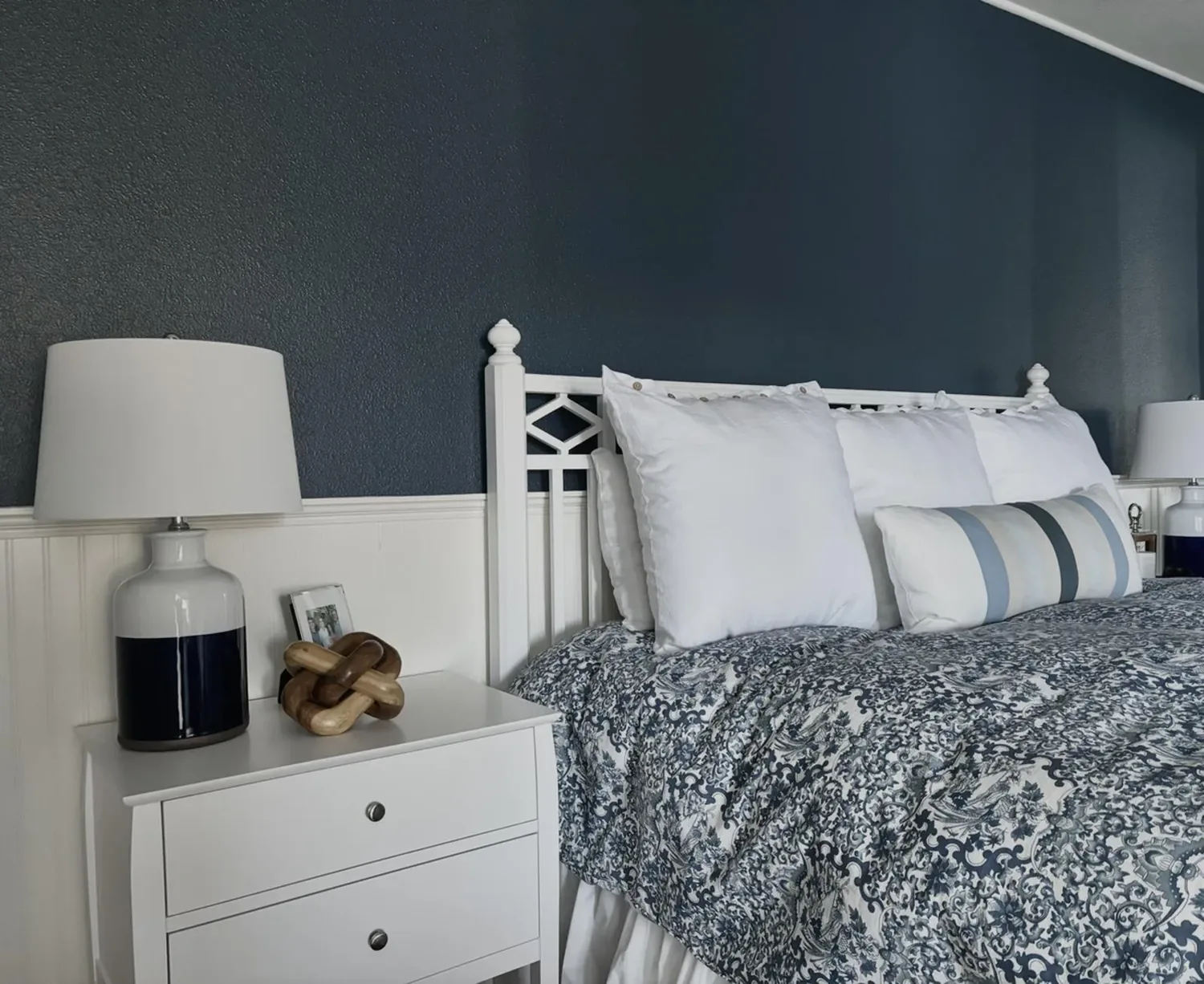
The first major move in updating a 1950s house for 2026 is to celebrate its original charm by preserving and highlighting key architectural features. Tongue-and-groove panels: scarce. Modern updates should respect them. In projects, we enhance key features. Avoid replacement. Make slight adjustments. For example, restoring vintage woodwork with high-quality, low-VOC finishes like those recommended by the American Society of Interior Designers emphasizes respect for the home's history while aligning with current sustainability trends.
Focus on size, craft details. Keep or enhance open plans and big glass areas. Light is key in mid-century homes. Go for white oak or matte tile. They nod to mid-century style with a modern twist. Blend charm of the past with 2026 style, keep it simple.
Material Specificity for a 1950s Home Renovation
Authenticity-grade materials
- White oak (rift-sawn), for floors and slat details; calmer grain than plain-sawn
- Brushed brass hardware, authentic mid-century hardware with modern durability
- Ceramic tiles with matte finish, for kitchen backsplashes and bathrooms
- Reclaimed wood, for accent walls or custom furniture, adding character
- Textured plaster, on walls to evoke vintage finishes with modern longevity
- Low-VOC, natural finishes, for woodwork and cabinetry to ensure sustainability
- Velvet or woven textiles, for upholstery, to add warmth and softness
- Steel or aluminum fixtures, sleek, durable, and true to mid-century design
Generic-grade tells we refuse to spec
- Polyurethane or synthetic finishes, often less durable and less authentic
- High-VOC paints, which are less environmentally friendly
- Plastic or faux materials, that mimic wood or stone but lack authenticity
- Mass-produced hardware, lacking the artisan quality of vintage or custom pieces
- Overly glossy finishes, that clash with the home's warm aesthetic
- Cheap laminate countertops, that don't age well or reflect quality
- Vivid or overly bright colors, that overpower vintage elements
- Mass-market furniture, lacking the craftsmanship or authenticity of vintage or custom pieces
Should You Remodel or Rebuild a 1950s Sacramento Home?
Should you remodel a 1950s house or rebuild? That's the big question. Sacramento homes often sit on big lots. Think of structural state, zoning, and your goals. A rebuild implies a fresh start. It's complex and pricey due to permits. Balance preserving charm with modern needs. That's the challenge.
We start by looking at the home's core structure. How can we update and keep its charm? Story poles and floor plans clarify what we can save. Window tweaks, insulation, layouts. Remodeling can add value without a full rebuild. Think of a Sacramento bungalow. Solid bones let us modernize with little demolition. Know local permit rules. Interior work is simple. New builds aren't. A careful look often shows remodeling keeps character and boosts ROI.
How to Integrate Modern Trends While Preserving 1950s Architectural Features
The challenge is to bring in 2026 trends without compromising the home's authentic details. Ask what to keep. Large windows and open plans often stay. Preserve that woodwork. Modern elements need care. Respect those original features.
Matte ceramics or reclaimed wood link old and new hands-on. Brass sconces bridge eras nicely. The American Society of Interior Designers emphasizes a layered approach, combining textures, finishes, and furniture that complement both the home's original architecture and current trends. Balance timelessness with freshness.
What This Costs in 2026
| Scope | Typical range |
|---|---|
| Refresh scope including new paint, hardware, and lighting | $30K-$70K |
| Mid-tier renovation with new cabinetry, flooring, and smart features | $70K-$180K |
| Estate-scale overhaul including structural updates and reconfiguration | $180K-$500K |
Working Notes
What We Have Learned Doing This: Interior Design 1950S House: A Designer's Guide to the 2026 Look
“The drawings are a promise. Demolition is the truth.”
Get those long-lead items first. Plan the rest so work doesn't get held up. Appliances, stone, and millwork control timing. Ignoring that costs you a month, easy.
A renovation is a dependency chain, not a list of tasks. A two-day cabinet delay quietly becomes a two-week slip by week sixteen because every trade downstream is holding a calendar. The least glamorous part of this work, and the most valuable, is keeping that chain from cascading.
Specify for the next ten years, not the next photo shoot. The work that holds its value is quiet, well made, and a little bit boring on the day it is installed.
These notes come from our own project debriefs. Most were learned the expensive way the first time.
Sources & Professional References
This guide's positions on materials are grounded in published building-code, standards, and recognized design-authority sources, alongside Designed | Curated Interiors' verified credentials and active project files:
- American Society of Interior Designers (ASID): interior-design practice standards
- International Code Council (ICC): Chapter 8 Interior Finish Decorative Materials And Furnishings
- NKBA, Amy Kunst Member Profile (verified credential, NKBA Committee Member)
- Featured in: Homes & Gardens (design expert quote, May 2026) · Sacramento Love (guest author, 2024)
From Principle to a Real Room
A trend piece is the briefing document, not the deliverable. The pages below show how we translate these principles into finished rooms across Sacramento and the rest of Northern California.
- Sacramento & Bay Area Interior Design Services How we scope, source, and deliver work end to end.
- Interior Designer Hub, Sacramento Where most of our Sacramento work lives, the regional fit explained.
- Modern Tudor Homes: Authentic, Revival, and Neo-Tudor (A Designer Reference) Heritage-architecture renovation patterns from our project files.
- Japandi Living Room: A Designer's Guide to the 2026 Look The 2026 warm-neutral playbook applied to the living room.