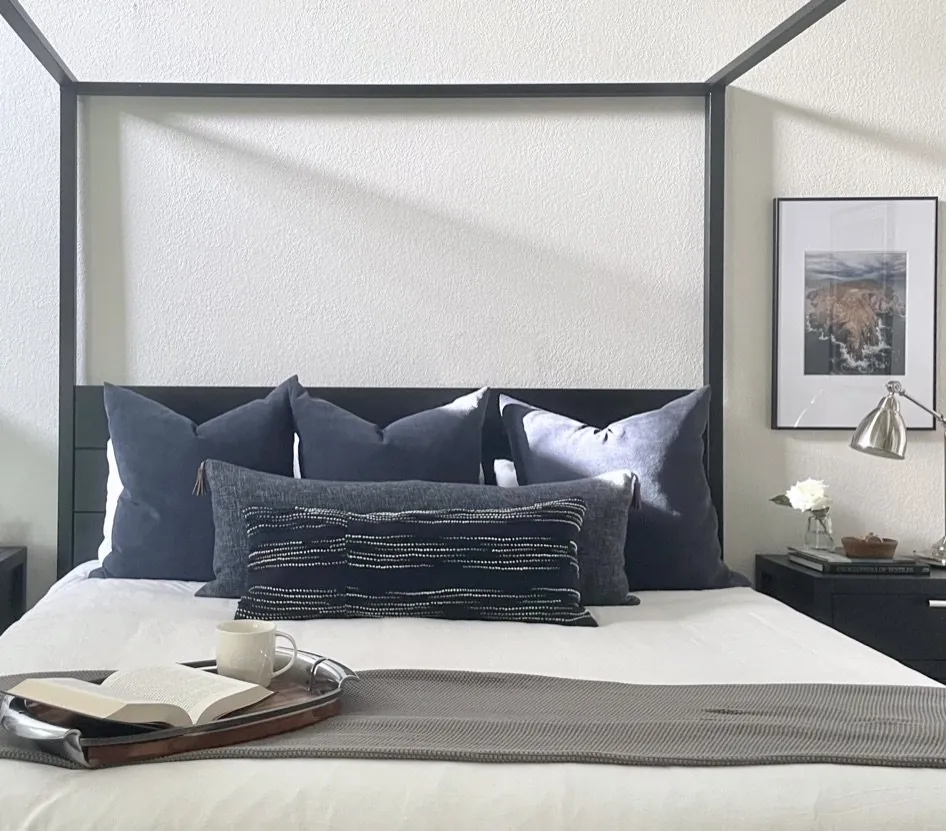

Many homeowners in Sacramento and beyond often confuse interior decorating with interior design, unsure which service best suits their project. The key difference lies in the scope, responsibilities, and professional qualifications of each role. Interior decorating focuses on aesthetic enhancements like furniture, color, and accessories, while interior design involves a broader scope including space planning, structural changes, and building codes. This guide clarifies these distinctions based on our active project files and helps you decide which professional aligns with your specific needs. We’ll explore roles, project types, costs, collaboration methods, and real-world examples, all from a warm-restraint, designer perspective that fits 2026’s refined approach to residential interiors.
Common Questions
| What’s the real difference between interior decorating and interior design? | Interior decorating is about surface-level updates—furniture, paint, textiles—while interior design handles structural changes, space planning, and ensuring projects meet building codes. If you’re gutting walls or rewiring, you need a designer. If you’re swapping out lamps and throw pillows, a decorator might suffice. |
| When should I hire an interior designer in Sacramento instead of a decorator? | Hire a designer if your project involves layout changes, permit requirements, or structural work—like removing a load-bearing wall or updating plumbing. Decorators can’t touch those details without risking code violations or safety issues. For a simple refresh, a decorator’s fine, but for anything beyond paint and furniture, go with a designer. |
| How do costs compare between decorating and designing services? | Decorating is cheaper upfront—think $5,000 to $20,000 for a full refresh—because it’s labor and materials only. Designing runs $50,000 to $200,000+ for full renovations because it includes permits, inspections, and structural work. The line blurs when decorators start advising on layouts or materials; that’s design territory. |
| What credentials set interior designers apart from decorators? | Licensed interior designers in California must pass the NCIDQ exam and often hold degrees in design or architecture. Many, like me, also carry certifications in Universal Design or specialized training like Design4Life. Decorators? Some have zero formal training—just a sharp eye and a Pinterest board. If your project’s complex, you want the former. |
Understanding the Core Roles of Interior Decorators and Interior Designers
Across our active project specifications in Sacramento, the distinction between interior decorators and interior designers is critical. Interior decorators primarily focus on the surface layer, selecting furniture, fabrics, paint colors, and accessories that create a cohesive aesthetic. They often work on residential refreshes, staging, or specific room updates, bringing personality and style without altering the structure of a space.
Interior designers, on the other hand, handle a broader scope that can include space planning, structural modifications, lighting design, and ensuring compliance with building codes. They often work on larger projects such as kitchen remodels, whole-house renovations, or additions. The American Society of Interior Designers emphasizes that design professionals often have formal education and certification, which ensures they manage both aesthetic and functional aspects of a project. This layered approach helps homeowners avoid costly mistakes, especially in older Sacramento homes where structural issues or permit requirements are common. Understanding these distinctions helps clients allocate their budgets effectively and choose the right professional for each phase of their project.
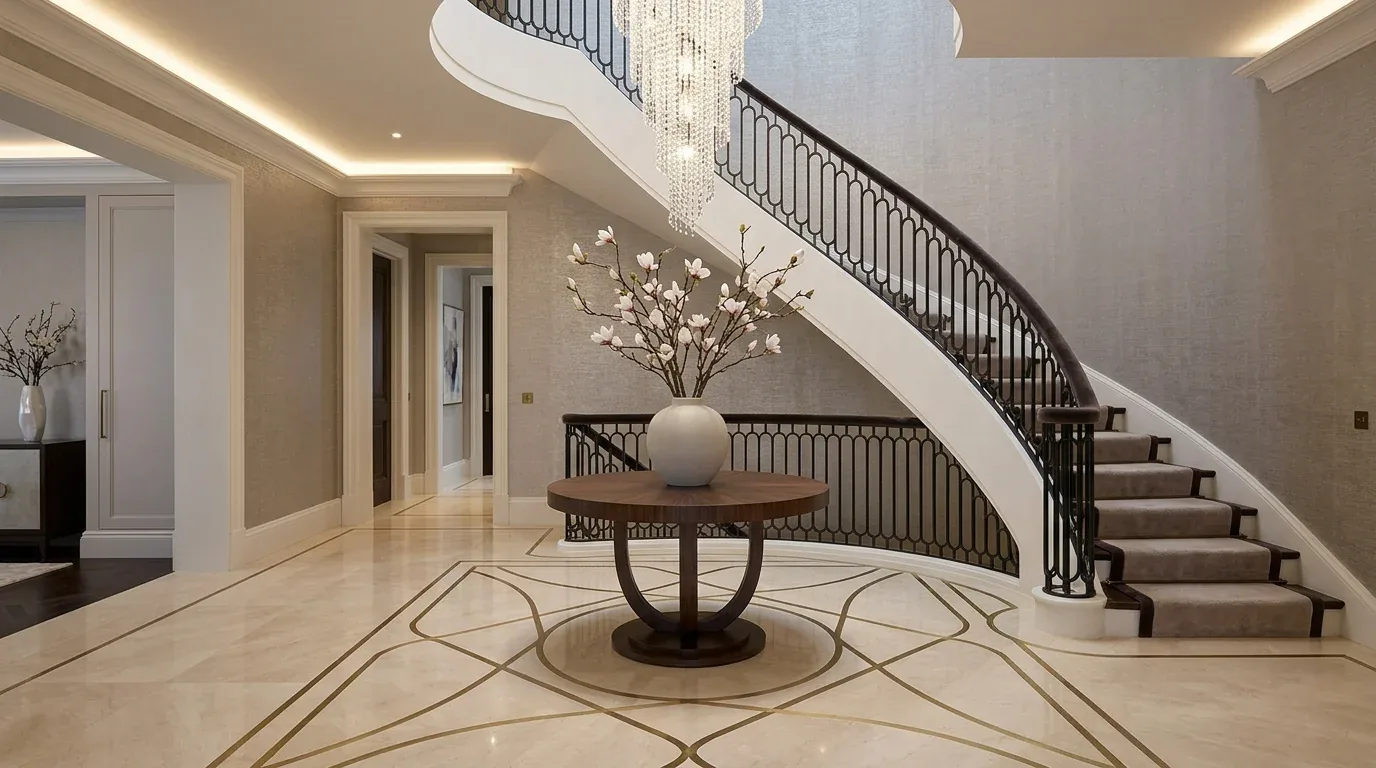
Material Specificity for Authentic and Enduring Interiors
Authenticity-grade materials
- White oak (rift-sawn), for floors and slat detail; calmer grain than plain-sawn
- Calacatta marble, for timeless countertops and accents
- Brushed brass, for fixtures and hardware with a warm, matte finish
- Linen fabric, for upholstery and drapery, offering natural texture
- Reclaimed wood, for eco-friendly, character-rich surfaces
- Silk velvet, for luxurious upholstery with depth and sheen
- Matte black steel, for modern hardware and accents
- Porcelain tile (large format), for sleek, low-maintenance surfaces
Generic-grade tells we refuse to spec
- Laminates, often fake wood or stone, less durable
- Vinyl flooring, less authentic feel, prone to wear
- Plastic hardware, cheap look and feel
- Mass-produced textiles, lack natural variation
- Standard drywall, no texture or character
- Painted finishes, may chip or fade faster
Comparative Architecture and Design Approaches
| Style | Design Focus | Best Use Case | Distinctive Feature |
|---|---|---|---|
| Traditional Interior Design | Focuses on aesthetics and surface finishes | Limited structural changes, decorative emphasis | Ideal for updates, staging, and stylistic refreshes |
| Architectural Remodeling | Includes structural, mechanical, and code considerations | Major changes like additions or reconfigurations | Best for extensive rebuilds or historic preservation |
| Modern Minimalism | Emphasizes clean lines and open space | Less ornamentation, focus on functionality | Suitable for contemporary Sacramento homes with heritage overlays |
| Traditional Craftsman | Rich woodwork and handcrafted details | Preserves historic character | Works well in older neighborhoods with historic homes |
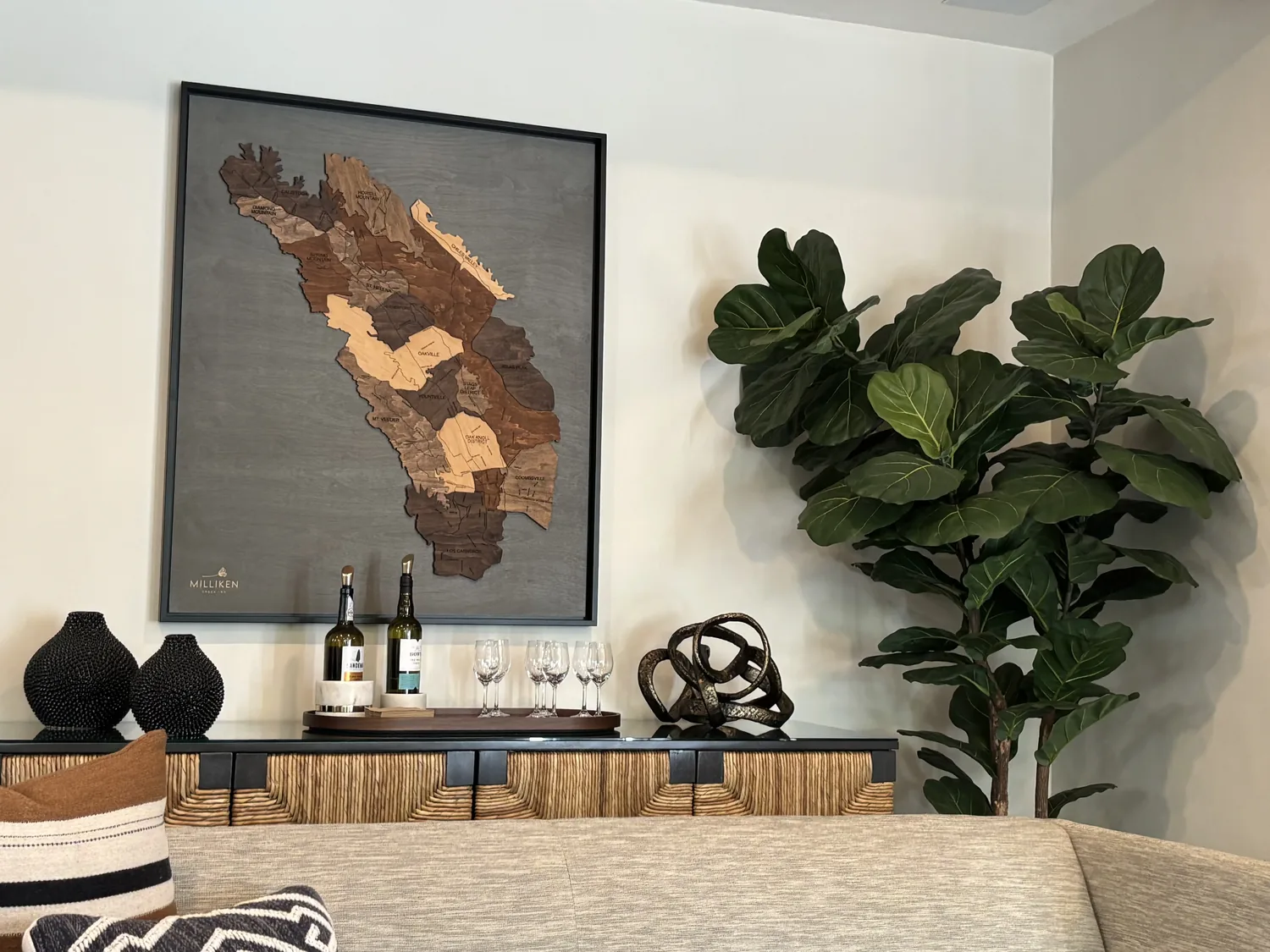
Should You Hire an Interior Decorator or an Interior Designer for Your Sacramento Home?
The first question many homeowners ask is whether they need a decorator or a designer for their project. If your goal is to refresh your space with new furniture, paint, and accessories, then an interior decorator is usually sufficient. Decorators excel at creating a cohesive style without altering the structure or layout. However, if your project involves changing the room sizes, adding structural elements, or ensuring compliance with Sacramento’s building codes, then an interior designer is the right choice. The American Society of Interior Designers emphasizes that design professionals have formal training and certifications that cover not just aesthetics but also technical aspects like space planning and code adherence. Understanding this distinction helps prevent costly missteps and aligns your project scope with the right expertise. For example, in older Sacramento homes, structural upgrades often require a licensed designer or architect, while surface updates can be handled efficiently by a decorator.
What This Costs in 2026
| Scope | Typical range |
|---|---|
| Refresh scope: paint, accessories, small furniture updates | $8K-$20K |
| Mid-tier renovation: partial structural updates, new finishes | $30K-$100K |
| Estate-scale rebuilds or full renovations with structural changes | $150K-$1M+ |
Working Notes
What We Have Learned Doing This: Interior Decorating Vs Design
“The drawings are a promise. Demolition is the truth.”
The cheapest tool on any project is a sample board and an afternoon. We have watched five-figure mistakes get caught by a fifteen-dollar paint sample lived with for a week in the actual light of the actual room. Decisions made under showroom lighting do not survive contact with a real house.
Most of the money that gets wasted is spent solving the wrong problem confidently. A homeowner asks for more space, every contractor agrees and prices an addition, and the real issue turns out to be light, or proportion, or one bad sightline. We make the room tell us the problem before anyone signs a demolition contract.
Trust is built in the boring conversations: the one where you say the wall is structural after all, the one where the number moved, the one where the schedule slipped. Clients forgive reality. They do not forgive being surprised by it.
These notes come from our own project debriefs. Most were learned the expensive way the first time.
Sources & Professional References
This guide's positions on materials are grounded in published building-code, standards, and recognized design-authority sources, alongside Designed | Curated Interiors' verified credentials and active project files:
- American Society of Interior Designers (ASID): interior-design practice standards
- International Code Council (ICC): Chapter 8 Interior Finish Decorative Materials And Furnishings
- NKBA, Amy Kunst Member Profile (verified credential, NKBA Committee Member)
- Featured in: Homes & Gardens (design expert quote, May 2026) · Sacramento Love (guest author, 2024)
From Principle to a Real Room
A trend piece is the briefing document, not the deliverable. The pages below show how we translate these principles into finished rooms across Sacramento and the rest of Northern California.
- Sacramento & Bay Area Interior Design Services How we scope, source, and deliver work end to end.
- Interior Designer Hub, Sacramento Where most of our Sacramento work lives, the regional fit explained.
- Modern Tudor Homes: Authentic, Revival, and Neo-Tudor (A Designer Reference) Heritage-architecture renovation patterns from our project files.
- Japandi Living Room: A Designer's Guide to the 2026 Look The 2026 warm-neutral playbook applied to the living room.