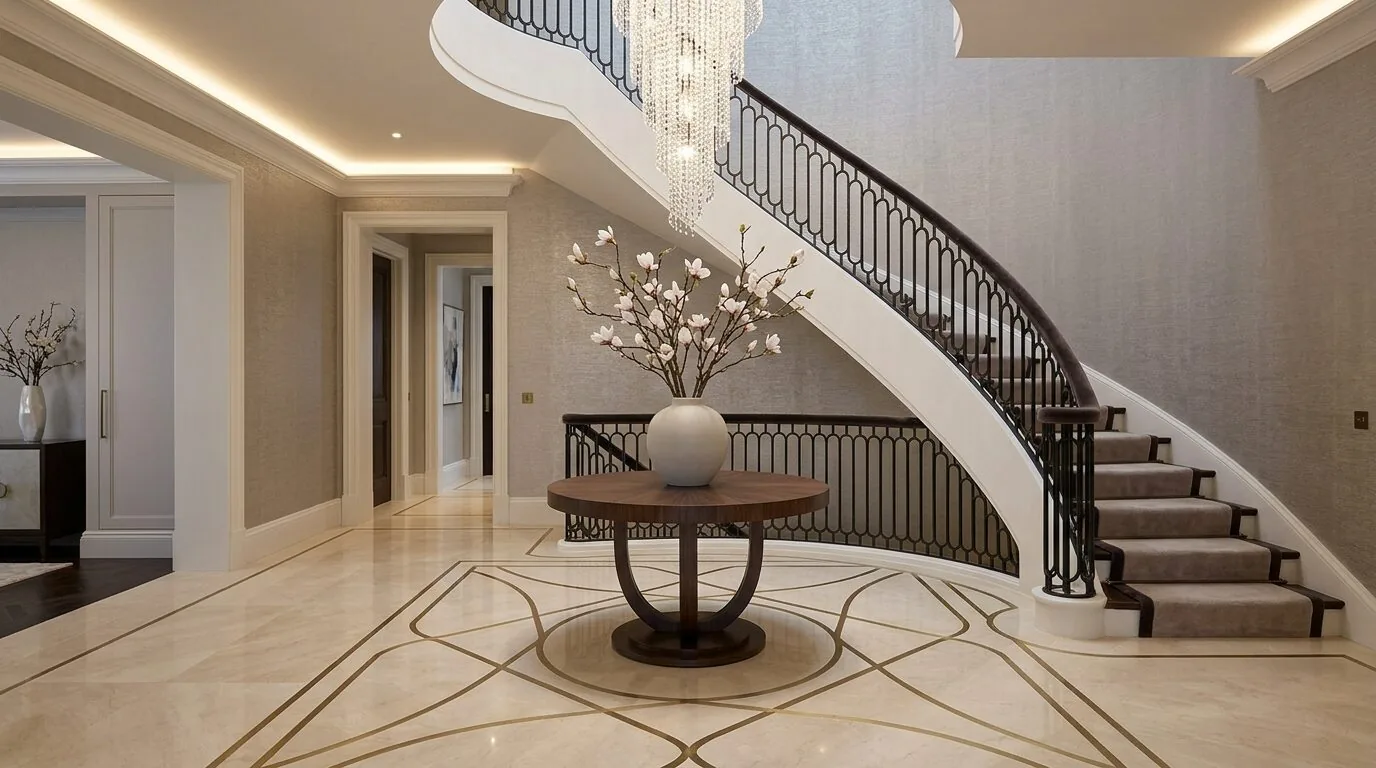
By 2026, eco-futurism is really something to watch. Add a surprising detail to your timeless pieces. Shake up your Sacramento home's look, while keeping its soul intact. 2026 homes will feature bold colors. Green materials are also expected. Tech's part of the mix too.
Here's a rundown from our files: upcoming colors, materials, and tech set to influence 2026 homes. We’ll explore how regional influences like Sacramento’s warm light and architectural stock are shaping these trends, along with expert insights on making smart, future-proof choices.
Direct Answers (Ideas On Home Decorating 2026)
| What are the emerging home decorating ideas for Sacramento in 2026? | Sacramento style in 2026? Smart tech fits well with earth tones. |
| How can Sacramento homeowners incorporate technology into their interior design in 2026? | Try built-in tech. Flush screens, smart lights, and climate controls fit right into your home. |
| What materials are favored for home decor in Sacramento in 2026? | Bamboo and stone choices match local values. |
| Are there specific design tips for updating older Sacramento homes in 2026? | Get bold with lighting and room openness. Use low-VOC paints with natural fabrics for that vintage touch. |
Embracing Futurism with Timeless Restraint
One of the first major design moves in 2026 is integrating cutting-edge technology with classic design elements to create spaces that feel both innovative and comfortable. We’re seeing a shift to tech that merges with design. Flush screens, smart lights, all part of it. Tech features that look great are vital, not just convenient.
Bamboo and recycled metal often top our materials list. Blend modern elements with classic favorites. The aim? Spaces that work and soothe. Put in a matte black smart hood; goes well in many Sacramento kitchens. This approach aligns with the American Society of Interior Designers’ emphasis on sustainable design practices while embracing technology’s role in everyday life.
Materials and Textures for 2026
Authenticity-grade materials
- White oak (rift-sawn), for floors and slat detail; calmer grain than plain-sawn
- Reclaimed walnut, adds character and sustainability to cabinetry
- Natural linen, for upholstery and window treatments, offering subtle texture
- Recycled aluminum, used in fixtures and accents for a modern, eco-conscious feel
- Polished concrete, durable, versatile, and sleek for floors and countertops
- Biophilic finishes, incorporating natural patterns and textures that connect interiors with the outdoors
- Low-VOC paints, ensuring healthy indoor air quality
- Fumed oak, for furniture and millwork, with rich, lasting color
Generic-grade tells we refuse to spec
- High-gloss lacquer, often overly reflective and less sustainable
- PVC or vinyl, synthetic, non-biodegradable, and less eco-friendly
- Artificial leather, low durability and poor environmental profile
- Mass-produced MDF, often with formaldehyde-based glues
- Plastic laminates, prone to chipping and not eco-friendly
- Heavy metal finishes, potentially toxic or non-recyclable
Choosing the Right Fixtures and Systems for 2026
Homeowners often struggle to select fixtures that balance cutting-edge technology with timeless style. The first question we ask is: What decision are you struggling to make about this space? Sacramento clients prefer discreet, yet functional, gadgets. Some folks pick gadgets that are too showy and soon clash with the room. Look for sleek setups that mesh with your space. Consider a range hood with smart sensors tucked inside cabinets. Much better than a bulky one outside.
Size and where you place it? Both count. A 36-inch range under a 30-inch hood might seem okay. Open kitchens need large, strong hoods for best impact. Consulting with an NKBA-certified designer ensures your choices align with regional building codes and your daily needs. Make tech useful without crowding the room. In Sacramento, dust and moisture can mess with gadgets.
Sizing and Specification Guide for 2026 Kitchen Fixtures
Selecting the right size for kitchen fixtures in 2026 means understanding your space’s dimensions and your lifestyle. A 36-inch range is great for most setups. Bigger ones? Try a 48-inch for serious cooks. Match hood width to the range. At least 6 inches over each side for good coverage. Opt for an 8-foot ceiling. Fits standard 24-inch hoods just right. Taller spaces may need custom jobs.
High-performance hoods should offer 600 to 1000 CFM. Check those numbers when considering tech options. The American Society of Interior Designers emphasizes that proper sizing improves efficiency and safety. Sacramento homes tend to have space. Fixtures need to balance size with energy-saving features. Always verify local permit requirements at Sacramento’s permit page before finalizing specs.
Custom vs Stock: Making the Right Choice in 2026
Deciding between custom and stock fixtures is a common dilemma for Sacramento homeowners aiming for a balanced look. The first question we ask is: Should you remodel or rebuild? Custom pieces? Great fit, unique. Takes time, costs more. Wayfair or local shops help cut costs. Speeds up installations. The American Society of Interior Designers highlights that quality custom cabinetry can add significant value, especially in older homes where proportion and detail matter.
Pick a smart stock piece. Add custom tweaks to fit right in. We revamped a kitchen with stock cabinets, adding custom veneer panels to match the old architecture. Saved time and money without losing that high-end, unified look. Find a local designer. They'll fit both your taste and budget.
Timeless or Trendy: What Will Still Look Good in 2026?
Homeowners worry about designs aging too quickly. The key question is: Will this design choice stand the test of time? Pick long-lasting features in Sacramento's historic yet modern homes. Beige and taupe last longer than loud colors. Combine stone with wood. Add modern twists for timeless style.
Use futuristic pieces wisely to avoid them becoming outdated. Quality materials and simple designs last as styles change. A minimalist shelf setup can change over time for lasting use. Sacramento's diverse architecture lets you mix old with new for style lasting past 2026.
Observed Failure Modes, How Ideas On Home Decorating 2026 Goes Wrong
From our project debriefs and post-occupancy reviews, 2023-2026.
Overloading a Space with Technology
One common failure in modern home decorating is installing too many smart devices and fixtures without proper planning. Crowding makes rooms feel messy and chaotic. Wanted: fully smart homes, from lights to fridges. Big control panels and too much wiring would have made a tech jungle. Found the issue wasn't too many devices but poor wire management. We opted for hidden wires, sleek controls, and one hub for clean lines. Focus on practical layering. You want tech that adds, not distracts.
Ignoring Regional Light and Color Dynamics
Another mistake is choosing colors and finishes that look fantastic elsewhere but clash with Sacramento’s unique lighting conditions. The valley’s sunlight can wash out blues and cool whites. Trendy colors are popular. But does it work with the local light? Always check how hues look under Sacramento's specific sunlight. Homeowners often go for matte black cabinets. They look sharp at first glance. Under Sacramento's sun? It turns out dull. Not what you'd expect. We switched to warmer paints. Low-VOC options and natural textiles helped. They fit the local vibe and made the home feel cozier. Local light shapes good design choices. You've got to think about it for lasting results.
Choosing Material Finishes That Don't Last
Many Sacramento homes see finishes that wear quickly or are not eco-friendly, leading to costly replacements. Glossy surfaces? They show every fingerprint. Chips appear fast, not great for busy homes. A family kitchen needed new finishes. Glossy lacquer seemed like a great pick, until Sacramento's dust set in. We prefer matte finishes. They hide fingerprints. Last longer. The American Society of Interior Designers emphasizes durability and sustainability as key for future-proofing interiors, especially in regions with active lifestyles and environmental sensitivities.
Underestimating the Importance of Light Layering
Many homeowners focus solely on ceiling lighting, neglecting layered lighting that enhances ambiance and function. Keystone Project thought more recessed lights were enough. But it wasn't. This led to glare issues and flat color rendering. I used a CRI meter and cardboard mockup to show how task, accent, and ambient lighting layers can improve a room. Sacramento’s sunlight means careful evening lighting design is key. Layer your lighting. Makes spaces comfy and fresh. Avoids that tacky, outdated feel.
What's Going Out for 2026
- Overly glossy or plastic finishes that look cheap
- Cluttered tech-heavy spaces lacking harmony
- Bold, neon color schemes that date quickly
- Heavy, ornate furniture that overwhelms smaller rooms
- Non-eco-friendly, high-VOC materials
- Excessive use of white or cool tones in strong sunlight
- Overly complex lighting schemes without layering
- Trendy materials that lack durability or sustainability
What Ideas On Home Decorating 2026 Costs in 2026
| Scope | Typical range |
|---|---|
| Refresh scope: new paint, minor fixtures | $20K-$50K |
| Mid-tier scope: cabinetry, lighting, finishes | $80K-$200K |
| Estate-scale: full remodel, structural updates | $300K-$1.2M |
Working Notes
What We Have Learned Doing This: Ideas on Home Decorating: A 2026 Designer Starting Guide
“Every budget has a hidden line item: the things nobody measured.”
The cheapest tool on any project is a sample board and an afternoon. We have watched five-figure mistakes get caught by a fifteen-dollar paint sample lived with for a week in the actual light of the actual room. Decisions made under showroom lighting do not survive contact with a real house.
Specify for the next ten years, not the next photo shoot. Solid work is plain and built to last. It doesn't scream for attention right away.
Most design budgets are blown fixing non-issues with confidence. A homeowner asks for more space, every contractor agrees and prices an addition, and the real issue turns out to be light, or proportion, or one bad sightline. We make the room tell us the problem before anyone signs a demolition contract.
These notes come from our own ideas on home decorating: a 2026 designer starting guide project debriefs. Most were learned the expensive way the first time.
Sources & Professional References
This guide's positions on materials are grounded in published building-code, standards, and recognized design-authority sources, alongside Designed | Curated Interiors' verified credentials and active project files:
- American Society of Interior Designers (ASID): interior-design practice standards
- International Code Council (ICC): Chapter 8 Interior Finish Decorative Materials And Furnishings
- NKBA, Amy Kunst Member Profile (verified credential, NKBA Committee Member)
- Featured in: Homes & Gardens (design expert quote, May 2026) · Sacramento Love (guest author, 2024)
Frequently Asked
What are the emerging home decorating ideas for Sacramento in 2026?
How can Sacramento homeowners incorporate technology into their interior design in 2026?
What materials are favored for home decor in Sacramento in 2026?
Are there specific design tips for updating older Sacramento homes in 2026?
What should Sacramento residents consider when choosing fixtures and systems for 2026 interiors?
From Ideas On Home Decorating 2026 to a Real Room
A trend piece is the briefing document, not the deliverable. The pages below show how we translate these principles into finished rooms across Sacramento and the rest of Northern California.
- Sacramento & Bay Area Interior Design Services How we scope, source, and deliver work end to end.
- Interior Designer Hub, Sacramento Where most of our Sacramento work lives, the regional fit explained.
- Modern Tudor Homes: Authentic, Revival, and Neo-Tudor (A Designer Reference) Heritage-architecture renovation patterns from our project files.
- Japandi Living Room: A Designer's Guide to the 2026 Look The 2026 warm-neutral playbook applied to the living room.