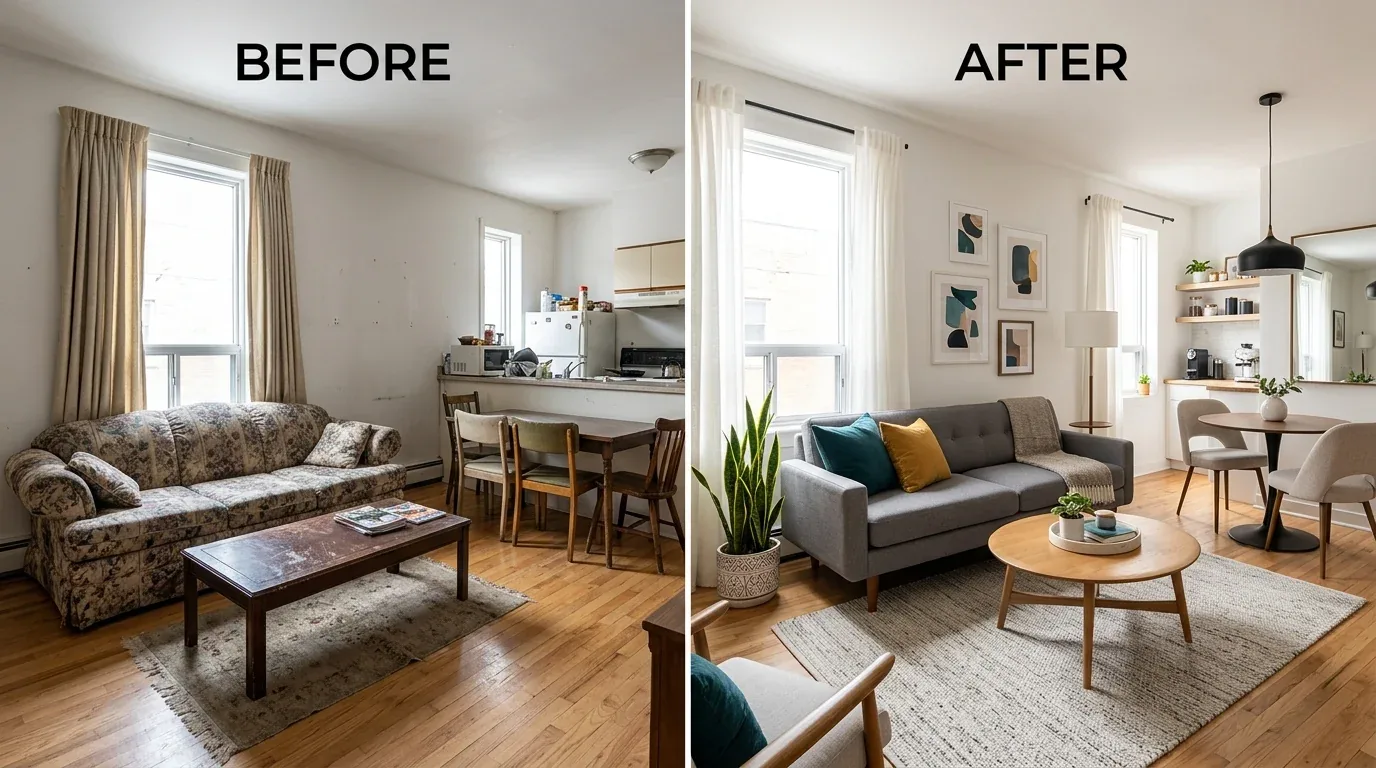
Start polishing by picking the right product for your wood's finish. Understanding how to properly polish enhances the appearance and preserves the quality of your wood pieces. Want quick shine or a deeper fix? Right methods make wood look good for years.
Read up on polishes for your finish type, tools and steps, too. Keep scratches out. In Sacramento, we go for finishes that handle dry heat. They need to match the local style. Beautiful, but tough.
Direct Answers (How To Polish Wood Furniture)
| How can I effectively polish wood furniture in Sacramento? | Match your product to your wood. Use oils on oiled wood, synthetic polish on lacquer. Buff softly with cloth. |
| What products are recommended for polishing wood furniture in Sacramento? | Brands like Howard and Weiman are effective and safe, especially for regionally sensitive, low-VOC, eco-friendly options. |
| Are there regional considerations when polishing wood furniture in Sacramento? | In Sacramento, gentle products preserve old finishes. Dry air's rough. Wood suffers. |
| When should I consider refinishing instead of polishing my wood furniture? | Cracked or dull finish? Hire a pro if restoring it. |
Choosing the Right Polish for Your Wood Finish
In our Sacramento projects, selecting the appropriate polish begins with understanding your furniture’s finish. Lacquered wood likes light synthetic polish. No residue left. Oiled finishes? Pick beeswax or mineral oil. Go natural. We notice more low-VOC products in designs. Good for air quality and regional needs.
Think about your wood type and how shiny you want it. Oak handles more polish. Pine needs softer products to avoid buildup. Howard or Weiman are usually solid choices. Test on a small spot first. Know your wood finish. Care helps it last and look great. Safety counts. For your furniture and family health.
Material Specificity for Different Wood Finishes
Authenticity-grade materials
- White oak (rift-sawn), for floors and slat detail; calmer grain than plain-sawn
- Cherry (air-dried), for furniture; smooth grain that responds well to polishing
- Maple (hard maple), for kitchen cabinetry; durable and receptive to subtle finishes
- Mahogany (aged), for heirloom pieces; rich color that benefits from gentle oils
- Walnut (oil finish), for accents; natural oils enhance the grain’s depth
- Pine (softwood), for casual furniture; needs light, non-resinous polishes
- Teak (oiled), outdoor furniture; requires specific UV-resistant oils
- Birch (finished with lacquer), for modern pieces; synthetic polishes work best
Generic-grade tells we refuse to spec
- Varnished surfaces, resistant to most polishes, require specific products
- Lacquered finishes, sensitive to alcohol-based cleaners
- Polyurethane coatings, avoid oil-based polishes that can cause buildup
- Acrylic finishes, require gentle, water-based products
- Old shellac, delicate and easily damaged by aggressive products
- Painted wood, generally not polished, focus on cleaning
Should You Polish or Refinish? Making the Right Choice
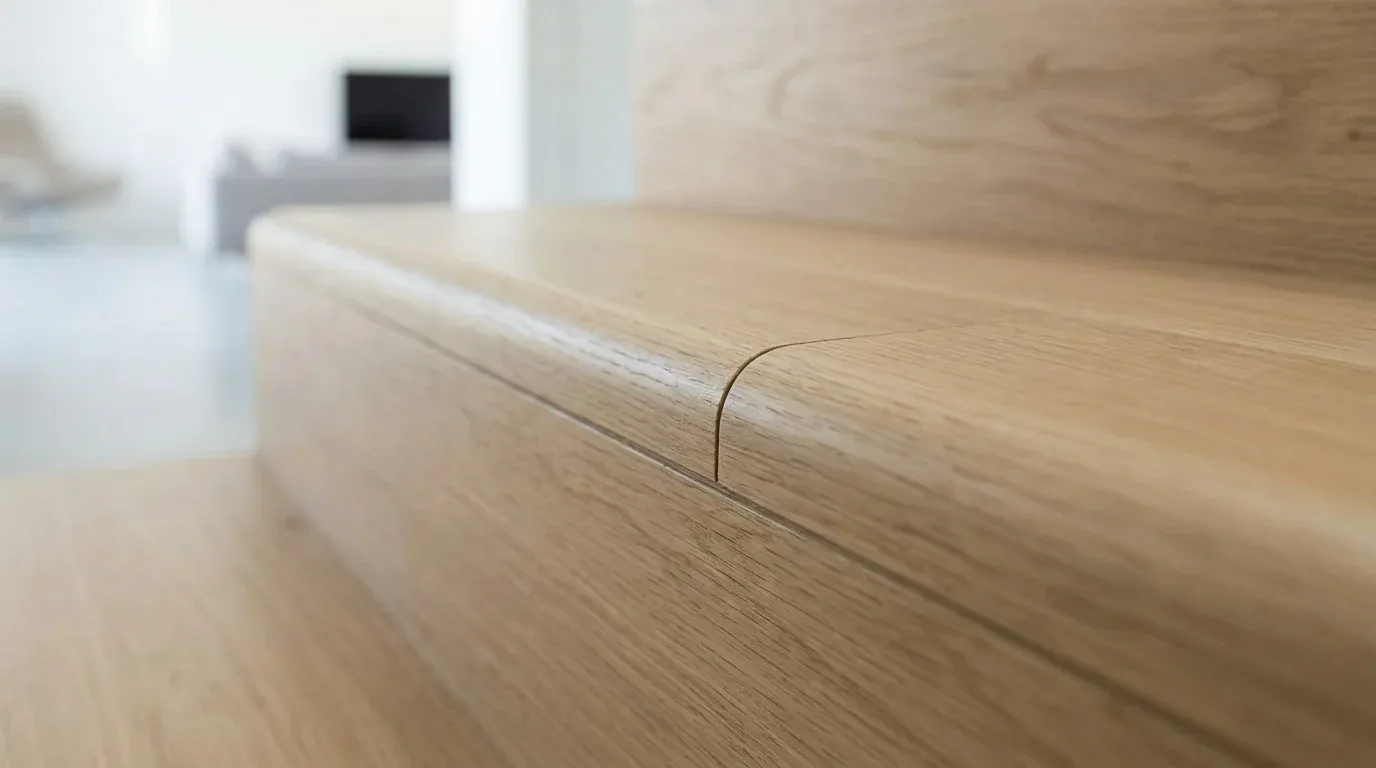
The key decision many homeowners face is whether regular polishing will maintain their furniture’s appearance or if a full refinish is necessary. Check age and condition first. For newer pieces with synthetic finishes, use compatible polishes. They protect and keep the shine. Oil or shellac can crack. They need more care than just basic polish. Polishing doesn't fix damage. It hides issues. Think about refinishing for long-term results. It might pay off better.
What kind of look do you want? Matte finish? Use oil or wax. Perfect for that untouched feel. Want glossy? Try synthetic polish or lacquer. Can your finish handle this polish? Check first. Test a small hidden spot first. Saves money on mistakes. Over-polishing? Watch out. It might wear down old or delicate finishes quicker. Sacramento: easy-maintenance for stunning furniture.
How Often Should You Polish Wood Furniture?
Polishing frequency? Depends on your finish and room use. Base your schedule on how much use it gets. Sacramento homes need a light polish every 3-6 months. Natural oil or wax? Polish more often. Sun or humidity makes it tricky, every 2-3 months. Polyurethane? Once a year’s enough unless you see it getting dull. A little regular care makes furniture last. Use a soft cloth with a light polish fit for the Sacramento climate. This avoids buildup. Too much polish can leave residue. It attracts dust. Aim for a gentle sheen. Show off the wood's natural hues.Natural and DIY Polishing Alternatives That Work
Many Sacramento homeowners prefer natural or DIY options for polishing their wood furniture. Mix mineral oil with beeswax for shine. Skip chemical stuff. Try olive oil with lemon drops for a simple homemade polish. These methods keep antiques looking good. For DIY, go easy on product amounts. A soft cloth works best. Check a hidden spot first. Stay away from abrasives and too much oil. They create sticky layers. Natural polishes save money and the planet. They fit well with local green living styles. Great for upkeep. Big scratches? Maybe call in the pros.
Precautions to Avoid Damaging Wood During Polishing
Protecting your furniture during polishing involves selecting the right products and applying them properly. Try it where nobody looks first. Use lint-free soft cloths. Avoid anything scratchy. Easy on the polish. You'll thank me later. Check labels. Avoid alcohol and silicone. They mess up some finishes. For antiques, follow directions closely. Sacramento's vintage homes benefit from gentle cleaning. It keeps those finishes safe. Sun and damp? No go. They'll wear it out faster. Dust with a soft cloth often. Stops grime before polishing.
How Polishing Restores Shine and Removes Scratches
Polishing revives dull wood. Covers scratches. Gleams more. A straightforward way to freshen up surfaces. With a good polish, it almost gleams like new. Minor scratches on glossy finishes? Go for wax polish with something soft. Simple.Deep ones? More than polish needed. Sand lightly, then redo the finish. Choose your product carefully. Don't add to the flaws. Regular polish keeps it sharp. It helps against scratches. In our Sacramento projects, we emphasize gentle, consistent maintenance for long-term preservation of heirlooms and modern pieces alike.
Observed Failure Modes, How To Polish Wood Furniture: What Goes Wrong
From our project debriefs and post-occupancy reviews, 2023-2026.
Using the Wrong Polish for Your Finish
Applying an incompatible polish can cause discoloration, streaks, or sticky residues that attract more dirt. A synthetic high-gloss polish on an oil-finished table? No, that invites trouble. Identify your furniture's finish. Test polish in a hidden area. Pick the right polish. It matters.
Over-Polishing Leading to Buildup
Polishing too frequently or with excessive product can cause a thick layer of residue that dulls rather than enhances the surface. Too much polish? Grime magnet. To avoid this, use minimal product and buff thoroughly. Old finishes? Light polish often. Works best.
Ignoring Proper Surface Preparation
Failing to clean and dust the furniture properly before polishing can trap dirt and debris that scratch the surface during application. Dust first using a damp cloth. Dust first. Polish goes on smoother. Old charms like in East Sacramento need careful prep.
Using Abrasive Materials
Scrubbing with abrasive pads or steel wool can damage the finish and remove layers of protective coatings. Soft cloth and gentle polish? Works wonders. Let pros handle abrasive tools. Old homes need gentle cleaning, less risk.
Neglecting Environmental Factors
Exposure to direct sunlight, high humidity, or temperature fluctuations accelerates finish deterioration. Polishing helps, but watch the environment too. Use curtains or UV film in Sacramento. Keeps wood safe and humidity steady. Do this to cut down on touch-ups.
What's Going Out for 2026
- Using harsh chemical polishes incompatible with your finish
- Over-polishing or applying too much product at once
- Ignoring the specific needs of vintage or delicate finishes
- Using abrasive tools or scrubbers
- Polishing in direct sunlight or high humidity
- Skipping small test patches before full application
- Applying polish on dirty or dusty surfaces
- Using synthetic products on natural oil finishes
- Neglecting to buff thoroughly after application
- Polishing without understanding the wood type and finish
What How To Polish Wood Furniture Costs in 2026
| Scope | Typical range |
|---|---|
| Refresh scope with basic cleaning and light polish | $200-$500 |
| Mid-tier restoration with refinishing and multiple polishes | $2,000-$6,000 |
| Estate-scale restoration including full refinishing and custom finishes | $15,000-$50,000 |
Working Notes
What We Have Learned Doing This: how to polish wood furniture
“The best money spent on a renovation is spent before it starts.”
Old houses lie, and so do new ones. You assume framing's as planned? Even a decade-old home might lie. We stopped trusting old drawings, prior contractor work, and the phrase it should be fine a long time ago. The budget needs a real line for what demolition will uncover, usually 15 to 20 percent once walls start opening.
Most of the money that gets wasted is spent solving the wrong problem confidently. Homeowners say they need space, contractors start with addition quotes. But often, it's just a light tweak or fixing a bad sightline. We make the room tell us the problem before anyone signs a demolition contract.
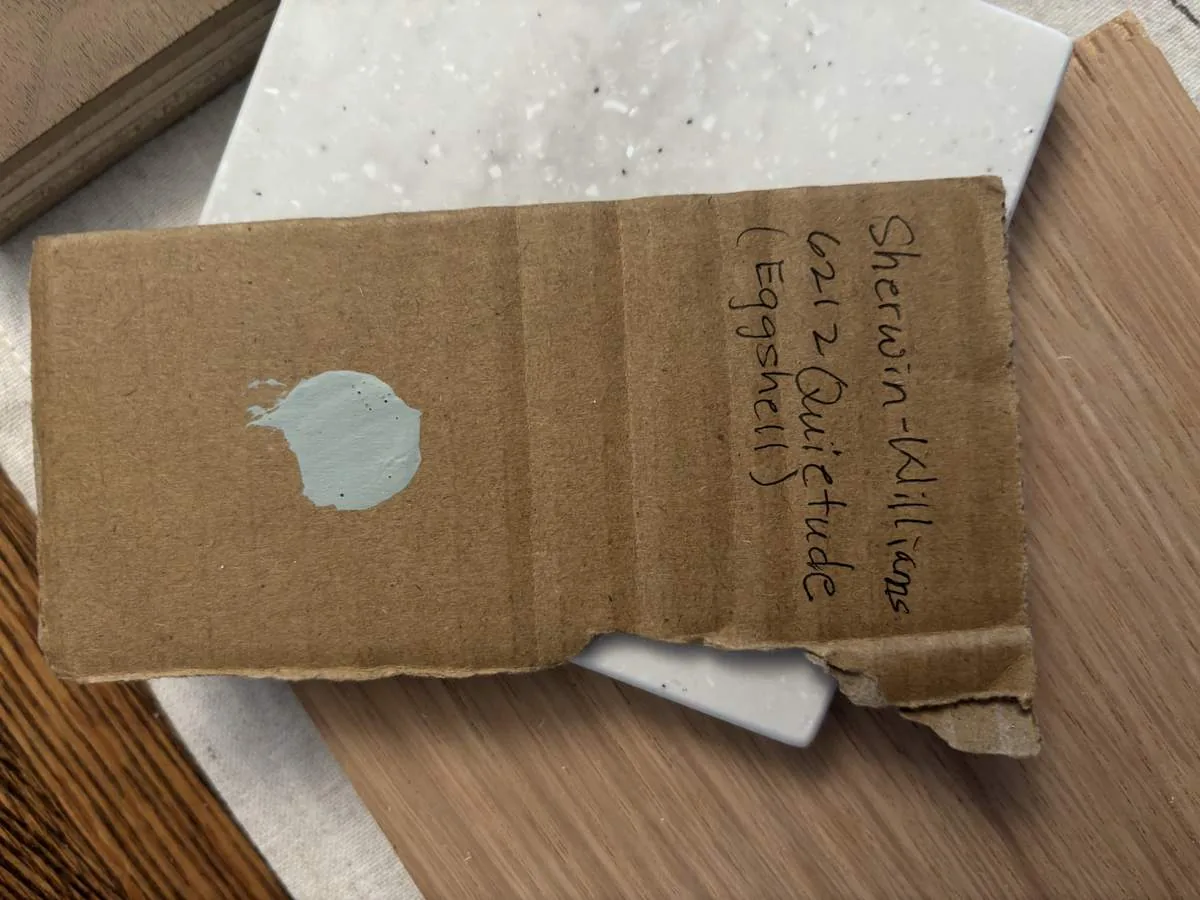
The cheapest tool on any project is a sample board and an afternoon. We have watched five-figure mistakes get caught by a fifteen-dollar paint sample lived with for a week in the actual light of the actual room. Decisions made under showroom lighting do not survive contact with a real house.
These notes come from our own how to polish wood furniture project debriefs. Most were learned the expensive way the first time.
Sources & Professional References
This guide's positions on materials are grounded in published building-code, standards, and recognized design-authority sources, alongside Designed | Curated Interiors' verified credentials and active project files:
- American Society of Interior Designers (ASID): interior-design practice standards
- International Code Council (ICC): Chapter 8 Interior Finish Decorative Materials And Furnishings
- NKBA, Amy Kunst Member Profile (verified credential, NKBA Committee Member)
- Featured in: Homes & Gardens (design expert quote, May 2026) · Sacramento Love (guest author, 2024)
Frequently Asked
How can I effectively polish wood furniture in Sacramento?
What products are recommended for polishing wood furniture in Sacramento?
Are there regional considerations when polishing wood furniture in Sacramento?
When should I consider refinishing instead of polishing my wood furniture?
How often should I polish my wood furniture to maintain its appearance?
From How To Polish Wood Furniture to a Real Room
A trend piece is the briefing document, not the deliverable. The pages below show how we translate these principles into finished rooms across Sacramento and the rest of Northern California.
- Sacramento & Bay Area Interior Design Services How we scope, source, and deliver work end to end.
- Interior Designer Hub, Sacramento Where most of our Sacramento work lives, the regional fit explained.
- Modern Tudor Homes: Authentic, Revival, and Neo-Tudor (A Designer Reference) Heritage-architecture renovation patterns from our project files.
- Japandi Living Room: A Designer's Guide to the 2026 Look The 2026 warm-neutral playbook applied to the living room.