Pick the right elements. Opulence doesn’t just happen. Balance high-end materials with practicality; think about lighting. Thoughtful details. They last.
We pulled this together from real site plans. Consider materials and current styles. We'll share tips for designs suited to Sacramento's architecture.
Common Questions
| What are the key principles for designing luxury homes in Sacramento? | Use 10-foot ceilings. Balance materials. Think local style. |
| How does Sacramento’s regional architecture influence luxury home design? | Older Sacramento homes and lots of sun mean natural stone and warm woods work great. |
| What should I consider when selecting materials for a luxury home in Sacramento? | Calacatta marble pairs well with walnut. They look good against Sacramento's natural backdrop. |
| When planning a luxury kitchen, what fixture sizes and features are recommended? | Sure, a 36-inch range works. But consider a 48-inch for impact. Sub-Zero Wolf is reliable. |
Prioritizing Spatial Grandeur and Proportion
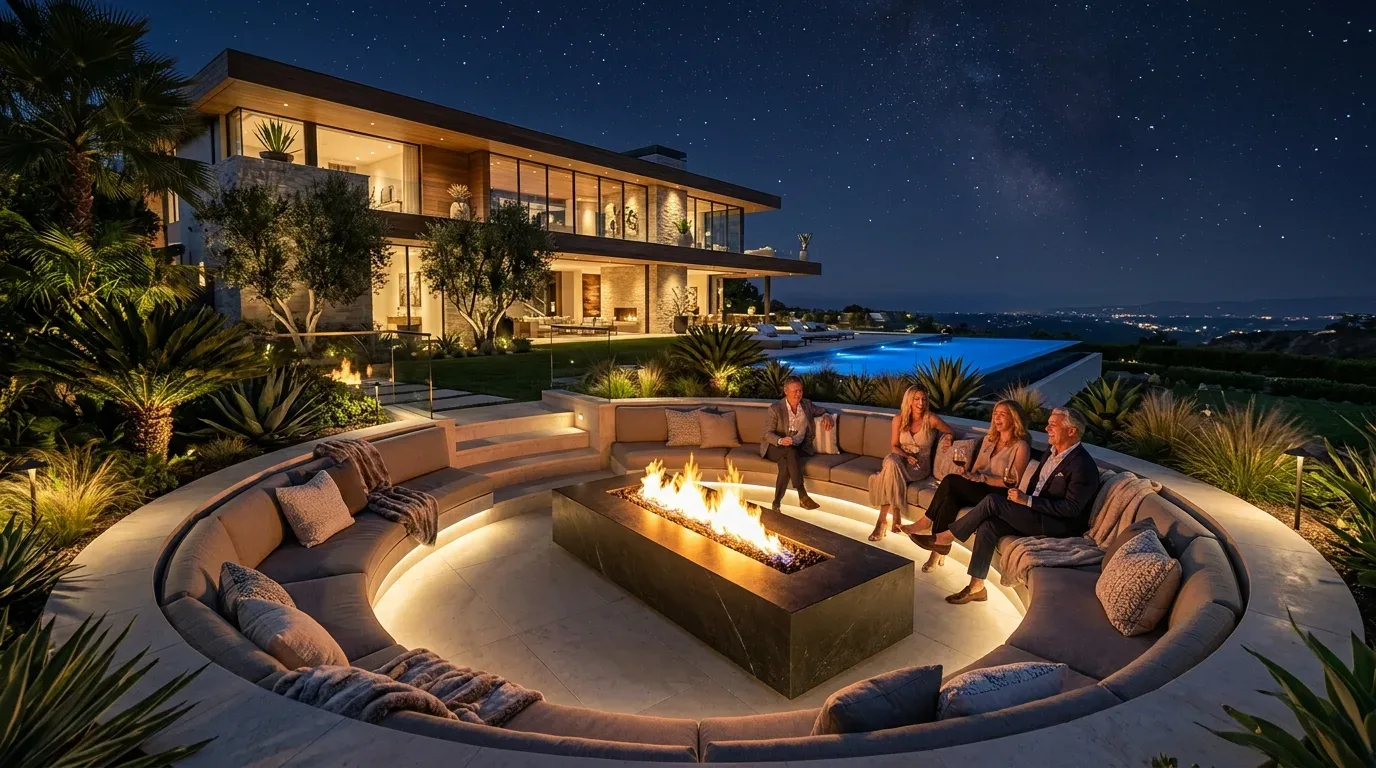
Creating a sense of opulence in luxury homes begins with spatial planning that emphasizes proportion and flow. Spaces need to feel open, warm, but still grand. Go for 10-foot ceilings in main living areas. It’s instant space. Large windows pull in the light and connect inside with Sacramento’s sun outside.
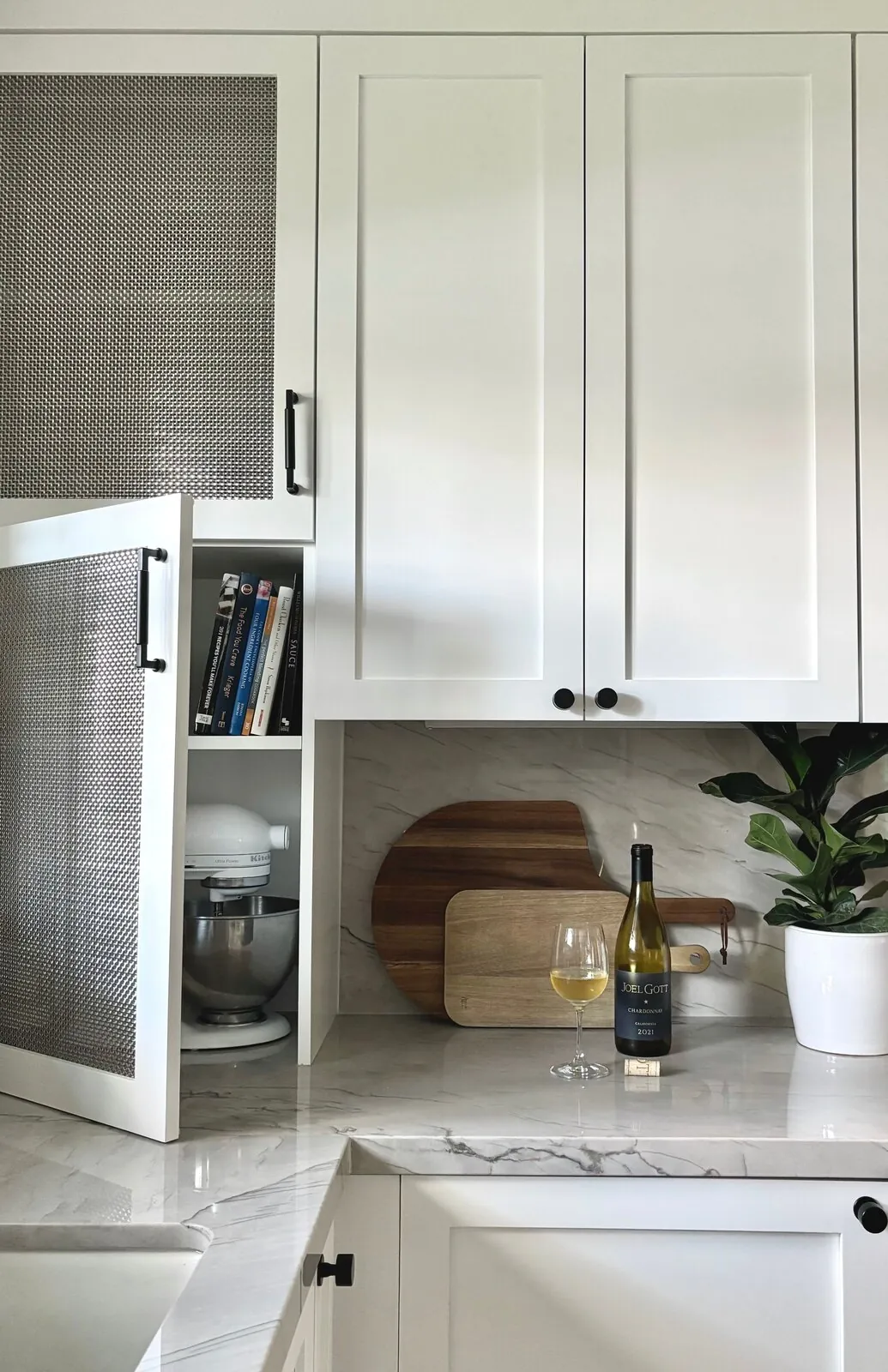
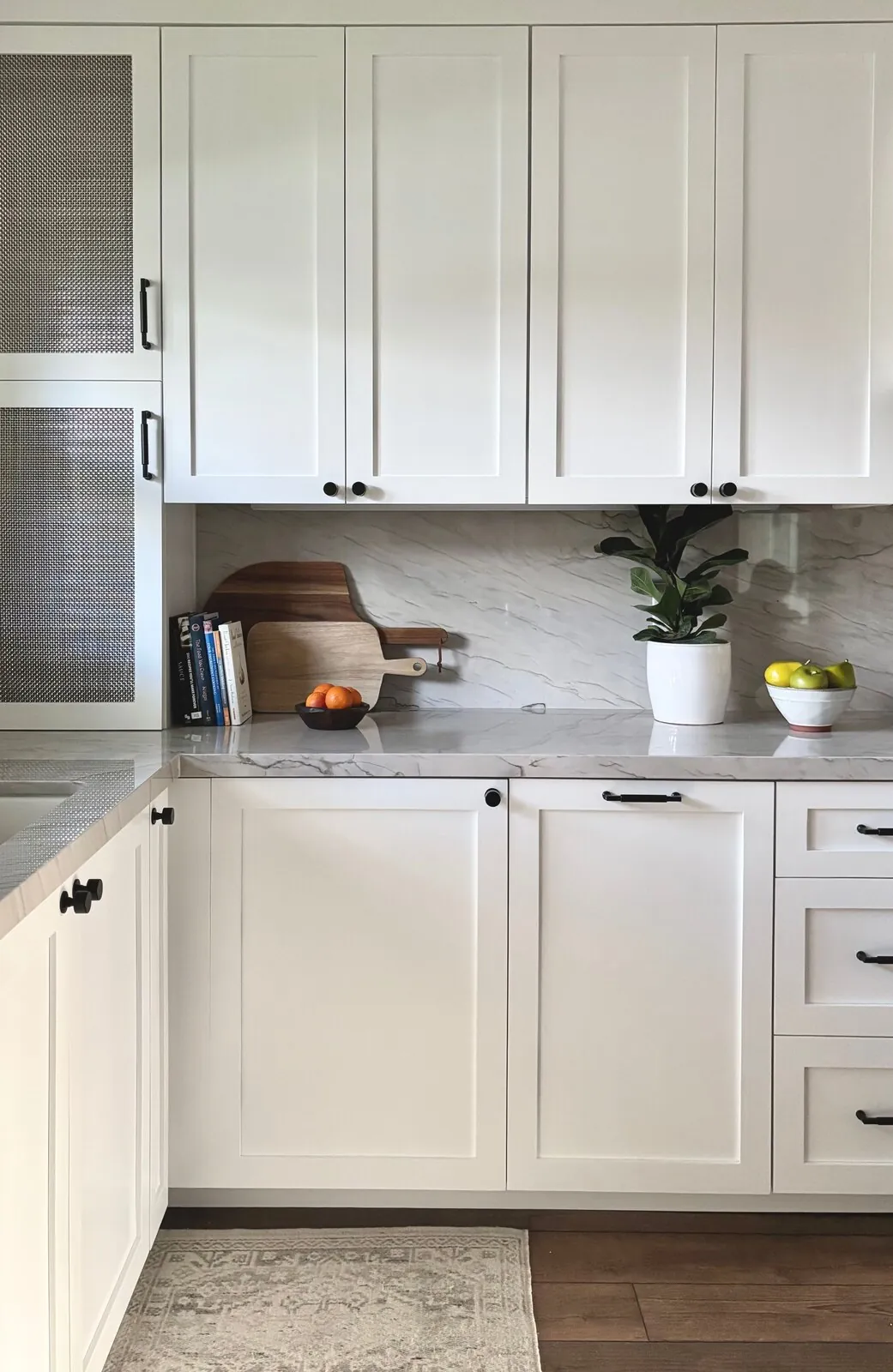
Material choices matter if you want luxury. We favor materials like Calacatta marble for countertops and accent walls, paired with rich walnut wood for cabinetry and flooring. Keep finishes refined. Skip the gloss and the busy. Good balance of scale and rich materials feels vast but thoughtful. Craft a space that balances grandeur and livability. Details should reflect taste.
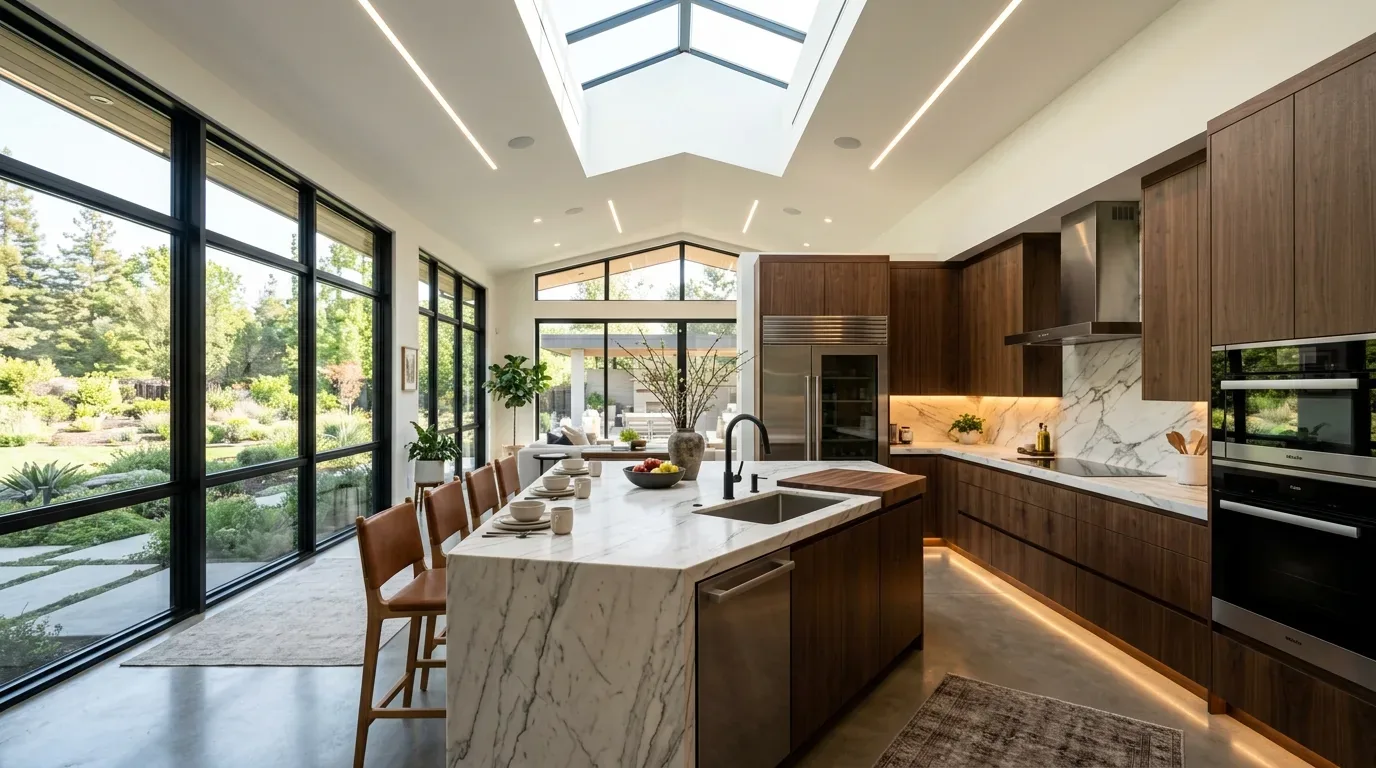
Material Specificity for Authentic Luxury
Authenticity-grade materials
- White oak (rift-sawn), for floors and slat detail; calmer grain than plain-sawn
- Calacatta marble, high-end, timeless countertop material with subtle veining
- Brass fixtures and hardware, warm, durable, and visually rich
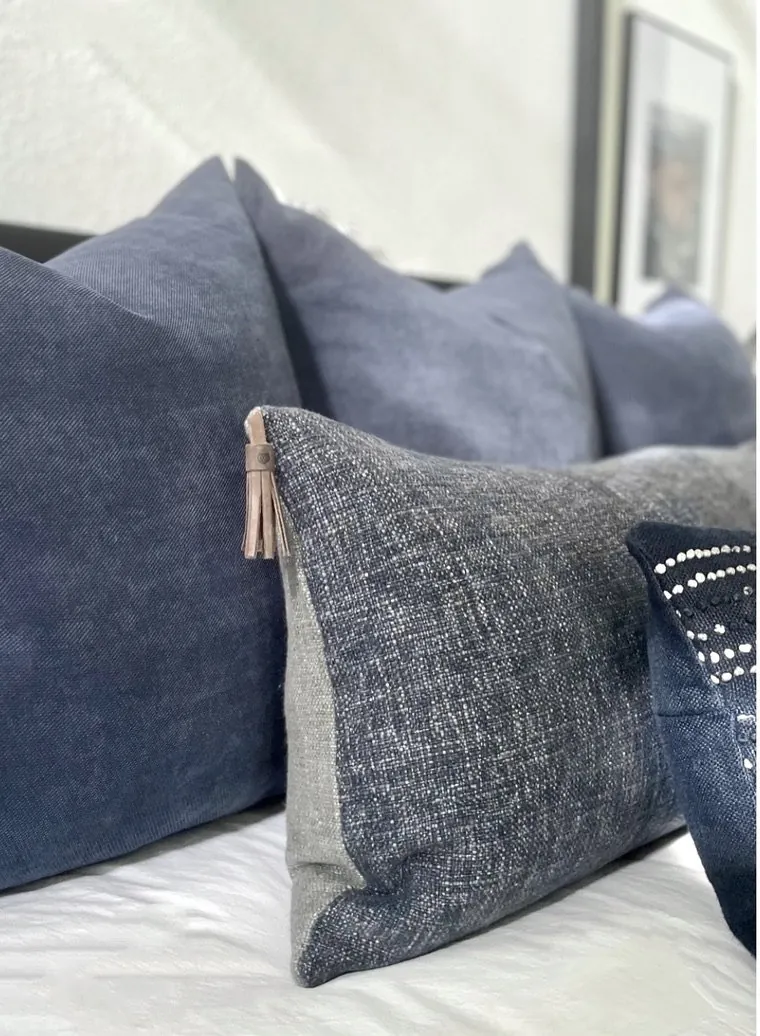
- Velvet textiles, for upholstery and drapery, adding softness and depth
- Custom millwork, hand-crafted cabinetry and panels with refined detailing
- Linen or silk wall coverings, for texture and understated elegance
- Leather accents, on furniture or built-ins for a tactile feel
- Natural stone tiles, in bathrooms and entryways, emphasizing durability and luxury
Generic-grade tells we refuse to spec
- Low-grade laminate countertops
- Veneer or MDF cabinetry
- Plastic or chrome fixtures
- Synthetic textiles
- Mass-produced hardware
- Painted drywall without texture or detail
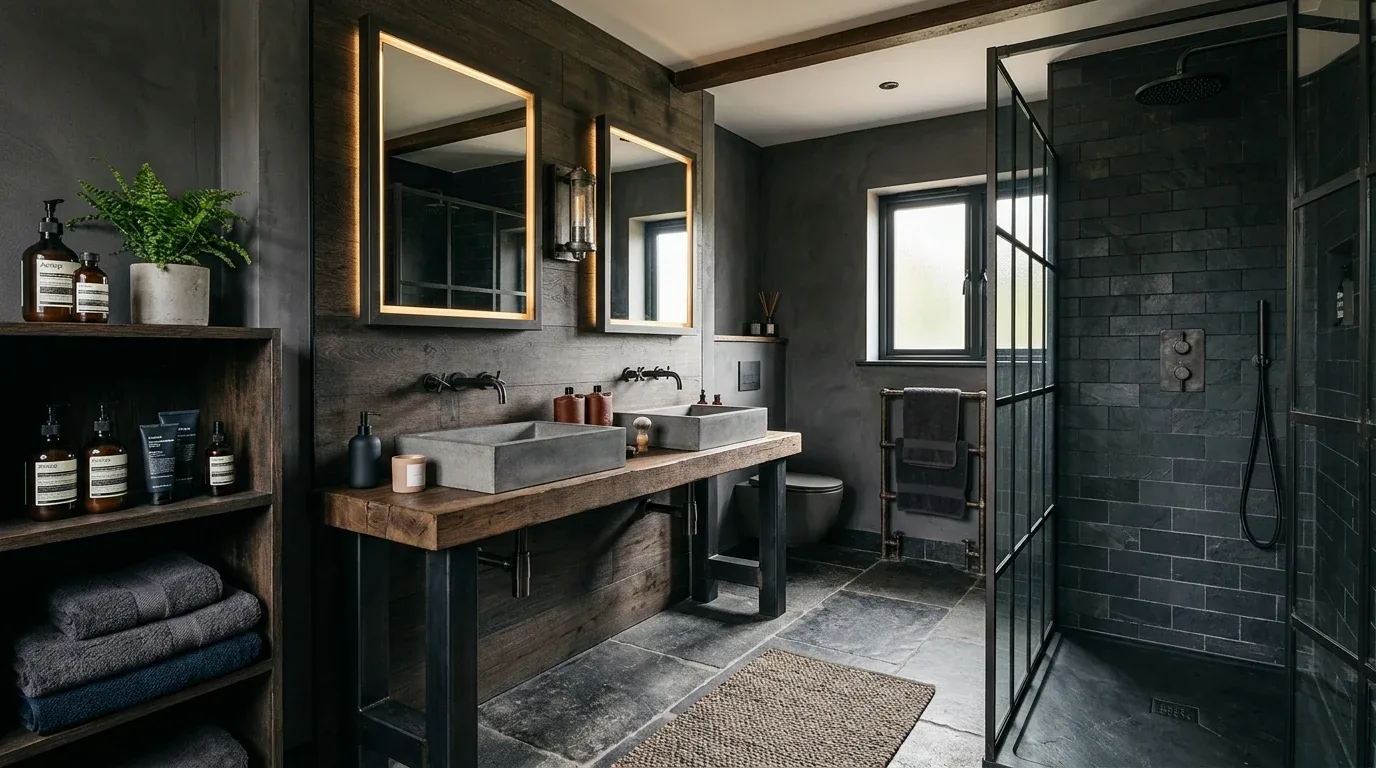
How to Choose the Right Fixtures and Features for a Luxurious Kitchen
The homeowner’s real question is often about balancing high-end features with practicality and style. The first question we ask is: what fixtures and features will truly elevate the space without overloading the design? Choose a range hood that fits both style and needs, think wood-paneled vent with lights. Think about size when picking a range or sink. A 48-inch range feels more luxe.
Materials matter. We prefer brands like Sub-Zero Wolf for appliances and Waterworks fixtures for sinks and faucets, emphasizing durability and aesthetic appeal. The American Society of Interior Designers emphasizes choosing finishes that age gracefully, like brass or matte black hardware, which add character and warmth. Focus on luxury without losing function.
Sizing and Specification Guide for Luxury Kitchen Fixtures
When planning a luxury kitchen, proper sizing and specifications are crucial. Pick a hood at least 24 inches deep. A 36-inch stove? Go for 600 CFM. A 48-inch range needs about 800 CFM. Counters usually range from 24 to 30 inches deep. Aim for ten-foot ceilings if you want large lights.
In Sacramento, veneer cabinets are popular. Keep at least 42 inches free around your appliances. Details make your kitchen work for daily life.
Should You Opt for Custom Millwork or Stock Solutions?
You need to decide: custom millwork or stock? The first question we ask homeowners is: what is your budget, timeline, and desired level of uniqueness? Use custom millwork from local craftsmen. Better craftsmanship, unique sizing. It fits perfectly into the architecture you already have. But expect longer waits, higher prices. You're looking at thousands per piece.
Stock from well-known names works if you're short on budget or time. Standard sizes, set finishes. Faster, cheaper. The key is to evaluate the quality and finish options, many high-end stock options now rival custom in appearance. Decide what matters most to you. Use quality materials for a luxurious look.
What This Costs in 2026
| Scope | Typical range |
|---|---|
| Refresh scope for high-end finishes and minor updates | $100K-$200K |
| Mid-tier renovation with custom cabinetry and upgraded fixtures | $200K-$400K |
| Estate-scale overhaul with structural updates and luxury features | $400K-$2M+ |
Working Notes
What We Have Learned Doing This: How to design luxury homes: A Designer's Guide
“What survives the punch list is what was drawn clearly.”
Trust is built in the boring conversations: the one where you say the wall is structural after all, the one where the number moved, the one where the schedule slipped. Clients forgive reality. They do not forgive being surprised by it.
Old houses lie, and so do new ones. Even a ten-year-old house lies the moment you assume the framing sits where the plans say. We don't trust old plans or past work. Demolition? Budget an extra 15-20%. Surprises come once you open walls.
You stop fearing bad taste and start fearing the real problems: delays, a bad sequence, moisture, or that one framing error. Looks still matter, but execution decides if the room really turns out right.
These notes come from our own project debriefs. Most were learned the expensive way the first time.
Sources & Professional References
This guide's positions on materials are grounded in published building-code, standards, and recognized design-authority sources, alongside Designed | Curated Interiors' verified credentials and active project files:
- American Society of Interior Designers (ASID): interior-design practice standards
- International Code Council (ICC): Chapter 8 Interior Finish Decorative Materials And Furnishings
- NKBA, Amy Kunst Member Profile (verified credential, NKBA Committee Member)
- Featured in: Homes & Gardens (design expert quote, May 2026) · Sacramento Love (guest author, 2024)
From Principle to a Real Room
A trend piece is the briefing document, not the deliverable. The pages below show how we translate these principles into finished rooms across Sacramento and the rest of Northern California.
- Sacramento & Bay Area Interior Design Services How we scope, source, and deliver work end to end.
- Interior Designer Hub, Sacramento Where most of our Sacramento work lives, the regional fit explained.
- Atherton Basement, Underground Garage Excavation Rules for Luxury Homes Atherton caps above-ground FAR, so luxury homes expand underground. The real rules for basements, underground garages, lightwells, excavatio
- How Much Does Preventing Water Quality Issues In Vacation Homes Florin - Interior Designer Related cluster piece referenced from the How Much Does Preventing Water Quality Issues In Vacation Homes Florin - Interior Designer build f
- Mediterranean Wifi Design In Luxury Homes Sunnyvale - Interior Designer Related cluster piece referenced from the Mediterranean Wifi Design In Luxury Homes Sunnyvale - Interior Designer build files.