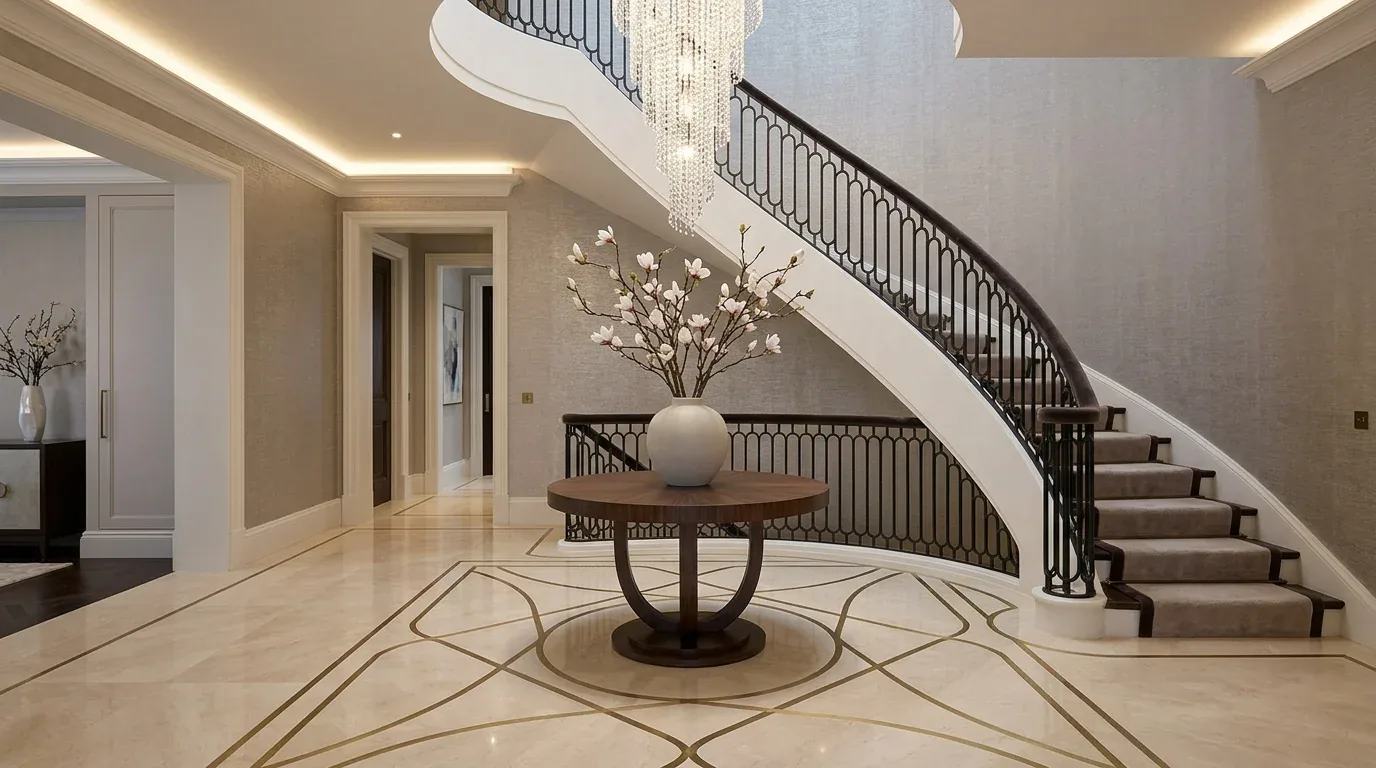
Expanding your home with a new room or space that enhances both function and style is a key goal for many homeowners in Sacramento and beyond. The main concern is often how to create a seamless addition that feels natural and adds value without breaking the bank. Effective home addition ideas balance innovative design with practical considerations, ensuring the new space complements your existing home while boosting its aesthetic and market worth.
Built from our active project files, this guide explores the latest trends in home additions for 2026. We cover smart design strategies, materials, regional considerations, and real-world case stories to help you make informed decisions about expanding your Sacramento home without surprises or regrets.
Direct Answers (Home Addition Ideas)
| What are some popular home addition ideas for Sacramento homes? | Popular ideas include sunrooms, outdoor rooms, and expanding existing spaces to enhance functionality and style. |
| How can I ensure my home addition matches the existing architecture in Sacramento? | Match architectural details, materials, and finishes like siding, trim, and roofing, and create smooth transitions with thresholds and aligned window styles. |
| When should I consider rebuilding instead of remodeling my Sacramento home? | Rebuilding may be better if the home has foundation issues, zoning restrictions, or requires large-scale changes, rather than just updating or expanding. |
| What regional considerations should I keep in mind for Sacramento home additions? | Durable, low-maintenance materials like fiber cement siding and high-quality roofing are essential due to the climate, and respecting historic elements is important in older neighborhoods. |
The First Major Design Move: Seamless Integration
Integrating a new addition into an existing home is often the most challenging step. Across our active project specifications, we see that homeowners want spaces that feel like they’ve always belonged. The key is to match architectural details, materials, and finishes, think siding, trim, and roofing, that echo the existing structure. For instance, using a similar stucco or fiber cement siding from brands like James Hardie can ensure visual harmony.
Design-wise, creating a smooth transition between old and new can be achieved with thoughtful thresholds and continuity in flooring, lighting, and ceiling heights. A common mistake is to treat additions as separate entities, which can look disconnected. Instead, consider extending the existing roofline or aligning window styles. These subtle cues make a significant difference in perceived quality and cohesion. When in doubt, consulting with a regional expert familiar with Sacramento’s architectural stock helps keep the design both current and respectful of local character.

Material Specificity for Lasting Results
Authenticity-grade materials
- White oak (rift-sawn), for floors and slat detail; calmer grain than plain-sawn
- Fiber cement siding, durable, low-maintenance, and weather-resistant, matching Sacramento’s climate
- Triple-glazed windows, for energy efficiency and noise reduction in busy neighborhoods
- Low-VOC paints, improving indoor air quality and sustainability
- Reclaimed cedar, for accents or soffits, adding warmth and character
- Structured insulated panels (SIPs), for high-performance walls and roofs
- Polished concrete, for durable, modern flooring options in high-traffic areas
- Eco-friendly insulation (sheep’s wool, cellulose), for sustainable thermal performance
Generic-grade tells we refuse to spec
- Standard MDF trim, less durable over time
- Vinyl siding, less authentic and environmentally friendly
- Low-quality plywood, prone to warping and damage
- High-VOC paints, poor indoor air quality
- Non-reclaimed softwoods, less character and sustainability
- Traditional fiberglass insulation, less eco-friendly
- Mass-produced tile, less unique and often imported
- Non-sustainable flooring options, higher lifecycle costs

How to Decide Between a Remodel or a Rebuild for Your Sacramento Home
The first question many homeowners face is whether to remodel their existing home or undertake a complete rebuild. In Sacramento, the decision hinges on factors like the age of the home, the local land value, and the desired outcome. If your home is structurally sound but outdated or lacking space, a well-planned remodel can be cost-effective and preserve neighborhood character. However, if foundation issues, zoning restrictions, or large-scale changes are needed, rebuilding might be the better long-term investment.
Our approach begins with a detailed assessment using tools like site photos and permit research. For example, in one recent project, a homeowner wanted a larger primary suite and a more open floor plan. We initially thought a simple addition would suffice, but after a tape measure and a review of Sacramento’s building codes, we realized the foundation was compromised and the lot’s setback restrictions limited expansion. Rebuilding the master suite with a new footprint, while keeping the original structure’s charm, proved more practical than a costly extension that would have triggered extensive permits and zoning hurdles. The key is to weigh the immediate costs against future value, especially in a region where land is precious and older homes hold historic value.
What Adds the Most Value in Sacramento Home Additions
Adding value through home expansion involves balancing cost with impact. In Sacramento, a well-designed sunroom or a modernized kitchen can deliver strong ROI, but the most significant gains often come from creating flexible spaces that adapt to future needs. For example, converting an underused garage into a guest suite or home office can increase livability and market appeal.
We recommend considering ROI tables from sources like the National Association of Home Builders to evaluate projects. A high-quality primary suite addition, with thoughtful materials and finishes, can return up to 60 percent of its cost at resale. Simpler upgrades like improved insulation or energy-efficient windows also boost value without large construction costs. In Sacramento’s competitive market, strategic additions that enhance functionality and curb appeal often provide the best return, especially when aligned with the city’s historic neighborhoods and modern growth areas.
How to Modernize an Older Sacramento Home Without Losing Its Character
Many Sacramento homes are cherished for their historic charm, which can be preserved while integrating modern amenities. The first question we ask is what architectural elements are worth retaining, original moldings, window styles, or rooflines, and how to incorporate new features subtly. Using authentic materials like reclaimed cedar or traditional Craftsman-style windows ensures the addition feels native to the neighborhood.
Our experience shows that blending old and new is about balance. For instance, adding a contemporary glass extension with a flat roof can contrast but not clash if framed with traditional materials. This approach respects the home’s original character while providing the modern function homeowners seek. It’s vital to work with regional experts who understand Sacramento’s building codes and historic preservation guidelines, avoiding costly mistakes and ensuring the addition enhances the home’s narrative rather than detracting from it.
Common Mistakes We See When Planning Home Additions
Biggest Waste: Overspending on oversized fixtures or finishes that do not match the home’s scale or style, leading to a disconnected look.
Biggest Regret: Neglecting proper airflow and HVAC planning, which can result in uncomfortable rooms and higher energy costs, especially in Sacramento’s climate.
Hidden Cost: Underestimating permit and foundation work, especially in older neighborhoods with historic restrictions, which can unexpectedly double or triple initial budgets.
What's Going Out for 2026
- Ignoring local zoning and permit requirements
- Overly complex or mismatched design details
- Using low-quality or non-sustainable materials
- Neglecting natural light and outdoor connections
- Failing to plan for HVAC and airflow needs
- Choosing expensive custom features without ROI focus
- Disregarding the home’s existing architectural character
- Neglecting regional climate considerations
- Overbuilding in limited lot sizes
- Ignoring future flexibility for changing needs
What Home Addition Ideas Costs in 2026
| Scope | Typical range |
|---|---|
| Basic refresh and small extension | $80K-$150K |
| Mid-tier, functional addition with quality finishes | $200K-$500K |
| Estate-scale rebuild or large custom addition | $500K-$2M+ |
Working Notes
What We Have Learned Doing This: Home Addition Ideas: Why the ADU Is the Smartest Addition in 2026
“A finish you cannot maintain is a finish you cannot afford.”
A renovation is a dependency chain, not a list of tasks. A two-day cabinet delay quietly becomes a two-week slip by week sixteen because every trade downstream is holding a calendar. The least glamorous part of this work, and the most valuable, is keeping that chain from cascading.
After enough projects you stop fearing bad taste and start fearing the boring things: delays, sequencing mistakes, moisture behind a wall, an electrician improvising, framing that is not where the drawings swear it is. The aesthetic part still matters, it is why anyone hires anyone, but execution decides whether the room ever gets built the way it was drawn.
The cheapest tool on any project is a sample board and an afternoon. We have watched five-figure mistakes get caught by a fifteen-dollar paint sample lived with for a week in the actual light of the actual room. Decisions made under showroom lighting do not survive contact with a real house.
These notes come from our own home addition ideas: why the adu is the smartest addition in 2026 project debriefs. Most were learned the expensive way the first time.
Sources & Professional References
This guide's positions on materials are grounded in published building-code, standards, and recognized design-authority sources, alongside Designed | Curated Interiors' verified credentials and active project files:
- American Society of Interior Designers (ASID): interior-design practice standards
- International Code Council (ICC): Chapter 8 Interior Finish Decorative Materials And Furnishings
- NKBA, Amy Kunst Member Profile (verified credential, NKBA Committee Member)
- Featured in: Homes & Gardens (design expert quote, May 2026) · Sacramento Love (guest author, 2024)
Frequently Asked
What are some popular home addition ideas for Sacramento homes?
How can I ensure my home addition matches the existing architecture in Sacramento?
When should I consider rebuilding instead of remodeling my Sacramento home?
What regional considerations should I keep in mind for Sacramento home additions?
Are there cost-effective ways to add value with a home addition in Sacramento?
What permits or codes should I be aware of when planning a home addition in Sacramento?
What are some tips for integrating a new addition seamlessly into my Sacramento home?
From Home Addition Ideas to a Real Room
A trend piece is the briefing document, not the deliverable. The pages below show how we translate these principles into finished rooms across Sacramento and the rest of Northern California.
- Sacramento & Bay Area Interior Design Services How we scope, source, and deliver work end to end.
- Interior Designer Hub, Sacramento Where most of our Sacramento work lives, the regional fit explained.
- Modern Tudor Homes: Authentic, Revival, and Neo-Tudor (A Designer Reference) Heritage-architecture renovation patterns from our project files.
- Japandi Living Room: A Designer's Guide to the 2026 Look The 2026 warm-neutral playbook applied to the living room.