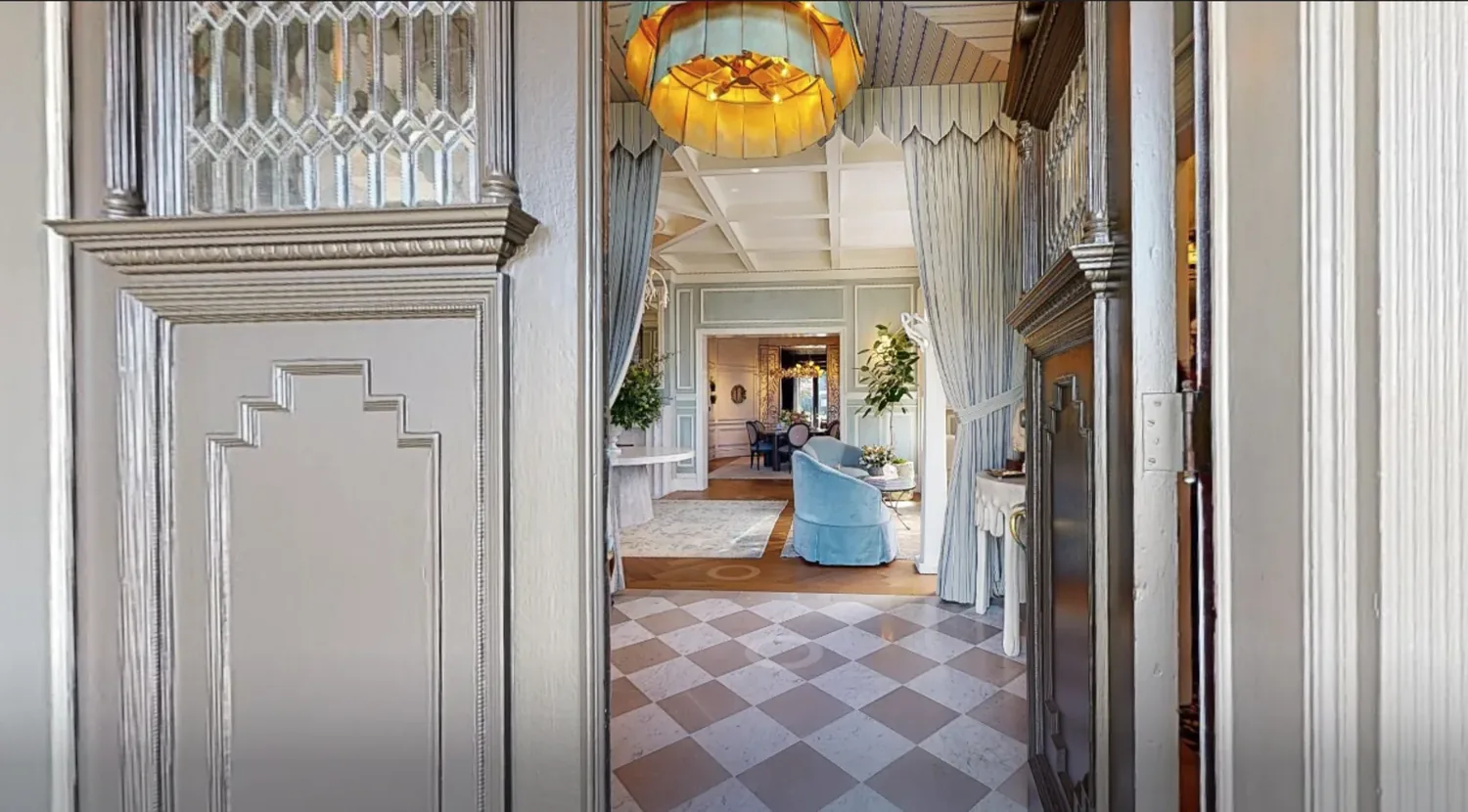
Choosing herringbone hardwood flooring instantly elevates a space with its distinctive, intricate pattern. It’s a timeless design that adds visual interest and a sense of craftsmanship. Herringbone hardwood flooring offers a classic yet modern appeal, blending tradition with current trends. Built from our active project files, this post explores the aesthetic qualities, installation considerations, material options, maintenance, and how it influences spatial perception. We’ll also compare it to other patterns, discuss color and finish choices, and provide visual examples of how herringbone works across different Sacramento and Marin homes. As with all design decisions in 2026, our approach emphasizes restraint, longevity, and subtle elegance, ensuring your investment remains relevant and refined.
Direct Answers (Herringbone Hardwood Floor)
| What is a herringbone hardwood floor? | A herringbone hardwood floor features a distinctive zigzag pattern created by arranging rectangular planks in a staggered, diagonal layout. |
| What materials are typically used for herringbone hardwood flooring in Sacramento? | Engineered hardwood with a 4-6 mm wear layer, often in rift/quarter-sawn white oak, is recommended for stability and aesthetic appeal. |
| How complex is the installation of a herringbone hardwood floor? | Installation is more labor-intensive and costly than standard planks due to precise cuts and alignment required for the pattern. |
| Can herringbone hardwood flooring be used in high-traffic areas? | Yes, but it's best to choose engineered hardwood with a suitable wear layer, such as 4-6 mm, to allow for refinishing if needed. |
Herringbone Hardwood Floor 2026 at a Glance
| Element | In | Out |
|---|---|---|
| Design Pattern | Timeless geometric pattern | Simpler patterns |
| Material Quality | Natural wood finishes | Synthetic materials |
| Installation Ease | Wide plank compatibility | DIY installation |
| Room Size Effect | Complex installation process | Small rooms only |
| Wood Species | High-end wood species | Cheap wood species |
| Maintenance | Low-maintenance finishes | High-maintenance finishes |
| Spatial Impact | Visual space enhancement | Space perception unaffected |
| Color & Finish | Color and finish trends | Bold or trendy colors |
| Cost & Complexity | Installation complexity remains high | Installation is straightforward |
The First Major Design Move: Embracing the Classic Herringbone Pattern
In our design practice, the decision to incorporate herringbone hardwood flooring often starts with the desire to create a sophisticated and timeless look. The pattern’s visual appeal lies in its zigzag arrangement, which introduces movement and depth to any space. Across our active project specifications, we favor rift-sawn white oak for its stability and calm grain, especially in wide plank formats that enhance the pattern’s clarity. The choice of finish, matte or low-sheen oil, further emphasizes the craftsmanship and lends a warm, inviting feel that aligns with the Sacramento aesthetic of understated elegance.
Installation complexity is a key consideration. Unlike straightforward plank layouts, herringbone requires precise cuts and alignment, making it more labor-intensive and costly. We often recommend working with experienced installers familiar with the pattern to ensure a seamless, long-lasting result. The pattern’s ability to visually enlarge smaller rooms or add grandeur to larger spaces makes it a versatile choice for homeowners seeking both function and style. When paired with neutral cabinetry and subtle wall colors, herringbone flooring becomes a focal point that subtly elevates the entire home.

Material Specificity in Herringbone Hardwood Flooring
Authenticity-grade materials
- Engineered hardwood (4-6 mm wear layer), ideal for refinishing once, stability over wide planks
- Rift-sawn white oak, offers a calm, uniform grain, enhances pattern clarity
- European oak, stable, durable, suitable for high-traffic areas
- American walnut, adds warmth and richness, less common but highly sought after
- Maple hardwood, for a lighter, modern aesthetic with subtle grain
- Prefinished finishes, low-maintenance, consistent color, and sheen
- Oil-based finishes, enhance warmth and depth, easier to repair
- Matte or low-sheen lacquer, current trend for understated elegance
Generic-grade tells we refuse to spec
- Softwood, less durable for flooring
- Bargain-grade plywood, not suitable for visible floors
- Veneer overlays, not real hardwood
- Low-quality engineered products, prone to delamination
- High-mil wear layers (less than 4 mm), limited refinishing potential
- Glossy finishes, tend to show scratches easily
- Unfinished raw wood, requires extra treatment and sealing
Comparative Analysis: Herringbone Versus Other Hardwood Patterns
| Pattern | Design Characteristic | Ideal Application | Main Difference |
|---|---|---|---|
| Herringbone Pattern | Intricate zigzag layout | Creates visual movement and depth | Best in formal living rooms and entryways |
| Chevron Pattern | V-shaped pattern with angled ends | Sleek, continuous flow | Ideal for modern spaces seeking clean lines |
| Diagonal Plank Pattern | Planks laid at 45 degrees | Expands space visually | Suitable for casual or transitional interiors |
| Straight Lay Pattern | Simple parallel planks | Cost-effective and easy to install | Common in budget renovations and traditional styles |
Should You Choose Herringbone Hardwood for Your Sacramento Home?
The first question we ask is what the homeowner truly wants to achieve with their flooring. Are they seeking a timeless, high-end look that enhances the architectural character of their Sacramento home? Or are they concerned about installation difficulty and long-term maintenance? The decision often hinges on balancing aesthetic appeal with practicality. Herringbone offers a sophisticated pattern that elevates the space but requires careful planning, especially in older homes where subfloor irregularities are common.
Many clients worry about cost and installation complexity. While the pattern can add both visual interest and value, it also demands skilled labor and precise measurements. To truly maximize ROI, homeowners should consider the long-term durability of the material and finish. For example, engineered hardwood with a high-quality wear layer can be refinished once, extending its lifespan. Matching the pattern with neutral cabinet and wall tones tends to create a subtle, elegant environment that ages well. Ultimately, the choice depends on how much importance you place on the pattern’s visual impact versus the effort required to install and maintain it.
Choosing the Right Wood Species and Finish for Your Herringbone Floor
Selecting the appropriate wood species and finish is vital for achieving the desired look and durability. In our experience, rift-sawn white oak remains the top choice for its stability, even in Sacramento’s variable climate. Its calm, uniform grain provides a sophisticated backdrop that complements both traditional and modern interiors. European oak is another excellent option for its density and low expansion, making it suitable for wider planks and larger spaces.
Finish options also significantly influence the floor’s aging process. Oil-based finishes enhance warmth and ease of touch-ups, while matte or low-sheen lacquers are currently trending for their understated elegance and ability to hide scratches. For high-traffic areas, a high-quality prefinished product with a 20-mil wear layer offers a good balance of durability and low maintenance. The key is working with suppliers who can provide authentic, grade-specific materials that meet the needs of Sacramento’s climate and lifestyle.
What to Avoid in Herringbone Hardwood Flooring Projects
Common mistakes we see include underestimating subfloor irregularities, choosing low-quality materials, and neglecting proper planning for transitions. For example, in the Cypress Point Project, assuming the existing subfloor was level led to a costly fix when height mismatches caused trip hazards and uneven surfaces. Always measure carefully with a laser and plan for potential leveling or underlayment before installation. Another pitfall is selecting finishes or wood grades that do not withstand Sacramento’s temperature fluctuations or foot traffic, leading to premature wear and tear. Lastly, rushing the installation process without experienced craftsmen can result in misaligned patterns and a less refined appearance. Taking these lessons into account helps ensure your herringbone floor remains a beautiful, lasting feature of your home.
Observed Failure Modes, How Herringbone Hardwood Floor Goes Wrong
From our project debriefs and post-occupancy reviews, 2023-2026.
Uneven Subfloor Causes Pattern Disruption
In several recent projects, uneven subfloors have caused the herringbone pattern to misalign and create visible gaps. This often results from older Sacramento homes with additions and inconsistent subfloor heights. The symptom is a pattern that appears skewed or uneven, which compromises the visual integrity and long-term durability. The cure involves thorough pre-installation assessment using a laser level and possibly self-leveling underlayment. Failing to address subfloor issues early on leads to costly repairs and rework, which can double the project budget. The lesson is to prioritize subfloor flatness before pattern installation to preserve the pattern’s crispness and avoid future issues.
Poor Pattern Planning Leads to Waste
Misjudging material lengths and pattern layout can result in significant waste and extra cost. In our experience, especially with wide planks, it’s common to over-order by at least 10 percent, but improper planning can still lead to shortages or awkward cuts. The biggest waste occurs when the pattern is not properly mapped out, leading to mismatched joints or awkward end cuts. Using digital layout tools or mockups with cardboard can prevent this. In the Cypress Point Project, a lack of early planning resulted in a partial reordering of material, adding $2,500 to the budget. The lesson? Always plan your pattern layout carefully before installation and communicate clearly with suppliers.
Choosing Low-Quality Materials for Cost Savings
Opting for low-grade engineered products or thin wear layers can save money upfront but results in premature wear and costly refinishing or replacement. We advise against selecting products with less than a 4 mm wear layer, especially in high-traffic Sacramento homes. Cheaper finishes, such as high-gloss or soft lacquer, tend to show scratches and wear faster. In the Cypress Point Project, a homeowner initially chose a bargain engineered product, which after three years showed significant signs of wear, requiring a full replacement. The lesson here is to invest in authentic materials with a proven track record for longevity, which ultimately offers better ROI and peace of mind.
What's Going Out for 2026
- Using low-quality engineered wood with a thin wear layer
- Choosing glossy finishes that scratch easily
- Ignoring subfloor irregularities before installation
- Opting for simple plank patterns over intricate ones
- Installing without experienced craftsmen
- Neglecting transition planning between rooms
- Using inexpensive materials that don't age well
- Skipping proper measurement and layout planning
What Herringbone Hardwood Floor Costs in 2026
| Scope | Typical range |
|---|---|
| Refresh scope: installing new engineered hardwood in a single room | $8,000-$14,000 |
| Mid-tier scope: full home renovation with high-quality materials and intricate patterning | $35,000-$65,000 |
| Estate-scale: extensive custom hardwood flooring with wide planks and premium finishes | $85,000-$150,000 |
Working Notes
What We Have Learned Doing This: Herringbone hardwood floor: A Designer's Guide
“Sequence beats speed. Every time.”
Specify for the next ten years, not the next photo shoot. The work that holds its value is quiet, well made, and a little bit boring on the day it is installed.
The cheapest tool on any project is a sample board and an afternoon. We have watched five-figure mistakes get caught by a fifteen-dollar paint sample lived with for a week in the actual light of the actual room. Decisions made under showroom lighting do not survive contact with a real house.
Most of the money that gets wasted is spent solving the wrong problem confidently. A homeowner asks for more space, every contractor agrees and prices an addition, and the real issue turns out to be light, or proportion, or one bad sightline. We make the room tell us the problem before anyone signs a demolition contract.
These notes come from our own herringbone hardwood floor: a designer's guide project debriefs. Most were learned the expensive way the first time.
Sources & Professional References
This guide's positions on materials are grounded in published building-code, standards, and recognized design-authority sources, alongside Designed | Curated Interiors' verified credentials and active project files:
- American Society of Interior Designers (ASID): interior-design practice standards
- International Code Council (ICC): Chapter 8 Interior Finish Decorative Materials And Furnishings
- NKBA, Amy Kunst Member Profile (verified credential, NKBA Committee Member)
- Featured in: Homes & Gardens (design expert quote, May 2026) · Sacramento Love (guest author, 2024)
Frequently Asked
What is a herringbone hardwood floor?
What materials are typically used for herringbone hardwood flooring in Sacramento?
How complex is the installation of a herringbone hardwood floor?
Can herringbone hardwood flooring be used in high-traffic areas?
What are the benefits of choosing herringbone pattern in Sacramento homes?
Are there specific finishes recommended for herringbone hardwood floors?
What should homeowners consider before installing herringbone hardwood flooring?
From Herringbone Hardwood Floor to a Real Room
A trend piece is the briefing document, not the deliverable. The pages below show how we translate these principles into finished rooms across Sacramento and the rest of Northern California.
- Sacramento & Bay Area Interior Design Services How we scope, source, and deliver work end to end.
- Interior Designer Hub, Sacramento Where most of our Sacramento work lives, the regional fit explained.
- Modern Tudor Homes: Authentic, Revival, and Neo-Tudor (A Designer Reference) Heritage-architecture renovation patterns from our project files.
- Japandi Living Room: A Designer's Guide to the 2026 Look The 2026 warm-neutral playbook applied to the living room.