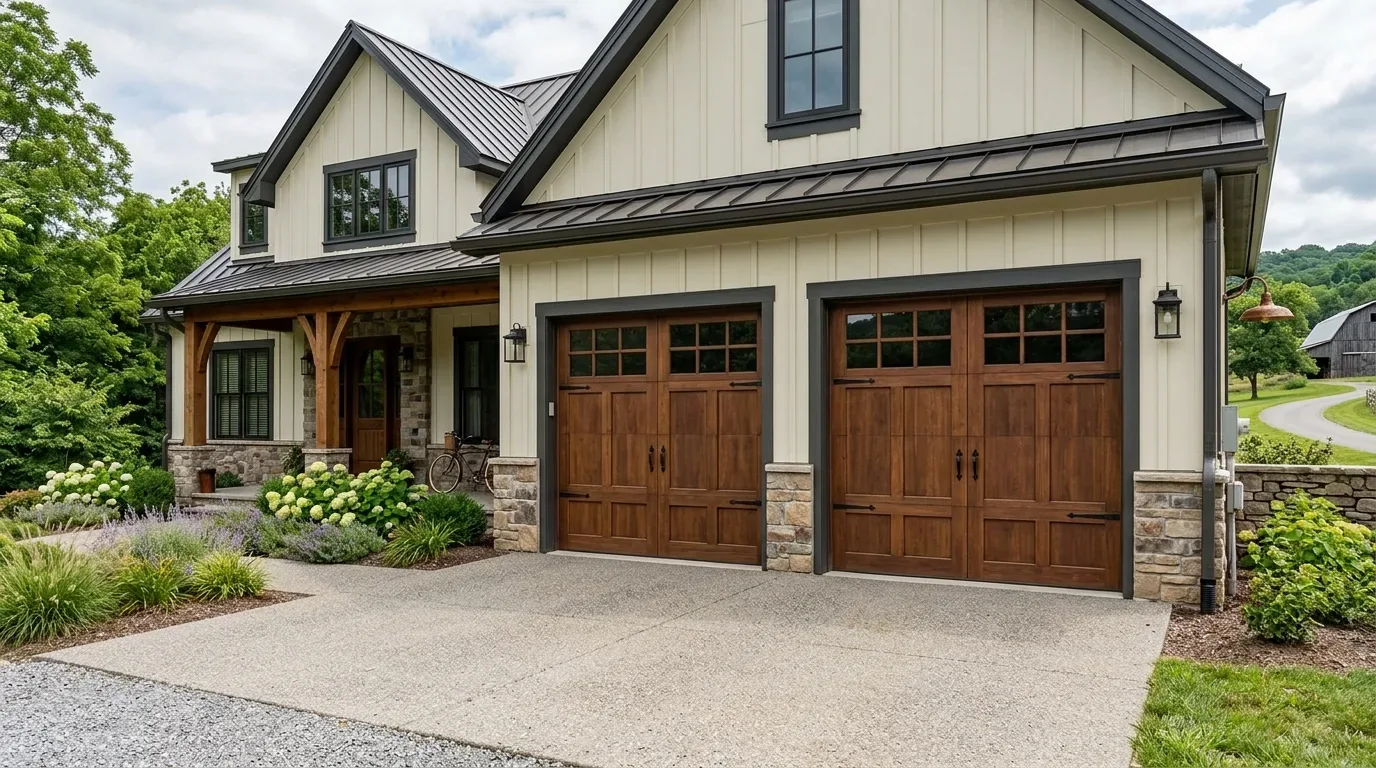
Choosing the right front door color can communicate your home's personality and style before anyone steps inside. The color you select sends a message about your values, style, and even cultural influences. In 2026, front door colors are more than aesthetic choices, they're deliberate signals that shape first impressions and reflect homeowner identity.
Built from our active project files, this guide explores what different front door colors mean, how they influence perception, and what regional Sacramento and Bay Area trends reveal about color symbolism. We’ll cover the psychological effects of color, cultural significances, and practical tips on selecting inviting hues that align with your home's architecture and your personal story. This is part of our ongoing effort to interpret design trends through a warm-restraint lens, helping Sacramento homeowners make meaningful, informed choices.
Direct Answers (Front Door Color Meaning)
| What does the color of a front door typically signify in Sacramento? | It can reflect personality, values, and regional influences, with warm earthy tones being popular for blending with the landscape and architectural style. |
| How do regional trends in Sacramento influence front door color choices? | Sacramento homeowners often favor warm, earthy hues like muted greens and deep reds that complement the historic neighborhoods and climate. |
| What are some common front door colors that convey trust and reliability? | Blue is often associated with trustworthiness and calmness, making it a popular choice for inviting entrances. |
| Why is choosing the right front door color important for first impressions? | The color sets the tone for the home's personality and style, influencing perceptions before anyone steps inside. |
The Power of Color: Conveying Meaning and Personality
In 2026, front door color choices continue to be a subtle yet impactful way to communicate personality and values. Bold reds or blues can suggest confidence and tradition, while softer neutrals evoke calm and understated elegance. Across our active project specifications, we see homeowners leaning toward colors that reflect their personal story and regional context. For example, in Sacramento, warm earthy tones like terracotta or muted greens are popular for their ability to blend with the landscape and architectural styles.
The choice of color also influences how visitors perceive the home’s style, whether it feels modern, traditional, or eclectic. The American Society of Interior Designers emphasizes that color can create emotional cues that shape first impressions. For homeowners, selecting a hue that aligns with their identity and the home’s architecture ensures that the exterior feels intentional and welcoming. When paired with appropriate hardware and finishes, color becomes a foundational element in curb appeal, setting the tone long before entry.
Material Specificity: Choosing Durable and Authentic Finishes
Authenticity-grade materials
- White oak (rift-sawn), for door frames and trim; offers a calm, consistent grain that ages beautifully.
- Fiberglass, for front doors; provides durability and low maintenance with realistic wood-grain textures.
- Powder-coated steel, for hardware and accents; resists rust and weathering in Sacramento’s variable climate.
- Cement composite, for decorative panels; highly resistant to moisture and fading.
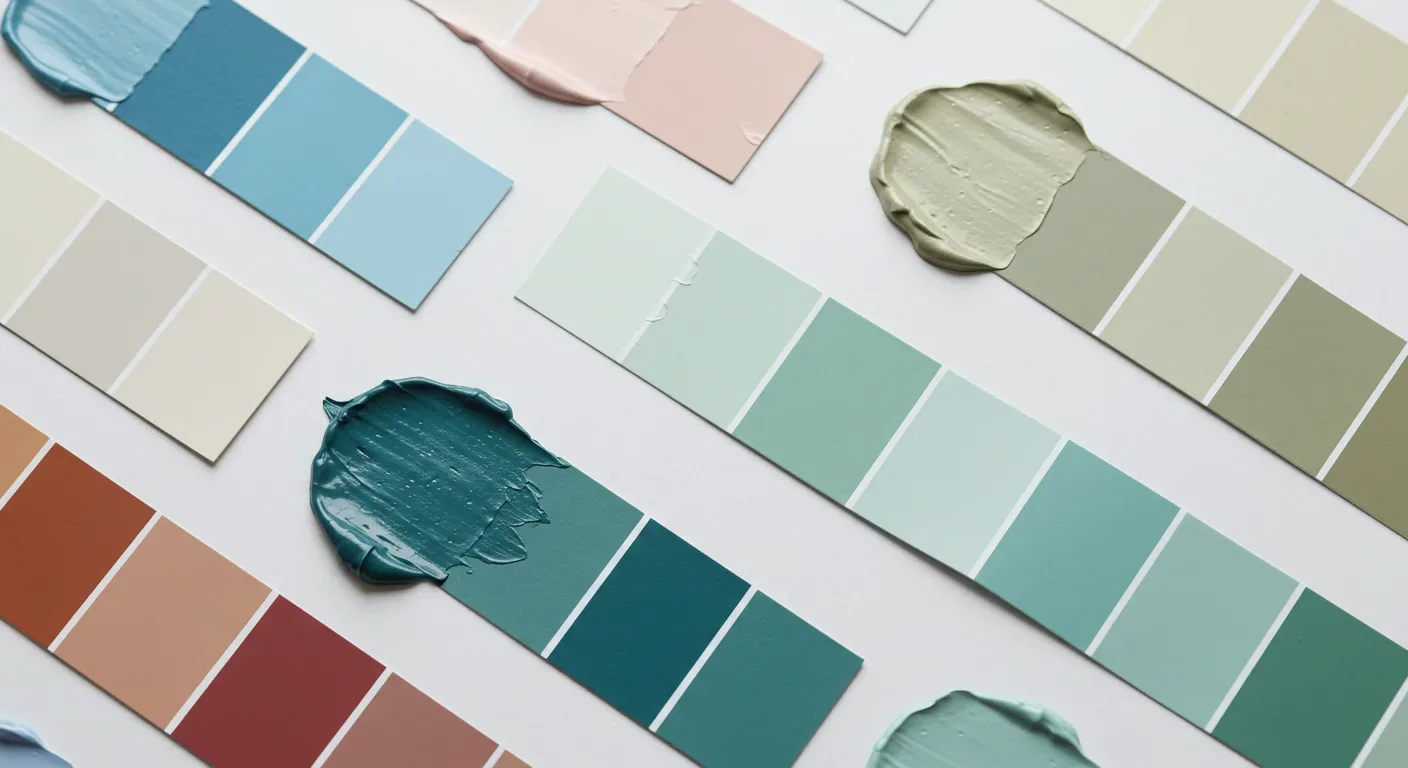
- High-quality paint, Sherwin-Williams or Benjamin Moore; ensures color longevity and resistance to peeling.
- Stainless steel hardware, for longevity and a sleek look that withstands the elements.
- Ceramic or stone tile, for porch surfaces; durable and can add texture or pattern.
- Glass panels, tempered for safety and style, adding light and visual interest.
Generic-grade tells we refuse to spec
- Low-grade MDF or plywood, prone to warping and fading over time
- Standard painted wood, less durable in Sacramento’s weather
- Cheap hardware, rusts quickly and loses finish
- Vinyl or plastic panels, look cheap and deteriorate fast
- Thin glass, prone to cracking or fogging
- Acrylic or resin overlays, less authentic and durable
How to Select a Front Door Color That Reflects Your Style and Values
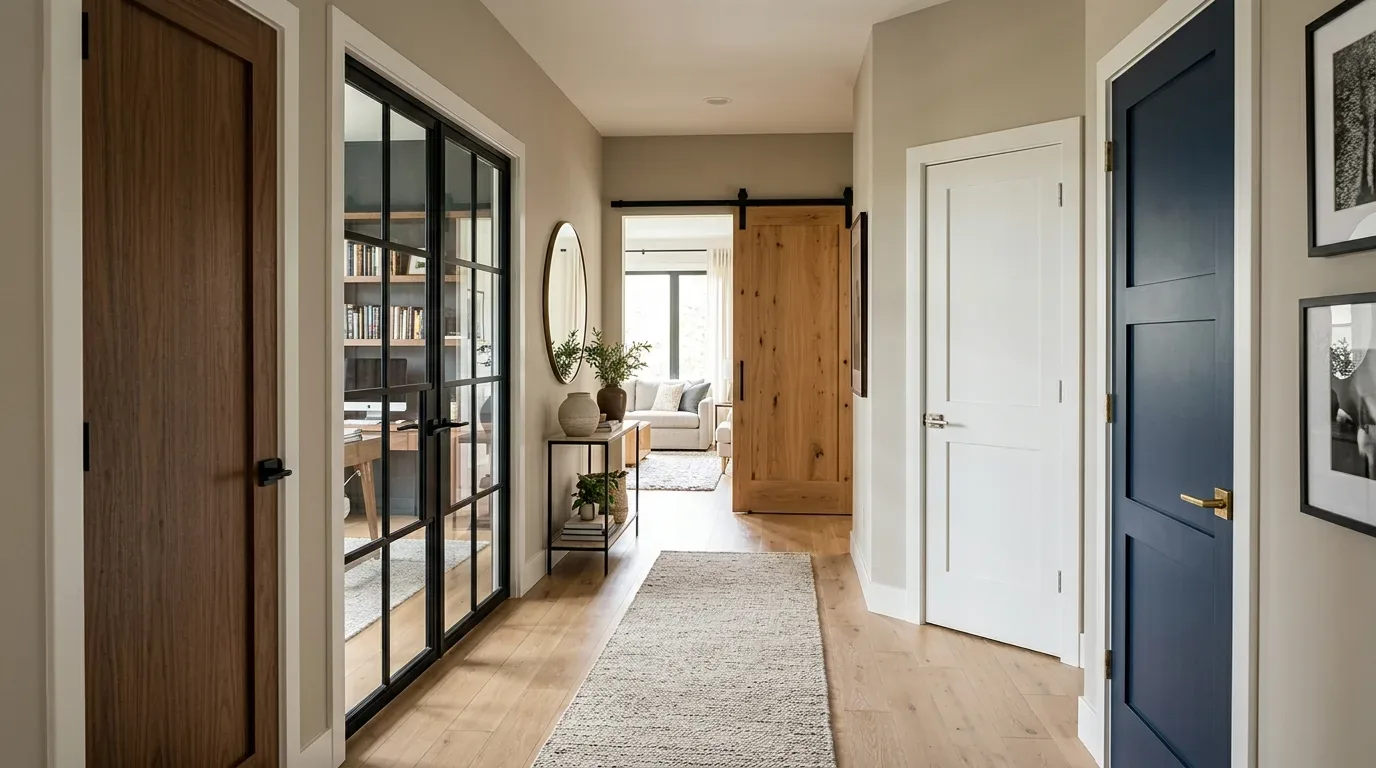
Choosing a front door color involves balancing personal expression with regional influences and architectural style. The first question we ask homeowners is what message they want their home to send, confidence, warmth, tradition, or modernity. For example, a homeowner seeking to convey a welcoming, friendly vibe might opt for warm reds or yellows, which are known to evoke hospitality. Conversely, a desire for modern elegance might lead to dark, moody shades like charcoal or navy.
In our Sacramento projects, we often use a simple matrix to help clients visualize the emotional impact of different colors. Factors like the home's architectural style, surrounding landscape, and neighborhood character influence the final choice. The American Society of Interior Designers emphasizes that color psychology plays a crucial role in first impressions. By carefully selecting hues that align with personal values and regional context, homeowners can create a compelling curb appeal that resonates with visitors and reflects their personality.
- Blue: Trustworthy, calming
- Red: Energetic, inviting
- Green: Harmonious, eco-conscious
- Black: Sophisticated, modern
- Yellow: Cheerful, optimistic
What Front Door Colors Are Most Inviting and How They Impact Perception
In 2026, specific colors are recognized as particularly inviting, think warm reds, cheerful yellows, and soft blues. These hues create an immediate sense of warmth and friendliness, encouraging visitors to feel welcomed. The first impression of a home’s ambiance is heavily influenced by color; a vibrant door signals approachability, while darker shades convey modern sophistication or mystery.
For Sacramento homes, the choice of inviting colors often ties back to regional weather and landscape. Warm earth tones like terracotta or amber naturally complement the local environment, enhancing curb appeal. The American Society of Interior Designers notes that color can influence visitors' emotional response within seconds, making it a powerful tool for homeowners aiming for a welcoming exterior. Pairing these colors with appropriate hardware and lighting further amplifies their effect, ensuring the home exudes warmth and personality from the street.
Cultural and Historical Significance of Front Door Colors in Sacramento
Cultural influences deeply impact front door color choices in Sacramento, especially in historic districts where tradition and heritage are valued. For example, red doors historically symbolize good luck and protection in many cultures, while green often signifies growth and renewal. These meanings persist today, influencing homeowner preferences rooted in regional history and cultural heritage.
Understanding these significances helps homeowners connect with neighborhood identities and preserve local character. The broader Bay Area and Sacramento’s historic neighborhoods often favor colors that honor tradition while adapting to modern tastes. The National Kitchen and Bath Association guides that choosing culturally meaningful colors can create a sense of continuity and respect for the neighborhood fabric. For residents committed to honoring regional history, selecting a hue with cultural resonance is both an aesthetic and meaningful decision.
Psychological Effects of Front Door Colors on Visitors and Occupants
Colors have measurable psychological impacts on both visitors and residents. Warm shades like red and yellow are known to stimulate feelings of friendliness and energy, making guests feel immediately at ease. Cooler tones such as blue and green evoke calmness and tranquility, which can reduce first-time visitor anxiety.
In Sacramento, where homebuyers often value both tradition and modern comfort, selecting a color that aligns with desired emotional responses can enhance overall satisfaction. The American Society of Interior Designers emphasizes that color choices influence mood and perception, helping homeowners craft an exterior that feels both welcoming and authentic. Thoughtful color selection not only boosts curb appeal but also creates a positive psychological environment that invites connection and comfort.
Reflecting Homeowner Personality and Values Through Front Door Color
Ultimately, the front door color is a personal statement. Homeowners often choose hues that mirror their personality, values, or lifestyle. For example, a homeowner passionate about sustainability might select a deep green to signify eco-consciousness. Someone with a bold, confident style might opt for a striking red or navy blue.
In Sacramento, the regional landscape and architectural styles support a diverse palette, allowing residents to express individuality while respecting neighborhood character. The key is aligning color with personal narrative, whether that’s tradition, innovation, or cultural heritage, creating a home exterior that authentically reflects the owner's identity. When combined with thoughtful hardware and landscape design, the color choice becomes a meaningful part of the home's story.
Observed Failure Modes, How Front Door Color Meaning Goes Wrong
From our project debriefs and post-occupancy reviews, 2023-2026.
Overusing Bright or Neon Colors
Many homeowners in 2026 fall into the trap of choosing overly bright or neon front door colors in hopes of standing out. While bold colors can be striking, excessive use can feel jarring and detract from the home’s architectural integrity. The key is moderation and context; a neon hue on a traditional bungalow clashes with its historic charm. The cure is to select vibrant colors that complement the surroundings and architectural style, ensuring the statement feels deliberate rather than discordant.
Ignoring Regional Climate and Wear
Choosing colors without considering Sacramento’s hot summers and variable weather can lead to fading and deterioration. Bright, saturated hues may fade quickly if not specified with high-quality, fade-resistant finishes. The solution is to select colors from trusted brands like Sherwin-Williams or Benjamin Moore that offer weatherproof and UV-resistant paints, ensuring longevity and maintaining curb appeal over time.
Clashing with Neighborhood or Architectural Style
Selecting a color that clashes with the surrounding homes or the architectural style can undermine curb appeal. For example, a modern black door on a Craftsman house might feel out of place unless carefully executed. The best approach is to choose hues that harmonize with the neighborhood’s character and the home’s style, creating a cohesive visual story. Consulting regional color palettes and observing local examples can guide the right choice.
Overcomplex Layering of Colors
While layering multiple shades can add depth, overdoing it can make the exterior appear busy and unfocused. In 2026, restrained palettes with one or two key accent colors are preferred. The lesson is to keep it simple and intentional, using color to highlight architectural features rather than overwhelm them.
Neglecting Cultural or Personal Significance
Ignoring the cultural or personal meaning behind certain colors can result in a home that feels disconnected from its context. For Sacramento’s diverse neighborhoods, understanding local symbolism, such as red for luck or green for renewal, can add depth and authenticity to your choice. Engaging with these meanings ensures your home feels rooted in its community and your personal story.
What's Going Out for 2026
- Bright neon front doors
- Clashing bold colors with architecture
- Overly complex layered color schemes
- Ignoring regional weather impacts
- Color choices that clash with neighborhood style
- Using trendy colors without considering longevity
- Neglecting cultural or personal significance
- Choosing colors based solely on trends
- Ignoring durability in materials and finishes
- Overlooking the home’s architectural context
What Front Door Color Meaning Costs in 2026
| Scope | Typical range |
|---|---|
| Basic refresh with standard paint and hardware | $3K-$7K |
| Mid-tier upgrade including custom finishes and hardware | $10K-$20K |
| High-end custom door and complete overhaul | $25K-$50K |
Working Notes
What We Have Learned Doing This: Front door color meaning: A Designer's Guide
“If a color is named in three magazines this year, it will date faster than its lifespan. Choose colors that have looked tasteful for twenty years.”
The safest paint decision is the one made last, against the finished floors and the real light, not first against a white wall.
Old houses lie, and so do new ones. Even a ten-year-old house lies the moment you assume the framing sits where the plans say. We stopped trusting old drawings, prior contractor work, and the phrase it should be fine a long time ago. The budget needs a real line for what demolition will uncover, usually 15 to 20 percent once walls start opening.
The cheapest tool on any project is a sample board and an afternoon. We have watched five-figure mistakes get caught by a fifteen-dollar paint sample lived with for a week in the actual light of the actual room. Decisions made under showroom lighting do not survive contact with a real house.
Most of the money that gets wasted is spent solving the wrong problem confidently. A homeowner asks for more space, every contractor agrees and prices an addition, and the real issue turns out to be light, or proportion, or one bad sightline. We make the room tell us the problem before anyone signs a demolition contract.
These notes come from our own front door color meaning: a designer's guide project debriefs. Most were learned the expensive way the first time.
Sources & Professional References
This guide's positions on materials are grounded in published building-code, standards, and recognized design-authority sources, alongside Designed | Curated Interiors' verified credentials and active project files:
- American Society of Interior Designers (ASID): interior-design practice standards
- International Code Council (ICC): Chapter 8 Interior Finish Decorative Materials And Furnishings
- NKBA, Amy Kunst Member Profile (verified credential, NKBA Committee Member)
- Featured in: Homes & Gardens (design expert quote, May 2026) · Sacramento Love (guest author, 2024)
Frequently Asked
What does the color of a front door typically signify in Sacramento?
How do regional trends in Sacramento influence front door color choices?
What are some common front door colors that convey trust and reliability?
Why is choosing the right front door color important for first impressions?
Are there specific color meanings linked to cultural influences in Sacramento?
What tips can help me select a front door color that matches my home's architecture?
How can I ensure my front door color remains durable and attractive over time?
From Front Door Color Meaning to a Real Room
A trend piece is the briefing document, not the deliverable. The pages below show how we translate these principles into finished rooms across Sacramento and the rest of Northern California.
- Sacramento & Bay Area Interior Design Services How we scope, source, and deliver work end to end.
- Interior Designer Hub, Sacramento Where most of our Sacramento work lives, the regional fit explained.
- Modern Tudor Homes: Authentic, Revival, and Neo-Tudor (A Designer Reference) Heritage-architecture renovation patterns from our project files.
- Japandi Living Room: A Designer's Guide to the 2026 Look The 2026 warm-neutral playbook applied to the living room.